Companies are deploying a variety of strategies in efforts to strengthen the power grid against severe weather and other issues.
Natural disasters are occurring more frequently, and the severity of these events is growing as well, with more people and property in their path. Electric utilities know this all too well. Winter storms (notably ice storms), tornadoes, tropical storms, hurricanes, and wildfires increasingly threaten the reliability of the power grid. Keeping the lights on, and restoring power in the wake of extreme weather, continues to be a challenge for power providers and grid operators. The U.S. Department of Energy has said the average number of weather-related power outages has increased by nearly 80% over the past 15 years.
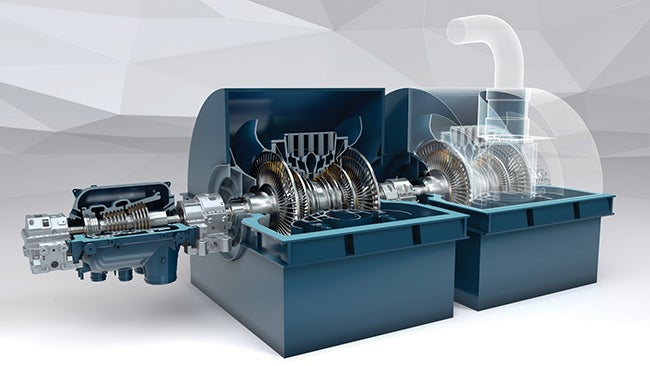
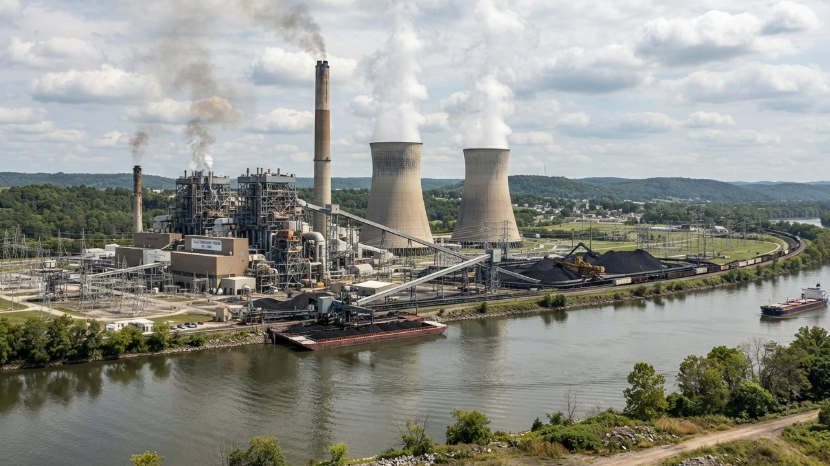
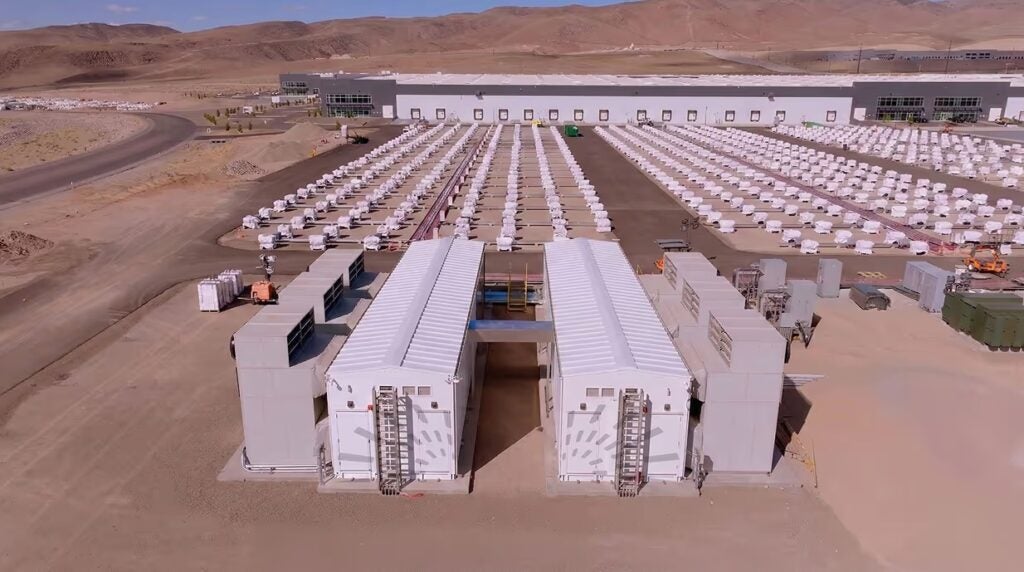
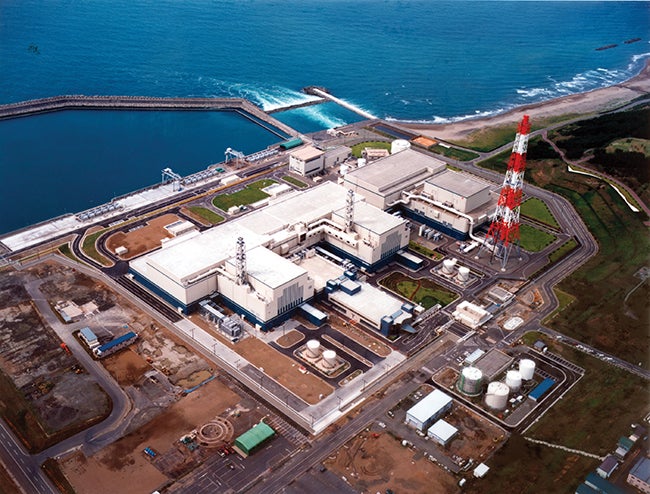
Hardening the grid against natural disasters (Figure 1) is a growing industry, as groups work to develop technologies to reduce the risk of damage from weather to power generation and power transmission equipment. Weatherization techniques, smart meters, monitoring systems, predictive analytics, better forecasting tools, and more are helping the electricity sector recognize problems more quickly. It’s part of a widespread strategy to be proactive against threats to the grid, rather than simply reactive. New technologies are supporting power reliability and resilience.
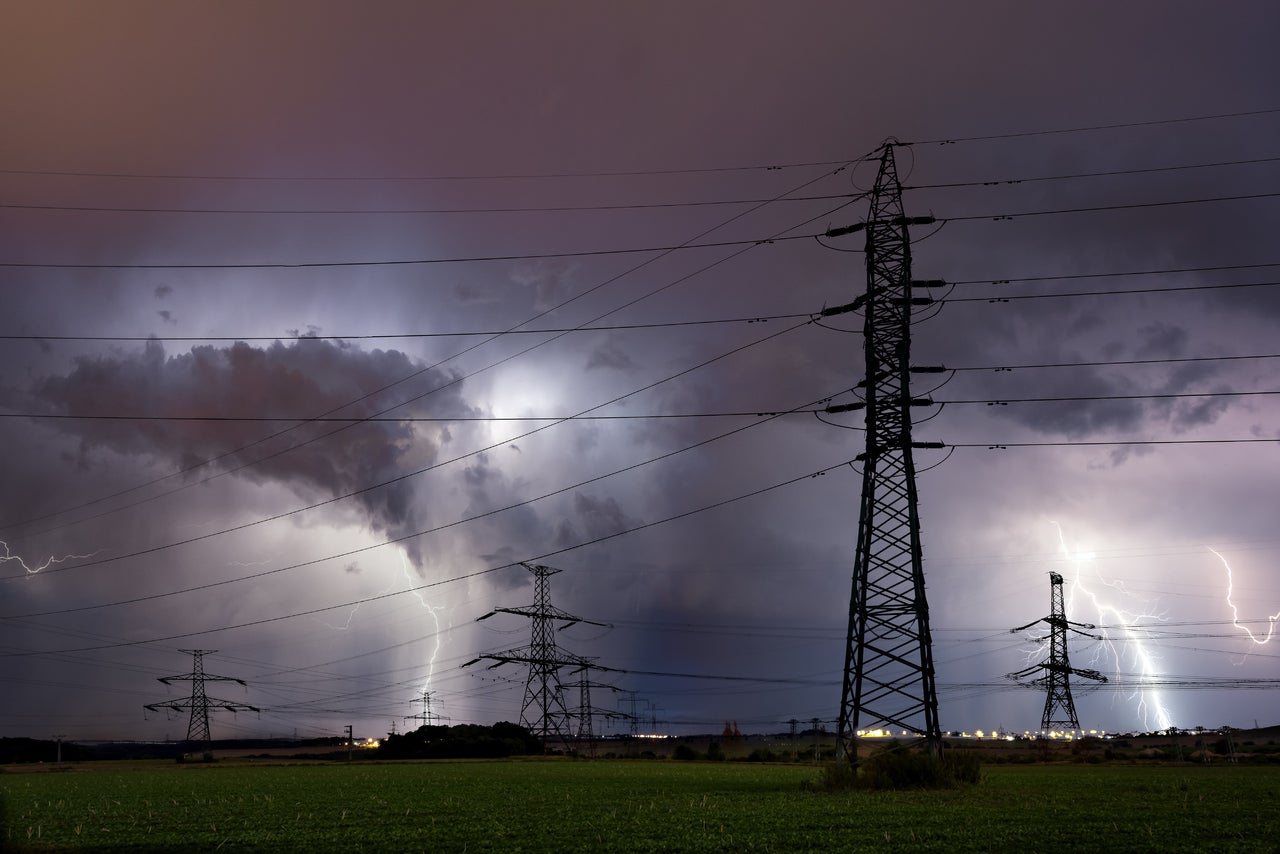
Jeremy Ellis, director of Power Strategies at OBM, an energy management group, said, “Hardening starts with a mix of physical upgrades and better operational visibility, including more durable materials, undergrounding where feasible, and smarter siting of critical assets. But physical reinforcement is only part of the equation. Grid operators also need better real-time visibility into what is happening across the system. Smart grid technologies, sensors, and more distributed architectures such as microgrids can help utilities break a large, complex system into smaller, more manageable sections, making it easier to identify issues quickly and respond before they escalate. The more proactive a utility can be with monitoring, planning, and load control, the more resilient the system becomes.”
Richard Gray, innovation director at S&C Electric Co., told POWER, “Hardening generation and transmission is part of the equation, but it breaks down if the distribution system isn’t built to carry that same level of resilience. At the medium-voltage level, it’s less about building everything bigger and more about making the system behave better under stress, using automation and protection to isolate faults quickly and restore service in smaller sections.” Gray added, “Job one is improving how the system behaves when something goes wrong … that means examining how you can segment feeders and deploy protection that can isolate and restore automatically. Once you’ve done that, you can integrate new demand without taking on the same level of outage risk.
“That approach improves both resilience and overall grid utilization, turning a passive network into something more adaptive so failures are contained instead of widespread,” said Gray.
Searching for Strategies
Fortifying electrical infrastructure against extreme weather and other disasters has fostered a variety of programs and strategies, including many that include smart technologies such as artificial intelligence (AI), automated switches, advanced sensors, and real-time monitoring to improve resilience.
Troy Marshall, vice president of Fire Proofing at NanoTech Materials, an advanced materials company, told POWER: “Utilities and grid operators are increasingly under pressure to adopt hardening strategies for their power generation and transmission equipment, especially since the electrical grid both contributes to wildfire risk and is itself at risk from wildfires. Equipment from the electrical grid accounts for roughly 3% of fires burned nationwide. With much of the existing grid not initially designed to withstand today’s extreme weather events, a number of strategies are being considered to address these risks and minimize the likelihood of rolling blackouts.
For more on how companies are working to harden the power grid against extreme weather and other threats, read this POWER Interview with Brian Palmer, staff VP and principal engineer for Power Generation at FM.
“Common approaches include burying powerlines, replacing aging poles, and managing vegetation. While effective, these methods can be costly, require significant downtime, and are often difficult to scale across large service areas. To complement these strategies, utilities can focus on strengthening the actual infrastructure materials,” said Marshall. “Wood and timber assets, such as distribution poles and wooden barrier structures along corridors, are particularly vulnerable to wildfire conditions and already require ongoing maintenance. Protective coatings engineered with high reflectance, high emissivity, and low thermal conductivity can reduce heat absorption, reflect radiant energy, and act as a thermal barrier against temperatures well above the 1,800F to 2,200F range typical of wildfires. These materials offer a cost-effective way to reinforce existing assets and improve protection without requiring full infrastructure replacement.”
Said OBM’s Ellis: “Efforts to harden systems have taken on more urgency in recent years as extreme weather events become more frequent and damaging. From a structural standpoint, utilities should always be thinking about how transmission infrastructure performs under extreme weather stress, whether that means high winds, ice, snow, flooding, or prolonged heat. At the same time, hardening is not just about building stronger assets, but about using data to better forecast risk and inform planning decisions. Planning should be informed by historical operating patterns such as weather-related grid stress. When operators can analyze when and where the grid has experienced strain in the past, and compare that against predicted weather conditions, time of day, and load behavior, they can better anticipate where stronger structural protections may be needed most, before damage is inflicted. In that sense, hardening is not just about building stronger assets. It is also about using data to forecast risk more effectively and plan around both grid operations and infrastructure investment with greater precision.”
Want to learn more about weather preparedness for the power grid? Read “Building a Storm-Ready Grid: Why Operations Matter as Much as Infrastructure” in the June 2026 issue of POWER.
Saurabh Chatterjee, senior vice president and onshore renewables business line leader for WSP in the U.S., said, “Transmission lines and towers can be structurally hardened using proven engineering designs that increase their ability to withstand extreme wind, ice, and snow by strengthening the entire system, from foundations to conductors. This typically includes designing structures to higher wind and ice load criteria, using more robust tower geometries such as steel or concrete monopoles instead of aging lattice structures, deepening and reinforcing foundations to prevent overturning or scour, and upgrading conductors to stronger, low-sag types with anti-galloping and vibration control hardware. Additional resilience is achieved by shortening spans, reinforcing cross arms and connections, designing key structures to prevent cascading failures, and integrating real-time monitoring [such as weather, strain, and ice sensors] so operators can derate lines before damage occurs. Together, these measures shift transmission design from minimum code compliance toward resilience-oriented engineering that significantly reduces storm-related outages and speeds recovery.”
Robert Wall, associate principal at Perkins&Will, an architecture and design group, noted specific measures electric utilities should take to harden equipment. “One of the most impactful first steps for any utility—or any type of physical asset for that matter—is developing a digital twin of its system,” said Wall. “Digitization gives operators a much clearer picture of how assets perform and how best to plan for hardening, expansion, and future demand.
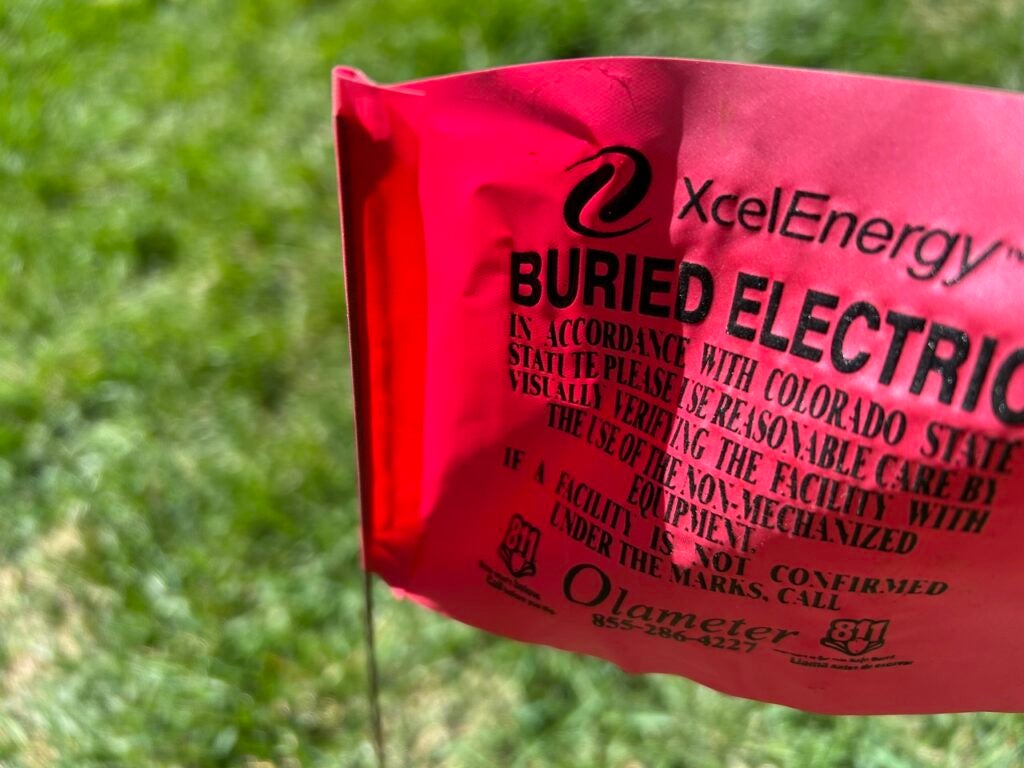
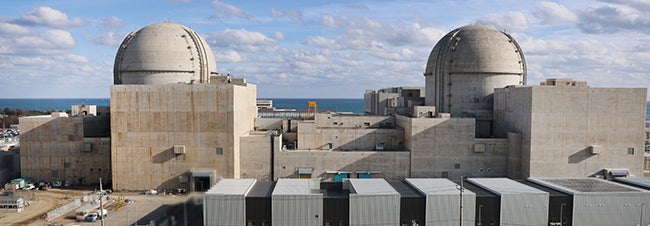
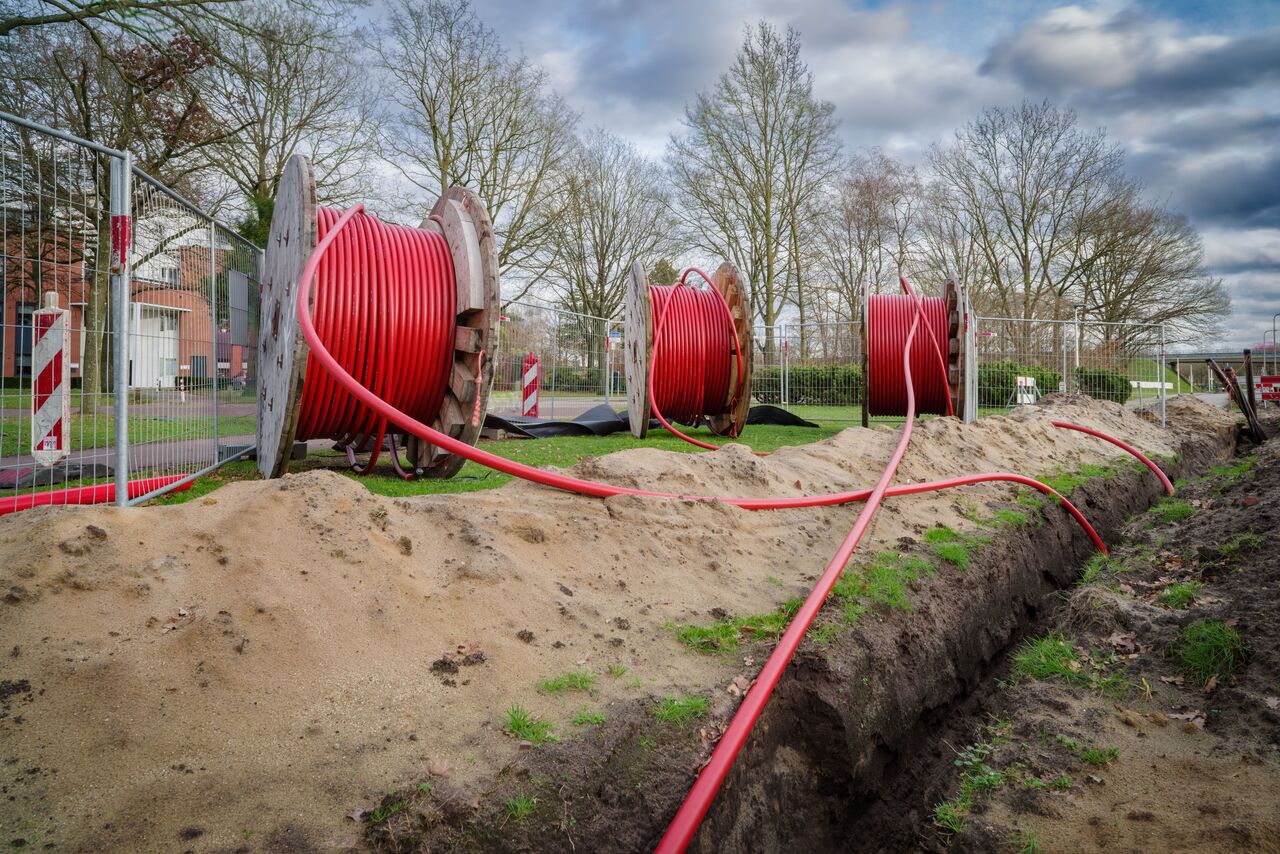
“From there, prioritizing underground transmission and distribution where possible makes a big difference in reducing weather exposure [Figure 2]. Just as important is ongoing monitoring of both assets and environmental conditions so decisions can be proactive rather than reactive,” he said.
AI Plays a Role
The power industry experts who spoke with POWER acknowledged that AI plays a role in grid hardening, just as it does in other aspects of power generation and transmission.
“If you’re trying to run a more utilized, more dynamic grid, visibility is non-negotiable,” said Gray. “Remote monitoring at the distribution level gives operators a real-time view of what’s happening, which is critical as loads grow and become less predictable. AI can help make sense of that data, flagging abnormal conditions or emerging risks, but it’s really an assistive tool, not a replacement for engineering judgment.”
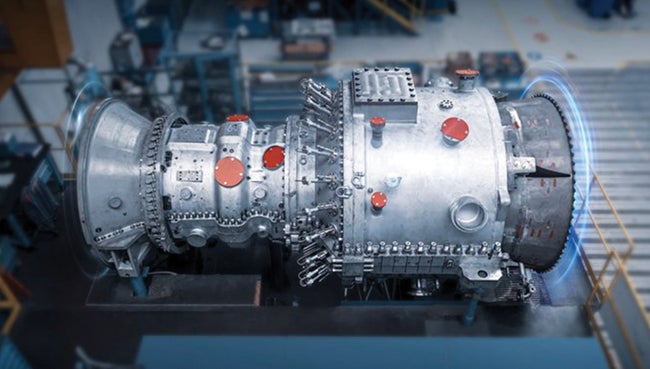
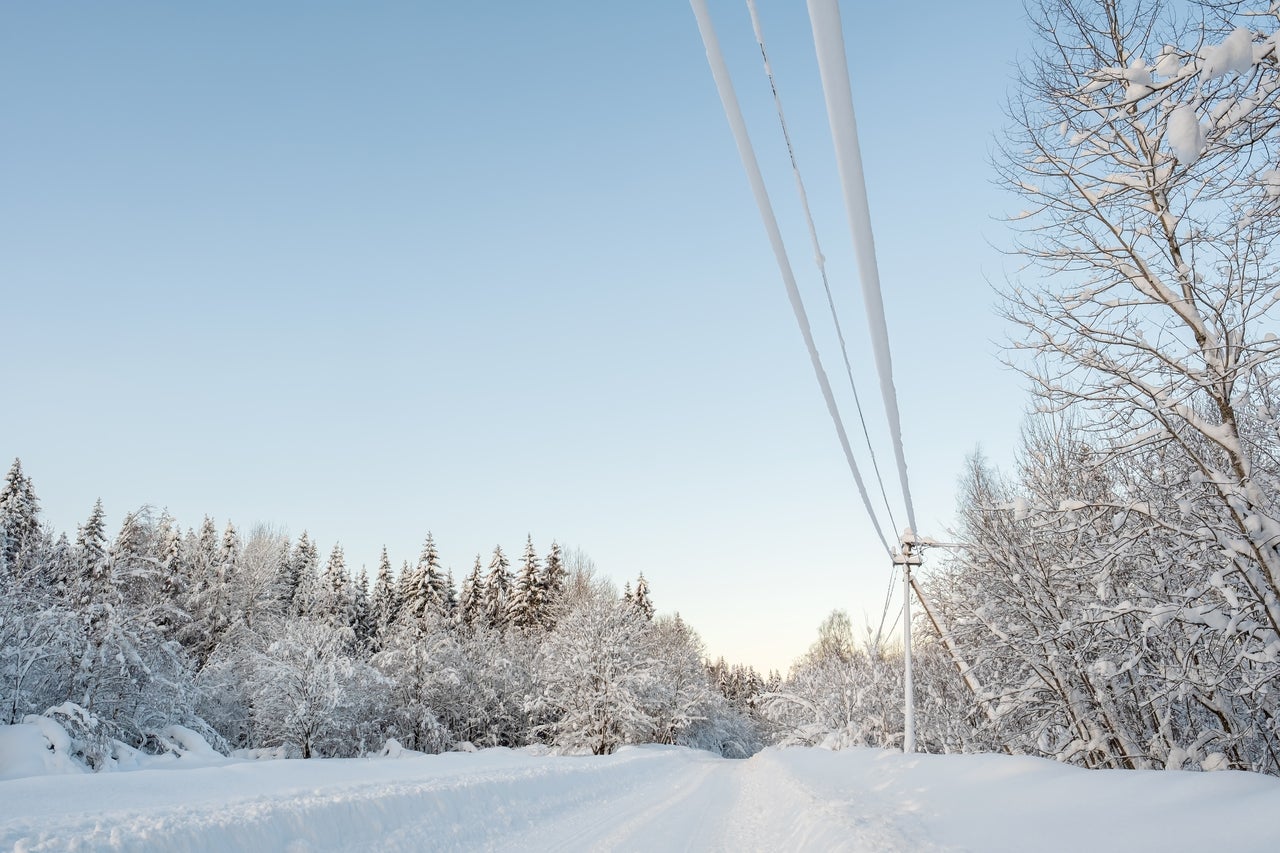
“Yes, hardening today’s power plants and transmission systems really should include remote monitoring, and this is where AI could make a big difference,” said Chatterjee. “On the transmission side, utilities can’t realistically have people everywhere all the time, so they use sensors, cameras, drones, and weather stations to keep a constant eye on power lines. AI helps make sense of all that information by spotting early warning signs like lines starting to sag too much, ice building up [Figure 3], vegetation getting too close, or equipment behaving differently than normal, so operators can step in before something breaks.
“Inside power plants, AI plays a similar role but focuses on the machinery itself. Thousands of sensors track things like temperature, vibration, pressure, and electrical performance, and AI looks for subtle changes that humans would never notice in real time,” said Chatterjee. “That allows operators to fix or adjust equipment before it fails, instead of reacting after a forced outage.
“Taken together, AI turns hardening from a one-time construction effort into something ongoing and proactive,” said Chatterjee. “Stronger poles, towers, and equipment reduce the chance of failure, while remote monitoring and AI help utilities see problems coming, respond faster during extreme weather, and keep the system running more reliably day to day.”
Ellis told POWER: “Remote monitoring is the difference between reacting to outages and preventing them. Many power lines and grid assets are located in isolated or hard-to-access areas, which makes constant in-person inspection impractical. Remote monitoring creates a line of sight into conditions as they develop, helping operators detect early warning signs such as overheating, equipment degradation, or wiring failures before they turn into outages or safety events.
“While technologies like drones may play a larger role over time as a supplemental visibility tool, the priority today is integrating continuous monitoring into core operations,” said Ellis. “That visibility becomes significantly more valuable when paired with real-time load control, which allows operators to dynamically adjust power consumption and distribution in response to current grid conditions. This can help relieve stress during peak demand, prevent equipment overload, and contain issues before they cascade into larger disruptions.”
Ellis added, “Artificial intelligence strengthens this by helping operators make sense of large volumes of real-time and historical data. By identifying patterns between weather conditions, load behavior, and past grid events, AI can flag risks earlier and support more proactive decision-making. Inside a power plant, that might mean detecting anomalies in transformers or turbines before failure occurs. Across the grid, it can help anticipate where strain is building and guide timely operational adjustments. When combined with real-time monitoring and load control, AI supports a more coordinated, predictive approach to maintaining grid stability and resilience.”
Wall agreed that AI can provide plenty of value when it comes to grid hardening. “Yes, absolutely. Remote monitoring really is a key part of modern grid hardening. When you combine that with AI, it becomes much easier to move toward predictive maintenance—preempting problems and fixing them before extreme weather exposes weaknesses,” said Wall. “These tools can also support smarter power routing, allowing operators to reroute electricity quickly when sections of the grid go offline. On top of that, AI can help identify external risks, like vegetation or other environmental factors and inform management strategies that prevent problems down the line.”
Modeling and Monitoring Infrastructure
The experts who spoke with POWER agreed on the importance of modeling and monitoring infrastructure to ensure a reliable flow of electricity (see sidebar), from generation to delivery. They said hardening the grid is also optimizing the grid.
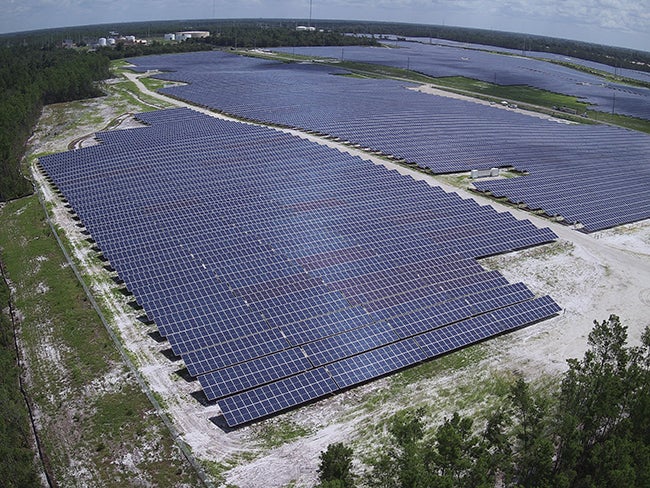
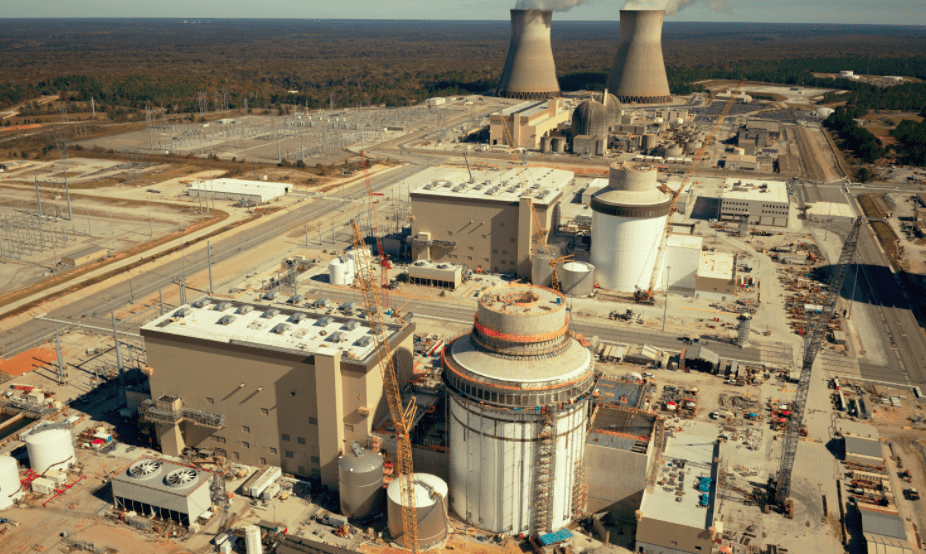
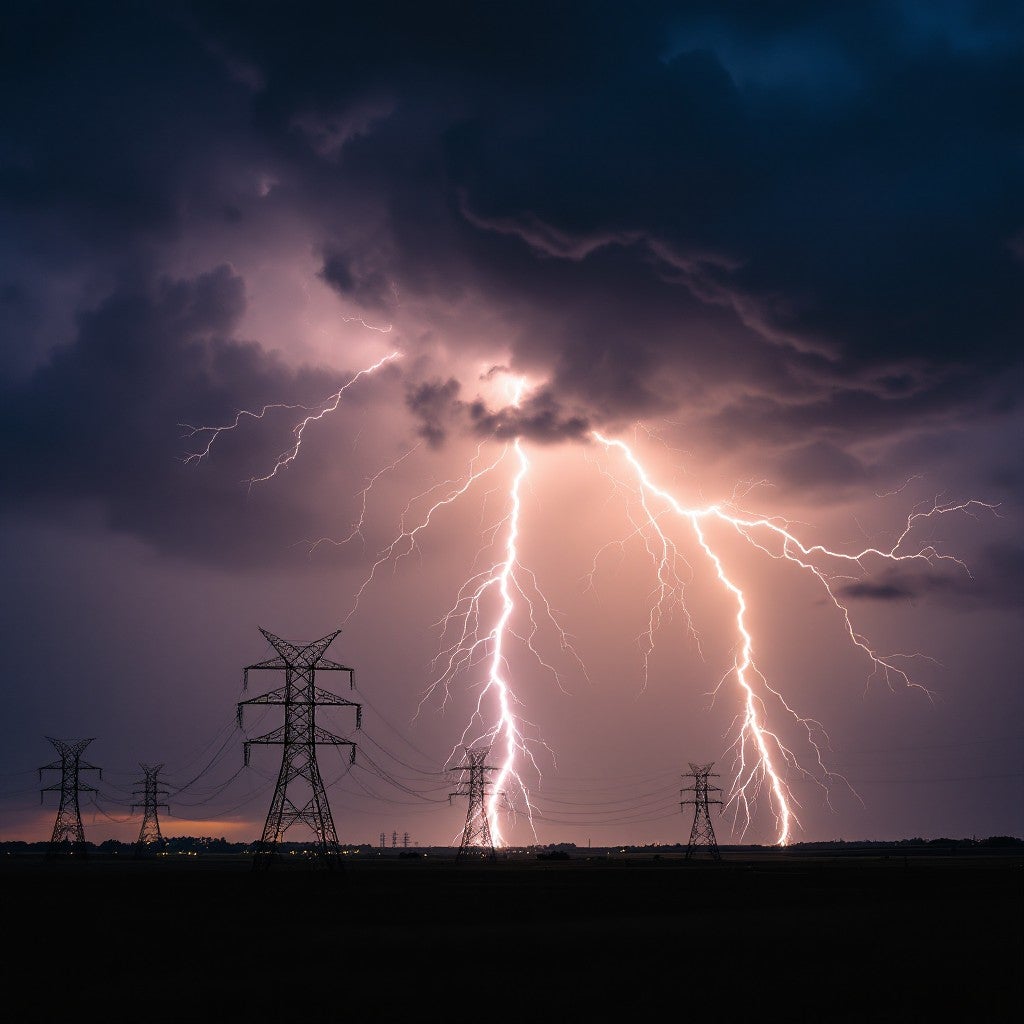
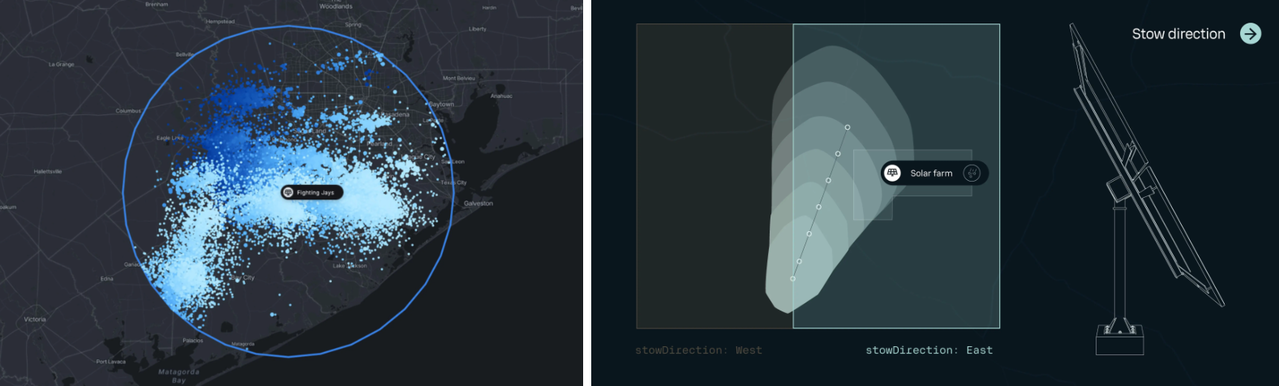
Managing Weather Risks Through Modeling and MonitoringOne of the companies involved with modeling and monitoring grid infrastructure, and protecting power generation and transmission assets, is Vaisala Xweather, a weather intelligence group that works with various sectors, including energy. Hans Loewenheath, lead product manager at Vaisala Xweather, said, “Weather-related threats, including lightning, hail, and high winds, are among the most destructive and costly forces acting on power infrastructure. Hardening against these threats starts with knowing exactly where and how hard your infrastructure has been hit or could be hit.” Loewenheath told POWER, “At Vaisala Xweather, we work with utilities to harden their systems by turning real-time and historical weather intelligence into proactive operational and engineering decisions. In fact, 12 of the top 15 revenue-generating U.S.-based investor-owned utilities (IOUs) incorporate Vaisala Xweather lightning data into their engineering analysis procedures.” Loewenheath continued, “When it comes to hardening against lightning, using historical lightning exposure data helps guide where to invest in protective equipment such as surge arrestors, improved shielding, and additional insulation.” Loewenheath said the group’s “Exposure Analysis capability lets utilities query every lightning strike within a defined buffer of a specific transmission line corridor. For example, 0.5 miles of a specific transmission line over any window of time from one to 60 months. This tells operators precisely which segments have accumulated the most strikes since their last equipment upgrade and informing targeted reinforcement so that surge arrestor replacement and insulation investment goes where it’s actually needed versus blanket spending across hundreds of miles of line.” Robinson Wallace, research scientist at Vaisala Xweather, noted that hail “is an increasingly serious hazard, particularly for solar assets. Hail damage now accounts for more than 50% of solar industry losses, with the average claim running $58 million.” Wallace said his company has developed an internal advanced hail forecasting model that integrates lightning detection with radar, satellite imagery, and numerical weather prediction (Figure 4).
“When a hail forecast intersects a set buffer zone around a solar farm, the system triggers an alert to stow panels,” said Wallace. “The same convective processes that form hailstones generate the charge separation behind lightning strikes, which means our lightning network detects the preconditions for severe hail before stones are large enough to fall. In a recent validation study of 170 confirmed severe hail events, our forecast model achieved zero misses and delivered an average warning lead time of 37 minutes, with at least 20 minutes of advance notice in 95% of cases and at least a 10-minute lead time for 100% of cases. This dependability in forecast allows solar operators to shift from manual weather monitoring to automated stow protocols and protect their assets from costly repairs or replacements.” Loewenheath said that most transmission lines “face similar structural problems: they were spec’d to weather conditions that existed when they were built and have degraded due to extended exposure to severe weather. For example, if equipment has been repeatedly used after withstanding lightning, the original equipment ratings, number of surge arrestors, shielding wire geometry, ground resistance, etc., may now be insufficient. This is when utility companies need location-specific, multi-year weather records to size infrastructure for the actual threat environment and not just historical averages that may no longer reflect current storm patterns and damage impact.” Loewenheath told POWER that his group’s exposure analysis “provides a direct comparison between observed lightning strike density along a transmission corridor and the design specification the line was originally built to meet. If actual lightning exposure has begun to exceed a line’s typical design specification of a 20-kA threshold, or has simply taken a toll on the equipment over time, that’s a direct signal to upgrade.” Loewenheath said Vaisala Xweather has worked with the Tennessee Valley Authority (TVA) to analyze the TVA’s transmission network using Vaisala lightning data. Loewenheath said the group “found that average strike magnitude across [TVA’s] service territory is approximately 20 kA. This number now anchors their equipment specification standards.” Loewenheath added that data “also revealed that western portions of their territory see materially higher flash density than the east, where terrain provides natural shielding. That insight shaped exactly where hardening capital went and led to mitigation techniques like increasing insulation through additional insulator bells and fiberglass cross-arms, installing or improving shield wire geometry, upgrading ground resistance, and installing surge arrestors on the highest-exposure segments.” Wallace said remote monitoring is no longer optional for a modern, resilient grid; it is foundational. Wallace said the value of that monitoring “multiplies significantly when it is paired with AI-driven analytics. Vaisala Xweather’s hail forecasting model, for example, uses data fusion to combine real-time lightning detections from the Vaisala Xweather Lightning Network with radar returns, satellite imagery, and numerical weather model output so that our forecast system identifies severe hail conditions before the stones are large enough to fall. The system synthesizes these inputs to generate hail threat forecasts up to 60 minutes ahead. For solar operators, that lead time is the difference between a stowed, protected panel farm and a catastrophic, costly loss.” “For transmission infrastructure, AI-assisted lightning exposure analysis enables utilities to move from reactive maintenance to predictive asset management,” said Loewenheath. “Duke Energy uses Vaisala’s National Lightning Detection Network data to run an automated alert system from their Charlotte [N.C.] weather office in protection of their employees. An outer detection ring around each generation and transmission site automatically alerts staff to prepare for work suspension while an inner ring triggers an immediate cease work and seek shelter alert. Work can resume after a 30-minute [pause] since [the] last lightning strike alert, protecting employees across Duke’s service territory comprised of transmission sites, conventional power plants, solar facilities, and wind farms. “Job one is knowing your actual exposure. You can’t prioritize hardening investment without asset-level data on where your infrastructure has been hit, how often, and how hard,” said Loewenheath. “Regional averages won’t tell you which line segment needs new surge arrestors, but a corridor-level exposure analysis will. From there, the sequence is straightforward: establish a multi-year lightning baseline for your service territory, run corridor-level exposure analyses to rank your highest and lowest risk transmission segments, then apply targeted hardening procedures like surge arrestors, grounding upgrades, shielding improvements to the worst performers first. Track outage rates afterward and ongoing to measure the return. For generation assets, like solar panels susceptible to hail damage, add automated severe weather alerting to initiate advanced warning and automated panel stow protocols for an extra layer of protection. Finally, revisit your design assumptions regularly. Hardening your infrastructure is an ongoing data-driven discipline as weather patterns and land changes, not a one-time infrastructure project.” |
“Properly modeling existing infrastructure is the first step to hardening the system against reliability, [and] reducing impacts and events. From a physical perspective, using trustworthy and proven engineering calculations to determine that the design and condition of a structure is still fit for purpose is key,” said Brad Johnson, director of Electric Utilities at Bentley Systems, an infrastructure engineering software group. “Because these calculations are complex, and there is such a backlog of work to be done, technology plays a key role in completing this step. Once those assessments begin to be completed, sub-optimal poles, lines, and equipment will need to be refurbished, upgraded, or retired from service as soon as practicable.”
Said Johnson, “Continuous monitoring in many forms is important to relate the theoretical and the actual condition of the grid. Where time-series data can improve or enable grid performance, AI will play a role in assessing and framing data and insights for human intervention. A mix of automated [sensor] and manual [human inspection] is key to achieving a holistic assessment. Technology plays a critical role in relating these different data sets.”
Ellis told POWER: “Job One is installing the equipment and systems that provide real-time visibility into operations. Without that line of sight, it is much harder to make informed decisions, respond quickly, or automate protective actions. Once monitoring hardware is installed, software can deliver granular, timely data on usage, system conditions, and potential faults. From there, the next step is making sure that data connects to control capabilities, so operators can act remotely and quickly when needed. That includes load control, curtailment, and other automated responses that can reduce stress on the grid, lower costs, and in some cases prevent a more serious incident from unfolding.
“Site operators and plant managers are especially important in this process because they understand the operational details of a facility better than anyone else. They know the equipment, the risks, and the realities on the ground,” said Ellis. “Hardening works best when utilities combine durable infrastructure with better monitoring, faster, more automated control, and close collaboration with the people responsible for daily site operations.”
Marshall said using AI and other advancements can help with the design of new electrical transmission infrastructure. “Utilities and engineers can incorporate targeted structural design improvements to harden transmission lines, including reinforcing tower foundations to withstand thermal stress, increasing conductor spacing to reduce overheating, and minimizing combustible components,” said Marshall. “At the same time, extreme heat and wildfires are creating a need to think beyond traditional design standards to extend equipment lifespans. This is why material selection and protection are becoming increasingly important in mitigation efforts. With this approach, utilities can implement structural improvements while simultaneously improving performance. This points to a broader industry shift toward a more comprehensive view of resilience, in which structural strength and material performance are incorporated into the design process from the start.”
Deploying Distributed Generation
Moving power generation closer to load also supports grid reliability and resilience, and can be part of a grid-hardening strategy. Distributed energy, with smaller generation assets supporting larger, decentralized output from power plants, can reduce the risk of outages.
Wall, who is co-author of a forthcoming report on the potential of energy storage in commercial buildings from Sidara—a privately owned global collaborative of engineering, design, and professional services firms including Perkins&Will—told POWER: “One of the biggest opportunities [for grid hardening] is simply reducing the distance between where power is generated and where it’s used, which limits exposure across long transmission lines. Sidara firms work in markets all over the world and design assets and systems in all types of climates. However, from a physical standpoint the mantra is always the same—equipment needs to be designed with flexibility in mind so it can withstand extreme temperatures, vibration, high winds, and other lateral forces during extreme weather.”
Wall said, “Adding instrumentation at key connection points—like transformers and substations—makes it much easier to spot issues quickly and get crews to the right place faster. More broadly, if you start to redesign grids around distributed generation, the whole approach to resilience changes quite significantly.”
The growth of energy storage systems is directly tied to the use of more distributed energy resources, which includes renewable energy such as solar and wind power. Andrew Hoesly, general manager of SolarTech, a solar power group, told POWER: “From our side, resilience is becoming just as important as cost. As extreme weather events become more frequent, more homeowners and businesses are looking at solar and storage not just for savings, but as a way to maintain power during outages.”
Hoesly continued, “Distributed energy plays a different role than traditional grid hardening. Instead of only strengthening centralized infrastructure, it allows power to be generated closer to where it’s used. That reduces dependence on long transmission lines that are often most vulnerable during storms.” Hoesly added, “On the hardware side, solar systems themselves have become more durable. Modern panels are tested for hail, wind, and extreme conditions, and installation standards have improved significantly. The bigger shift, though, is combining solar with storage, which gives customers a level of resilience that didn’t really exist at scale a decade ago.”
Wall added, “Energy storage is one of the most effective tools municipalities and asset owners have to improve both resilience and energy security. We will soon be publishing a paper on exactly this issue, demonstrating the benefits and practicalities of implementing this technology in existing buildings. Quite simply, having storage in place allows critical services to keep running during outages and makes recovery much faster when disruptions do occur. It also reduces reliance on a single supply source, which has become increasingly important given recent geopolitical and market volatility. When paired with distributed generation, storage can also help ease peak demand and add another layer of flexibility to the system.”
Step-By-Step
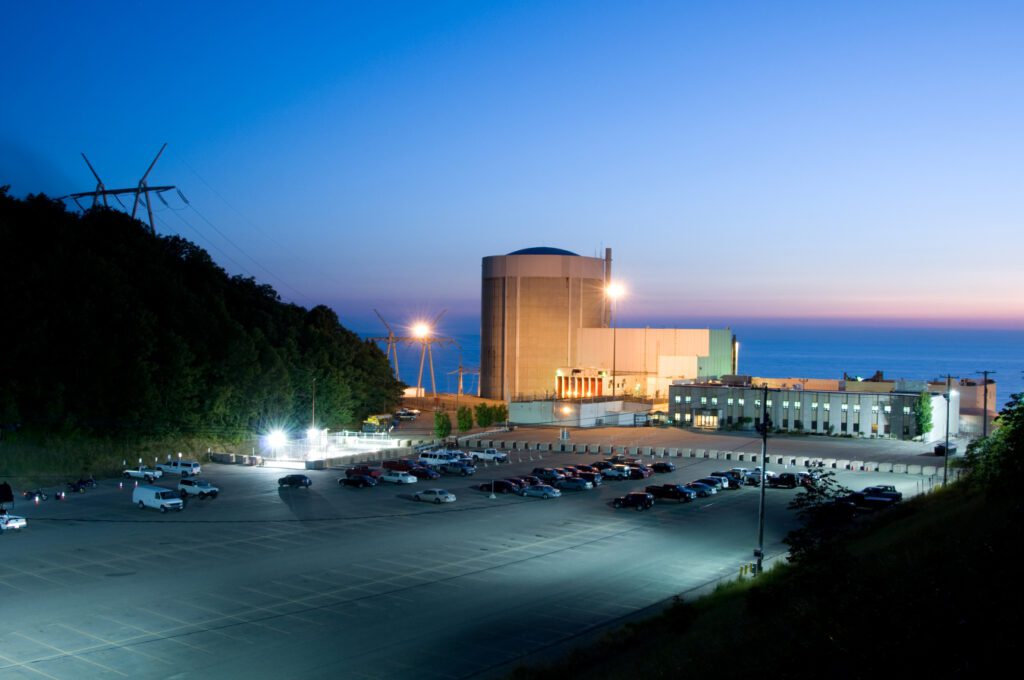
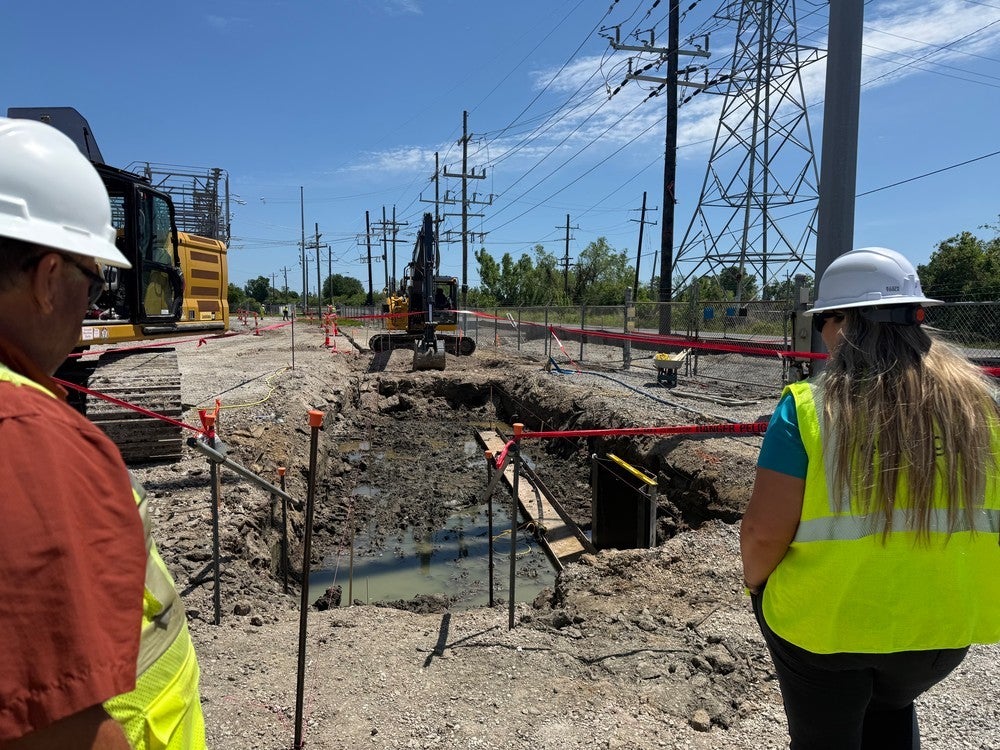
Chatterjee offered five suggestions for grid-hardening initiatives, in what he called “a simple, common-sense order. First, figure out where you’re most likely to fail, which lines, substations, or plants are most exposed to storms, heat, flooding, or wildfires, and what happens if they go down. Second, fix the things that break most often, especially aging poles, towers, conductors, and flood prone substations [Figure 5], these upgrades prevent outages before they start.
“Third, give the system better visibility, using sensors, automation, and remote monitoring, so operators can see problems developing and act early. Fourth, plan for fast recovery, because no grid is unbreakable, sectionalizing, redundancy, and operational playbooks matter, as much as steel and concrete.” Finally, Chatterjee said, “Design for what’s coming, not what already exists, by accounting for load growth, climate change, and new customers like data centers. In simple terms: know your risks, strengthen the weak spots, add eyes and controls, recover quickly when things fail, and keep future conditions front and center.”
Johnson told POWER there are at least three steps that any electric utility should take as part of a grid-hardening strategy. “Step one, assure that the existing grid is fit for purpose,” said Johnson. “Step two, extend and modify the grid to fit what is most likely to come next. Step three, build flexibility and resilience to demand, policy, and engineering change into current and future investments.”
Marshall also offered advice for utilities and power grid managers, echoing Chatterjee and Johnson. Said Marshall, “The first step is identifying the infrastructure that is most exposed, particularly in regions with elevated wildfire risk. In those areas, wood and timber assets are often among the most vulnerable and should be prioritized. From there, utilities should evaluate how to protect high-risk assets in a practical and scalable way. Full system replacement is rarely feasible in the near term, so many utilities are turning to solutions that can support existing infrastructure. Material-based approaches, including fire-resistant coatings rated to withstand temperatures up to 3,272F, offer a way to add protection to vulnerable wood and timber assets without major disruption.
“That said, no single solution addresses every risk,” said Marshall. “Utilities that take a layered approach, starting with their most exposed assets and combining targeted structural upgrades, material protection, and better visibility into how energy moves across the system, will be better positioned to strengthen resilience and manage the conditions they are facing today.”
–Darrell Proctor is a senior editor for POWER.