 |
For Rayburn Electric Cooperative, ownership of the 758-MW combined cycle plant in Sherman, Texas, means stable rates, hardened reliability through heat waves and winter storms, and a hedge against the wholesale market swings that battered it in 2021—benefits that have made the facility a POWER Top Plant award finalist.
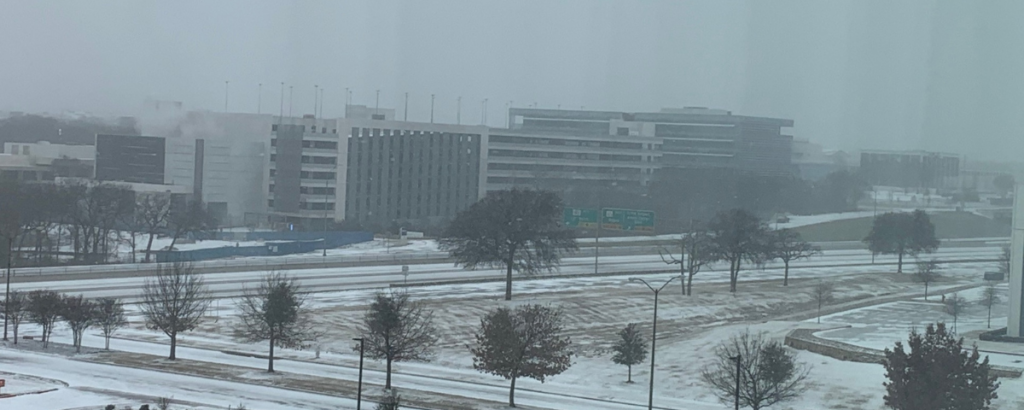
When Winter Storm Uri swept across Texas in February 2021, Rayburn Electric Cooperative incurred three years’ worth of power costs in five days. The generation and transmission cooperative, which together with its four distribution cooperative members serves more than 625,000 Texans across 16 counties northeast of Dallas, owned only a minority interest in generation and remained heavily reliant on the Electric Reliability Council of Texas’s (ERCOT’s) wholesale market at its most punishing.
“Bankruptcy was certainly one of the options on the table,” David Naylor, Rayburn’s president and CEO, said as a guest on The POWER Podcast in January. “We were thankful we didn’t have to go that route. We were able to come up with a solution where we paid everything we owed—and then we took a hard look in the mirror and asked ourselves what we needed to do differently.”
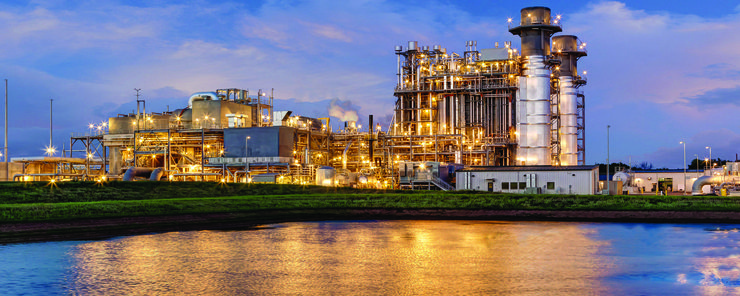
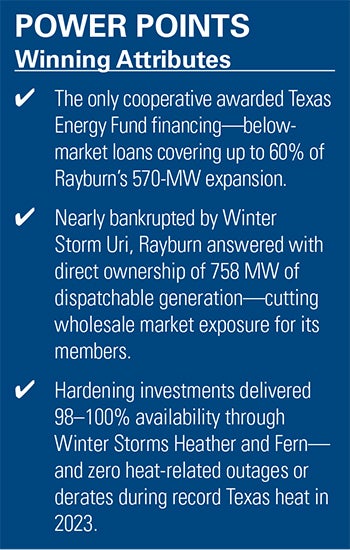
The answer sits just outside Rayburn’s service territory in Sherman, Texas. Rayburn Energy Station (RES, formerly known as Panda Sherman Power Plant), the 758-MW natural gas–fired combined cycle facility the cooperative acquired in 2023, has since delivered 98% to 100% equivalent availability through multiple winter storms, sailed through a record-setting Texas heat wave without a single heat-related outage or derate, and anchored one of the fastest-growing industrial corridors in the country. It has also become the platform for a 570-MW expansion backed by the Texas Energy Fund—financing no other cooperative in the state has secured. It is that record—a near-death experience converted into a new model of cooperative-led generation ownership—that earned RES its place among the finalists for a 2026 POWER Top Plant award.
From Crisis to Ownership
Rayburn’s post-Uri self-evaluation produced a clear conclusion about who weathered the storm best. “When we looked at who benefited from Uri—or at least came out of it in a solid situation—it was the people who owned generation assets, and whose units ran,” Naylor explained. “The Panda Sherman plant performed great during Winter Storm Uri. It had room for additional capacity if we wanted to expand in the future. And for someone that was staring bankruptcy in the face a couple years earlier, winning that auction over several private equity companies was a tremendous success.”
The plant came to market as part of the previous owner’s standard build-and-divest business model. The acquisition doubled Rayburn’s balance sheet, and leadership initially worried the cooperative wouldn’t grow into the plant’s capacity until 2030 or later. That concern evaporated quickly. “We’re projecting 25% growth over the next 10 years, and that’s not counting any data centers or large loads—just normal organic growth,” Naylor said. “We grew into Rayburn Energy Station a lot faster than we anticipated.”

In This Issue
Full issueProven Hardware, Sharper Response
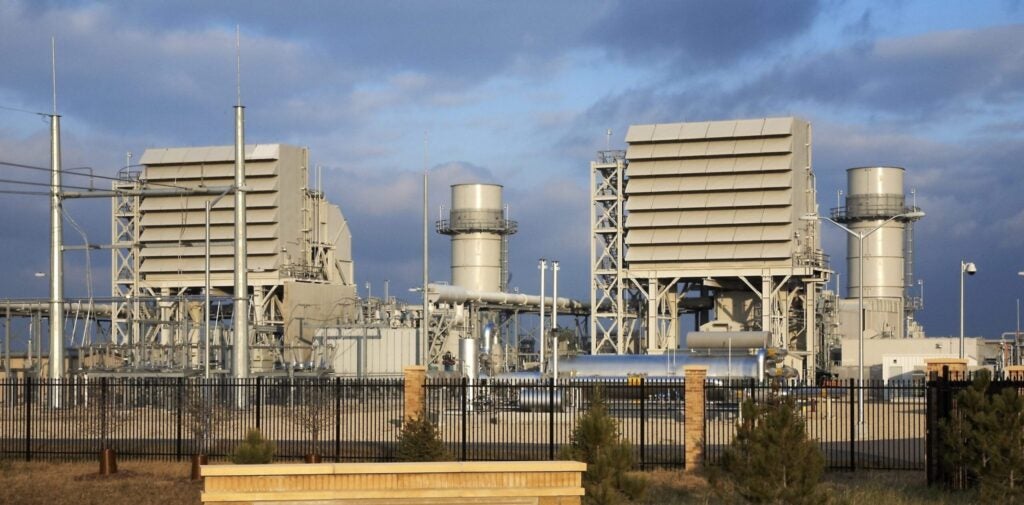
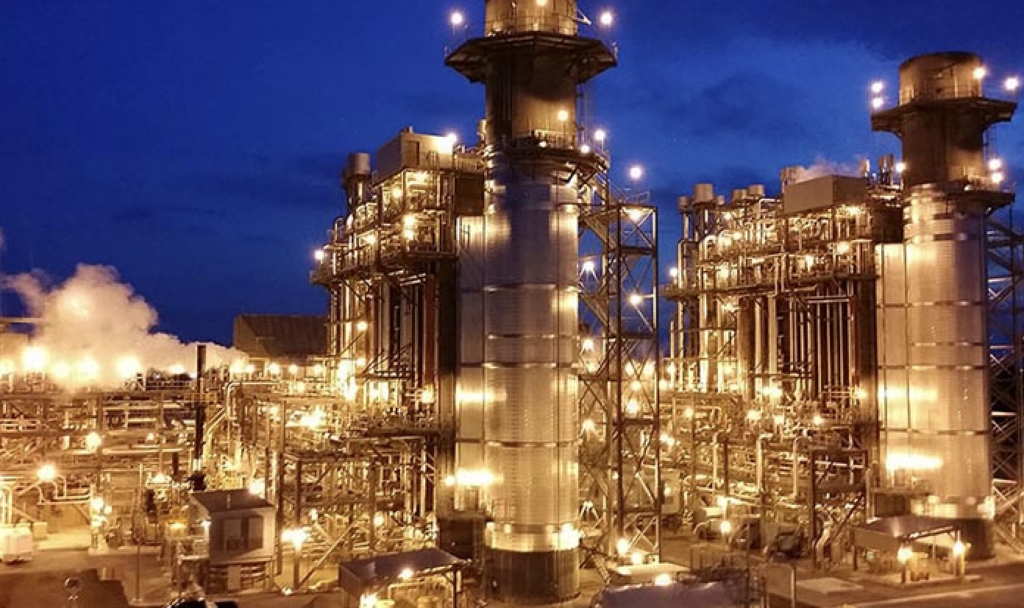
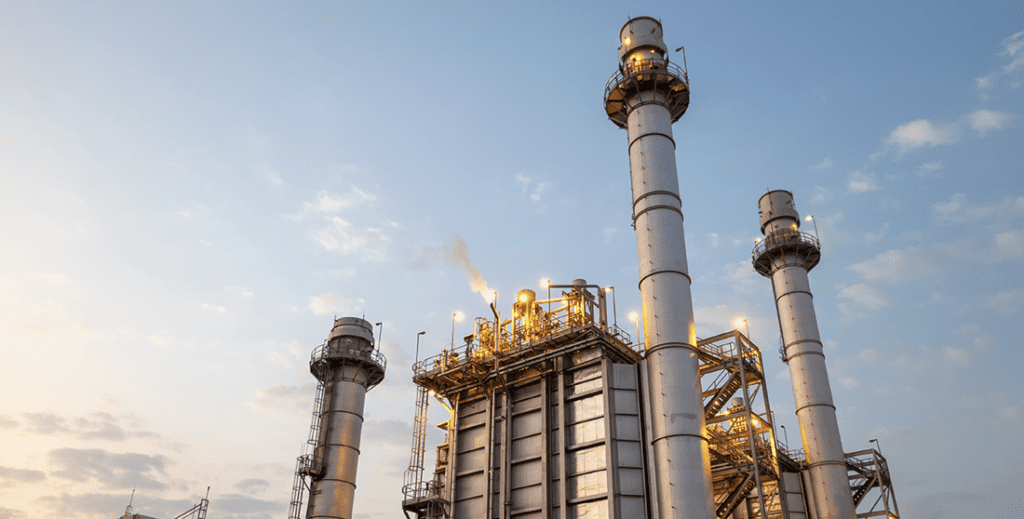
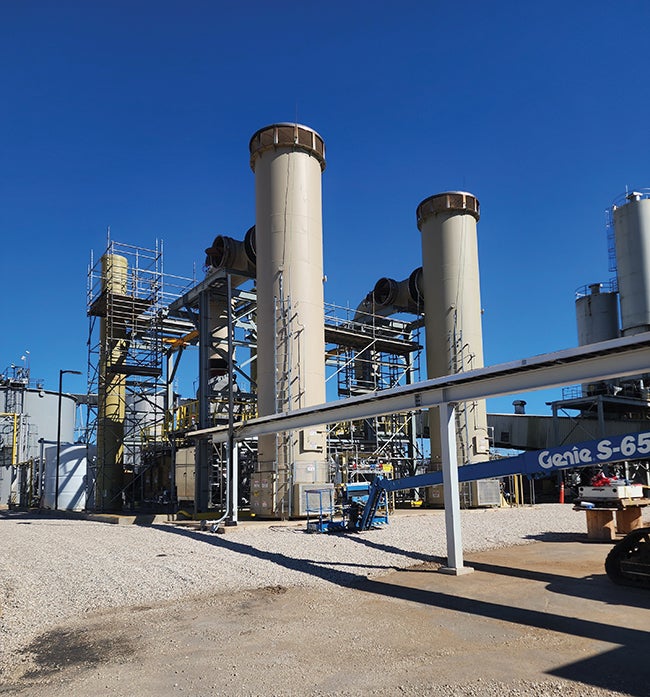
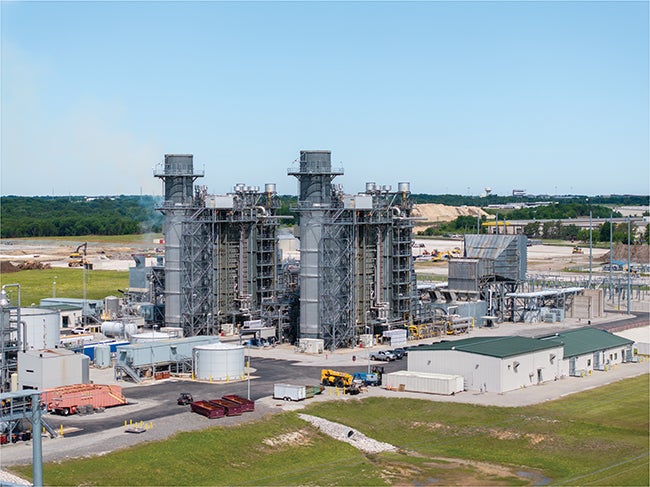
The station’s original Siemens Flex-Plant 30 configuration remains intact: two SGT6-5000F gas turbines, two NEM USA Benson duct-fired heat recovery steam generators, an SST6-5000 steam turbine, and Siemens-supplied generators and controls in a 2-on-1 arrangement rated at 758 MW. The plant received a control-system upgrade in 2021 and gained peak-firing capability on the turbines in 2022 to boost flexibility and output, according to Alex O’Brien, plant manager.
“Since Rayburn took ownership, both combustion turbines completed their first major interval inspections, reinforcing long-term reliability and ensuring the fleet is primed for higher duty as regional demand grows,” O’Brien said.
The Flex-Plant design was originally marketed on its speed—first power in about 10 minutes and full combined cycle output in less than an hour. That responsiveness is still in use. RES primarily operates in load-following mode, with the fast-ramp capability deployed to shorten startups and lower costs when rapid response is needed, O’Brien said. Since the acquisition, the plant has averaged an annual capacity factor of about 53%, peaking at 60% in 2024, and it has outperformed Rayburn’s expectations. Beyond the turbine inspections, the cooperative completed a single-point-failure analysis and an inventory management overhaul to shorten recovery times and ensure critical spares are on hand.
New Owner, Same Team
Rayburn had never owned a generating station before acquiring RES, which made the operations and maintenance (O&M) transition the riskiest part of the deal. The cooperative contracted NAES Corp. for O&M—and required that all existing plant staff be retained.
“Although employed by NAES, the 28-person team operates as an extension of Rayburn’s staff, bringing deep institutional knowledge that made the 2023 transition seamless,” said Christian Nagel, Rayburn’s senior director of Power Supply and Production.
The retained team’s first real test came almost immediately. During the record-setting Texas heat wave of summer 2023, with local temperatures greater than 100F nearly every day in August, the facility experienced no heat-related outages or derates. “Years of proactive maintenance, seasonal readiness work, and the team’s experience allowed the plant to stay online when ERCOT and our members needed it most,” Nagel said. “At RES, success during extreme weather is measured not by overcoming major problems, but by preventing them from occurring in the first place.”
Hardened Against the Extremes
The plant performed well during Uri under its previous owner, but Rayburn has not treated that history as a guarantee. Since acquiring RES, the cooperative installed permanent windbreaks and protective enclosures, expanded and redesigned heat tracing and insulated piping, upgraded the demineralized water system, and added remote temperature monitoring for turbine enclosures and critical instrumentation, helping the station operate reliably through Winter Storms Heather and Fern.
Those investments have paid off. “During recent winter events the station sustained 98–100% equivalent availability factor and delivered without weather-related interruptions,” O’Brien reported. In summer peaks, the enhanced monitoring and cooling visibility “minimized derates and shortened recovery times,” he said.
Fuel security received the same attention. RES is fed by two independent gas routes—an intrastate pipeline plus firm interstate service on the Gulf Crossing pipeline. “We rely on Gulf Crossing for its firm capacity, favorable tariff, and reliable access, while the second pipeline provides redundancy,” Nagel said. “That dual-feed arrangement, combined with firm transport rights, materially strengthens fuel security during weather and reduces the risk of forced outages.”
Anchoring the Silicon Prairie
Sherman sits roughly 60 miles north of Dallas in a corridor that has been called the “Silicon Prairie.” Texas Instruments is constructing a semiconductor manufacturing complex there expected to represent up to $40 billion in total investment, while Taiwan-based GlobalWafers has increased its investment in a Sherman silicon wafer facility to $7.5 billion. With electricity demand in Texas projected to increase by more than 25% over the next decade, the region’s power system is bracing for substantial new load.
Rayburn’s members do not directly serve every large project in the corridor, but Nagel argues that ownership of dispatchable generation nearby changes the equation for the cooperative’s four member systems. It “cuts exposure to volatile wholesale prices, strengthens local reserve margins, and lowers the risk of costly emergency purchases that drive up member rates,” he said. “In short, ownership of nearby, dispatchable capacity turns regional growth from a reliability vulnerability into a managed asset that protects rates and keeps power flowing during extreme events.”
Building Out the Fence Line
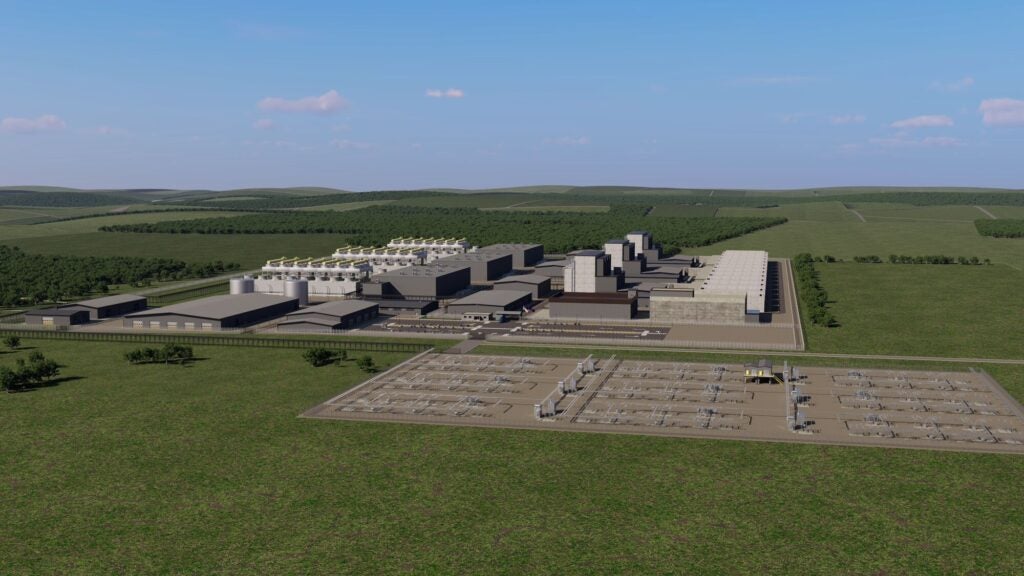
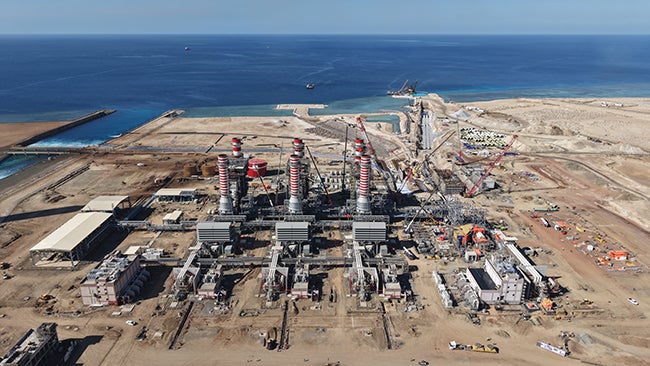
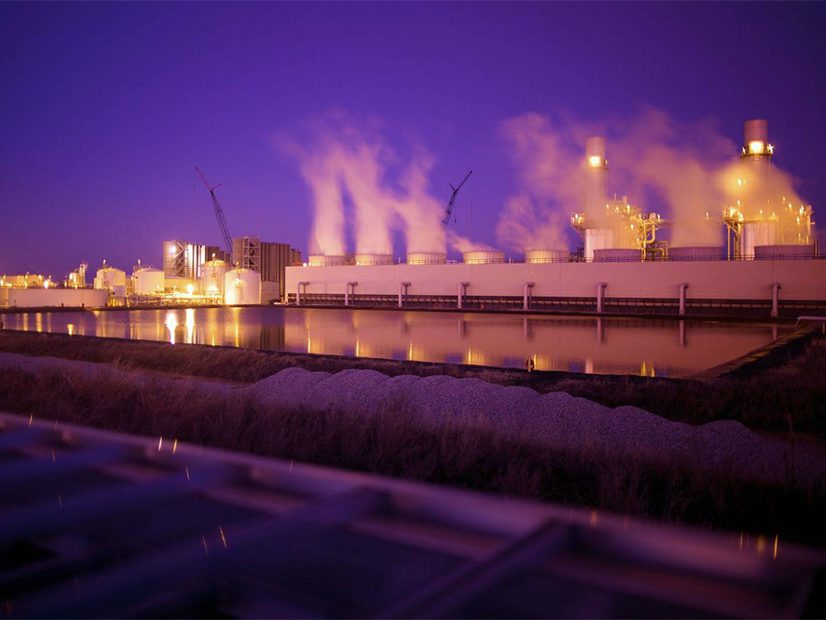
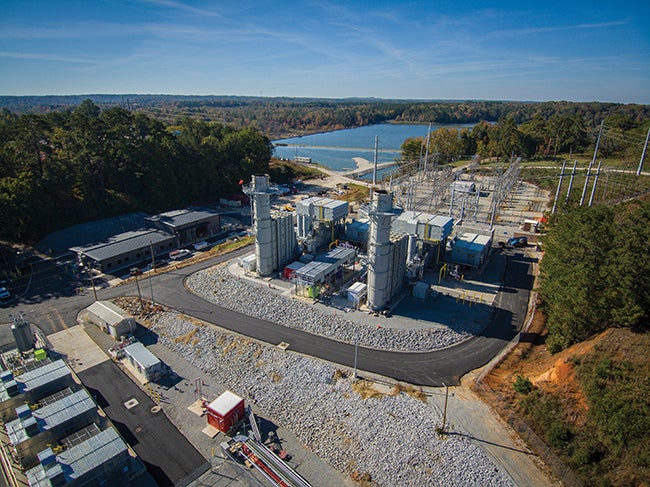
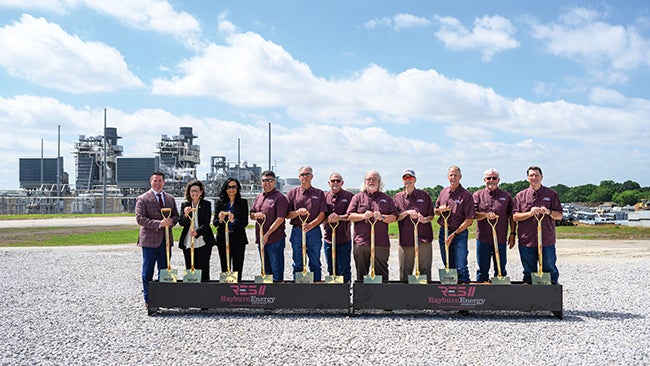
The expansion room that helped sell Rayburn on the site in 2023 is now under construction (Figure 1). RES II is a purpose-built 570-MW simple cycle plant using 10 Siemens SGT-800 industrial turbines. “Co-locating RES II inside the original RES fence line lets us leverage existing transmission ties, water and fuel hookups, control-room infrastructure, and an experienced operations team,” O’Brien noted. The fast-start SGT-800 fleet will provide rapid-response peaking capability that complements the combined cycle plant’s baseload and intermediate flexibility—and it’s designed with black-start capability. Nagel said RES II will be able to re-energize RES and more than 1,300 MW of local generation after a blackout, restoring power quickly to critical industrial and community infrastructure.
 |
|
1. Rayburn broke ground in June 2026 on Rayburn Energy Station II (RES II), a $685 million, 570-MW natural gas–fired generation facility on the RES site. Courtesy: Rayburn Electric Cooperative |
Timing worked in Rayburn’s favor. The cooperative awarded long-lead equipment contracts—turbines, transformers, and major balance-of-plant items—in late 2024, capturing favorable pricing just before the gas turbine supply crunch tightened. According to Naylor, suppliers indicated that waiting even a couple more months would have meant significantly higher costs and delivery dates pushed out by three to four years. Commercial operation remains on track for June 2028.
Financing is the other pillar. In June 2026, Rayburn secured a Texas Energy Fund loan through the Public Utility Commission of Texas that can finance up to 60% of RES II’s project costs at a below-market interest rate. Of more than 125 initial applicants to the $10 billion fund the Texas Legislature created after Uri, only 17 were selected to advance—and Rayburn is the only cooperative among them. Getting there required legislative work, because the original statute was written with investor-owned utilities and independent power producers in mind.
“We had to educate the legislature on how co-op financing works,” Naylor said. “Fortunately, they recognized the issue and decided they really did want to make this available to all types of participants. That change will apply to any cooperative that wants to pursue that funding in the future.”
The low-cost capital “lowers long-term project economics, reduces upward pressure on member rates, and accelerates construction, delivering dispatchable capacity faster to shore up regional reliability,” Nagel said.
The Asset Beneath the Asset
Ask the Rayburn team what gives the station its edge, and they’ll point not only to the technology, but to the people who operate and maintain it. About 35% of the plant’s team has been with the facility since commissioning, average tenure exceeds eight years, and veterans make up roughly 40% of the workforce, O’Brien noted—a combination he credits with 11 years without a lost-time accident and a pervasive safety-first culture.
That continuity is the quiet through-line of the Rayburn story. The same operators who kept the plant running through Uri under a different owner now form the operational backbone of a cooperative that, five years ago, relied largely on the wholesale market rather than owned generation. “Our people are RES’s greatest asset,” O’Brien said. For a plant whose defining achievement is preventing problems rather than overcoming them, that combination of world-class equipment and an experienced workforce may be the most transferable lesson of all.
—Aaron Larson is POWER’s executive editor.