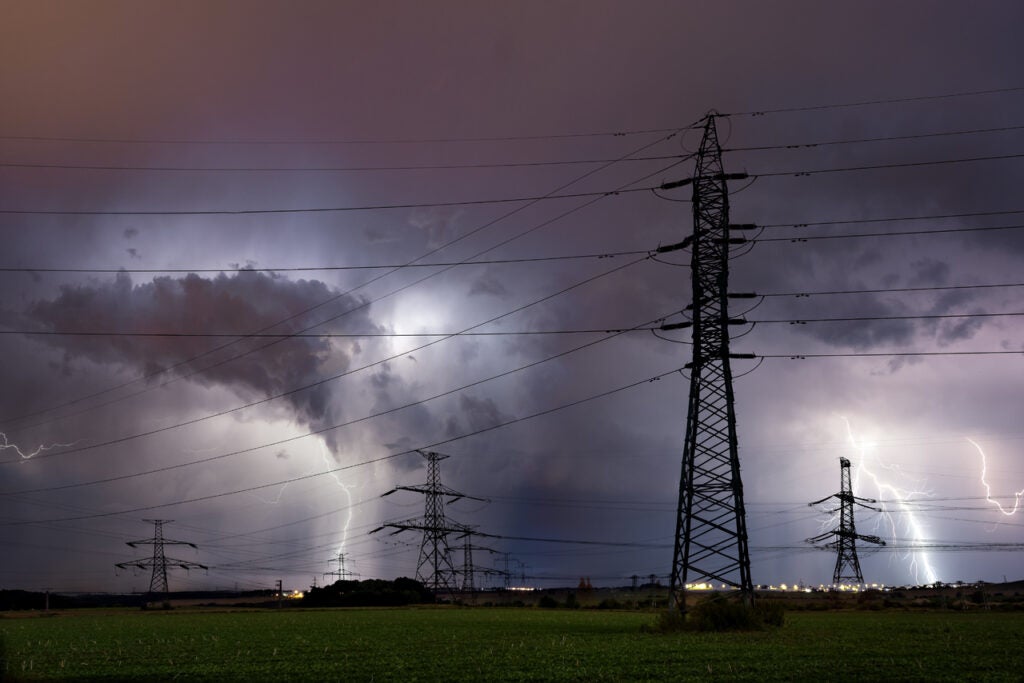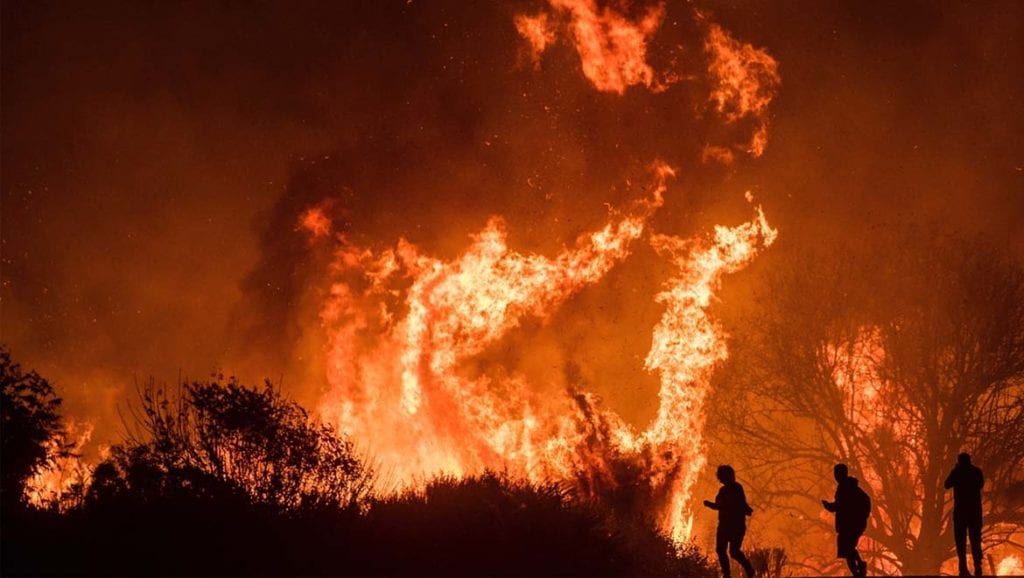
The power generation sector, including electric utilities and grid operators, recognizes the value of moving equipment underground to mitigate outages, lessen risks to assets, and reduce the chances of that equipment causing a wildfire.
Electric utilities and power grid operators increasingly are looking at ways to diminish and avoid disruptions from extreme weather. The power sector also has experience with the financial impacts of wildfires, both with damage to assets and losses incurred when equipment is found liable for causing those events.
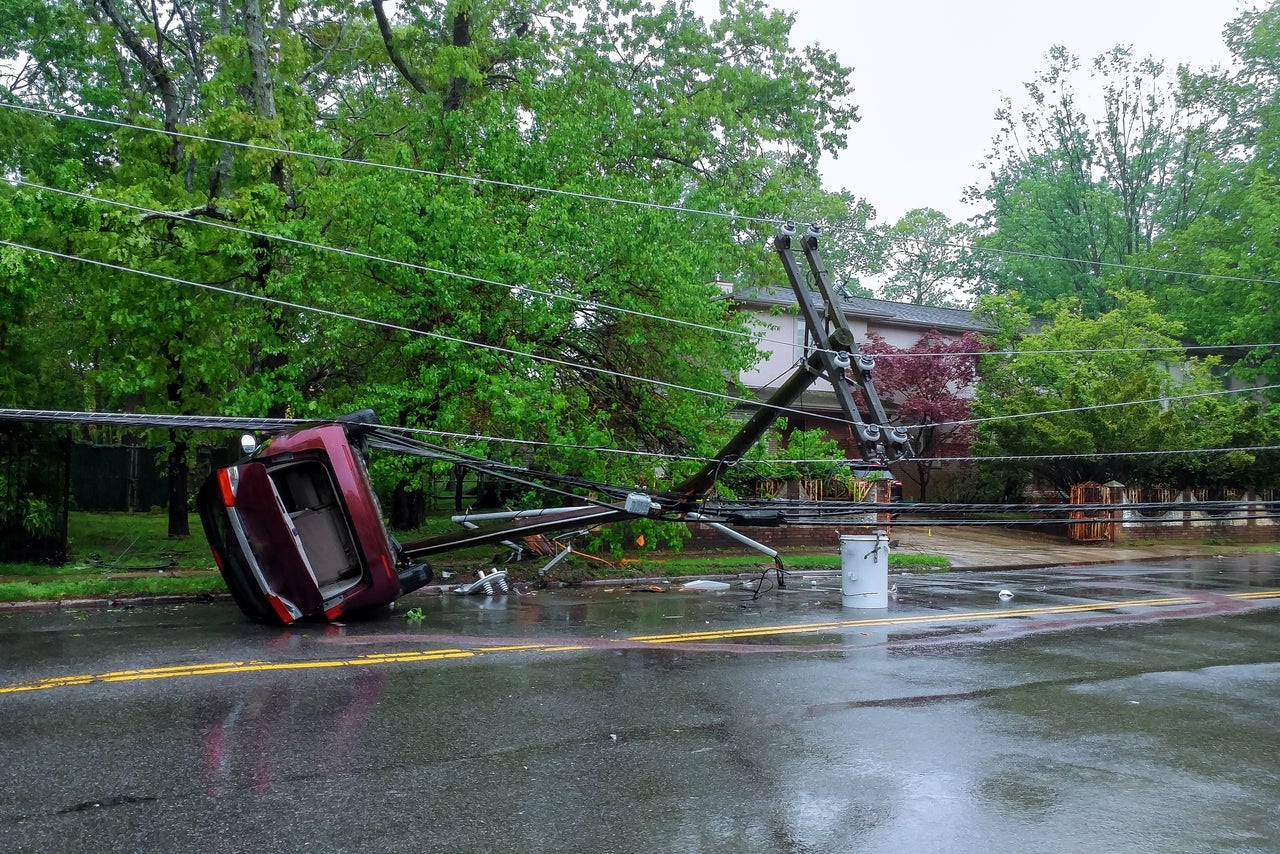
Undergrounding lines, in addition to enhancing safety, also can improve the performance of transmission infrastructure, by mitigating hazards such as impacts from trees and other vegetation. A report from the U.S. Department of Energy’s (DOE’s) Grid Deployment Office, along with Berkeley Lab in California, notes a “key advantage of underground transmission and distribution lines is substantially reduced vulnerability to disruption from extreme weather and wildfires [by preventing initial ignition as well as propagation], resulting in both reliability and resilience improvements.” Several electric utilities and other agencies have noted that undergrounding offers protection against lightning, animal incursions, high winds (including thunderstorms, tornadoes, hurricanes, and derechos), and ice and snow. It also eliminates the chances of fallen power lines caused by auto accidents (Figure 1), or simply due to aging infrastructure.
Richard Gray, innovation director at S&C Electric Co., said there are structural designs that should be implemented to harden transmission lines and towers against threats such as high winds, and ice and snow. “Stronger structures help, but they’re only part of the picture. You can design for higher wind or ice loads, but extreme events will still find weak points somewhere on the line,” said Gray. “Even if you harden generation and transmission, it doesn’t matter much if the distribution system isn’t equally resilient, because that’s what ultimately delivers power to the end user. Though it can be a large undertaking, one of the most effective ways to protect against extreme weather is to move distribution systems underground.”
“Undergrounding … should certainly be more proactive rather than reactive because the costs become even higher the longer we wait [to underground],” said Tziporah Feldman, director of policy and research for Scenic America, a nonprofit group “that helps safeguard America’s scenic qualities.” The group notes several legislative wins, including “successfully advocating for federal support for utility undergrounding in the Infrastructure Investment and Jobs Act of 2021, including an amendment to the Stafford Act to allow FEMA [Federal Emergency Management Agency] funds to be used for undergrounding and a new $5-billion resiliency grant program.”
Feldman pointed out that while undergrounding of electric power infrastructure can be costly, not considering the practice can come with even more financial risk, particularly from wildfires. “For instance, the January 2025 Southern California wildfires were believed to be caused by an SCE [Southern California Edison] transmission line,” said Feldman. Attorneys representing victims of the fires filed lawsuits against the utility, and estimated the damages from the wildfires at more than $250 billion. Feldman said utilities concerned about the cost of undergrounding power equipment should do “more work … to take into account wildfire costs.”
Robert McClellan, transmission team leader at Stantec, told POWER, “Undergrounding is a useful tool for wildfire protection but like all tools, there is a time and place for them to be used most effectively. Working to build a power system that uses the various advantage of the different methods we have available is the cornerstone of intelligent engineering.”
Said McClellan, “An electric utility should be as proactive as they can when undergrounding transmission lines. It can be a monumental task to try to convert from overhead to underground but the risk reduction is vital when considering cost to life.”
Undergrounding Techniques
Trenching and tunneling are two of the construction techniques for undergrounding of transmission lines. Both involve plenty of planning, starting with a site assessment that includes soil examination, mapping of existing utilities, and plotting the path of the trench or tunnel.
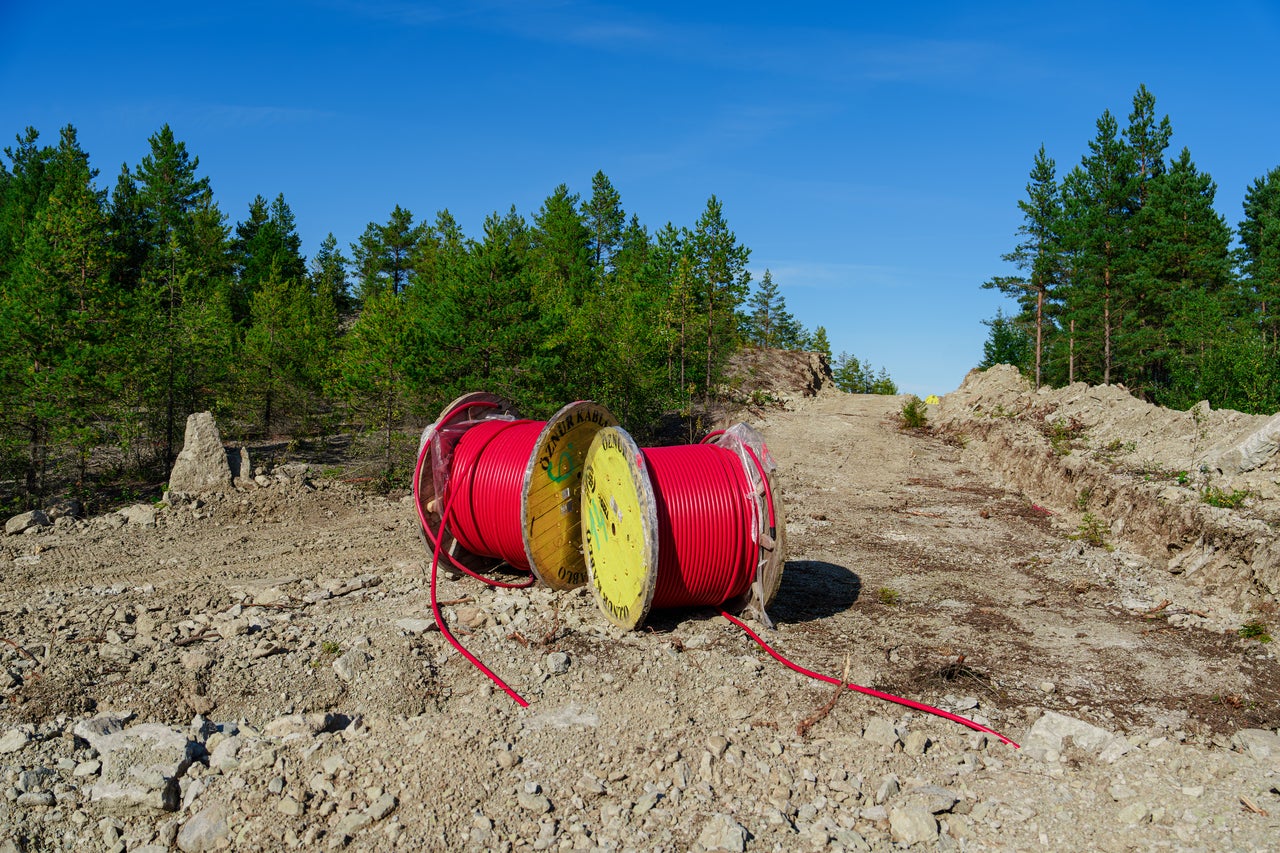
A popular trenching technique includes digging and preparing a site that is wide enough for cables and supporting infrastructure (Figure 2), and also an appropriate depth below ground. The floor of the trench is prepared with sand or cement materials, using tools such as power rollers. The power lines and other infrastructure components are placed in the trench; the trench is then backfilled or covered with a protective and thermally stable cover.
Tunneling is used in places where trenching and other burying techniques are problematic. This technique involves the use of boring and drilling machines to create tunnels that will house transmission lines. It can include directional drilling, with various tunneling techniques employed to scale tunnel depths and diameters appropriately for the type of infrastructure being moved underground.
Specialized materials are needed to protect underground power lines. High-density polyethylene (HDPE) and polyvinyl chloride (PVC) conduits can be used to prevent corrosion, water ingress, and mechanical damage. These materials also provide underground equipment with durability to protect against environmental factors, and mitigate possible damage from digging accidents.
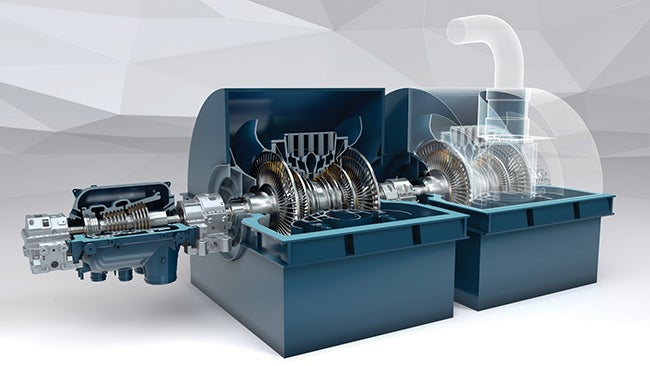
The DOE in 2024 announced investment of $34 million through its Advanced Research Projects Agency-Energy (ARPA-E) program to develop advanced, low-cost, and rapid tunneling technologies for burying power lines. It selected projects as part of the Grid Overhaul with Proactive, High-speed Undergrounding for Reliability, Resilience, and Security, or GOPHURRS, program. Among the awarded projects was a subterranean robotic tunneling construction tool developed by GE Vernova Advanced Research in New York. The tool, known as SPEEDWORM (Figure 3), would dig and install conduit and cables for underground distribution power lines in a single step, mimicking the movement of earthworms and tree roots to install 1,000 feet of cable and conduit in about two hours.
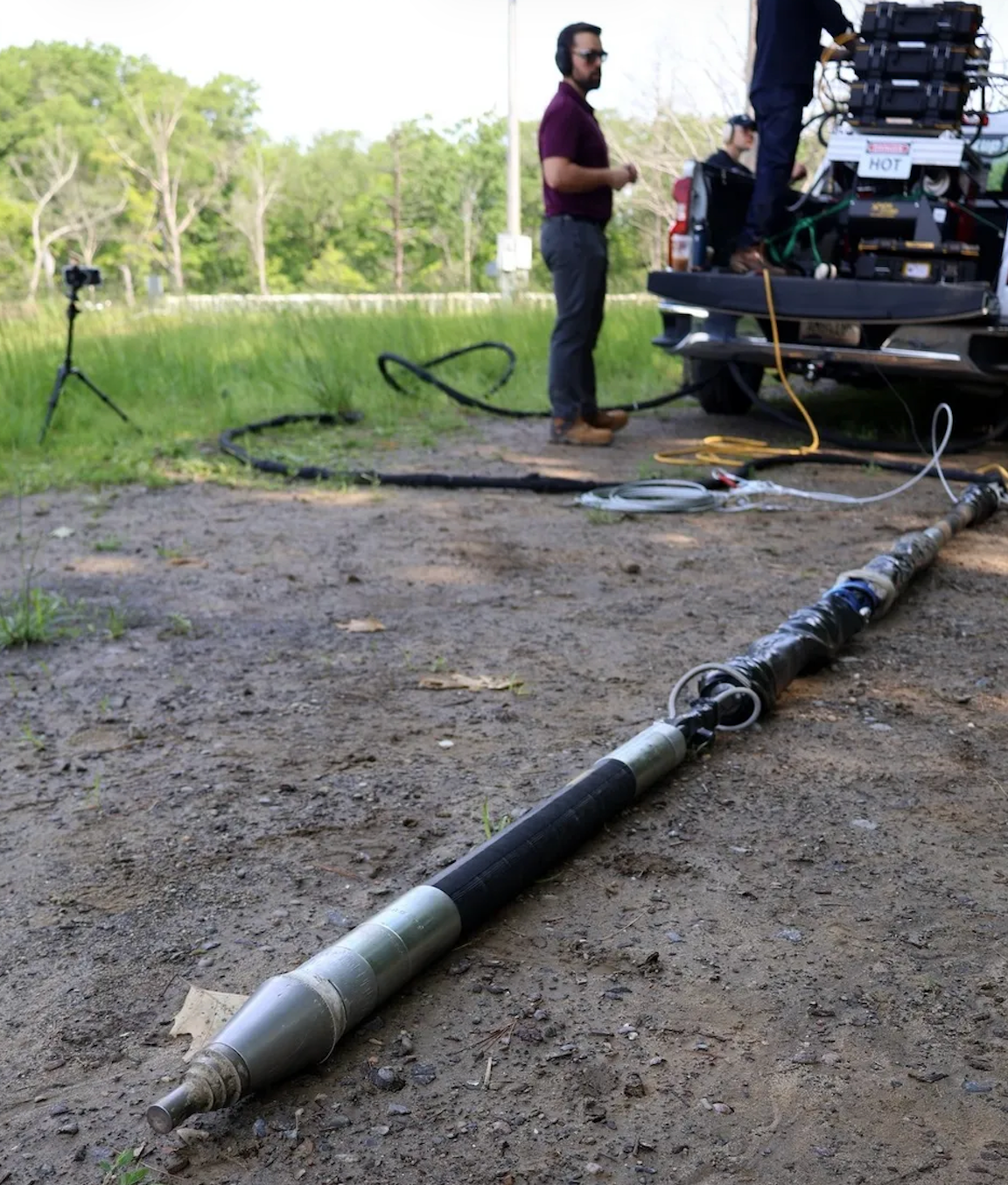
William Tan, lead researcher on the GE Vernova project, last year said SPEEDWORM uses advanced state-of-the-art localization techniques, which allow for near-real-time subsurface positioning. Tan said the device’s long tail has metal muscles, which he said inflate and deflate in “peristaltic motion,” a reference to the way food moves through a human’s digestive tract. Tan in a news release said that particular motion moves the mechanical worm forward while compacting the soil around it, akin to a finger gouging into damp sand. Other DOE-awarded projects feature the use of artificial intelligence and sensors to facilitate more rapid construction of underground power distribution systems.
Robert Wall, associate principal at Perkins&Will, an architecture and design group, said, “Where it’s feasible, putting transmission infrastructure below ground is one of the most effective ways to protect it from weather‑related damage.” Wall added, “One of the most impactful first steps for any utility—or any type of physical asset for that matter—is developing a digital twin of its system. Digitization gives operators a much clearer picture of how assets perform and how best to plan for hardening, expansion, and future demand. From there, prioritizing underground transmission and distribution where possible makes a big difference in reducing weather exposure. Just as important is ongoing monitoring of both assets and environmental conditions so decisions can be proactive rather than reactive.”
Mitigating Wildfire Risk
Investigation and analysis of several major U.S. wildfires in recent years identified overhead power lines as the ignition sources, including in California, Hawaii, and Texas. California in the wake of several destructive and deadly fires established regulatory mandates that require the state’s largest utilities to submit 10-year undergrounding plans prioritized by wildfire risk.
Pacific Gas and Electric (PG&E), which filed for Chapter 11 bankruptcy in 2019 due to more than $30 billion in liabilities from wildfires in California in 2017 and 2018, has one of the most ambitious undergrounding programs. The utility emerged from bankruptcy in summer 2020, with a reorganization plan focused in part on safety initiatives. The utility recently said it has completed installation of more than 1,200 miles of underground power lines, and is targeting hundreds more miles this year. The utility on May 1 of this year said it has “installed more than 1,640 total miles of system upgrades [including strong poles and covered powerlines] since we launched our Community Wildfire Safety Program in 2018. This year, we plan to complete 314 miles of system upgrades.” The utility has a long-term goal of undergrounding 10,000 total miles of its transmission system.
San Diego Gas and Electric (SDG&E) is among several California electric utilities moving overhead power lines underground in areas that are most at risk for wildfires (Figure 4). It also is among several utilities, both in California and other states, utilizing public safety power shutoffs (PSPS), in which a utility proactively shuts off power to an area when weather conditions increase the risk of wildfires. The company calls its program “Strategic Undergrounding,” and says it is among several projects in the utility’s Wildfire Mitigation Plan. SDG&E said that program aims to reduce the impacts of PSPS on facilities such as fire stations, medical centers, schools, and libraries, among other sites.
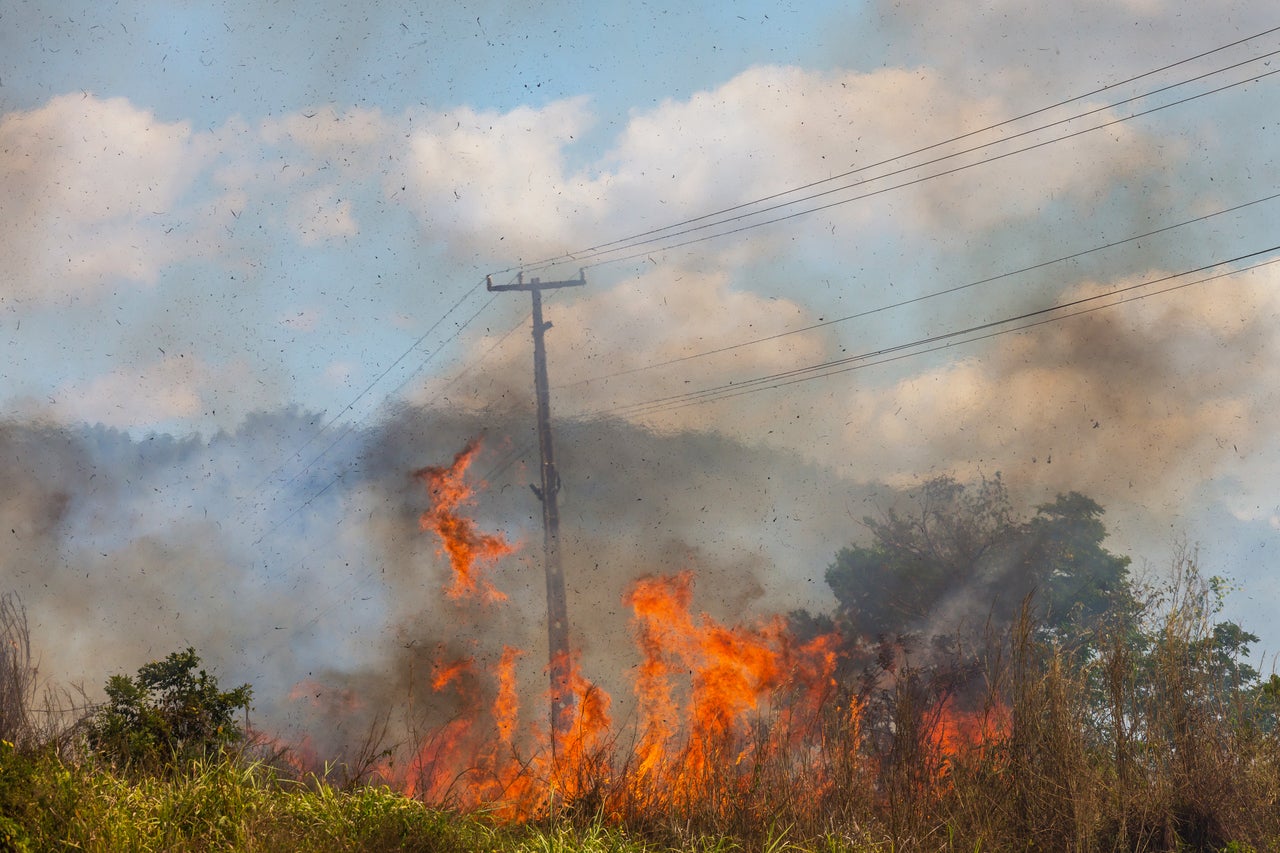
SDG&E said, “The Strategic Undergrounding Program will provide heightened wildfire resiliency and electric reliability by undergrounding electric distribution lines near key community facilities. Removing overhead power lines and placing them underground helps remove the risk of sparking fires during adverse weather. It also enables the power lines to remain energized during PSPS, which reduces the impact of power outages on fire-prone communities.
“After individual circuits or projects are undergrounded, the SDG&E overhead power lines and equipment will be removed, but what is left may vary depending on the power line configuration,” the utility said. “For example, if poles are also used by other utility providers, such as telephone or cable, and are required by those service providers, then the poles will remain to support those services.” SDG&E began work on its Strategic Undergrounding Program in 2019; the utility expects to continue work through 2032, with a goal of undergrounding about 1,500 miles of power lines.
The California Independent System Operator (CAISO) recently selected LS Power Grid California (LSPGC) to finance, build, own, operate, and maintain a new 230-kV underground transmission line. The project is aimed at strengthening power infrastructure and improving grid reliability across the San Francisco Bay Area. Officials said the line, located across about seven miles, will connect Silicon Valley Power’s Northern Receiving Station Substation to PG&E’s San Jose B Substation, building on the work of LSPGC’s Power Santa Clara Valley and Power the South Bay projects, which are expected online in 2028. The 230-kV installation was approved in CAISO’s 2024–2025 Transmission Plan. The line has an estimated cost of $150 million to $200 million, and is targeted to enter service by June 2030.
“We appreciate CAISO’s continued confidence in LS Power through this competitive selection,” said Paul Thessen, president of development for LS Power, in a statement. “We have consistently delivered on our commitments in a timely manner, and this project builds on our growing footprint in California and extensive experience successfully developing transmission projects across the country. We look forward to working with our partners to deliver this critical infrastructure for the Bay Area.”
Thessen added, “CAISO is at the forefront of competitive transmission planning, and its transparent and deliberate annual planning process ensures that electricity consumers benefit.” After the line is energized, PG&E is expected to own, operate, and maintain the project, which will support energy demand growth in the San Jose area. LSPGC currently has one asset in service—the Orchard Substation in Fresno County—along with five additional transmission projects in development across the state, including two in the Bay Area.
Weighing Pros and Cons
Xcel Energy, the largest utility in Colorado—another state increasingly prone to wildfires—has noted that putting power lines underground is not always the best solution, in part because underground lines are still at risk of outages, and repairs to underground lines can take longer to fix. The utility also notes that “constructing and installing underground lines can cost 5–10 times more than overhead construction practices.”
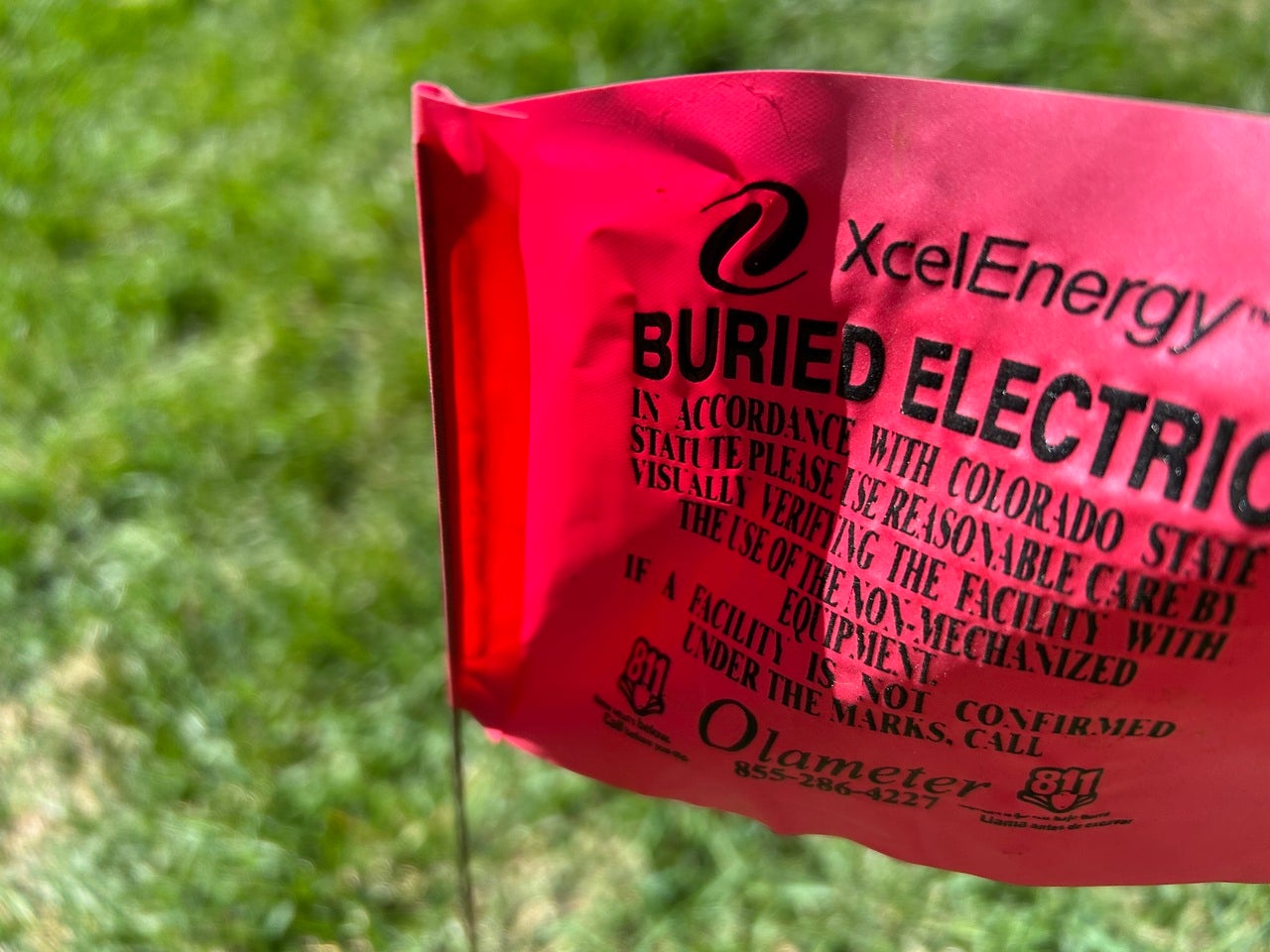
Xcel, though, is actively investing in undergrounding power lines (Figure 5) to improve reliability and wildfire safety. Robert Kenney, the utility’s president in Colorado, earlier this year said Xcel has plans to bury about 50 miles of distribution lines in high-risk Colorado areas over the next few years. That includes Boulder County, where memories are still fresh of the devastating Marshall Fire in late December 2021, which destroyed nearly 1,100 homes in the towns of Superior and Louisville, north of Denver and just south of Boulder.
The city of Boulder has completed several undergrounding projects after the Marshall Fire, and is working on several more. The Colorado Public Utilities Commission in August of last year approved Xcel’s 2025–2027 Wildfire Mitigation Plan, which the utility said would allow it to “expand the scope, pace, and scale of our wildfire mitigation work.” That includes work in and around Boulder.
Lisa Andersen, a spokesperson for Xcel, told POWER: “Xcel Energy uses undergrounding as one of several tools to strengthen the grid and reduce wildfire risk; however, factors such as cost, terrain, and permitting constraints are taken into account. In Colorado, there are approximately 19,000 distribution line miles underground, including about 4,000 distribution line miles in high-risk areas—this represents about 50% of our system in the state. We have far less transmission lines undergrounded due to several of the listed factors.”
Andersen added, “Our strategy currently focuses on targeted undergrounding in areas where it delivers the greatest benefit—such as locations with elevated wildfire risk or where reliability can be significantly improved. In Colorado, our Wildfire Mitigation Plan includes plans to underground about 50 miles of distribution line in high-risk areas, alongside other system hardening upgrades by the end of 2027. The cost of this work is estimated to be $80.3 million in capital expense, or $3.12 million per mile.
“Undergrounding can reduce wildfire risk and protect infrastructure from weather impacts, but it can be more complex to build and maintain,” said Andersen. “Projects require coordination with other utilities, extensive permitting, and must account for terrain, environmental protections, and existing underground infrastructure. For these reasons, Xcel Energy evaluates undergrounding on a case-by-case basis and balances it with other solutions—such as stronger poles and wires, covered conductors, and advanced grid technologies—to deliver the greatest reliability and safety benefits for customers at the lowest cost.”
Xcel also is replacing and upgrading an underground line running from central to southeast Denver. The project, underway since September 2025 and expected to be completed next year, involves replacing the six-mile-long 230-kV Leetsdale-Monroe-Elati underground transmission line. The line runs through an area that has experienced significant growth in recent years, which has increased electricity demand.
Legislative and Other Initiatives
Virginia lawmakers this year asked state utility commissioners to study the undergrounding of electrical transmission lines. Officials said the move was prompted by anticipated power demand from data centers; Virginia is a hotbed for U.S. data center development. Scenic America, in partnership with Scenic Virginia, advocated for the legislation as part of a broader effort to promote resilient, reliable, and visually responsible infrastructure.
“This study will help bring greater clarity to the long‑term value of undergrounding. When you account for reduced maintenance, fewer outages, and increased resilience, undergrounding often proves to be a smart investment,” said Feldman. “We commend the Commonwealth of Virginia for committing to evaluate these benefits in a rigorous, data‑driven way.”
New Jersey legislators also this year introduced a new bill that would require electric distribution lines to be placed underground in areas affected by severe weather or natural disasters. Proponents said the measure would improve electricity reliability and enhance safety. The legislation would mandate that state public utility officials establish standards for this underground installation wherever feasible, primarily in areas that have experienced, or would be prone to, severe weather or natural disasters. The measure defines “Major Catastrophic Events,” such as a severe storm, flood, or earthquake, that causes widespread power outages affecting at least 10% of electricity customers.
Arizona-based Tucson Electric Power (TEP) has outlined “Five Things to Know about Putting Power Lines Underground,” with the utility noting—as have other electricity providers—that cost is always part of the equation. TEP, in answer to a question about why it doesn’t bury all its lines underground, said, “The short answer is that it’s more expensive—much more, for higher-voltage lines—and doesn’t really improve reliability. While underground lines are protected against certain types of damage, they’re more vulnerable in other ways that can lead to longer outages.”
TEP on the company’s website noted, though, that, “Of the nearly 8,000 miles of lower-voltage distribution lines that deliver electricity to local homes and businesses, more than half—about 4,800 miles—are below ground. In most cases, the additional cost of underground installation was paid by developers or property owners to avoid increasing the costs passed along in rates to all TEP customers.” Of note, though, is that the utility said it does not put transmission lines underground. “All 2,200 miles of our higher-voltage lines are overhead because building them underground can dramatically increase costs. It can cost significantly more to install facilities underground, and that premium is even greater for higher-voltage projects.
“In part, that’s because transmission lines conduct energy flow at higher amperages than distribution cables,” wrote TEP. “Since underground lines can’t release heat the way overhead lines can, that excess heat must be managed to avoid overloads. This requires the use of higher-cost conductors and other insulating infrastructure. Higher costs also typically reflect greater civil engineering expenses, additional ground disturbance and additional labor.”
TEP wrote that “installing lines underground can more than double the cost of a distribution project and might increase the cost of a transmission line project by 10–20 times. Our latest study of TEP’s proposed Midtown Reliability Project, for example, indicates that overhead construction of this 138-kilovolt line would cost approximately $1.2 million per mile. Underground construction, though, would cost between $15.2 million and $26.7 million per mile. Both estimates reflect current costs and exclude the cost of necessary land rights.”
The TEP Midtown Reliability Project is a $22-million infrastructure initiative that was approved in 2024, with a goal of modernizing the power grid in Tucson by 2027. Mike Nitido, TEP’s director of Transmission and Distribution Planning and Business Operations, said the utility’s most recent five-year capital budget forecast calls for investing $3.45 billion through 2028 on new generation, and transmission and distribution system assets. “Our goal is to provide safe, reliable, and increasingly clean power, while also ensuring it remains affordable,” Nitido said. “It requires a constant balance.”
Evaluating Costs
Feldman of Scenic America told POWER, “It is a myth that undergrounding [of power lines] is up to 14 times higher” than installing traditional overhead lines. “The true cost differential [upfront cost] is two to three times higher, which has been shown with real programs like Dominion [Energy] and FPL [Florida Power and Light]. The 10-to-15 times higher figure is likely from an older study in which all lines were undergrounded, not strategic undergrounding. Economic analysis has shown that undergrounding costs break even if a [overhead] line is downed once in a 10-year period, and is economically favorable if downed more than once.”
Dominion said its Strategic Underground Program, launched in 2014, is designed to identify those overhead lines most prone to outages, and then work with property owners to move those lines underground. “Using a data-driven process, we continually analyze the performance of tap lines over a 10-year period. Those most prone to outages will be considered for placement underground,” the utility said. “Trees are the number one cause of power outages. Tap lines, the overhead wires that go into neighborhoods, typically sustain the most damage during storms and require the highest number of repairs.” The utility notes, “While outages may still occur, undergrounding the most frequently damaged power lines will increase the overall reliability of our distribution system.”
FPL’s Storm Secure Underground Program (SSUP), also initiated a few years ago, proactively replaces overhead neighborhood power lines with underground cables, which the utility said improves reliability against severe weather and reduces outages caused by vegetation. FPL said the program uses directional boring to minimize property damage, with projects selected based on historical, data-driven storm outages.
FPL said it has invested nearly $4 billion since 2006 to strengthen its grid; the utility said, “a significant portion of which is dedicated to undergrounding power lines to improve storm resilience. While total long-term undergrounding costs have been estimated at up to $35 billion, FPL has moved over 50% of its distribution system underground as of mid-2025.”
Feldman said there are many factors that make undergrounding feasible over time, including:
- Climate Resilience. “Undergrounding is essential in the face of a changing climate,” said Feldman. “More severe storms, larger wildfires, and more frequent hurricanes highlight the vulnerabilities of overhead lines.”
- Reduction in Vegetation Management Costs. “Undergrounding eliminates the need for extensive vegetation management, a practice that costs U.S. utilities $33 billion annually,” said Feldman. “Clearing vegetation around transmission lines can also create soil runoff, which can contribute to pollution and contamination when chemicals are used.”
- Reduced Maintenance Costs and Longer Lifespan. “Underground lines have significantly lower maintenance costs compared to overhead systems. Maintenance expenses are reduced by up to 80% due to fewer truck rolls,” said Feldman. “Modern technology has helped underground infrastructure last two to three times longer than overhead assets.”
- New Technology and Methodology. “Advances in technology and strategic planning have made undergrounding more feasible and cost-effective,” said Feldman. “Horizontal directional drilling, plasma boring technology, ground level distribution systems, and co-location on existing rights-of-way [ROWs] allow utilities to adapt to diverse conditions while reducing installation costs.”
“Additionally, there is a world of opportunity for transmission undergrounding cost-saving measures when highway and railroad ROWs are utilized,” said Feldman. “The Federal Highway Administration has found that co-locating utilities in the highway ROW is in the public interest and is permitted under federal regulations. ROW undergrounding solves logistical problems with transmission buildout such as avoiding the difficulty of building entirely new overhead corridors, enables the efficient delivery of energy to power electric vehicles, provides new revenue streams for transportation agencies, reduces environmental impact, reduces the need for lengthy and costly siting/rerouting studies, and curtails the risk of organized public opposition,” said Feldman.
Feldman also said utilities can lessen the cost of undergrounding with lower insurance premiums, and less exposure to liability. Feldman also noted the aesthetic value of putting transmission lines underground.
“Overhead wires create visual pollution that detracts from the intrinsic beauty of the landscape, which is critical to physical and mental health, and the impact is once again particularly profound in disadvantaged communities. People are drawn to live and work in places that are visually appealing, as these environments foster a sense of pride, well-being, and community connection,” said Feldman. “Undergrounding can enhance the visual landscape and create more desirable spaces for residents and businesses alike.”
—Darrell Proctor is a senior editor for POWER.