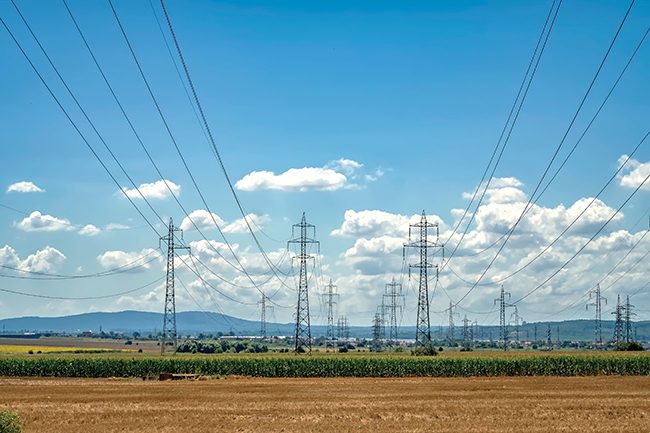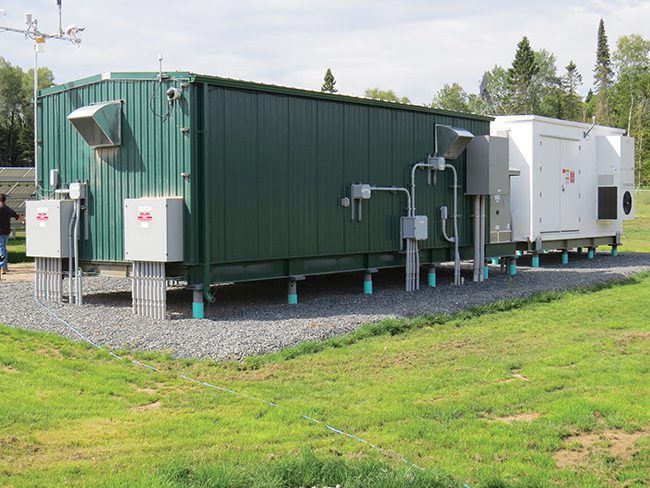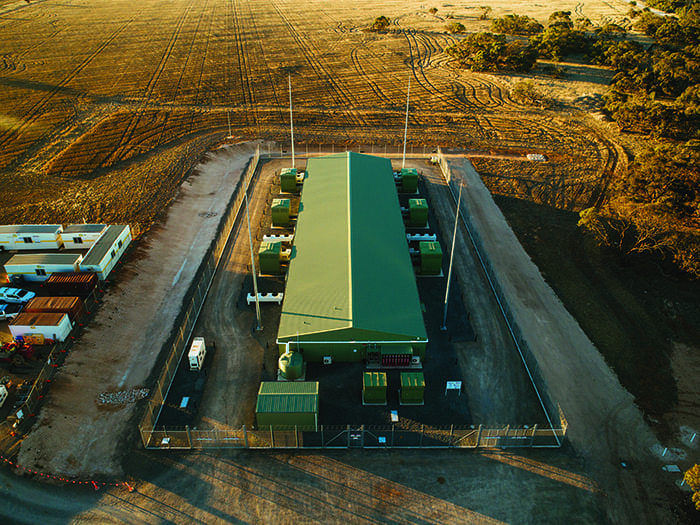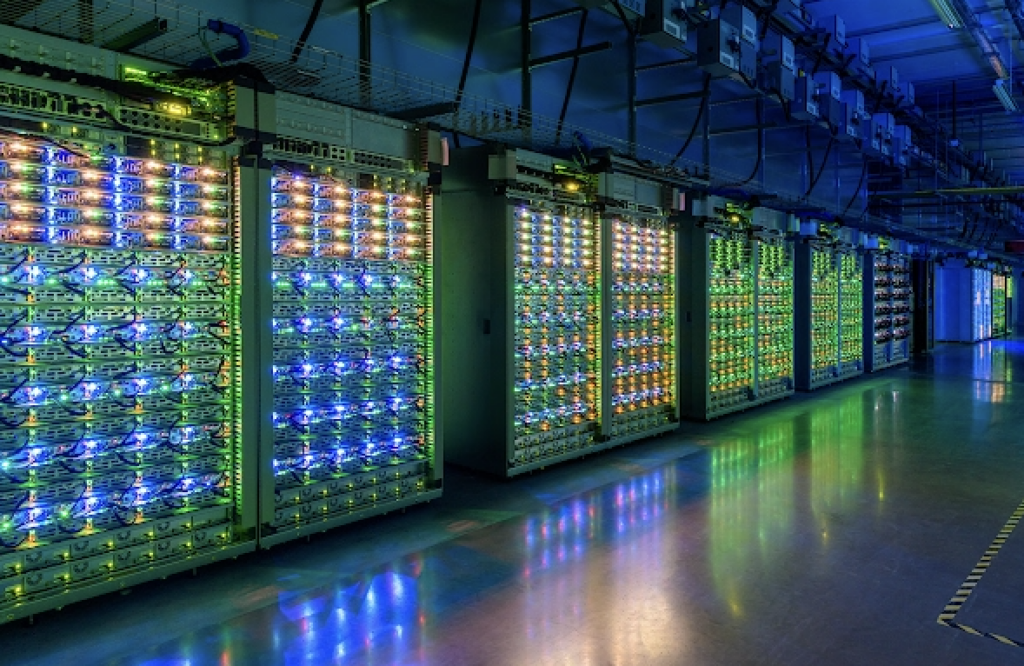
For much of the past decade, the climate and energy debate has been fixated on how electricity is generated: which technologies are cheapest on paper, how renewables can scale fastest, which breakthrough is next. That focus made sense when decarbonization was primarily about sourcing cleaner electrons. But today, that analysis is increasingly incomplete. The real constraint isn’t just where power comes from. It’s whether the grid itself can withstand unprecedented stress, scale, and compounding shocks.
Demand Is Rising Faster Than the Grid Can Adapt
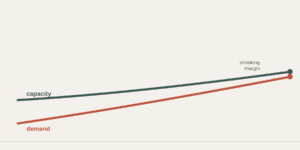
In 2025, U.S. grid operators warned that peak electricity demand rose by about 20 GW in a single year, while less than 10 GW of new net dependable capacity were added, shrinking the margin between demand and supply, and causing concerns about shortages during extreme weather.
At the same time, electricity use patterns are changing radically. Forecasts show U.S. electricity demand could grow by 25% by 2030 and nearly 80% by 2050, the largest expansion in decades, driven by electrification of transport, industry, and artificial intelligence (AI)–heavy data centers, even as the grid built over 117 years is being asked to double in scale in just 25 years.
Markets Are Already Pricing Grid Stress
This isn’t abstract engineering; it is market reality. Retail electricity rates in the U.S. have already climbed by more than 33% over the past decade, reflecting demand-supply imbalances, fuel price volatility, and infrastructure strain.
Grid reliability is already visibly under stress. In 2023, the U.S. logged the highest number of grid emergencies and energy-conservation alerts in over a decade, largely due to heat-driven demand and wildfire threats: conditions that climate scientists expect to intensify with warming. And regulators have repeatedly warned that aging infrastructure, extreme weather, and delays in connecting new resources are threatening stability throughout the extent of large regions of the country.
Why Traditional Energy Metrics Miss System Risk
The customary metrics of electricity economics (levelized cost of energy, marginal price curves, annual averages) don’t capture these stresses. A grid can look cheap and clean on paper, yet still fail in the real world. During crises, systems lean on expensive peaker plants, emergency procurement, or simple rolling blackouts that impose social and economic costs far higher than near-term market prices suggest.

In This Issue
Full issueThis is why “electrical grid resilience” (the system’s ability to withstand and recover from stress) has quietly become a core climate variable. In the U.S., there have been over 2,500 significant power outages since 2002, with nearly half attributed to severe weather alone. Those outages are not cosmetic; they erode economic productivity, interrupt critical services, and reshape investment risk.
From Cheap Power to Durable Systems
If resilience is central, then the question shifts. It becomes less about which fuel is cheapest and more about which infrastructure makes the entire system less brittle. A durable grid isn’t just low-carbon. It must be stable, predictable, and able to respond to simultaneous stressors such as heat waves, rapid load growth, and fuel supply disruptions.
Nuclear as Grid Infrastructure, Not a Silver Bullet
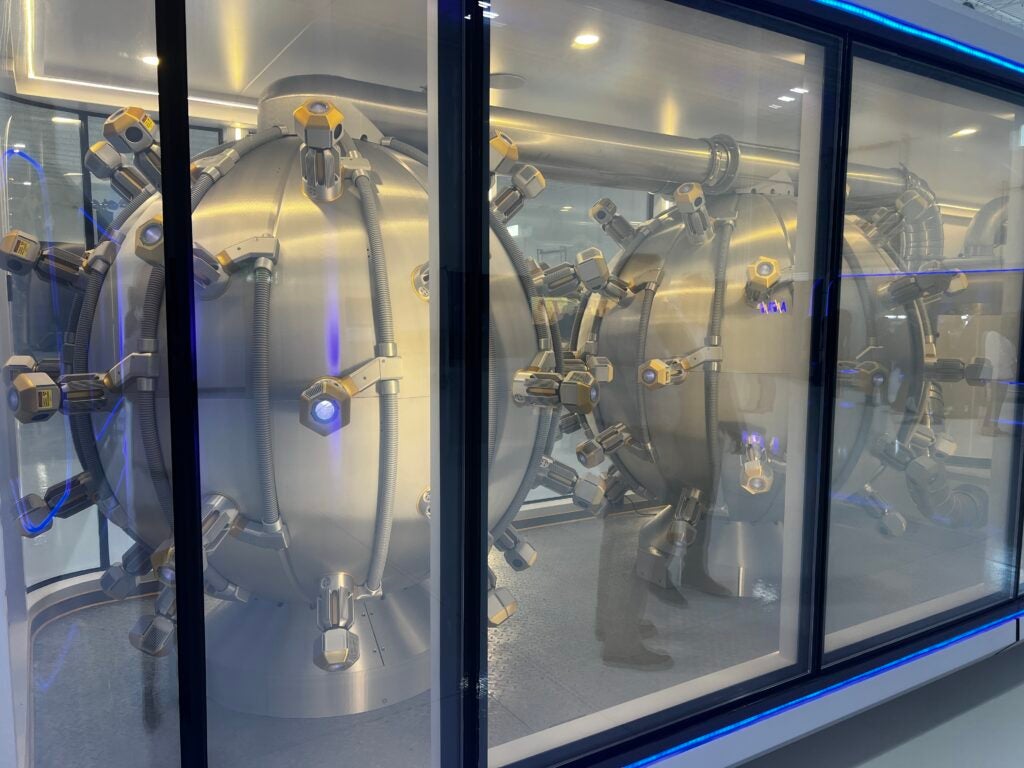
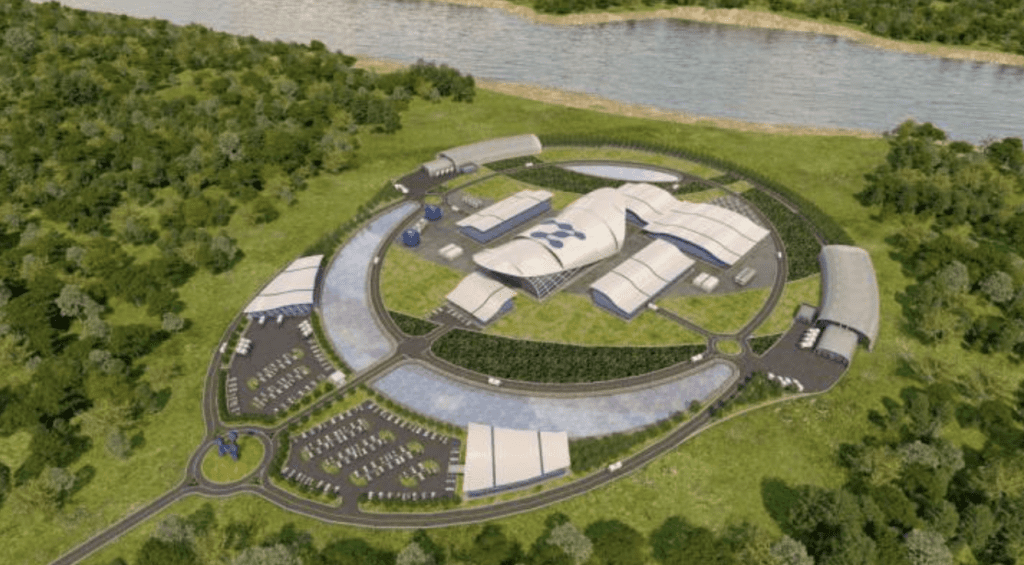
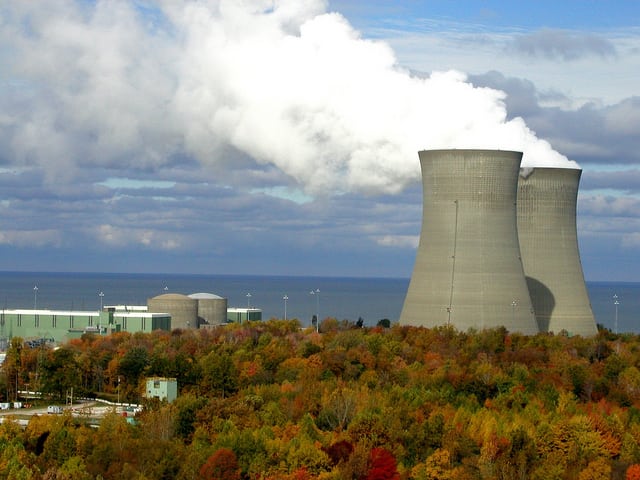
In this context, nuclear energy’s role merits attention not because it is a cost outlier (economists rightly caution against simplistic claims on future prices) but because it provides firm, predictable power over long time horizons. Nuclear plants operate around the clock, are relatively insensitive to weather variability, and, once built, have a very high capacity factor compared with intermittent sources. In markets where electricity must be balanced second-by-second, that predictability isn’t a luxury: it’s a stabilizing asset.
Empirical studies have shown that portfolios including firm capacity, such as nuclear, can dampen price volatility in energy markets, acting as a hedge against unexpected movements in fossil fuel and emissions prices. That matters when volatile markets, extreme conditions, and policy uncertainty collide.
The discussion about nuclear often gets trapped in ideological camps (pro or anti) or distracted by uncertain cost claims. But from a grid-centric perspective, the most salient question isn’t whether nuclear is the cheapest technology, but whether its presence reduces system fragility as well as the need for emergency interventions that degrade both reliability and emissions goals.
Variable Generation Raises the Stakes for the Grid
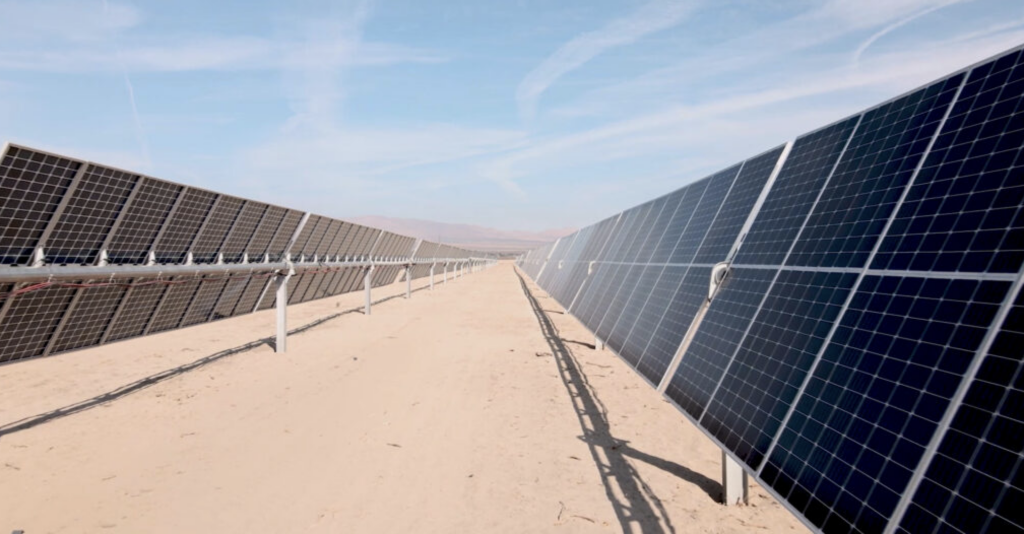
Wind and solar have rapidly become indispensable to decarbonization, supplying ever-greater shares of generation (for example, wind alone represented more than 10% of U.S. electricity generation in recent years). But variable renewables introduce a further layer of complexity: they deepen midday net demand curves and increase the need for flexible, dispatchable capacity.
Engineering for Reality
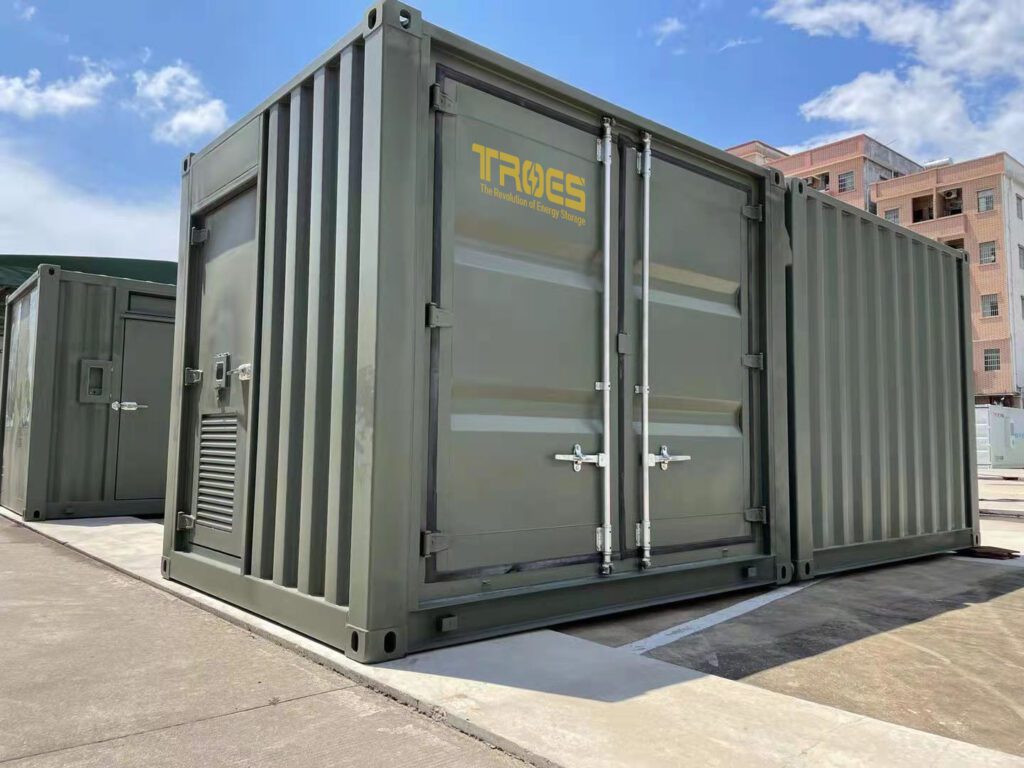
Designing systems around variability (not ignoring it) is the engineering problem of the next decade. It requires prioritizing transmission investment, storage where appropriate, and firm capacity that absorbs stress without imposing secondary failures.
Failing to do so risks a future in which decarbonization narratives outpace system performance, where planners celebrate impressive annual emissions reductions while grids face repeated crisis episodes. A grid that works (not just under perfect conditions but in the real world of heat waves, load surges, and uncertain fuel markets) is critical infrastructure in the climate era.
The climate transition will not be won within spreadsheets alone. It will be won by systems that survive stress and by infrastructure choices that don’t just lower averages but prevent extremes. Recognizing this reality isn’t pessimism—it’s engineering with integrity.
—Leslie Dewan, PhD is a nuclear engineer and CEO of Neutronic Designs.