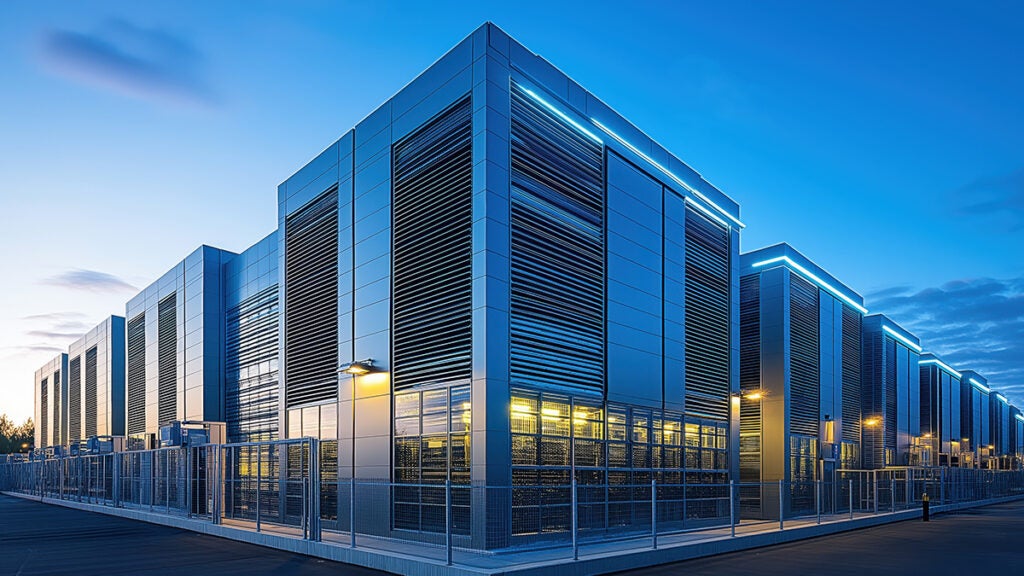
As data centers scale to support artificial intelligence (AI) acceleration, cloud expansion and ultra-dense compute environments, the power requirements have dramatically increased, putting intense strain not only on the grid, but also on contractors who must meet those demands. To illustrate just how rapidly this demand is growing, a 2024 report from the U.S. Department of Energy projects that data center power consumption could more than triple in just 10 years—from 1.9% of total U.S. electricity in 2018, to just under 7% (or more) by 2028.
COMMENTARY
With many hyperscale data centers requiring hundreds of megawatts of reliable, uninterrupted power, contractors often find themselves stuck between a rock and a hard place. On the one hand, they need to find a way to deliver sufficient power to the data center. But they may also be dealing with an insufficiently modernized grid that struggles to balance those demands with existing residential and industrial power demand as well.
Organizations need more than component-level fixes. They need a forward-looking roadmap with specific plans for achieving reliable, scalable power delivery through strengthened planning processes, improved cross-stakeholder coordination, the adoption of more resilient electrical design and infrastructure, and integrated construction services partners to streamline deployment and reduce risk. Let’s dive into the high impact approaches that help owners, developers and electrical professionals anticipate, align and meet rapidly increasing power demand.
Innovative Strategies for Power Delivery
Utilities’ long-term capacity expansion plans are being outpaced by data center requirements, forcing data center developers and contractors to seek power from new locations or develop alternative energy solutions. Some of the innovative strategies being employed for reliable power delivery include:
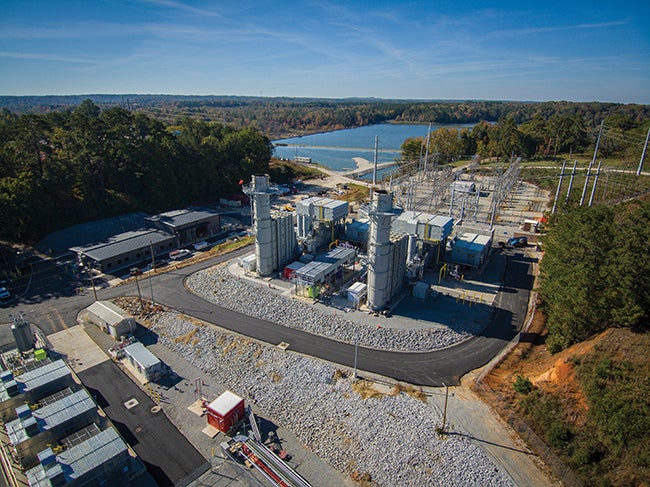
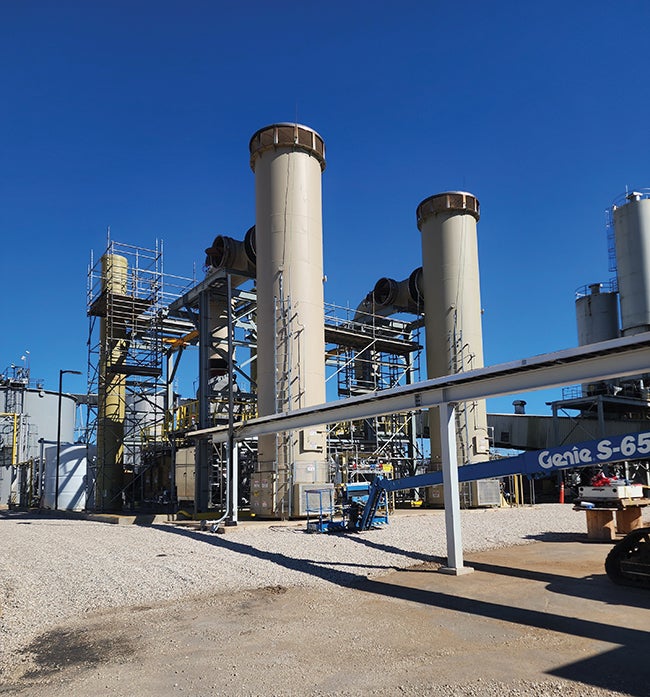
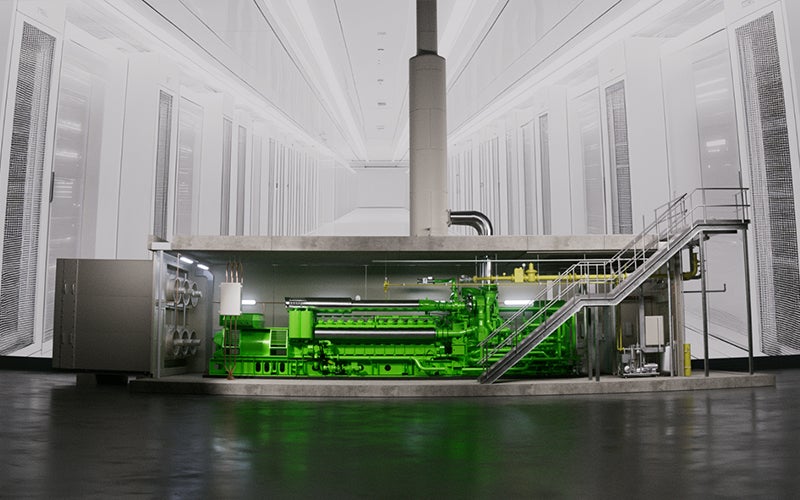
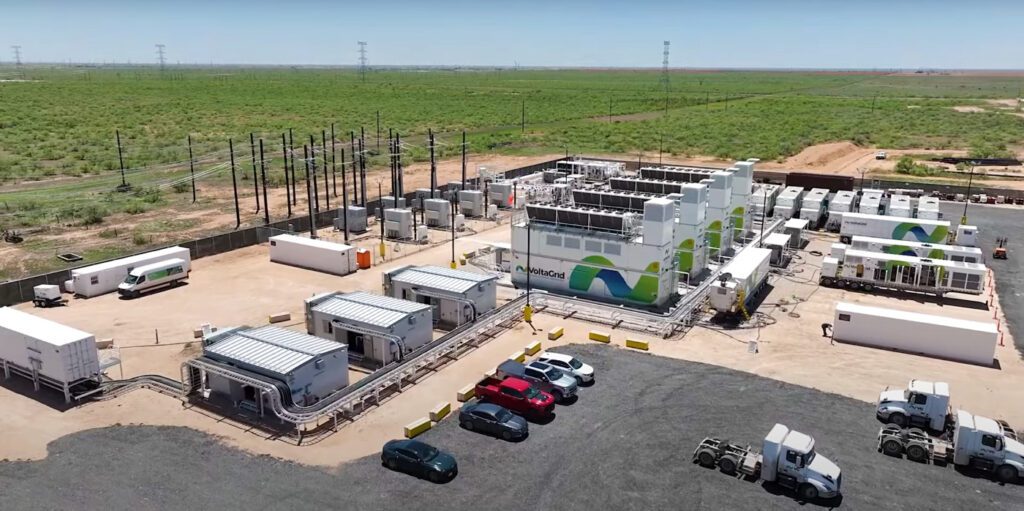
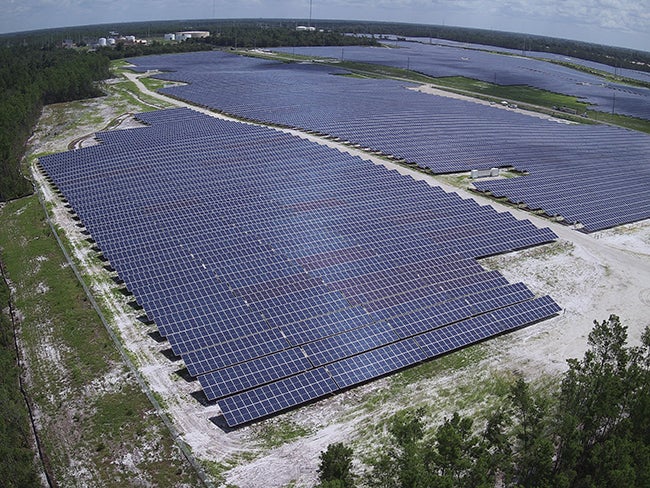
Behind-the-Meter Generation: Given that regulatory approvals for grid connections can take time, prioritizing behind-the-meter solutions that enable power generation and storage onsite is becoming a popular strategy. Data centers are increasingly partnering with energy companies to build on-site power generation using liquid natural gas turbines, solar power generation and battery energy storage solutions (BESS) to ensure sufficient power continuity even with aggressive build timelines.
Leveraging Modular and Standardized Designs: Customized power generation solutions can take more time to design, build and install. Where possible, utilizing modular or standardized solutions – such as eHouses or power distribution centers (PDCs) – can allow for faster project cycles, economies of scale, and the ability to replicate successful designs across multiple projects or sites.
Future-Proofing Infrastructure: As important as it is to get creative to meet short-term, immediate power needs, it is also important to think ahead to future-proof infrastructure so that as data center loads and requirements change, the infrastructure can adapt and the need for major upgrades is minimized as technology evolves.
Last-Mile Conversion: This is the architectural separation between upstream power protection and downstream distribution—protecting power once, at scale, while distributing it flexibly as needs evolve. An uninterruptible power supply (UPS) system enables this by creating a secured energy foundation upstream. Modern modular UPS architectures—whether at medium voltage or low voltage levels—serve as the demarcation between committed infrastructure (the “grey space”) and adaptive distribution (the “white space”). This allows operators to design their core protection infrastructure today, then reconfigure downstream conversion options tomorrow—whether that means shifting power densities, changing AC amperages or transitioning to emerging DC standards.
Infrastructure that allows for easy last-mile conversion enables data centers to upgrade or change load types with minimal disruption to core systems, supporting long-term investment protection. Rather than betting on a single future, operators build flexibility into the conversion layer itself—the point where standardized, protected power can route into multiple distribution formats without redesigning the entire backbone. In an era of unpredictable tenant requirements and evolving power standards, this is the difference between infrastructure that becomes obsolete and infrastructure that simply adapts.
Ensuring a Stable and Flexible Power Infrastructure
A key to meeting data center power needs is incorporating a stable, uninterruptible power supply (UPS) that keeps operations going even when the main power source goes down. By incorporating battery energy storage systems (BESS) modern UPS systems can also act as bidirectional energy resources, storing excess energy when it’s not needed, and supplying it when necessary. This contributes to overall system flexibility and resilience, which is increasingly important as data centers seek to optimize power usage and reliability. These solutions enable data centers to build for volatility, allowing for flexible adaptation to changing data center load profiles without major infrastructure changes.
The Importance of a Strong Partner Ecosystem for Successful Project Execution
Managing multiple vendors and complex supply chains can be an administrative headache for many contractors and data center developers, making industry partnerships essential for success. Not surprisingly, a strong partnership between suppliers, distributors, and customers is key to managing complexity, mitigate risk, and ensuring successful project execution. But when it comes to ensuring adequate power generation, the value of bringing trusted partners in early cannot be understated.
Historically, data center developers worried more about getting enough chips, servers and other IT equipment—getting enough power was almost guaranteed. Now those concerns have essentially swapped places with major financial ramifications. Even if the data center build is complete, every second the facility isn’t powered means the organization is losing money. Unexpected supply chain challenges, product availability issues and skilled labor shortages can cause significant roadblocks. Engaging with partners early can go a long way to helping prevent those challenges and creating workaround solutions if and when they occur.
Five years ago, we could have never imagined the power demand that AI workloads would necessitate. As we look out at the horizon, it’s hard to know how these needs will accelerate in the next five years. Ensuring power continuity, fostering strong industry partnerships to manage complexity and relying on creative power delivery strategies provides a solid foundation for data center development strategy that’s built to last.
—David Speidelsbach is vice president, Sales and Strategic Initiatives—Electrical and Electronic Solutions for Wesco. Jorge Lis is Global Segment Leader, Data Centers, Electrification Business, at ABB.