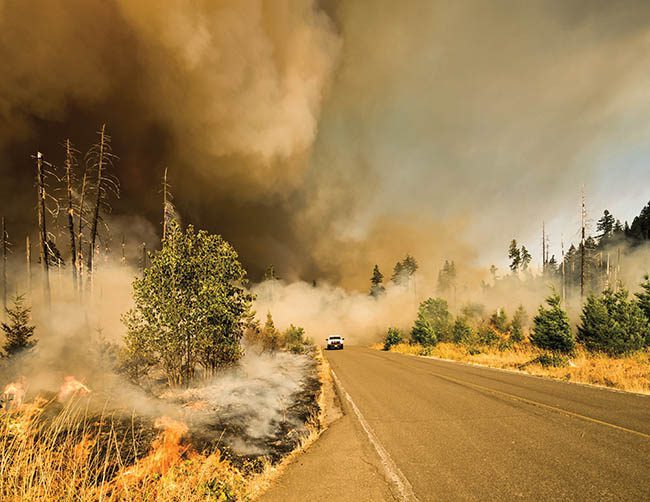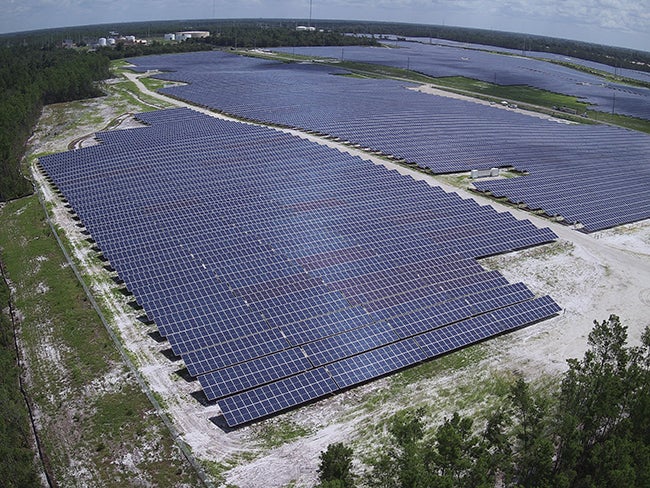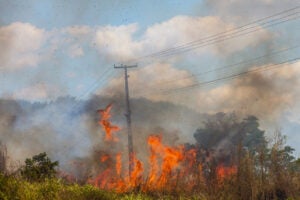
Wildfires are no longer isolated disasters limited to the western United States—they are a growing threat to communities, infrastructure, and electric grid reliability nationwide. For the 42 million Americans served by electric cooperatives, the risk is especially acute. Co-ops power more than half the nation’s landmass, primarily in rural areas where wildfire danger is highest and resources are often limited.
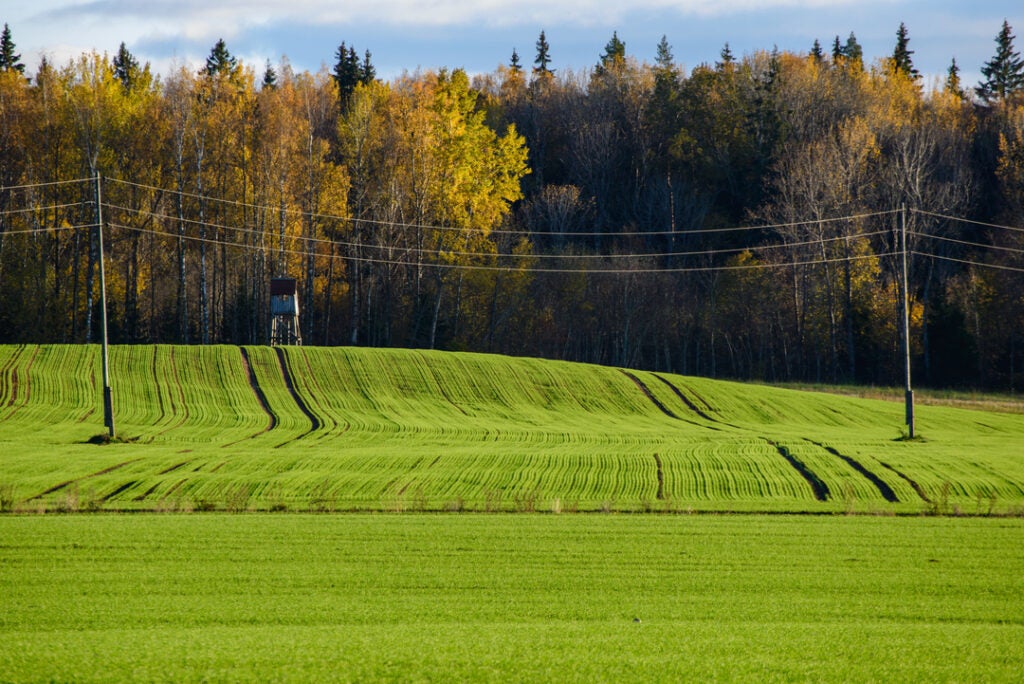
Electric cooperatives are on the front lines of wildfire risk reduction, response, and recovery. They operate tens of thousands of miles of power lines across forests, grasslands, and federally managed lands increasingly vulnerable to hotter, drier conditions and longer fire seasons. What was once a regional challenge has become a year-round operational reality for much of the United States.
Electric cooperatives are meeting this challenge. Policymakers must do the same.
Cooperatives Are Already on the Front Lines
Across the country, co-ops are investing in proactive wildfire mitigation strategies. They are expanding vegetation management programs, removing hazardous trees, and reducing fuel loads that can turn small ignitions into catastrophic fires. They are strengthening infrastructure with more resilient materials and upgrading systems to improve fault detection and speed response when risks emerge.
These efforts reflect the fundamental mission of electric cooperatives: delivering safe, reliable, and affordable power while putting communities first. Because co-ops are locally owned and governed, wildfire mitigation is not just a regulatory obligation—it is a direct responsibility to the people they serve.
Outdated Federal Rules Stand in the Way
But even as co-ops take decisive action, outdated federal policies are slowing progress at the worst possible time.
In This Issue
Full issueCooperatives serve more federally managed public lands, national parks, and forests than any other type of electric utility. Routine maintenance and hazard removal on those lands are often subject to lengthy environmental reviews and bureaucratic delays. It can take months, or even years, to receive approval to replace a pole or remove a hazardous tree. Communities do not have that kind of time as wildfire risks continue to escalate.
In some cases, federal law limits the removal of hazardous trees to just 10 feet from power lines—an inadequate buffer that leaves critical infrastructure exposed. The result is a dangerous mismatch between the threat and the tools available to address it.
At the same time, electric cooperatives face unique financial constraints. As not-for-profit utilities, they operate on thin margins and have limited ability to absorb rising wildfire mitigation and recovery costs. Without policy changes, those costs ultimately fall on the communities co-ops are working to protect. This is why Congress must act now.
A Practical Fix Is Within Reach
The Fix Our Forests Act offers a practical solution to align federal policy with realities on the ground. Authored by House Natural Resources Committee Chairman Bruce Westerman, R-Ark., and passed by the House with overwhelming bipartisan support, the bill would modernize forest management, reduce wildfire risk, and give electric cooperatives the tools they need to better protect infrastructure and communities.
The bill would expand vegetation management authority, allowing co-ops to remove hazardous trees up to 150 feet from power lines instead of the current 10-foot limit. This change would reduce the risk of falling trees igniting fires and improve grid reliability.
In addition, the bill would streamline federal permitting by expanding categorical exclusions for low-impact projects. That means faster approvals for routine maintenance, system upgrades, hazard removal, and damage repairs—enabling co-ops to act quickly before conditions escalate.
The legislation would also eliminate outdated timber sale requirements that delay the removal of felled trees from utility corridors. By allowing faster cleanup, the bill would reduce fuel loads and lower wildfire risk in some of the most vulnerable areas.
Together, these reforms would improve wildfire mitigation while strengthening grid resilience and reliability at a time of growing demand and increasing risk.
The Time to Act Is Now
The urgency is clear. Wildfires are becoming more frequent and severe, threatening lives, homes, and critical infrastructure across the country. At the same time, electricity demand is soaring, placing additional strain on a grid that must remain reliable and resilient.
Electric cooperatives are doing their part. They are investing in prevention, innovating to reduce risk, and working every day to safeguard the communities they serve. But they cannot do it alone—especially when outdated federal policies stand in the way of urgently needed solutions.
Passing the Fix Our Forests Act would remove those barriers. It would empower electric cooperatives to act more quickly, effectively, and safely in the face of a growing wildfire threat. At a time when the risks are rising and the stakes are higher than ever, that is not just good policy—it is essential to the safety and well-being of rural communities.
—Jim Matheson is CEO of the National Rural Electric Cooperative Association, representing nearly 900 not-for-profit, consumer-owned electric cooperatives. He previously served seven terms as a U.S. representative from Utah.