Deployable Energy’s Unity demonstration reactor has achieved criticality at Idaho National Laboratory (INL), making it the third Department of Energy (DOE)–authorized advanced reactor to reach the milestone ahead of the July 4 deadline set under President Trump’s May 2025 nuclear executive order.
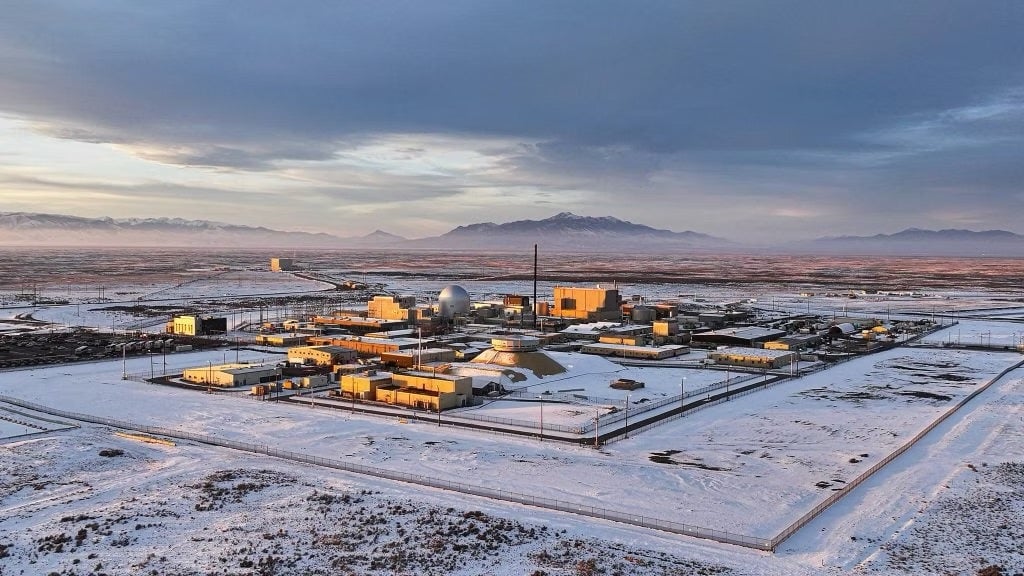
The U.S. DOE on July 1 said Deployable Energy’s Unity reactor completed a zero-power fueled criticality demonstration late June 30 at INL as part of the Nuclear Energy Launch Pad initiative, which is managed by the National Reactor Innovation Center (NRIC) at INL.
Unity follows Antares Nuclear’s Mark-0 reactor, a sodium heat-pipe-cooled microreactor fueled with high-assay low-enriched uranium (HALEU) tri-structural isotropic (TRISO) fuel, which reached criticality at INL on June 4, and Valar Atomics’ Ward 250 reactor, a TRISO-fueled modular high-temperature gas reactor (HTGR) using helium coolant, which reached criticality at the Utah San Rafael Energy Lab in Emery County and began power ascension on June 18.
Criticality is the point at which a nuclear fission chain reaction becomes self-sustaining. Zero-power criticality is a low-power physics demonstration in which the core reaches a controlled, self-sustaining chain reaction without producing meaningful thermal output or electricity. Unity achieved criticality “safely and as planned following a comprehensive testing and startup program conducted in collaboration with Idaho National Laboratory and under applicable regulatory requirements,” Deployable said on Wednesday.
According to the DOE, the milestone marks the agency’s “fulfillment of a precedent-setting directive to reignite nuclear energy innovation in the U.S.” under Executive Order (EO) 14301. The May 2025 order directed the DOE to first, expedite qualified test reactors at DOE-owned or DOE-controlled facilities; and second, establish “a pilot program for reactor construction and operation outside the National Laboratories” under DOE’s authority, with a goal of approving at least three reactors to reach criticality by July 4, 2026.
On Wednesday, the DOE said the three milestones make the U.S. “the first country in history to achieve criticality in three unique advanced microreactor designs in a single month.”
Unity’s Bet: CANDU-Like Geometry Without CANDU Supply-Chain Burden
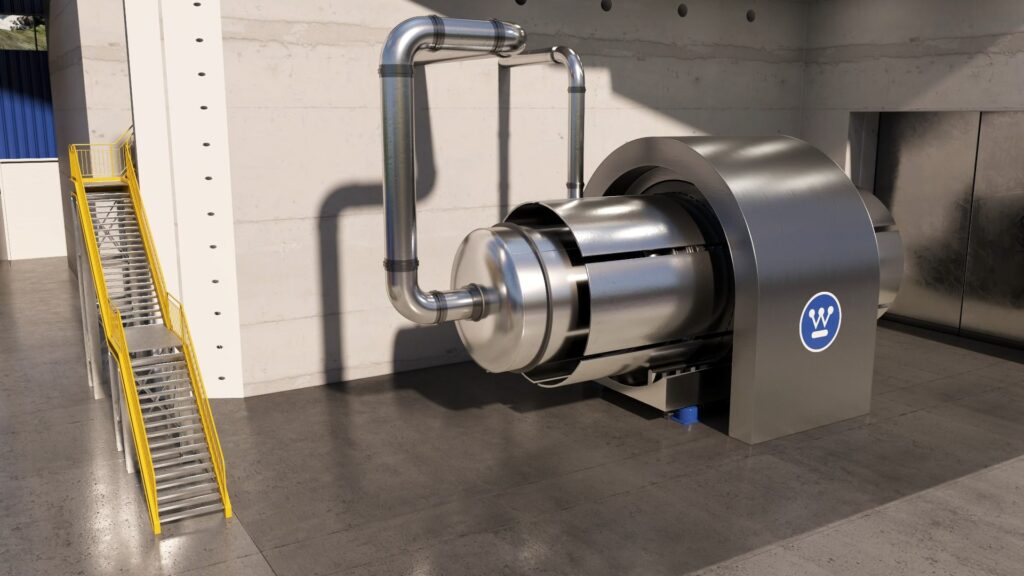
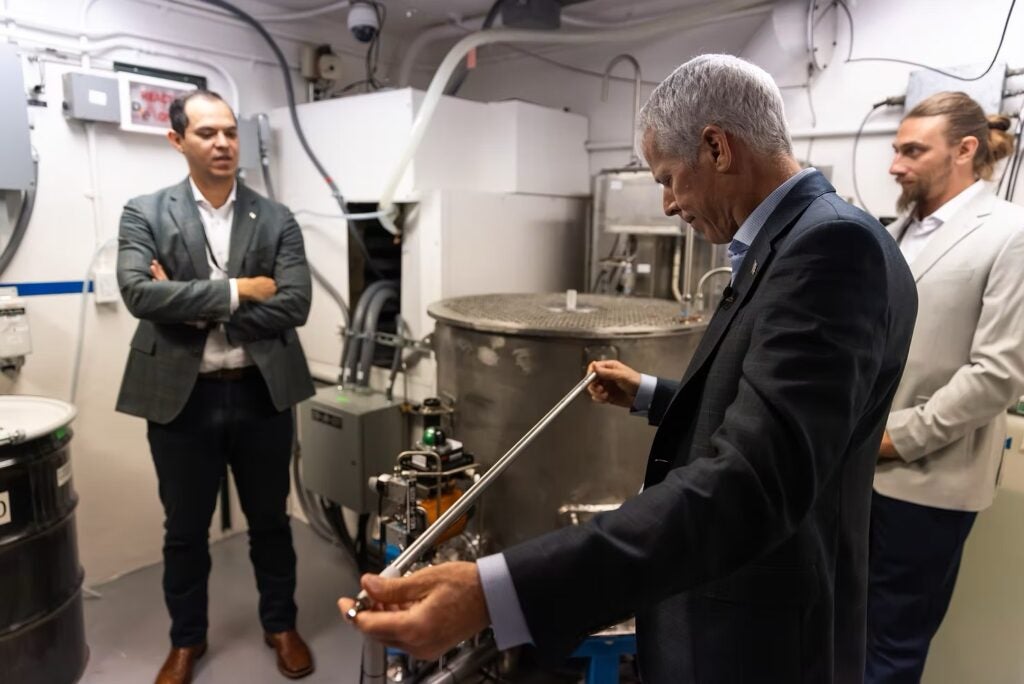
Houston-based Deployable Energy is developing Unity as a 1-MWe-class microreactor platform for behind-the-meter power applications, including national security facilities, data centers, maritime uses, remote industrial sites, and process heat. During a tour hosted by INL on June 24, company officials described Unity as a water-moderated, gas-cooled microreactor that uses 4.95% enriched low-enriched uranium (LEU) uranium dioxide (UO₂) fuel, helium coolant, and commercially available materials rather than high-assay low-enriched uranium, graphite moderation, heat pipes, or more specialized advanced-reactor supply chains.
The test reactor at INL uses a calandria-style water-moderated geometry, but as Sanjay Mukhi, Deployable’s co-founder and chief commercial officer, told POWER, the design is separate and does not depend on CANDU intellectual property. Company officials described the test reactor more broadly as a combination of light-water reactor (LWR), HTGR, and calandria design features. Water provides moderation, helium removes heat, and standard LEU UO₂ fuel keeps the system closer to existing commercial fuel infrastructure, they explained.
While an earlier Deployable concept looked more like a conventional advanced microreactor—HALEU-fueled, graphite-moderated, and heat-pipe-based—Mukhi said Deployable concluded it would be too expensive and too constrained by fuel and supply chain availability. Mukhi summarized the design philosophy this way: “Let’s use what’s readily available,” he said. “Let’s not use exotic materials, let’s not use things that are hard to fabricate. Let’s use what we can easily get our hands on.” The challenge was to preserve safety and performance while using commercially available materials and fabrication routes, he added.
A 150-Day Delivery
Deployable, one of four selections under the Nuclear Launch Pad initiative unveiled in April 2026, began working with INL at the start of the year and moved from project kickoff to a delivered reactor, delivered fuel, and readiness for criticality in a stunning period of roughly 150 days, with a “single-digit million” dollar investment, as CEO and co-founder Bobby Gallagher said in a video released after the criticality milestone.
The schedule was part of the demonstration, Gallagher noted on Wednesday. “What makes Deployable’s story so remarkable is how we have achieved this milestone. It is the speed of execution,” he said, noting that the company’s rapid progress rested on three pillars: its technology architecture, which uses existing materials and low-enriched uranium alongside mass-manufacturable processes; supply chain availability, underpinned by “phenomenal partnerships” across vendors and national labs; and a deeply experienced team drawn from the research, commercial, and naval reactor worlds.
Gallagher also noted that the INL campaign was supported by more than 100 highly experienced INL staff, the U.S. DOE’s Office of Nuclear Energy, and “champions” such as DOE Deputy Assistant Secretary for Nuclear Reactors Dr. Rian Bahran and Bob Boston, DOE manager of the Idaho Operations Office. It was also “witnessed” by the Nuclear Regulatory Commission (NRC). The rapid deployment will inform Deployable’s commercial ambition, which is to deliver systems to customer sites and achieve “speed to power in less than six months,” he noted.
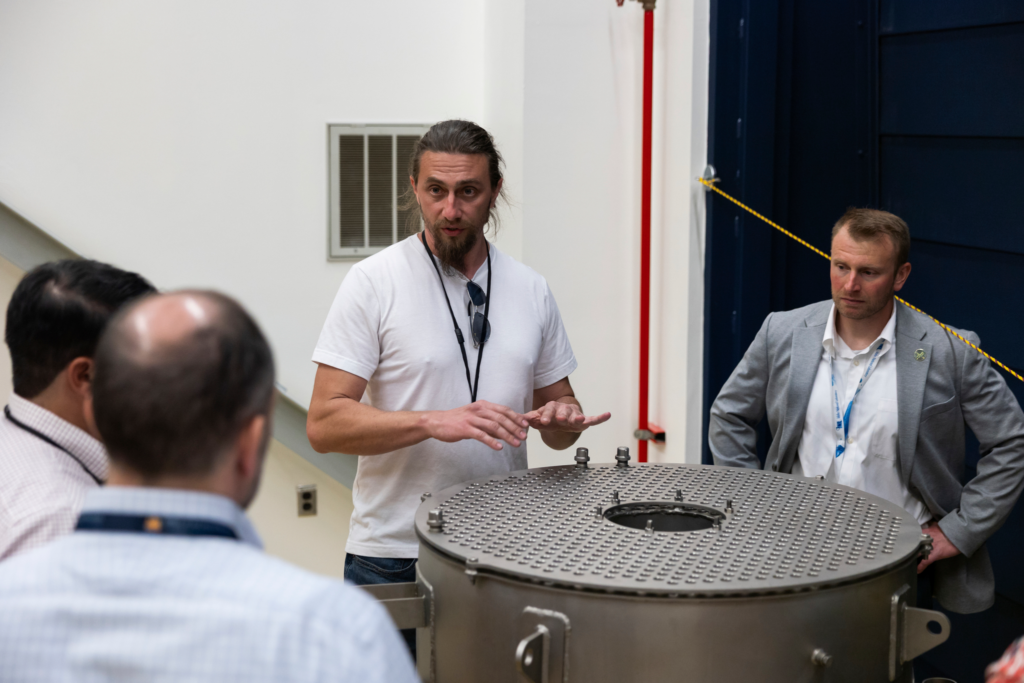
As Lance Maul, Deployable’s co‑founder and chief operating officer, explained during the June 24 tour, Unity’s path to criticality centered on an incremental fuel‑loading campaign. Rather than jumping straight to the full configuration, the team increased reactivity in small steps, measured the response at each stage, and repeatedly returned the system to a comfortably subcritical state before proceeding.
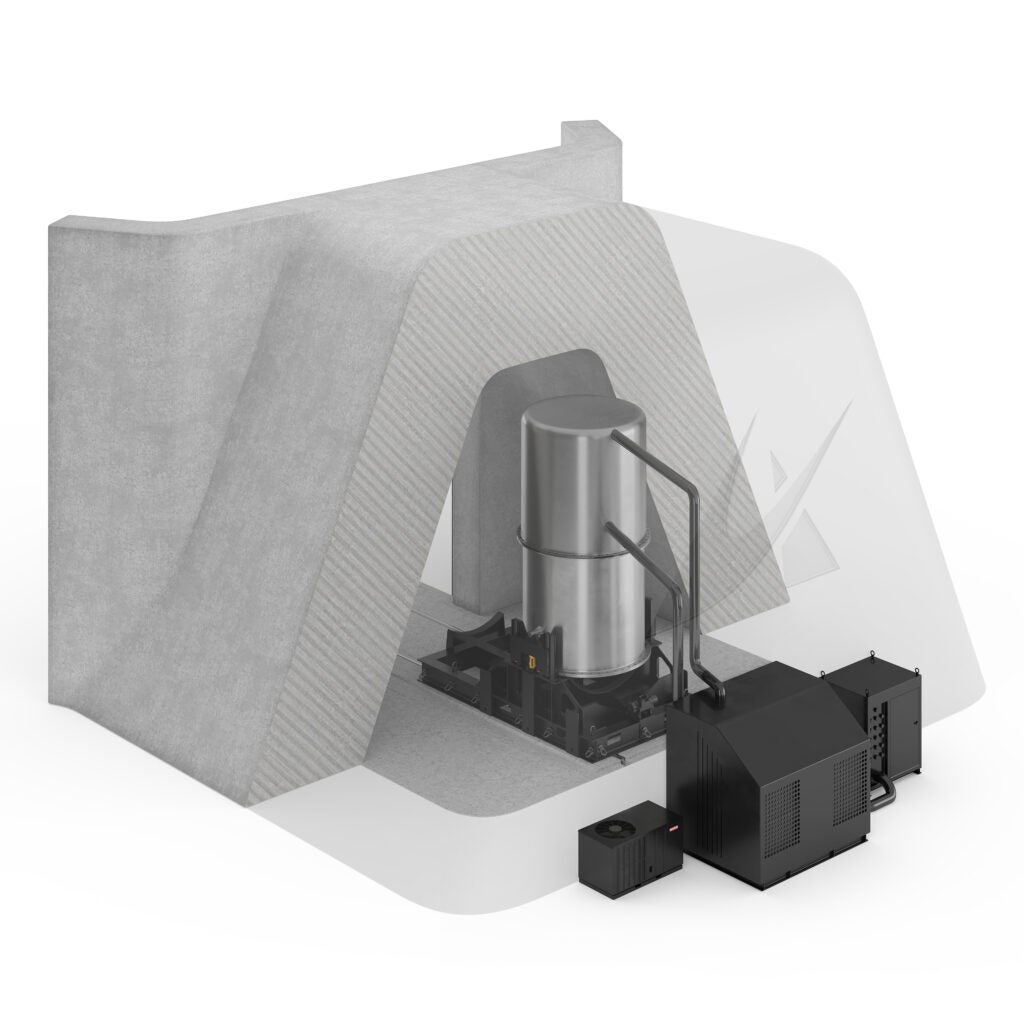
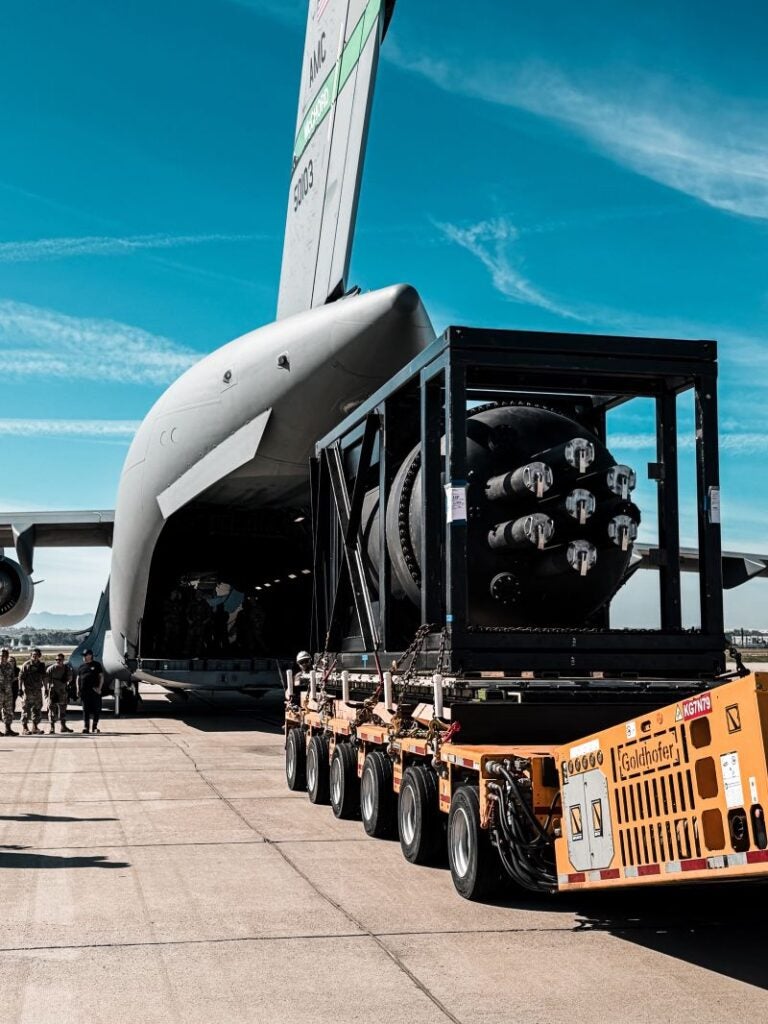
INL’s existing infrastructure was also central to the rapid schedule. Mukhi said Unity’s small size allowed the team to use an existing facility rather than build a new test structure, noting that INL personnel told the company the reactor could “fit through the doorway.” The test was installed in an existing neutron radiography space at INL’s North Beam Station, where thick shielding, removable shield plugs, and a deep floor pit were already available. The setup is approximately one-to-one in core size with the company’s intended commercial configuration, Mukhi said.
Deployable’s Next Steps Target a Commercial Pathway
For Deployable, the successful achievement of criticality for the Unity demonstration reactor now “marks the beginning of the next phase of testing and demonstration as Deployable Energy advances toward commercial deployment.” Gallagher on Wednesday noted the company wants to move from the Unity test toward commercial reactors by 2028 and ultimately serve U.S. energy needs “from megawatt deployments to gigawatt deployments.”
As POWER reported when DOE named the first Launch Pad developers, Deployable is developing the Unity Nuclear Battery (UNB) as a 1-MWe gas-cooled microreactor with an actively cooled helium primary loop and standard LEU UO₂ fuel, engineered for factory manufacture and shipment in a standard 20-foot container for remote, distributed, maritime, and defense applications. Mukhi told POWER the company operates a 340,000-square-foot manufacturing facility on a 58-acre site in Houston with truck access, a rail spur, and machine, fabrication, paint, and blast shops, and said the facility is intended to support high-volume production of Unity units.
At the same time, because the NRC has been observing the DOE authorization process, Deployable expects to use the test results and processes in future licensing cases, Mukhi said. Deployable has said it has been engaged in NRC pre-application activities since October 2025 and has outlined a strategy that begins with a 10 CFR Part 50 Class 103 non-power production and utilization facility, and potentially leverages the NRC’s newly proposed Part 57 framework for rapid, high-volume deployment of microreactors with comparable risk profiles.
A Critical First for the Nuclear Energy Launch Pad
Deployable’s criticality experiment milestone marks the first completed under the Nuclear Energy Launch Pad, which the DOE launched in March 2026 to complement NRIC’s test beds and to succeed two shorter-lived DOE programs, the Reactor Pilot Program, launched in June 2025, and the Fuel Line Pilot Program, launched in July 2025.
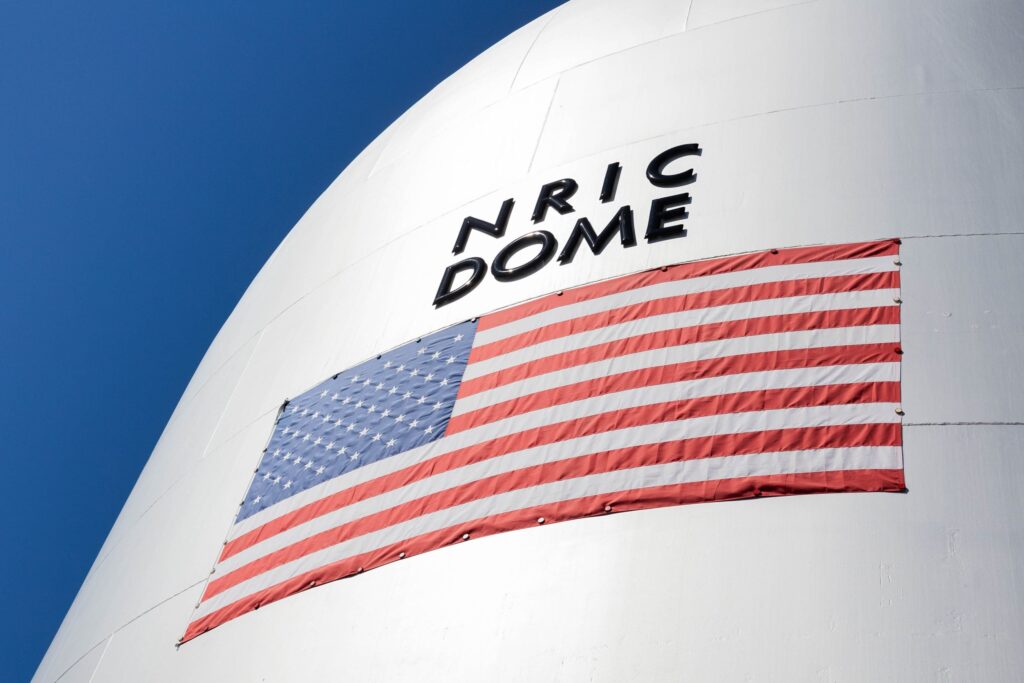
As POWER has reported, the Nuclear Energy Launch Pad program was created to provide a “broader, more flexible deployment pathway” for reactors, fuel-cycle projects, and supporting nuclear infrastructure on federal and non-federal lands. The Launch Pad initiative, notably, has two prongs: Launch Pad INL, which offers access to roughly 2,000 acres at INL, and Launch Pad USA, which can support projects at other DOE sites, national laboratories, and non-federal locations. DOE opened Launch Pad and the DOME test bed to applicants in June 2026, setting an initial July 8 submission deadline and later periodic reviews, while making clear that participants would bear project costs, including design, construction, operation, decommissioning, DOE authorization, and lab engagement expenses.
Significantly, however, Executive Order (EO) 14301, signed May 23, 2025, directed DOE to expedite qualified test reactors at DOE-owned or DOE-controlled facilities and separately establish “a pilot program for reactor construction and operation outside the National Laboratories” with a goal of approving at least three reactors to reach criticality by July 4, 2026.
Under the Reactor Pilot Program, the DOE accepted 11 projects from 10 companies: Aalo Atomics, Antares Nuclear, Atomic Alchemy, Deep Fission, Last Energy, Natura Resources LLC, Oklo (selected for two projects), Radiant Industries, Terrestrial Energy, and Valar Atomics. Of those, Antares and Valar have achieved criticality so far, but Antares is based at INL, and Valar achieved criticality at the Utah San Rafael Energy Lab in Emery County, outside the national laboratory system.
This week, “in a matter of days,” as company officials told POWER, and before the July 4 deadline, Aalo Atomics is poised to achieve criticality at its Critical Test Reactor (CTR), dubbed “Project First Light”, at its two-acre INL site. On June 25, at the DOE’s “Golden Era of Nuclear Power” event at INL, Energy Secretary Chris Wright signed an authorization for Aalo Atomics’ test reactor.
As Aalo CEO and co-founder Matt Loszak revealed during the June 24 tour, the sodium-cooled, graphite-moderated, LEU UO₂-fueled thermal-spectrum test reactor was built in 36 days after site work began and then outfitted with modules fabricated at Aalo’s Austin factory and shipped to Idaho on standard highways. The test reactor is full-scale in geometry, fuel quantity, graphite inventory, and control-rod mechanisms, but it excludes sodium coolant for the initial criticality campaign. Aalo officials said that staging lets the company separately validate the nuclear fuel and control systems in the CTR while testing sodium at full scale in the adjacent Aalo Zero non-nuclear prototype.
On Wednesday, meanwhile, Oklo said the DOE had approved the Documented Safety Analysis (DSA) for Oklo Isotopes’ (formerly known as Atomic Alchemy) Groves Isotope Test Reactor in Texas. The measure moves the private-land project into DOE’s final pre-startup review process under the Reactor Pilot Program. Oklo said it is targeting first criticality for Groves in July 2026, but the milestone may be delayed past the July 4 deadline.
Groves is distinct from Oklo’s larger Aurora-INL project, which is also part of the Reactor Pilot Program. The 75-MWe Aurora-INL project, a sodium-cooled fast reactor power plant, is under construction at INL, and Oklo plans to begin commercial operation in 2028.
Oklo has described Groves as a zero-power, one-reactor unit of a future multi-reactor isotope production facility, intended to give the company practice in designing, constructing, standing up, and operating a commercially relevant nuclear facility outside the national laboratory system. The company says Groves will help develop operating procedures, evaluate reactor system performance, validate isotope production processes, and support future domestic production of critical isotopes for medical, industrial, research, space, and national security uses.
“With approval of both the Preliminary and Documented Safety Analyses, Groves now moves into the final phase before startup, including readiness review, fuel loading, and criticality,” Oklo co-founder and CEO Jacob DeWitte said. “Less than a year after breaking ground, Groves is advancing toward criticality and demonstrating that advanced nuclear can move from an open field to deployment on a commercial timeline and with a commercially representative facility. DOE demonstrated remarkable capabilities to review and reach this milestone for a facility of this type, and for a facility outside of a national laboratory on this timescale. As the first project of this nature to achieve this milestone under the DOE Reactor Pilot Program, Groves provides a blueprint for how the U.S. can accelerate advanced reactor deployment while maintaining a rigorous, practical safety process.”
—Sonal Patel is a POWER senior editor (@sonalcpatel, @POWERmagazine).