Next week, roughly 1,500 electric cooperative leaders will gather in Washington, D.C., to meet with lawmakers and federal agencies at a pivotal moment for the nation’s energy future. They represent not-for-profit utilities that power 42 million Americans—many in rural communities—and they are coming with a clear message: smart energy policies are urgently needed to address increasing threats to reliable, affordable power.
The warning signs are clear. The North American Electric Reliability Corporation recently concluded that the nation’s grid reliability outlook is “worsening,” citing a combination of power plant retirements and rapidly rising demand from data centers, manufacturing, and broader electrification. These trends are raising the risk of energy shortfalls and rolling blackouts across much of the country during periods of peak summer and winter demand.
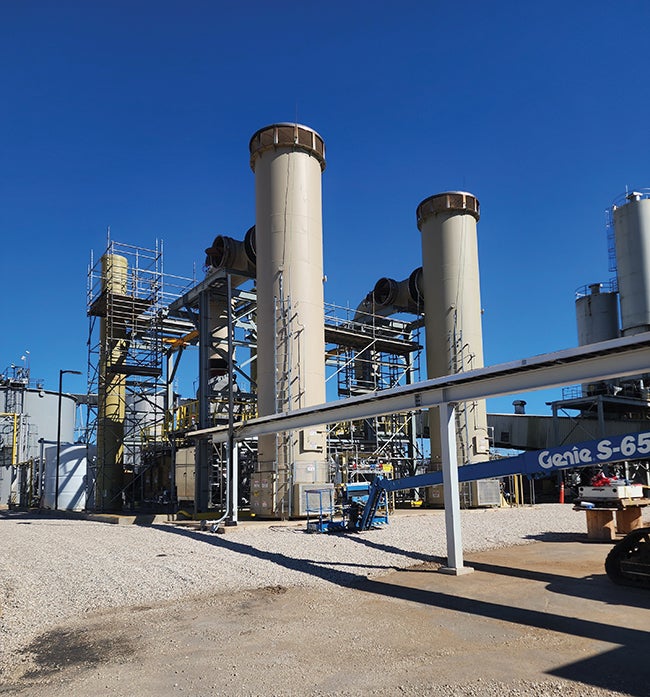
Electric cooperatives are on the front lines of this challenge. They maintain vast networks of infrastructure across 56% of the nation’s landmass, often in rugged and remote areas that are more complex and costly to serve. As demand grows, co-ops are investing in new generation, transmission, and distribution, but outdated federal policies are slowing that work down and driving up costs.
That’s why the National Rural Electric Cooperative Association and its member cooperatives will urge action on several key policy priorities when they meet with their members of Congress and agency officials next week.
First, the Rural Utilities Service (RUS) Electric Loan Program must be expanded. RUS is the most successful infrastructure financing bank in the history of the federal government and the lowest-cost source of financing for electric cooperatives, which helps keep electric rates low. It also makes money for American taxpayers as co-ops repay their loans with interest. Expanding the program would help co-ops modernize the grid while continuing to deliver affordable power.
Second, modernizing the Federal Emergency Management Agency (FEMA) is critical for communities recovering from natural disasters. Electric co-ops rely on FEMA’s Public Assistance program to rebuild after storms, wildfires, and other emergencies. Proposed reforms included in the Fixing Emergency Management for Americans Act would speed up reimbursements, expand access to resilience funding, and prevent unexpected clawbacks of previously approved funds.
Third, federal permitting reform is essential. Today’s environmental review processes can take years, delaying critical energy projects and increasing costs that ultimately fall on consumers. Modernizing laws like the National Environmental Policy Act and the Clean Water Act would help streamline reviews, reduce unnecessary litigation delays, and ensure that infrastructure can be built in a timely, predictable manner.
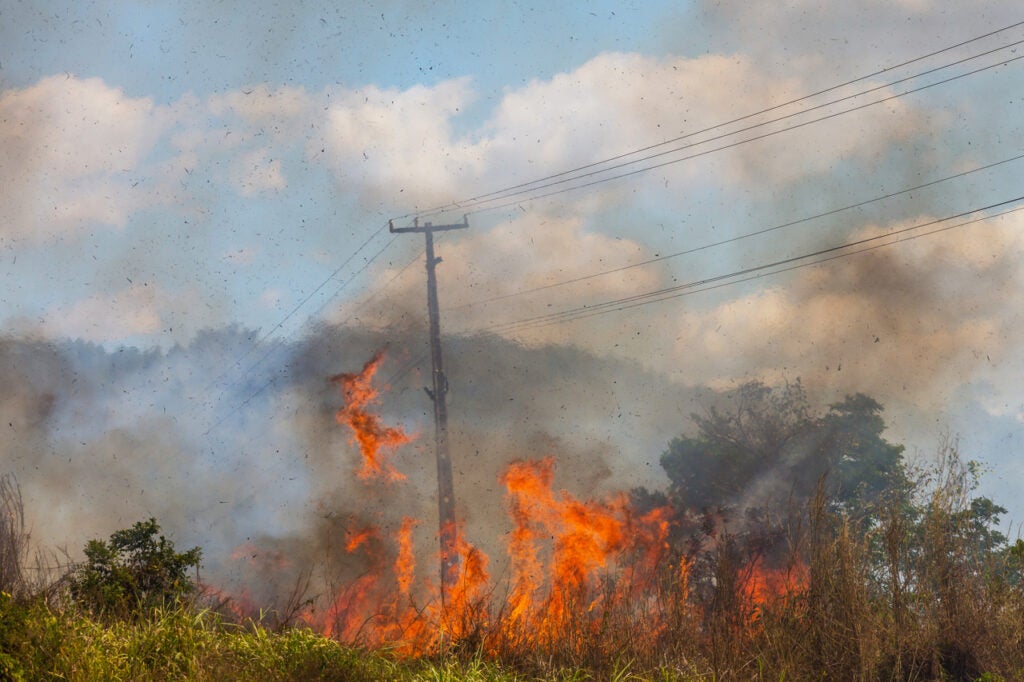
Fourth, Congress should strengthen wildfire mitigation policies by passing the Fix Our Forests Act. Electric co-ops operate thousands of miles of power lines in wildfire-prone areas. Outdated federal rules can delay routine maintenance and hazard removal, increasing the likelihood of catastrophic damage. Streamlining these processes and expanding vegetation management authority would help co-ops proactively reduce wildfire risk.
The stakes couldn’t be higher: The United States is entering a new era of energy demand and complexity. By advancing common-sense reforms in permitting, disaster response, wildfire mitigation, and infrastructure financing, policymakers can help ensure that electric cooperatives continue to deliver the reliable, affordable power on which rural America depends.
—Jim Matheson is CEO of the National Rural Electric Cooperative Association, representing nearly 900 not-for-profit, consumer-owned electric cooperatives. He previously served seven terms as a U.S. representative from Utah.