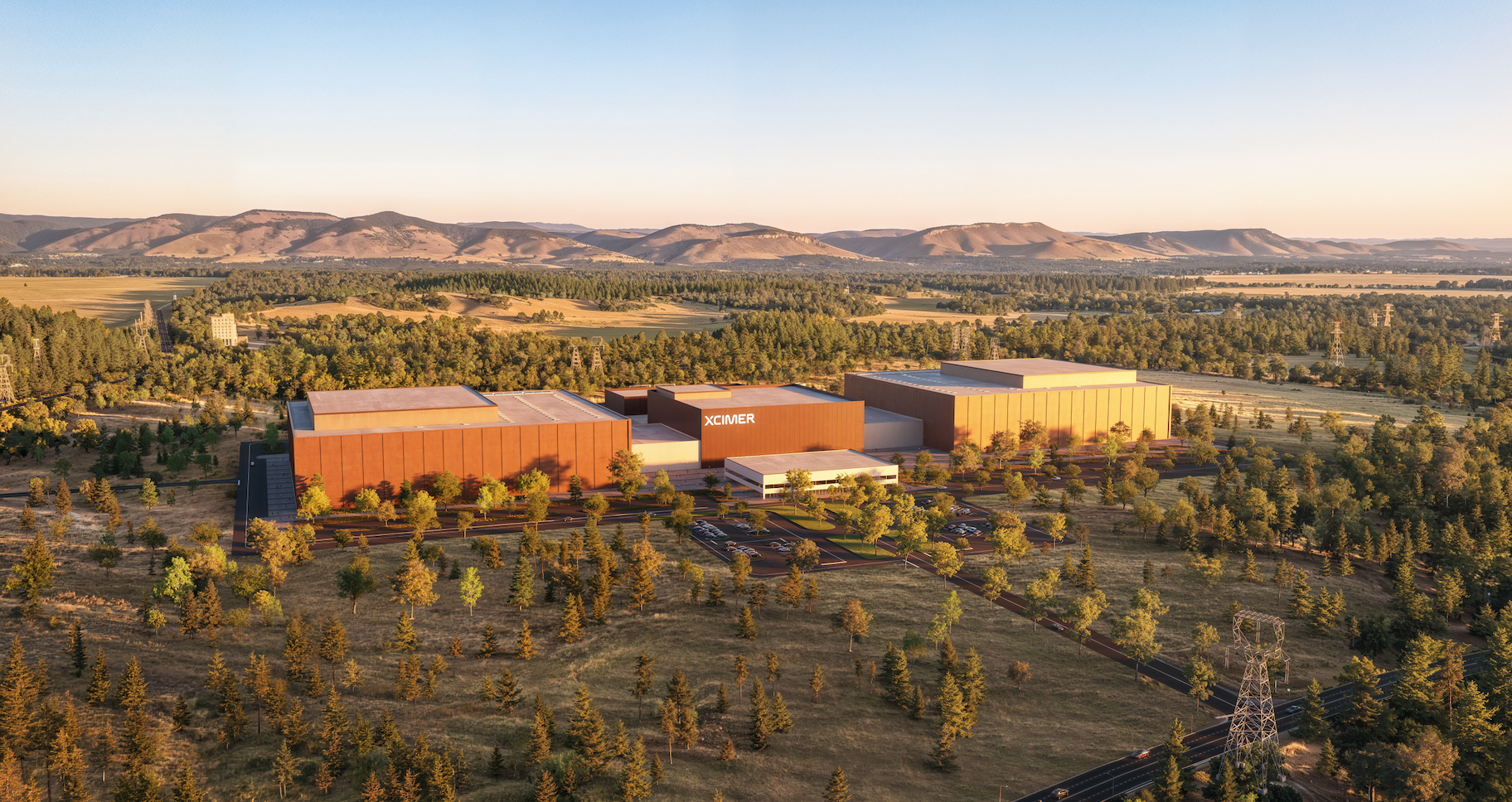
A Colorado-based fusion energy company said the U.S. Dept. of Energy (DOE) has approved the company’s preconceptual technical design for its commercial fusion power plant.
Xcimer Energy on June 10 said the DOE also supports the group’s development roadmap for Athena, which is the reference architecture for what the Denver-headquartered company said would be its fleet of fusion power plants. Xcimer is among several U.S. and global groups working to commercialize fusion energy. Xcimer called the DOE approval a milestone for its efforts, and in a news release wrote that it “positions Xcimer among the front-runners to commercialize fusion energy and marks one of the industry’s most comprehensive government reviews of a privately developed fusion plant architecture.”
The company on Wednesday wrote that the DOE’s acceptance “of both the design and roadmap also reflects continued progress under the DOE’s Fusion Milestone Development Program and validates Xcimer’s roadmap for translating laboratory fusion breakthroughs into a commercially deployable energy system.” The DOE on June 9 released what the agency called the “finalized” Fusion Science & Technology Roadmap, a national strategy “to accelerate the development and commercialization of fusion energy on the most rapid, responsible timeline in history.”
“Fusion energy has entered a new era defined by extraordinary scientific progress and public-private momentum,” said DOE Under Secretary for Science Dr. Darío Gil, who will be a keynote speaker at POWER’s Experience POWER event in Washington, D.C., later this year. “With this roadmap, we now have the clarity, coordination, and sustained commitment needed to turn the promise of fusion into a reality for the American people.”

The power industry’s most urgent decisions are being made right now.
Be in the room where they happen.
View Conference Program
Technology Featured at Nuclear Conference
Xcimer, founded in 2022 and whose technology was featured at the American Nuclear Society’s (ANS) conference in Denver last week, said it 724-page submission to the DOE “provided [agency] reviewers with a detailed assessment of plant performance targets, economics, system-level engineering requirements, safety and environmental analyses, and technology development pathways required to achieve commercial fusion power.” Xcimer has said that Athena is designed for continuous operation, and “integrates the company’s proprietary excimer laser platform with target delivery, fusion chamber, tritium breeding, and power generation systems engineered from the outset for industrial scale.”
“The question facing laser fusion is no longer whether the physics works,” said Conner Galloway, CEO, chief science officer, and co-founder of Xcimer Energy. “The question is how fast we can industrialize it. DOE’s acceptance of Athena reflects both the strength of our technical approach and our ability to execute against an ambitious commercialization roadmap.”
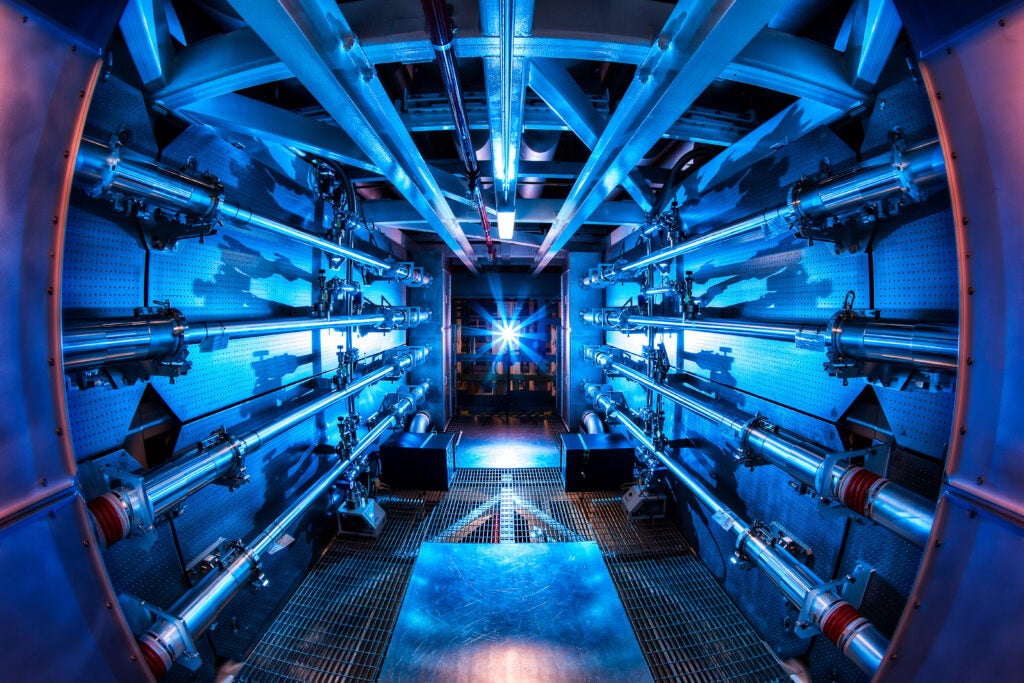
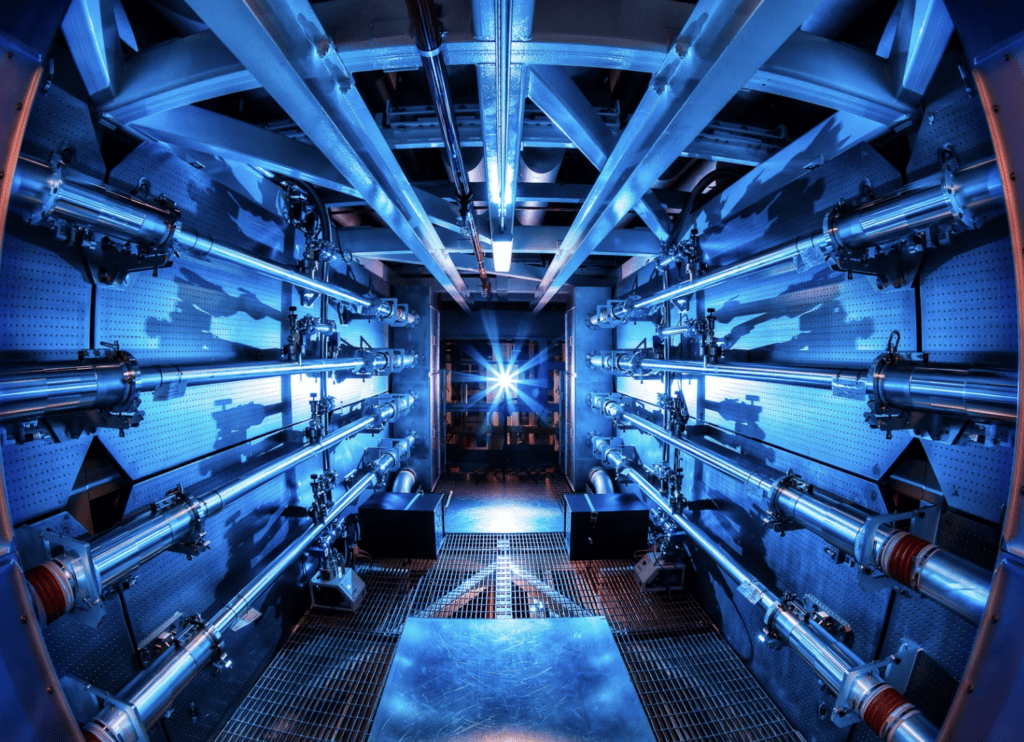
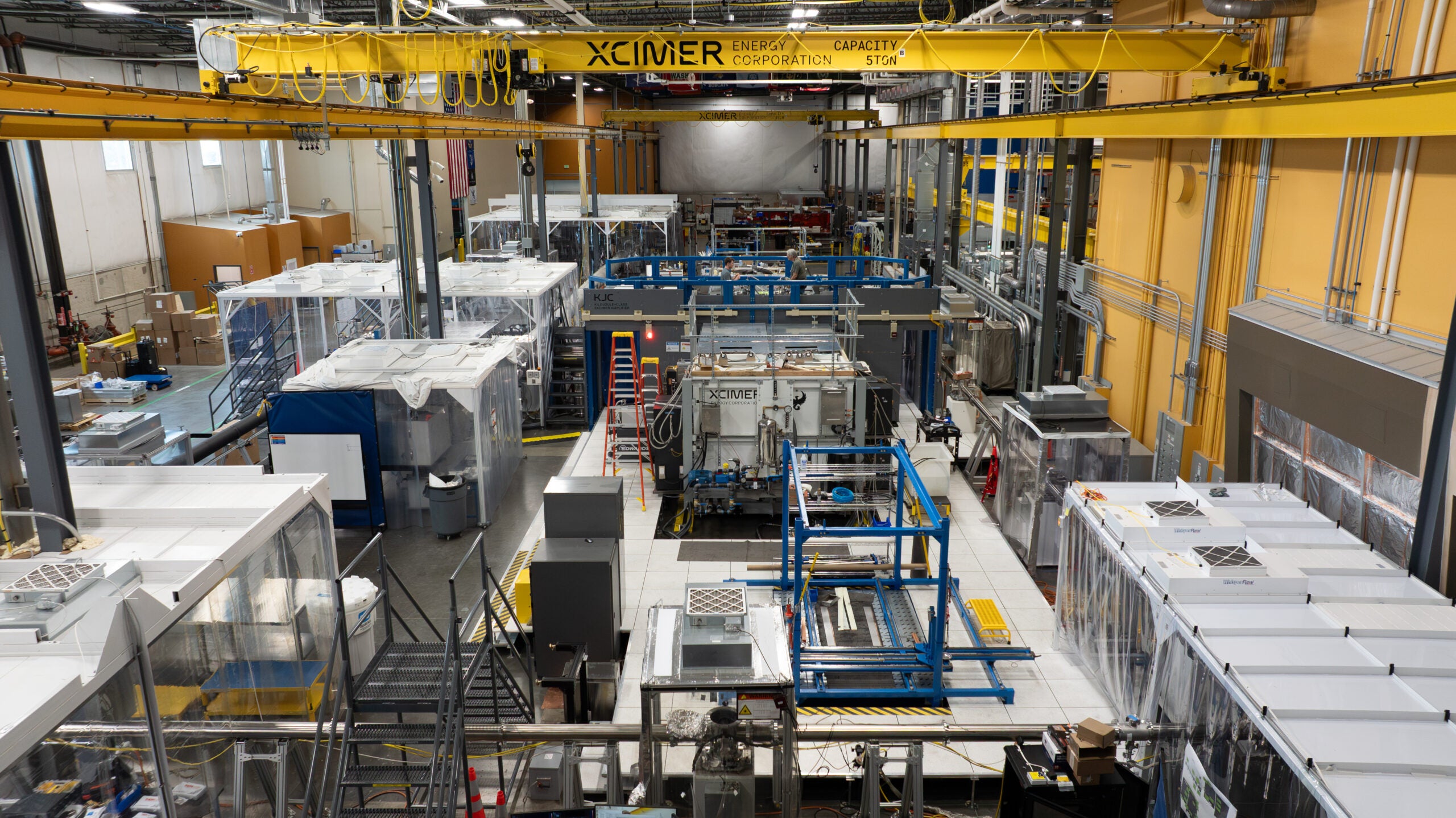
The milestone comes a week after Xcimer announced the launch of operations of its prototype laser system, which the company calls Phoenix. The system is considered the largest privately owned laser system in the world, and represents the company’s prototype for commercializing laser fusion.
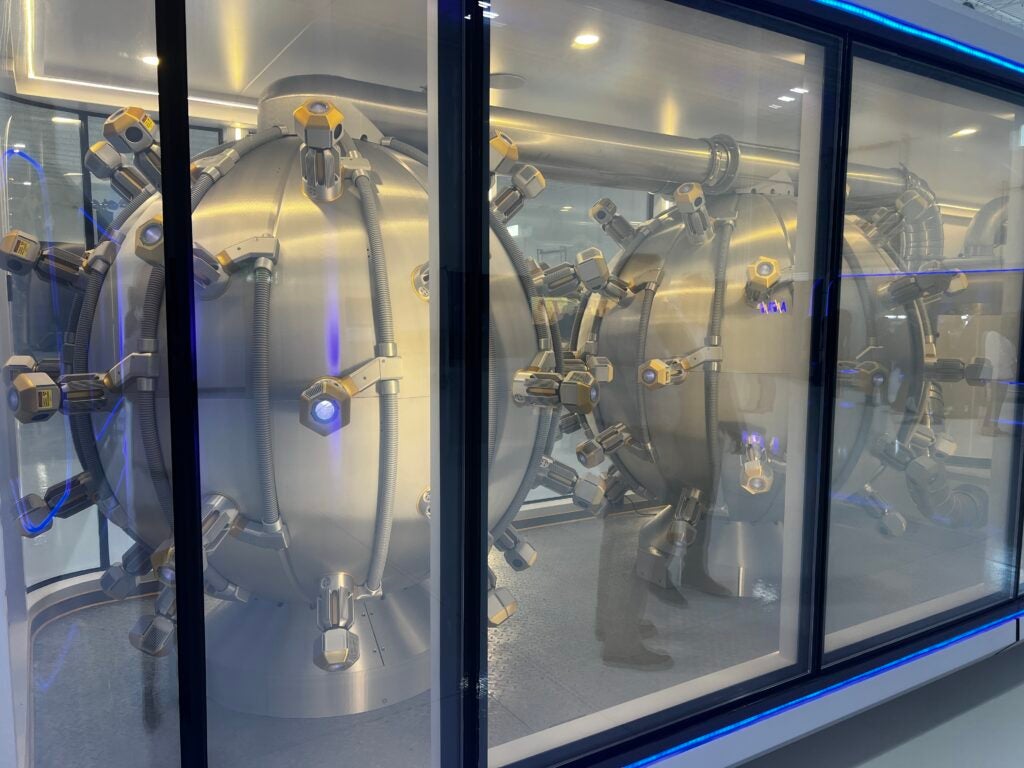
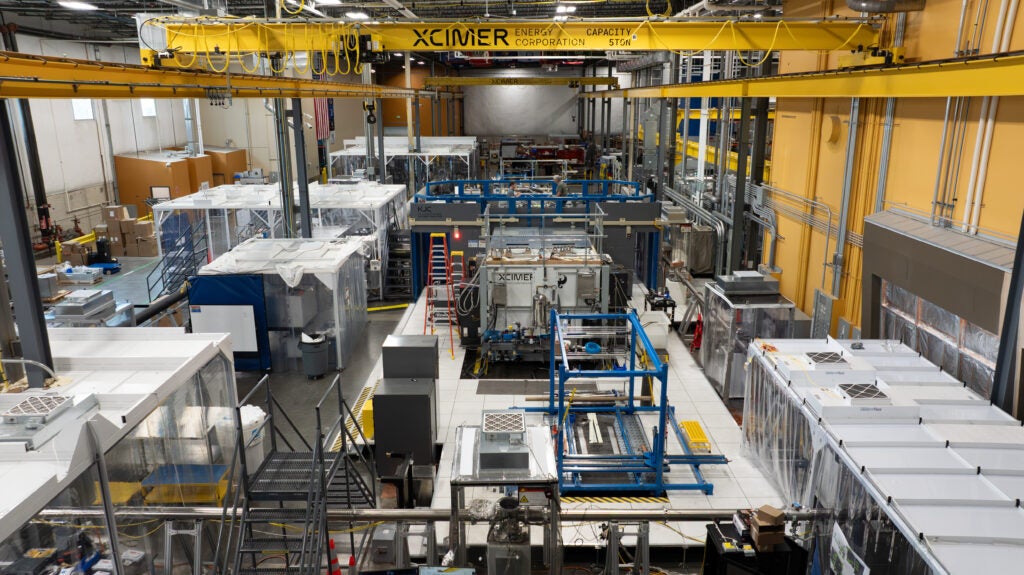
Phoenix is housed in Xcimer’s 74,000-square-foot Denver laser facility. Attendees of the recent ANS event in Denver, including POWER, toured the lab on June 4. The company calls Phoenix “a proof of concept for an unconventional fusion architecture: a krypton fluoride [KrF] excimer laser using Stimulated Brillouin Scattering [SBS] to compress a microsecond-long pulse into the nanosecond timescales fusion requires. Phoenix is designed to demonstrate end-to-end integrated operation of excimer amplification and SBS pulse compression.”
‘Real-World Requirements’
Xcimer officials have said the company is designing is system “for the real-world requirements of power plants,” with an expectation of operating “continuously for decades.” Company executives have said they believe “long-term economics, maintainability, fuel-cycle cost, and reliability will ultimately determine which fusion architectures succeed commercially.”
“A commercially attractive power plant looks very different from a scientific breakthrough facility,” said Susana Reyes, vice president for Chamber and Plant Design at Xcimer Energy. “We are designing Athena to run continuously at a repetition rate of up to 1 Hz, and the use of a liquid wall chamber maximizes availability by protecting the solid structures from the fusion reaction emissions over the entire plant lifetime.”
The DOE’s acceptance of the Athena design follows Xcimer’s completion of earlier program milestones over the first 18-month budget period in the milestone program. The company’s next phases of work include full-scale subsystem testing, engineering validation, and preparation for an integrated plant demonstration.
“One reason other fusion chamber designs face a replacement problem is that they put solid material where the neutrons go. We don’t,” said Reyes. “The molten salt curtain absorbs and moderates the flux, breeds fuel, and carries the heat—and it flows, so it renews itself continuously. We designed Athena around that property from day one, and it shapes everything: the materials choices, the thermal management, the maintenance philosophy, the economics. And Xcimer’s laser architecture uniquely enables this design.”
The Milestone-Based Fusion Development Program is part of the DOE’s broader effort to accelerate the commercialization of fusion energy through public-private partnerships. Xcimer is among a select group of companies participating in the program, each pursuing different technical approaches to achieving commercially viable fusion power.
Xcimer officials have said their architecture targets laser costs under $100 per joule, along with a chamber design requiring no first-wall replacement.
—Darrell Proctor is senior editor for POWER.