A U.S.-based fusion energy company has become the first such firm to apply to join a major power grid operator. Massachusetts-based Commonwealth Fusion Systems (CFS) on April 28 said it has submitted an application to connect its ARC power plant to PJM Interconnection, the nation’s largest wholesale electricity market.
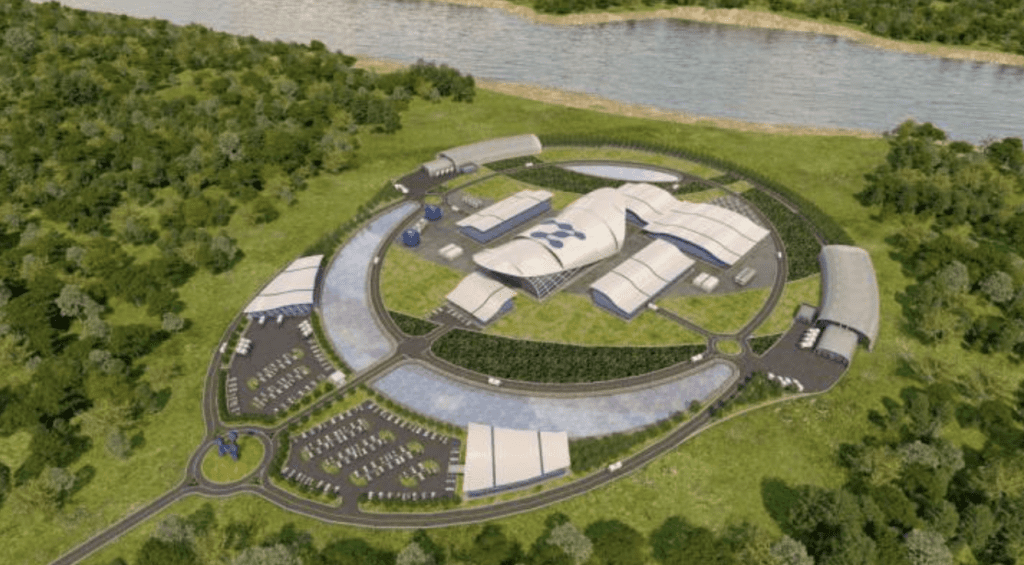
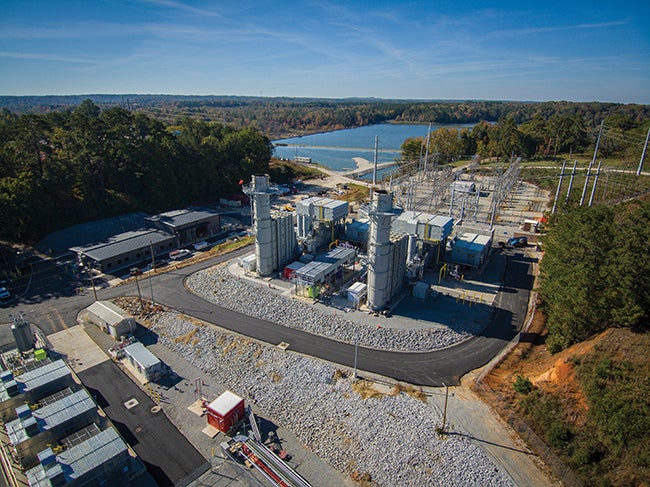
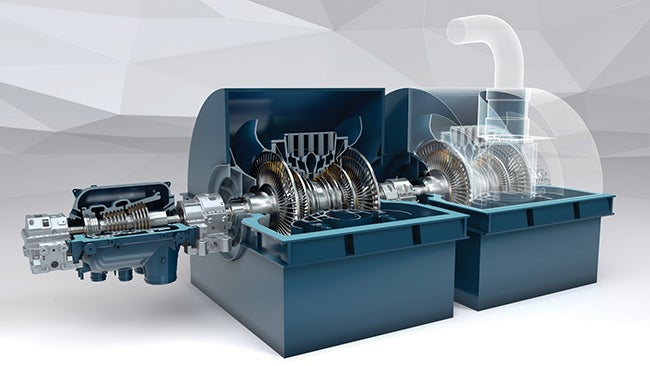
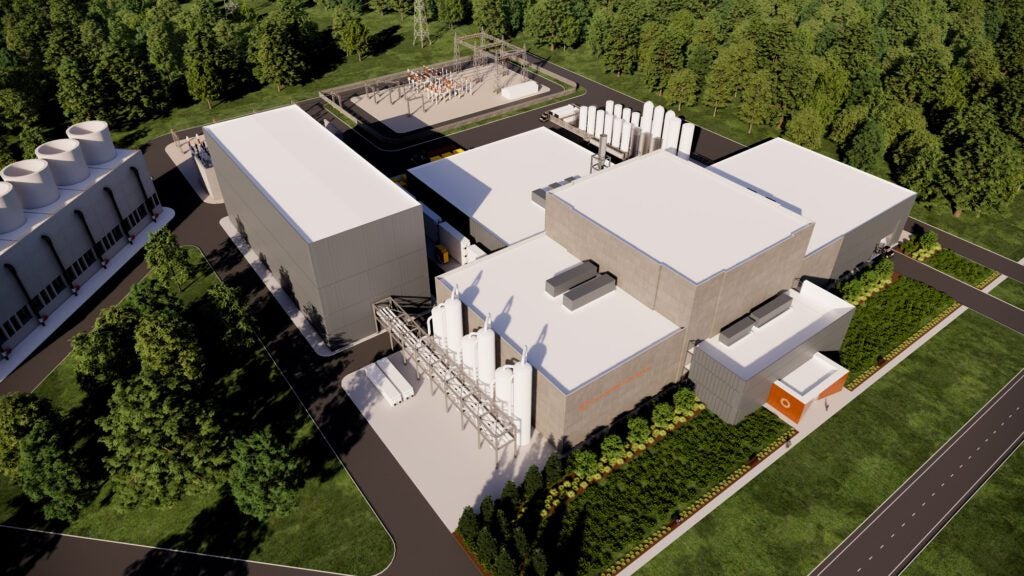
CFS on Tuesday said the application marks the first time a fusion power plant developer has requested an interconnection with a power grid operator. PJM serves more than 65 million customers across 13 states and the District of Columbia. CFS, which has raised almost $3 billion in capital since it was founded in 2018, said it is on track to deliver electricity from fusion energy to the grid in the early 2030s. The power would be generated from the company’s planned 400-MW Fall Line Fusion Power Station (Figures 1 and 2) in Chesterfield County, Virginia.
“Our commitment to delivering the benefits of fusion, and enabling a future with abundant, secure energy, means that we’re not just proving fusion physics works—we’re showing exactly how fusion power plant watts get from our machine to the customer, working with the grid and a utility,” said Bob Mumgaard, co-founder and CEO of CFS. “By becoming the first fusion energy developer to enter a major grid operator’s interconnection queue, we’re demonstrating that when you’re serious about building a power plant in the early 2030s, you act now. This is execution.”
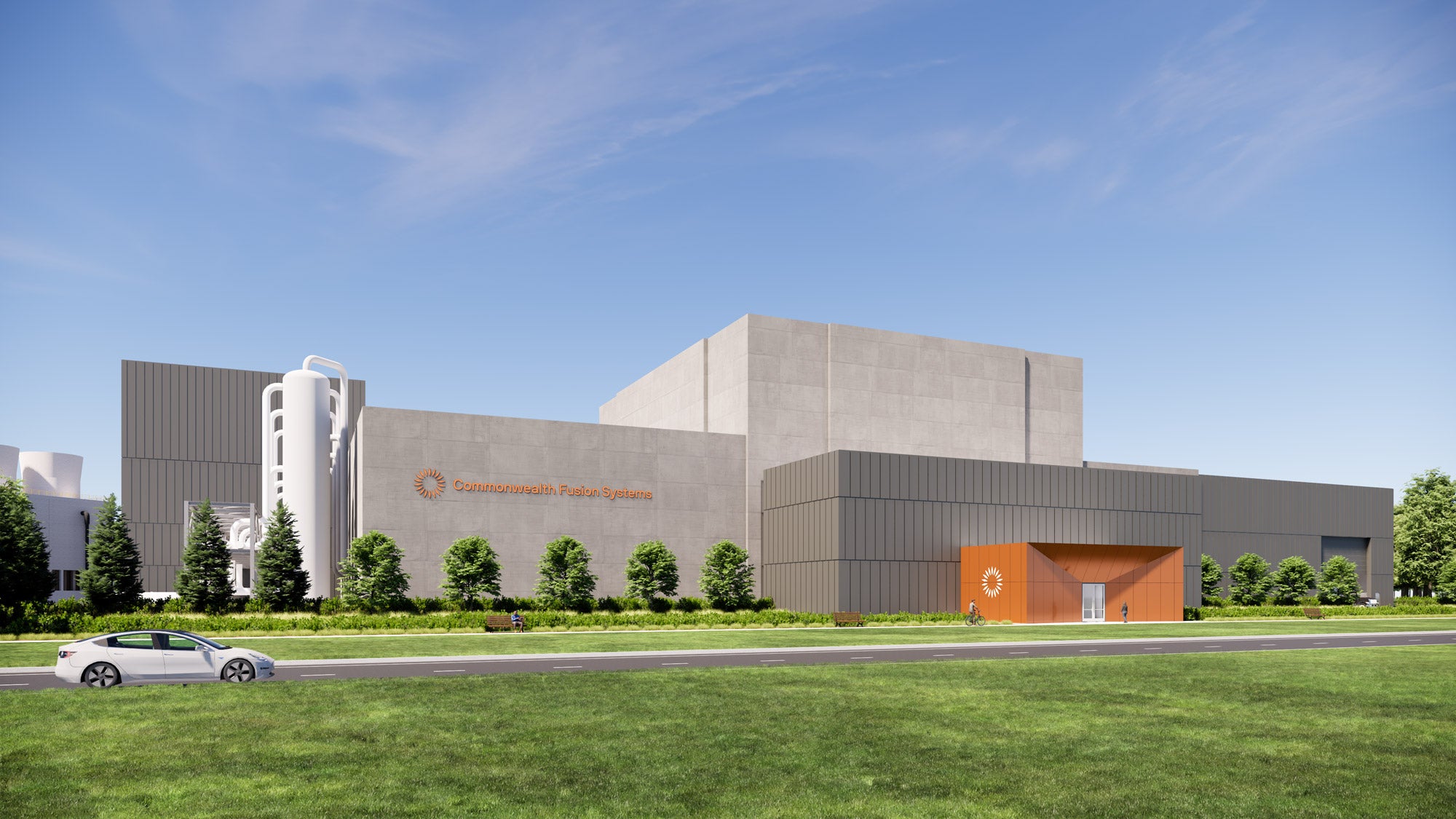
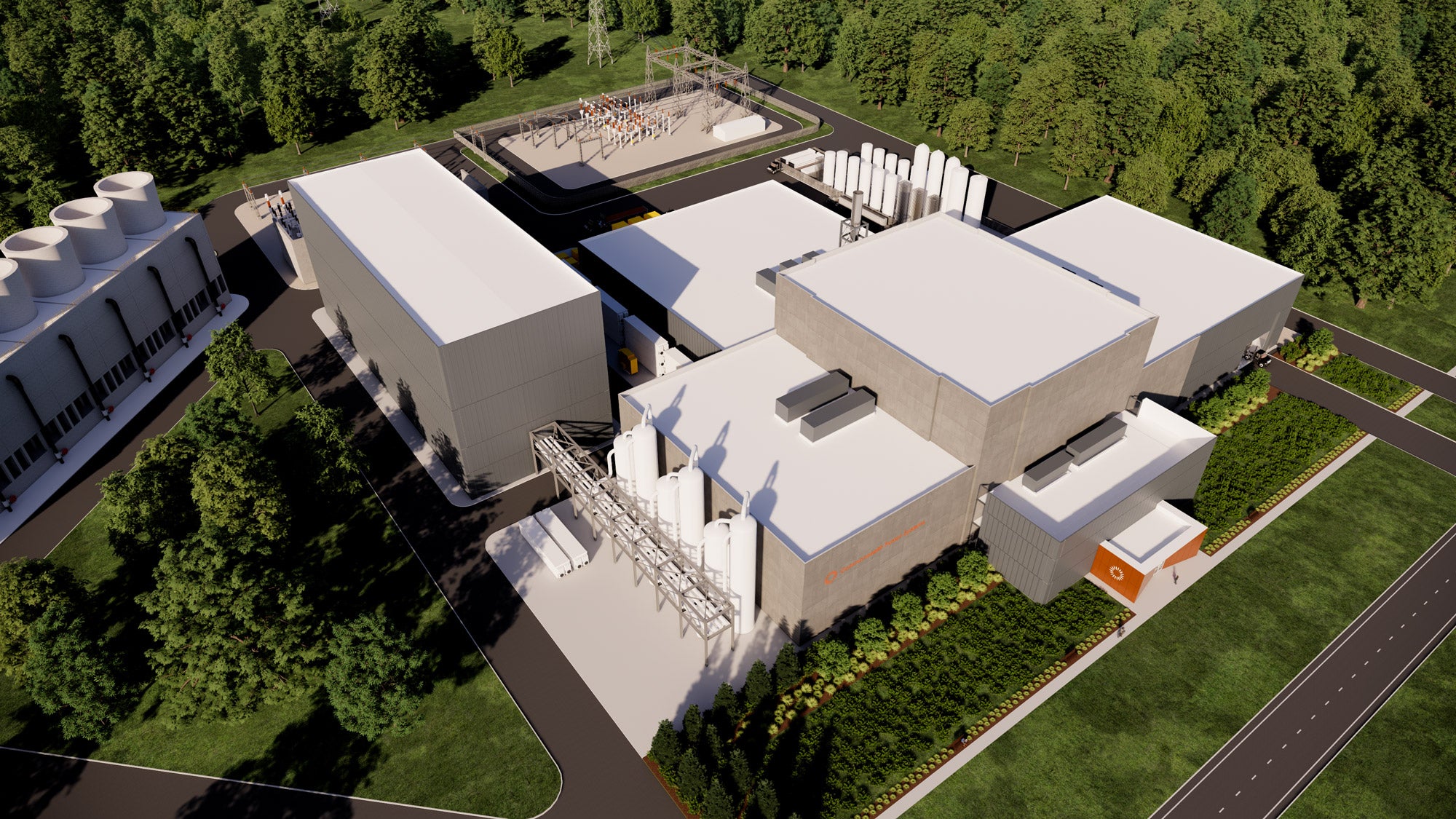
CFS on Tuesday said the power plant’s name, also announced today—it previously had been known simply as ARC, for affordable, robust, compact—references the geological boundary where Virginia’s elevated Piedmont region drops down to the Tidewater coastal plain. The location creates rapids on the James River. CFS said the site historically has been where “Virginians built mills at the Fall Line to harness the power of falling water … today, CFS will harness a different energy source: the clean, safe, secure power of fusion.”
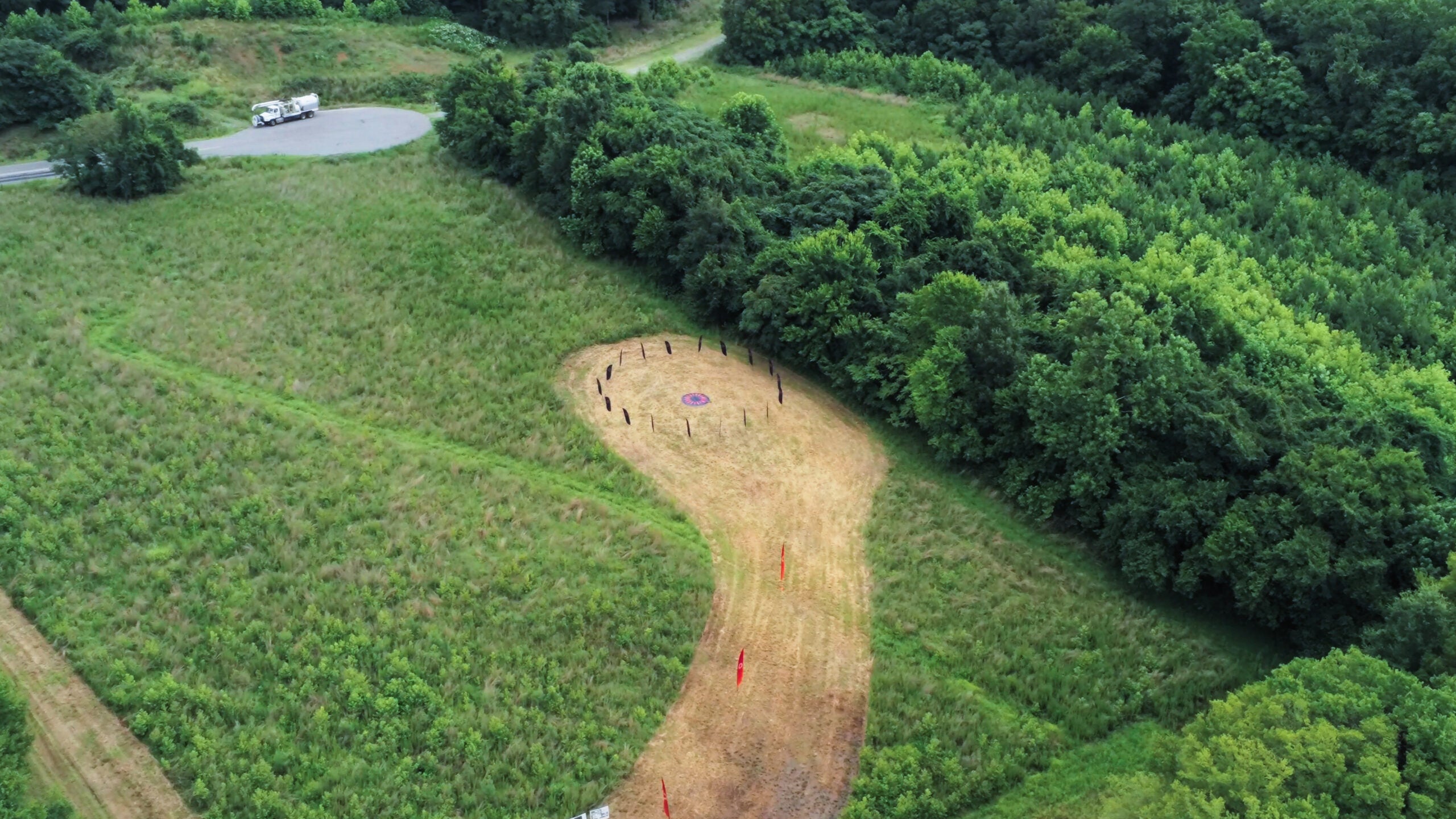
Virginia officials had announced the site of the power plant in late 2024, saying it would be built on 100 acres at the James River Industrial Park in Chesterfield County (Figure 3).
CFS said that as part of the application submission procedure, the company will work through PJM’s “diligent stress-test process to demonstrate that it can reliably help to meet the region’s surging energy demands.” The company said the plant is being eyed as a resource to meet the increasing energy demands of artificial intelligence-driven data centers in the region, which is part of Virginia’s so-called “Data Center Alley.” The area is known for its concentration of data centers, and energy analysts have said the region has the highest forecasted power load growth in the U.S. CFS said that by getting into the PJM queue now, the company “will ensure that it will be able to connect to the grid upon completion of the power plant’s construction.”
Confident in Power Plant’s Timeline
Rick Needham, chief commercial officer for CFS, told POWER the company is confident in its timeline for a commercial power plant. “We’re quite confident, based on our steady track record of execution since our founding. Over and over we meet long-term milestones, like securing our supply of high-temperature superconducting [HTS] tape, delivering our first prototype magnet, building a factory, and taking delivery of long-lead equipment like large pieces for SPARC as well as advanced power, heating, and cooling systems.”
Needham added, “And the big milestones build on each other. We first showed we could build a super strong HTS magnet when that was a big question; we then went on to build our SPARC plant that will show how those magnets can make a high-performing fusion machine; and then we will build the first grid-scale fusion power plant based on the proof form SPARC.
“Each of these milestones opens up the door to the next critical milestone,” said Needham. “They’ve been important proof points on the way to commercial fusion power for our investors and all of our other stakeholders. So as we get close to completing SPARC and then running it, we’re now also turning our focus to commercialization with the design and development of our first ARC power plant.”
Mumgaard, subject of a POWER Interview in 2020, and also a guest on the POWER Podcast that year, recently was appointed by President Trump as one of the first members of the President’s Council of Advisors on Science and Technology. He told Reuters in a recent interview that his company intends to build multiple fusion units, adding “The goal will be to get going with the one in Virginia, and if capital is available, if the markets are right, start the next one shortly thereafter. And so that way you’ll get the learning rates, and you can learn as you go, from one to the next, to the next, and eventually you get to the point where you feel like you’ve got it really sorted out. The technology shown to work, the supply chain there, the design refined to the point where you would want to build them in parallel, and that would be the much bigger scaling phase.”
Said Needham, “We’ve advanced our efforts to commercialize our ARC fusion power plant in parallel with work on our SPARC fusion demonstration machine. We’ve chosen a location, brought Dominion Energy on board as a utility partner, and signed up Google and Italian energy company Eni as customers. And finally … we’ve built a world-class team with expertise across all the necessary functions to not only understand fusion but then actually deliver it.
“This is a team delivering SPARC, one of the most important construction projects in the world, while at the same time building and running the most advanced HTS magnet manufacturing facility in the world and engaging with all the stakeholders, partners, and customers necessary to deliver fusion power on a time scale that matters,” said Needham.
Different Approach to a Tokomak
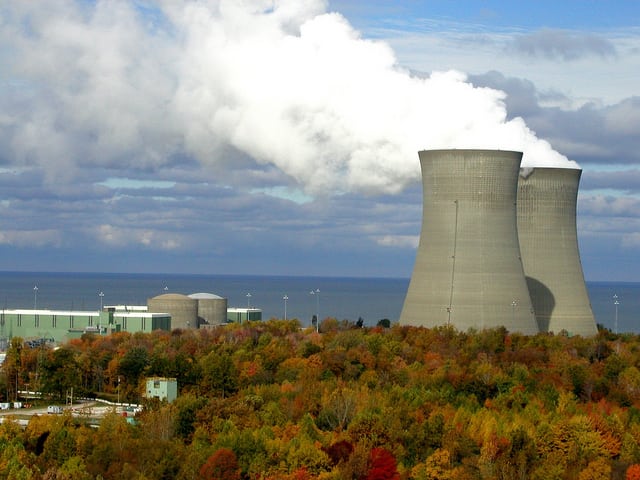
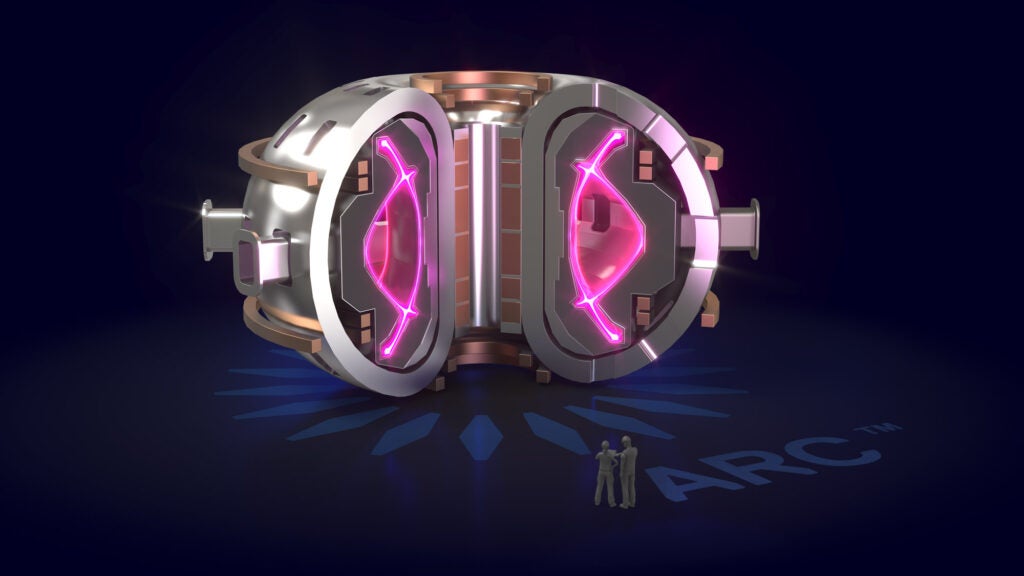
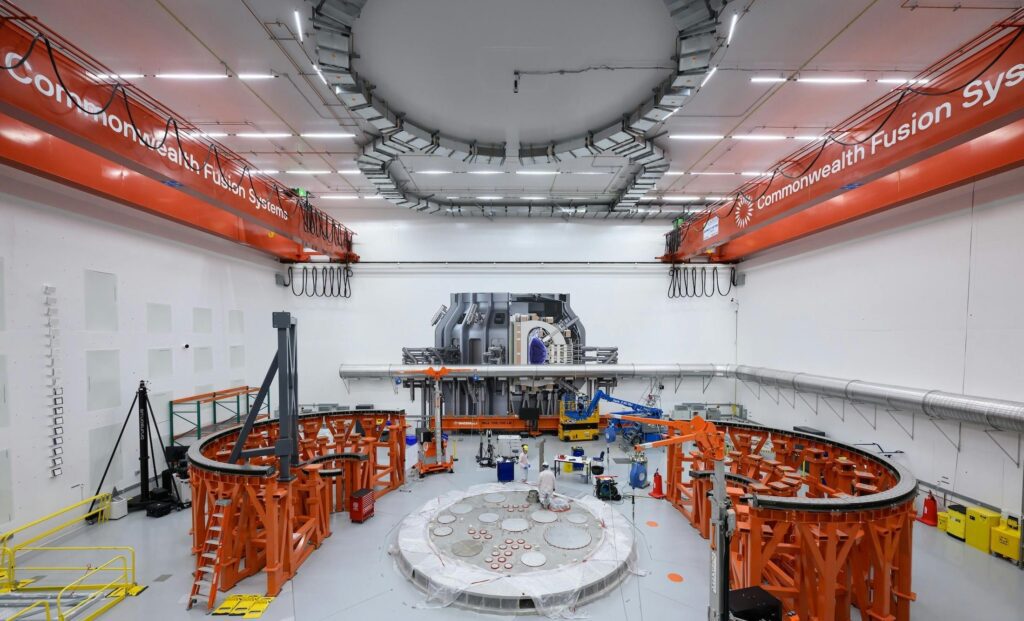
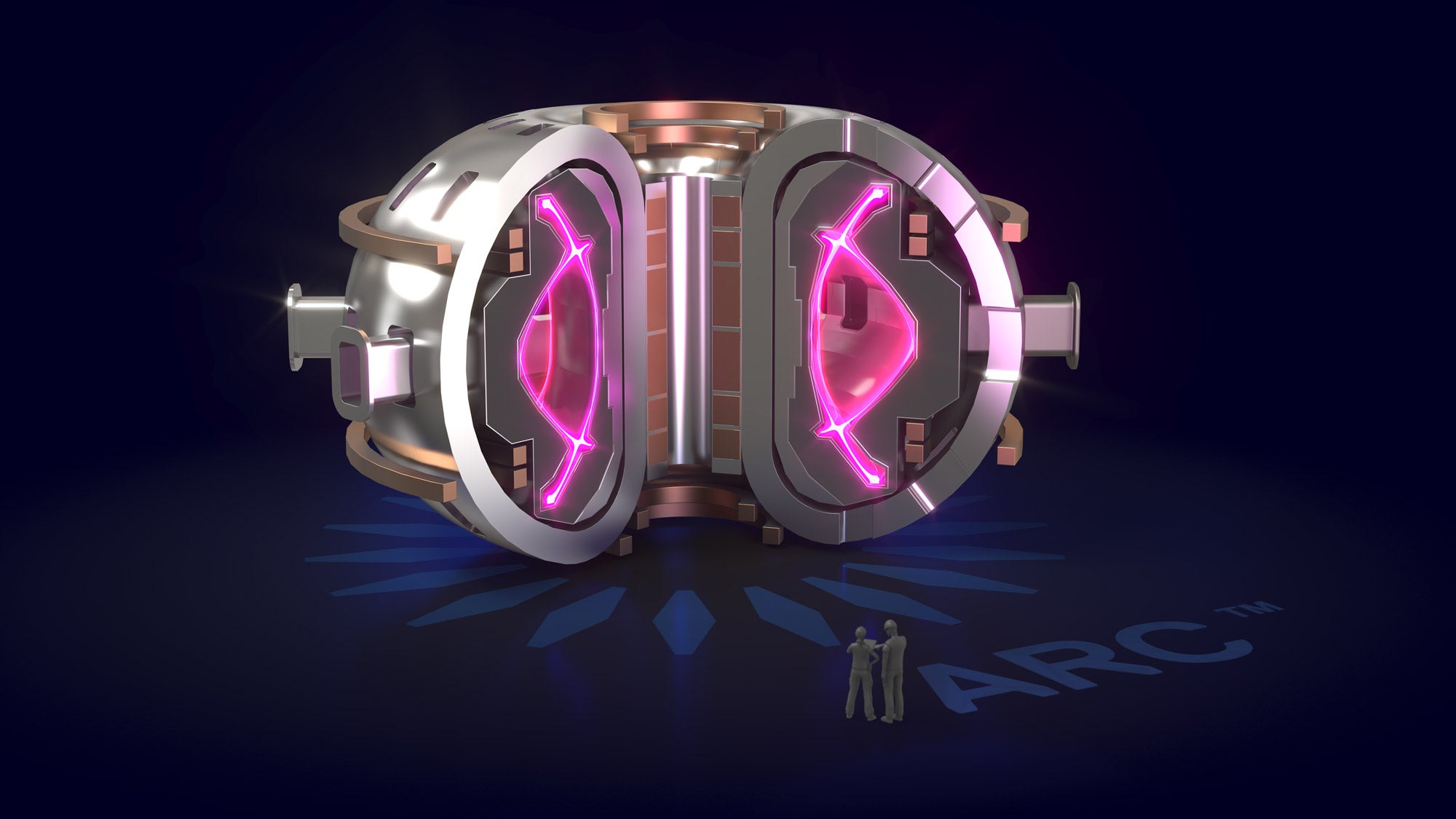
CFS was featured in a POWER Special Report in February of this year that looked at some of the leading companies in the fusion energy space. The company has said it is taking a different approach to the tokamak design; industry experts have said that years of research worldwide have established the tokamak-based configuration as the highest-performing approach to fusion. Instead of building a large tokamak, CFS is “using revolutionary high-temperature superconducting [HTS] magnets developed in collaboration with MIT [Massachusetts Institute of Technology] to build smaller and lower-cost tokamak fusion systems (Figure 4).”
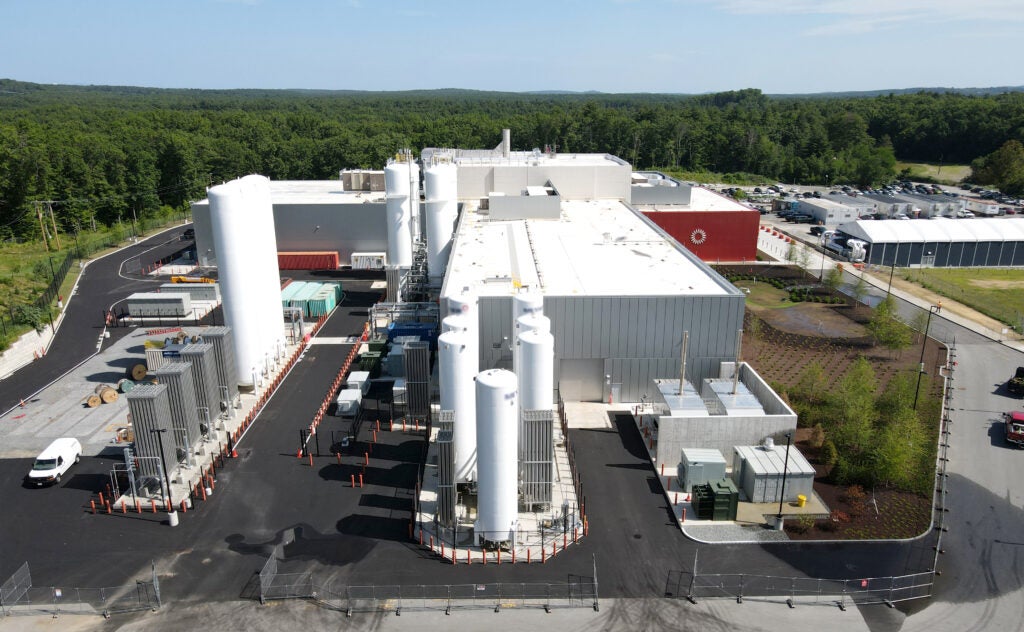
CFS has made several milestone announcements in the past few years. The company in January said it would develop a digital twin of its SPARC fusion machine along with chipmaker NVIDIA and energy technology group Siemens. The group in October of last year reached a milestone with delivery of the first half of the vacuum vessel at the heart of SPARC (derived from “soon as possible ARC”), the group’s tokamak machine, to the company’s facility in Devens, Massachusetts.
The Devens’ campus is home to both the SPARC facility and the company’s magnet factory, where CFS builds the superconducting magnets that are key to the SPARC fusion machine.
CFS in 2025 signed a deal with technology giant Google to buy power from the Chesterfield County plant. Google first invested in CFS in 2021, and at the time of the 2025 deal said it would increase its investment in the company. The groups at that time said the agreement also gives Google rights to take power from future CFS-built reactors.
Needham noted factors that set CFS apart from other companies, including overseas firms, that are working on fusion technology. Needham said it’s the company’s “approach, our execution, and our team. For our approach, we started by building our company on the best scientifically understood fusion machine available, the tokamak, so we don’t have to make new discoveries— and a schedule based on new discoveries is a lot more tenuous than a schedule based on engineering and delivery.”
Needham added, “We’ve upgraded the tokamak concept with stronger high-temperature superconducting magnets that enable a much smaller, more affordable machine than last-generation tokamaks. On execution, we’ve been successfully executing across many fronts—building and then testing our technology with prototypes; backing up our claims with peer-reviewed research; building our SPARC demonstration machine which is now ~75% complete; signing up partnerships and customers—enabling us to raise more funds than our competition, nearly $3 billion, which is a significant portion of the total capital raised in the entire space.”
Details of the PJM Application
PJM is the largest regional transmission organization (RTO) in the U.S. RTOs manage much of the nation’s bulk electrical grid, and ensure that there are functioning competitive electricity wholesale markets as well as regional reliability. An interconnection application is the formal process of requesting to “plug in” a new power plant to one of these RTOs. The application starts a series of extensive engineering studies to ensure the grid can safely, and reliably, handle the influx of the new generating capacity and energy being provided, and assess whether any network upgrades are required.
Needham said the Cycle 1 application deadline for PJM was Monday. “There is a 90-day period of application review, during which PJM will inform applicants if the applications are missing any information or need to be revised for some reason,” Needham said. “Then the cycle will go through several ‘Decision Points’ as outlined in the schedule [click here for timelines associated with the Cycle 1 applications; select Cycle 1 from the “Cycle Timeline” menu further down the page].”
Said Needham, “If the CFS application needs something further, then PJM will inform us and we’ll have a chance to address it. But PJM doesn’t just ‘deny’ an interconnection application unless it is missing critical information, in which case it will be withdrawn.”
CFS on Tuesday noted the move follows the successful navigation of several pre-construction milestones in 2025, which includes securing the world’s first conditional use permit for a commercial fusion power plant. The company also signed the previously mentioned offtake agreement with Google, as well as another agreement with Eni, as part of long-term strategic partnerships with each company.
Needham said CFS a got $15-million award from the DOE’s Milestone-Based Fusion Development Program upon successful testing of a SPARC toroidal field magnet. CFS also received a $3.7-million ARPA-E grant “that helped us prove our pulsed magnet technology,” said Needham, while noting “the vast majority of our funding comes from our investors.”
—Darrell Proctor is a senior editor for POWER.