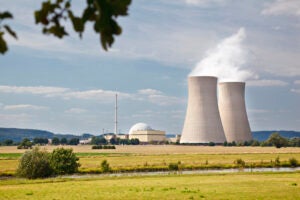
After decades of stagnation, nuclear power is firmly back in the energy discussion. Surging electricity demand, hyperscale data centers hunting for firm round-the-clock power, and growing pressure to decarbonize industrial heat have converged to revive interest in both new reactor construction and lifetime extensions of the existing fleet. The resurgence is broader than a single technology or scale: gigawatt-class plants, small modular reactors (SMRs), and Generation IV designs are all advancing in parallel, and aging plants are being modernized—or, in some cases, brought back from retirement. Dagmar Thien, who manages conventional island equipment for nuclear power plants at Siemens Energy, offers a useful vantage point on what’s driving that momentum and what it will take to sustain it.
Nuclear’s Upswing: New Demand, New Designs
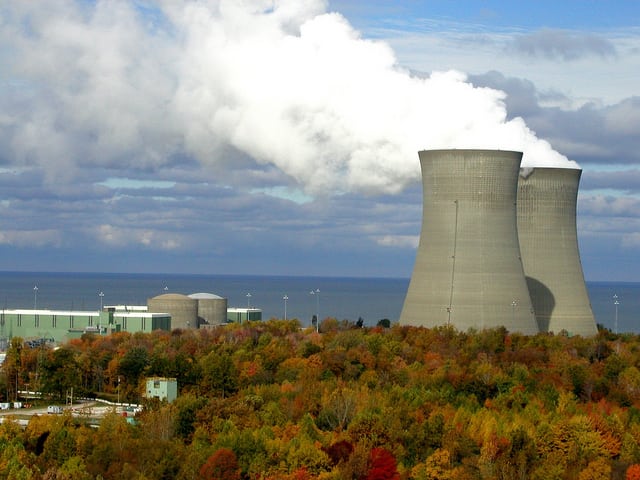
As a guest on The POWER Podcast, Thien pointed to surging electricity demand as the top driver of nuclear power’s renewed momentum. As renewables expand, grids increasingly need reliable baseload generation that runs regardless of weather or time of day. Nuclear fits that role, and, on a full lifecycle basis, ranks favorably on greenhouse gas emissions. Combined with the rise of new firm-power buyers—hyperscale data centers being the headline example—Thien expects the upswing to last.
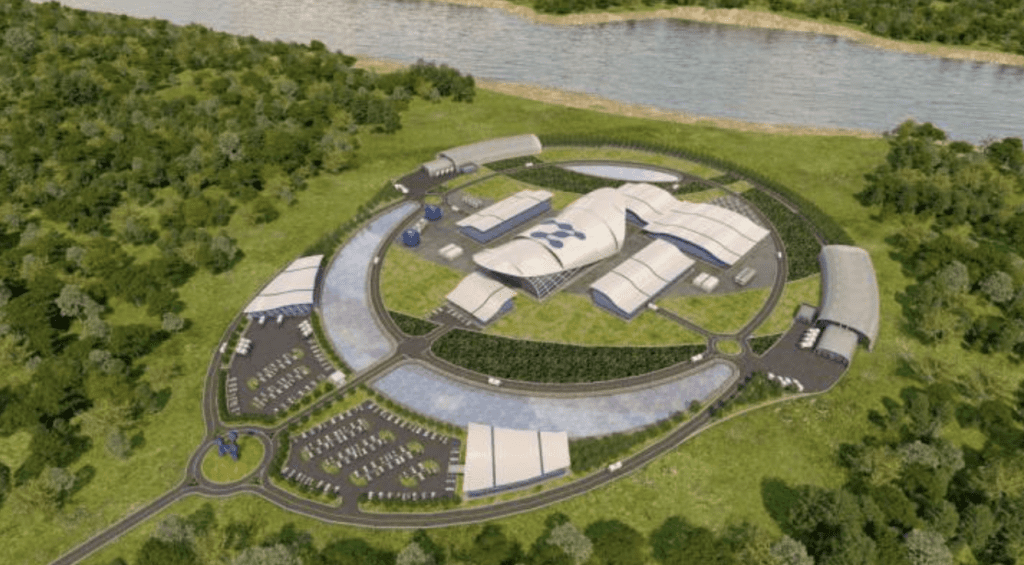
The market is no longer just about gigawatt-scale light water reactors. SMRs, microreactors, and Generation IV designs, including high-temperature gas-cooled, sodium fast, and molten salt designs, are all gaining traction. Thien argued that large plants will remain part of the mix because specific costs (dollars per kW) drop as plants get bigger. SMRs, meanwhile, promise capital expenditure (CAPEX) reductions through modularization and standardization, and Thien noted that supply-chain standardization gains made for SMRs are likely to benefit larger units too. Generation IV designs become especially interesting in the context of industrial decarbonization, since their higher coolant outlet temperatures open the door to high-temperature heat applications that today’s water-cooled reactors can’t serve.
What Different Reactors Mean for the Turbine Island
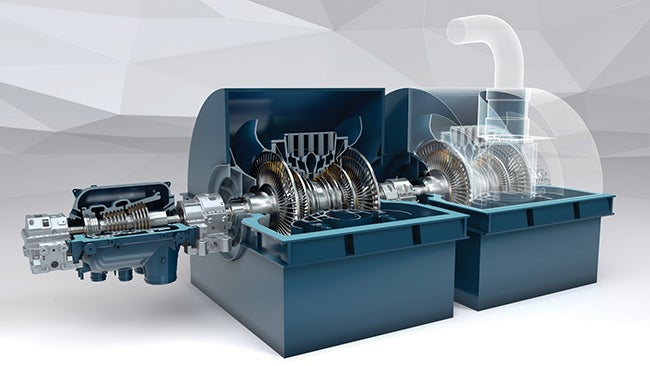
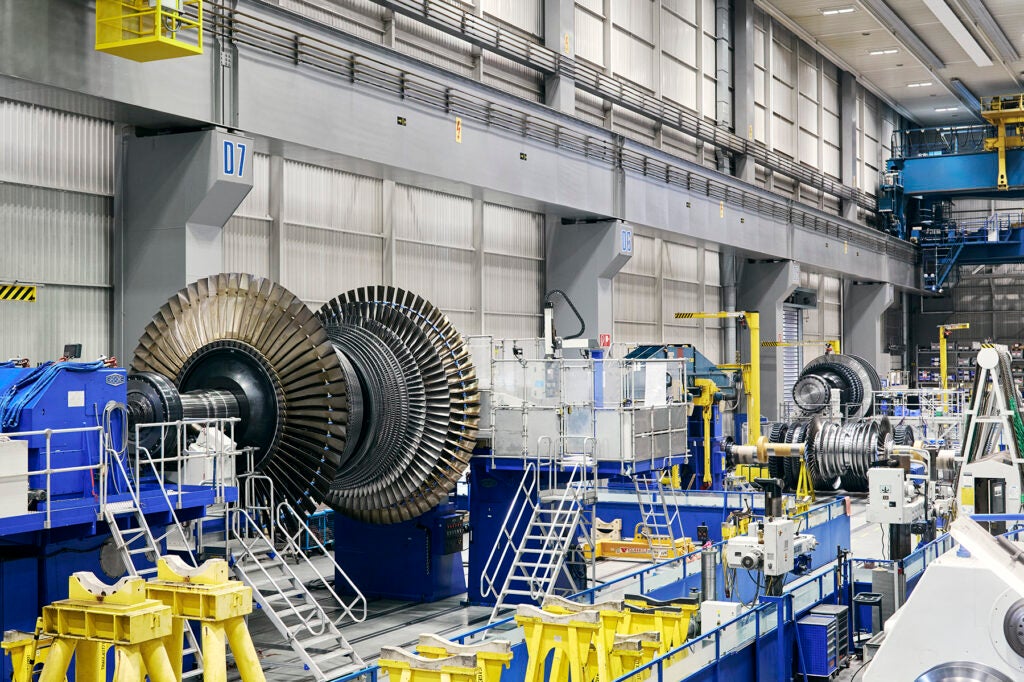
Siemens Energy supplies core equipment for the conventional (turbine) island, the safety-qualified instrumentation and controls (I&C), and the lifetime services that go with them. Each reactor type delivers steam at different conditions—or in some cases requires a Brayton rather than a Rankine cycle—so the company leans on a broad turbine portfolio honed across both nuclear and combined cycle work. Thien emphasized the value of overall system optimization: rather than letting reactor designers and steam-cycle designers optimize in isolation, Siemens Energy often works with developers to find a system-level optimum.
For SMRs, the engineering approach is largely the same as for large plants, just with more emphasis on modularization and standardization. The same logic carries over to I&C. Thien said the underlying control architecture is consistent across reactor types, but interface-level adjustments are needed depending on whether the system is integrating with a pressurized water reactor, a high-temperature gas reactor, or another design.
Tailoring to Customers, Sites, and Regulators
Plants must also be tailored to end use. Some customers want straightforward electricity. Others, such as industrial users or district heating networks, want process heat or a combination of products. Siemens Energy treats those adaptations as routine engineering.
Thien confirmed Siemens Energy is working with Rolls-Royce SMR and acknowledged it is in conversations with many other developers spanning early-stage concepts, pre-licensing designs, and projects nearing site-specific commitments. Differing national regulatory regimes add complexity, though Thien noted that regulators in the U.S., UK, and Canada are actively working to align requirements so developers don’t shoulder duplicate effort and cost.
Modernization, Lifetime Extension, and Restarts
Roughly 20% of the world’s reactors run on Siemens Energy I&C, and much of that fleet is aging. Modernizing non-safety functions, such as turbine controls, is comparatively routine, but updating safety-qualified components requires rigorous obsolescence management and re-qualification with regulators. Thien likened the effort to aerospace obsolescence work, where a grounded plane—or, in this case, an idled reactor—is unacceptable to the customer.
Service and lifetime extension are arguably as central to the nuclear renaissance as new builds. Thien pointed to U.S. plants pursuing 80-year operating lifetimes and to the Palisades restart as a landmark proof point that decommissioned plants can be safely brought back online. Even when a reactor’s thermal output stays flat, modernized turbines, generators, and control systems can squeeze out additional efficiency and power.
One Movement, Many Fronts
Whether you call it an upswing or a renaissance, nuclear’s revival isn’t a single story. It’s a parallel build-out of large reactors, SMRs, and advanced designs—paired with the equally important work of keeping the existing fleet running longer, more efficiently, and, in some cases, bringing it back from retirement.
To hear the full interview with Thien, listen to The POWER Podcast. Click on the SoundCloud player below to listen in your browser now or use the following links to reach the show page on your favorite podcast platform:
For more power podcasts, visit The POWER Podcast archives.
—Aaron Larson is POWER’s executive editor (@AaronL_Power, @POWERmagazine).