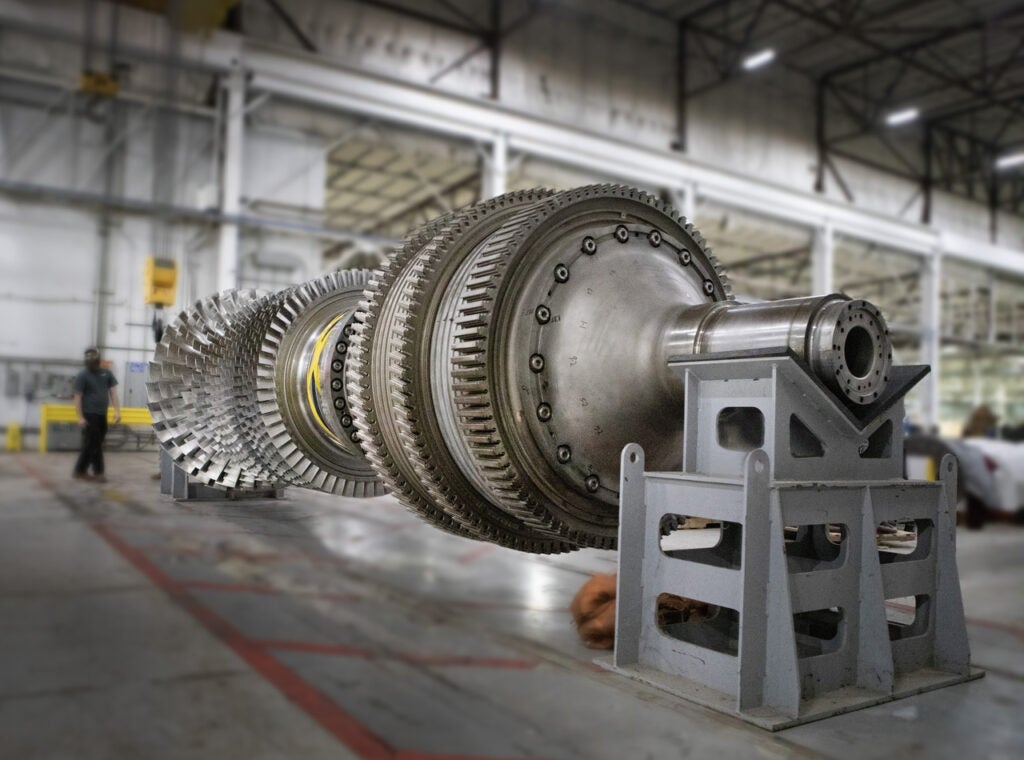
With hundreds of 7FA and 7EA gas turbines approaching end-of-life thresholds and industry-wide constraints on forgings and shop capacity, MD&A has invested a decade in reverse engineering, supply chain development, and production of rotor components to offer utilities an independent path forward.
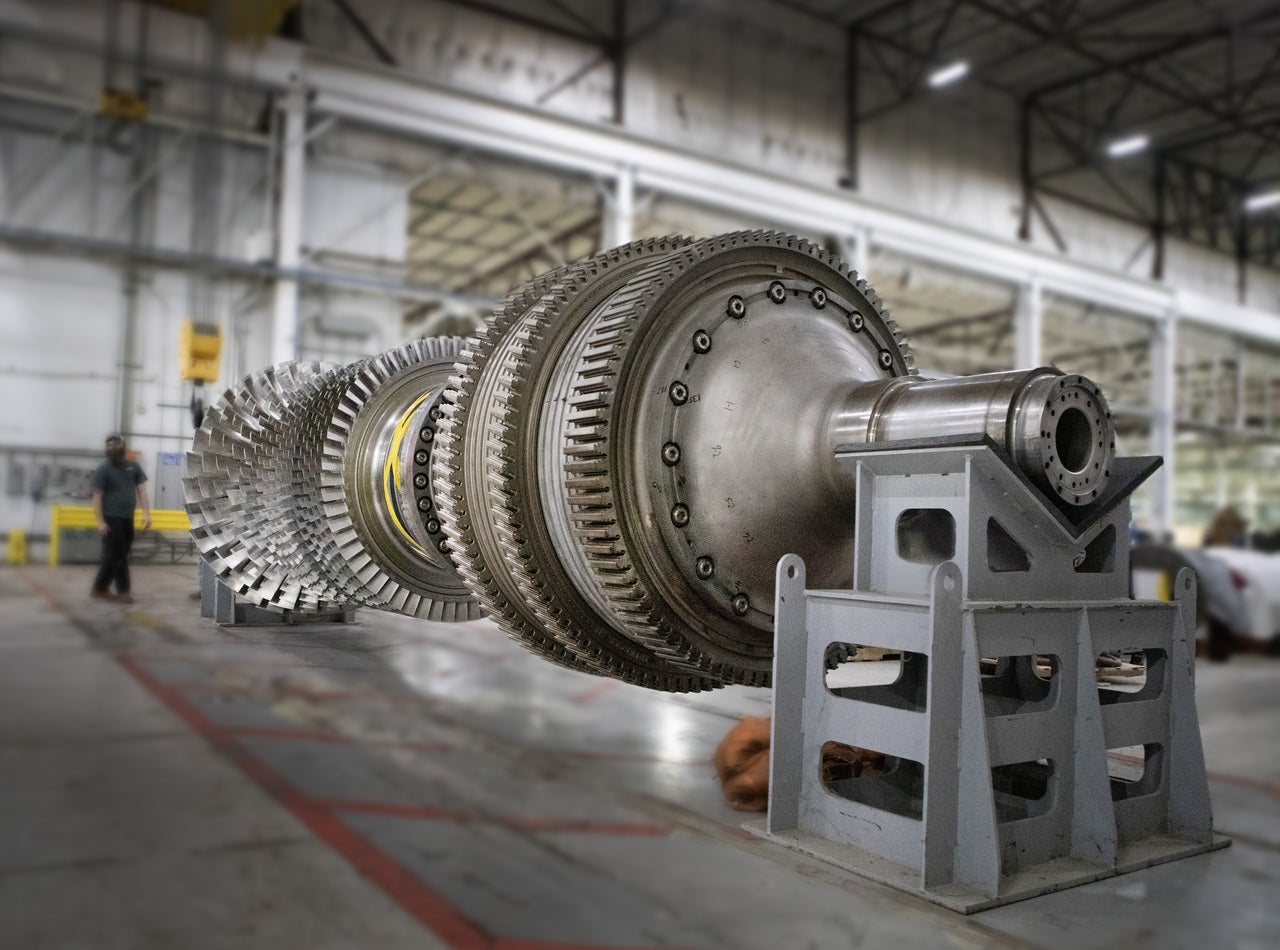
The gas turbine bubble of 2000 to 2004 saw between 600 and 700 GE 7FA machines installed across the U.S., with approximately 900 7EA units in operation worldwide. Two decades later, those units are converging on a common problem: rotor end-of-life. With the fleet facing a 144,000-hour, 5,000-start threshold set by the original equipment manufacturer (OEM), and with superalloy forging lead times stretching into years, the math presents a supply chain challenge that no single provider can solve alone.
MD&A, a Mitsubishi-owned company historically focused on steam turbines, recognized this convergence early. Beginning in the early 2010s under then-CEO John Vanderhoef, the company made a strategic pivot toward gas turbines, targeting the 7FA and 7EA frames specifically because of the sheer volume of installed units.
“When you want to get into a new industry, you focus on what investment to make based on what opportunities are out there,” said Dave Fernandes, MD&A’s Gas Turbine Program Manager. “The 7FA, and additionally the 7EA, were the two units of focus based on the sheer number of opportunities out there.”
Starting from Zero Hours
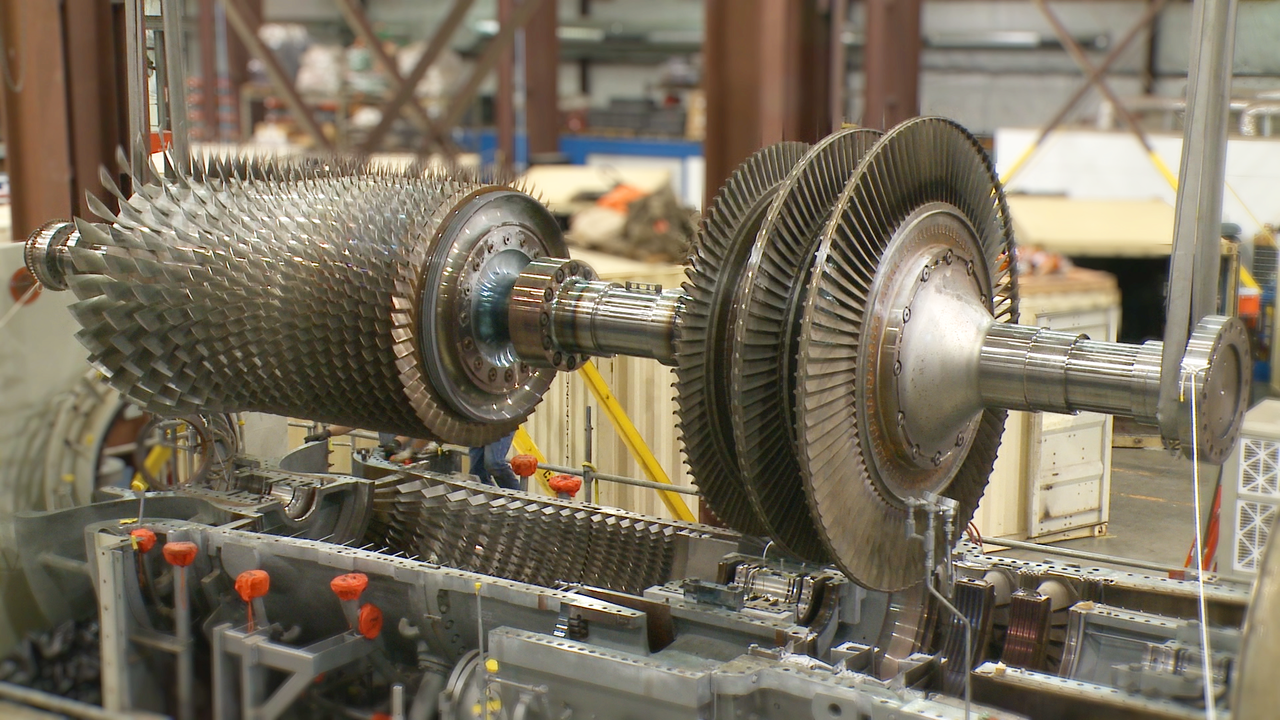
The foundation of MD&A’s reverse engineering effort was the acquisition of a 7FA.03 gas turbine and 7EA gas turbine, both of which had never been fired. Kevin Roy, MD&A’s Principal Engineer, Parts, who led much of the reverse engineering work, explained why zero-hour components were essential.
“You need something that is exactly as it was produced,” Roy said. “Those parts having not run, they’re exactly as they left the machine shop and left the factory. You don’t want to have to worry about how parts have worn over time or if they’ve deformed, trying to back into what it could have been.”
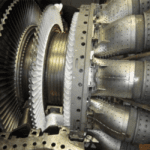
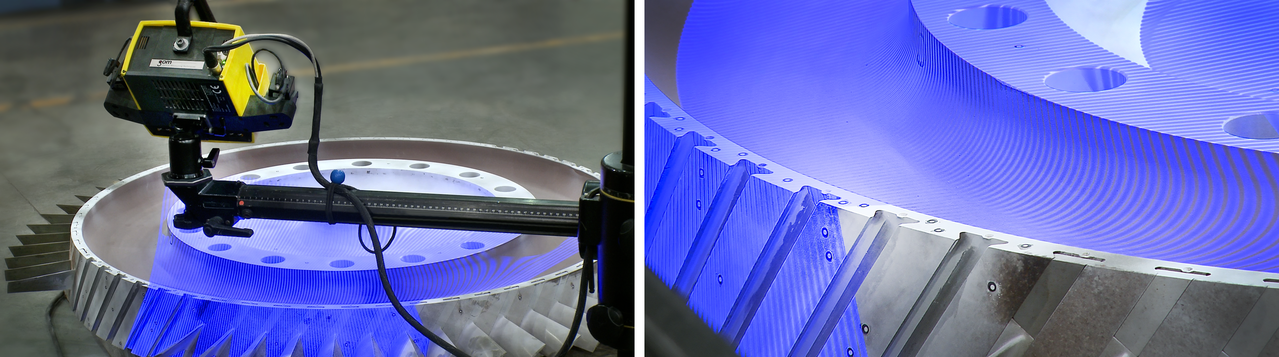
The reverse engineering process involved far more than dimensional scanning. Teams employed a combination of hand tools, coordinate measuring machines (CMM), and blue light scanning to capture geometry. But critical characteristics like coatings, shot peening, and surface finishes required hands-on expertise that no laser could provide.
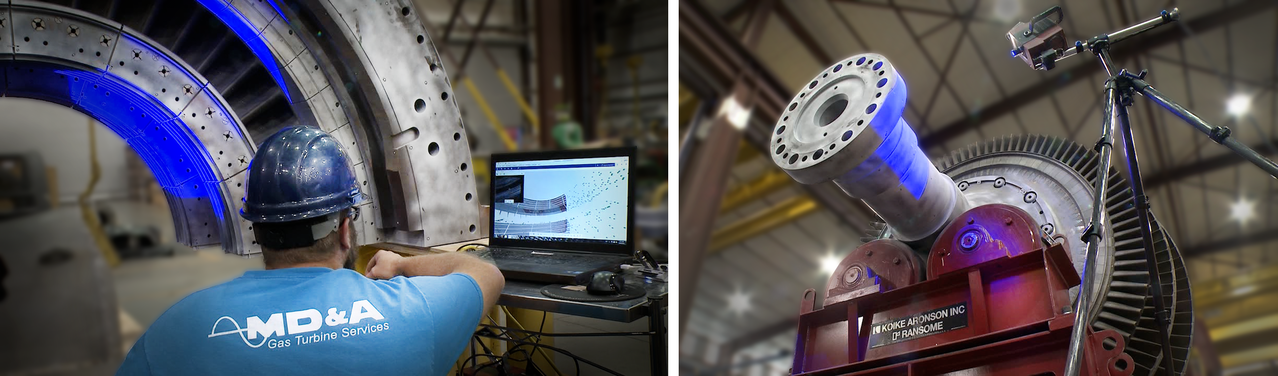
“It takes a lot of expertise and experience to understand what a coated part looks like versus a shot-peened part, what surface finishes are—all things that you’re not going to get from a laser scan or from a CMM measurement,” Roy noted.
Material characterization came from separate used components that could be destructively tested, while the unfired parts provided pristine geometric references. MD&A’s parent company provided metallurgical support and testing capabilities that proved essential during the development phase.
Building a Global Supply Chain
Creating detailed production drawings was only the first step. MD&A then had to identify vendors worldwide capable of producing forgings and machining the high-temperature alloys used in turbine sections to the required tolerances and surface finishes.
“This is very niche capability within the world,” Roy said. “We had to search the globe for vendors that were capable.”
The company evaluated both internal resources and external suppliers, optimizing the supply chain for quality rather than convenience. MD&A continues to expand its vendor network to provide redundancy for critical components.
Quality control operates on multiple levels. First-article inspections received intense scrutiny, but that rigor extends to ongoing production. Jason Wheeler, MD&A’s Gas Turbine Rotor Repairs General Manager, described the verification process. “We lean on our vendors that we’ve gained this experience and relationship with, but then we also check the parts when they show up in the shop,” Wheeler said. “We’re probably providing more scrutiny than these vendors might be doing for other similar parts. We’re pushing quality as high as possible.”
The Seed Rotor Strategy
MD&A’s approach centers on minimizing customer downtime through a seed rotor exchange program, a model the company already operates successfully for 7FH2 generators. Rather than having customers wait while their rotor undergoes inspection and refurbishment, MD&A aims to maintain ready-to-install rotors that can be exchanged, limiting outages to the time required for removal and reinstallation.
“The downtime for customers that come our way for rotor life extensions only involves disassembly, putting the turbine on a half shell, removing the rotor, putting it on stands, taking the rotor that we’re providing, putting it into the unit, reassembly, and startup,” Fernandes explained.
The returned rotor then enters MD&A’s refurbishment cycle, eventually becoming available for the next customer. Recognizing that lead times can stretch for years, the company maintains strategic inventory of the components most frequently replaced during life extensions.
The Convergence Problem
The urgency for operators to plan ahead stems from a convergence of factors. Between 800 and 900 7FA units in MD&A’s target market are approaching or have reached their rotor life limits within roughly the same timeframe. The superalloy forgings needed for life extension carry multi-year lead times. And only a handful of facilities worldwide have the specialized equipment and capabilities to service these large gas turbines.
“The number of units, coupled with the long-lead-time parts, coupled with limited shop space in the world are the three prongs which should give customers some angst and make it a high priority to get out in front of their rotor life extension needs,” Fernandes said.
The situation is compounded by the data center boom driving increased utilization of existing gas turbine assets. Units that operators might have expected to run intermittently are now logging hours at higher rates, accelerating the timeline to end-of-life thresholds.
Wheeler emphasized that customers who wait for a forced outage to address rotor issues face the worst outcomes. Added Roy, “If you know you need a rotor in three to five years, it starts getting built today. These are not parts that get built in a week. These are parts that take multiple years to be produced.”
Proving the Concept
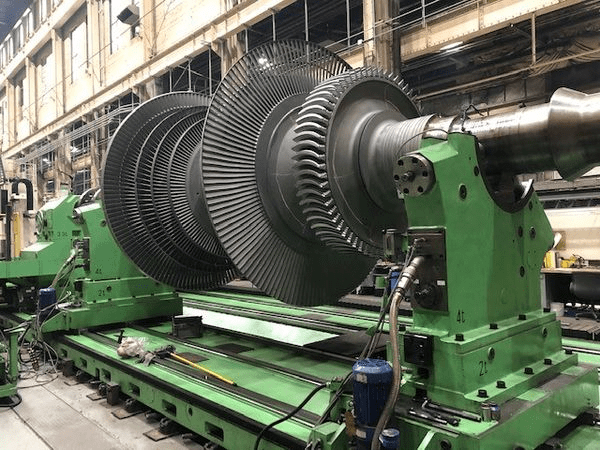
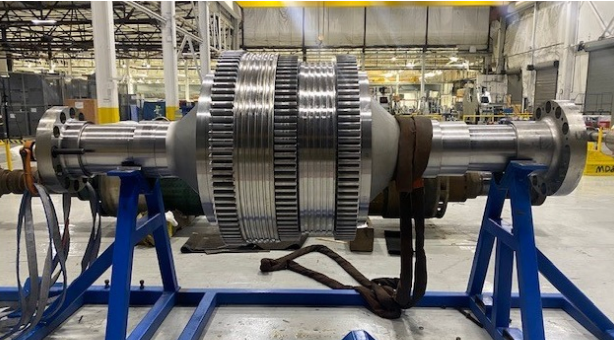
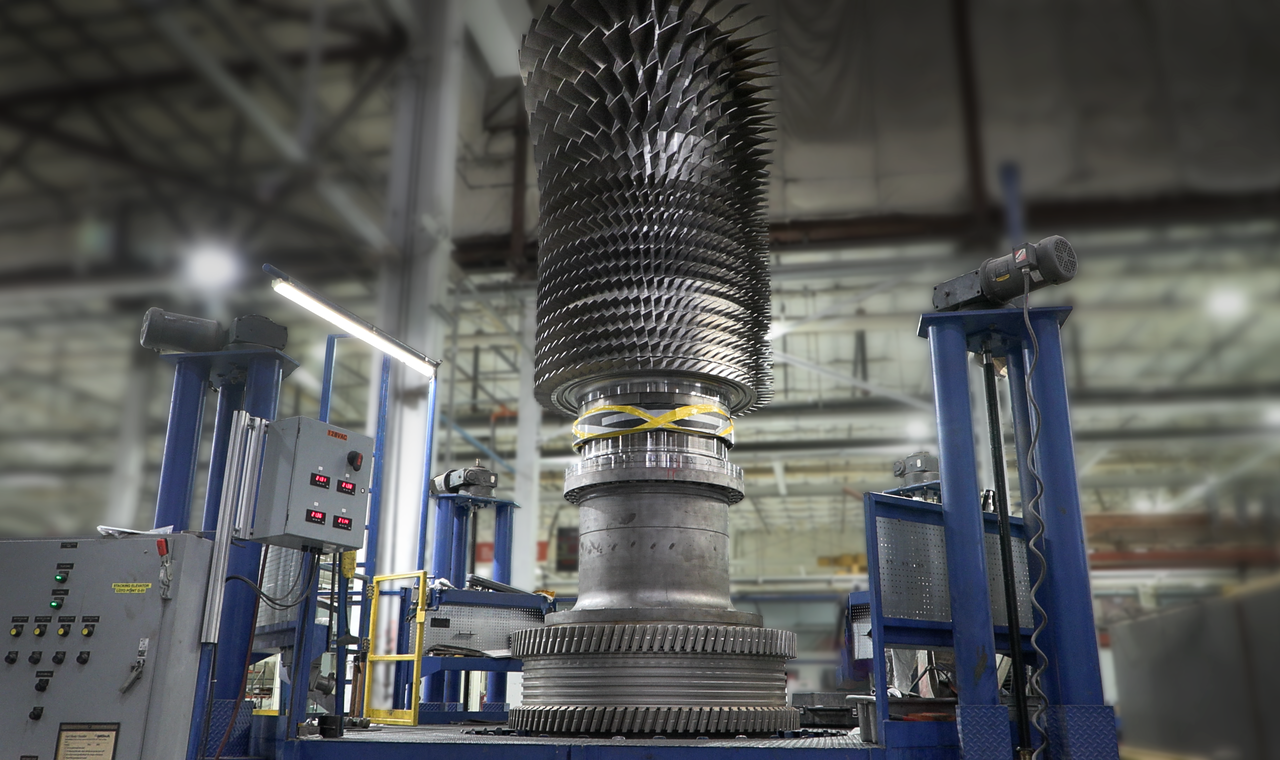
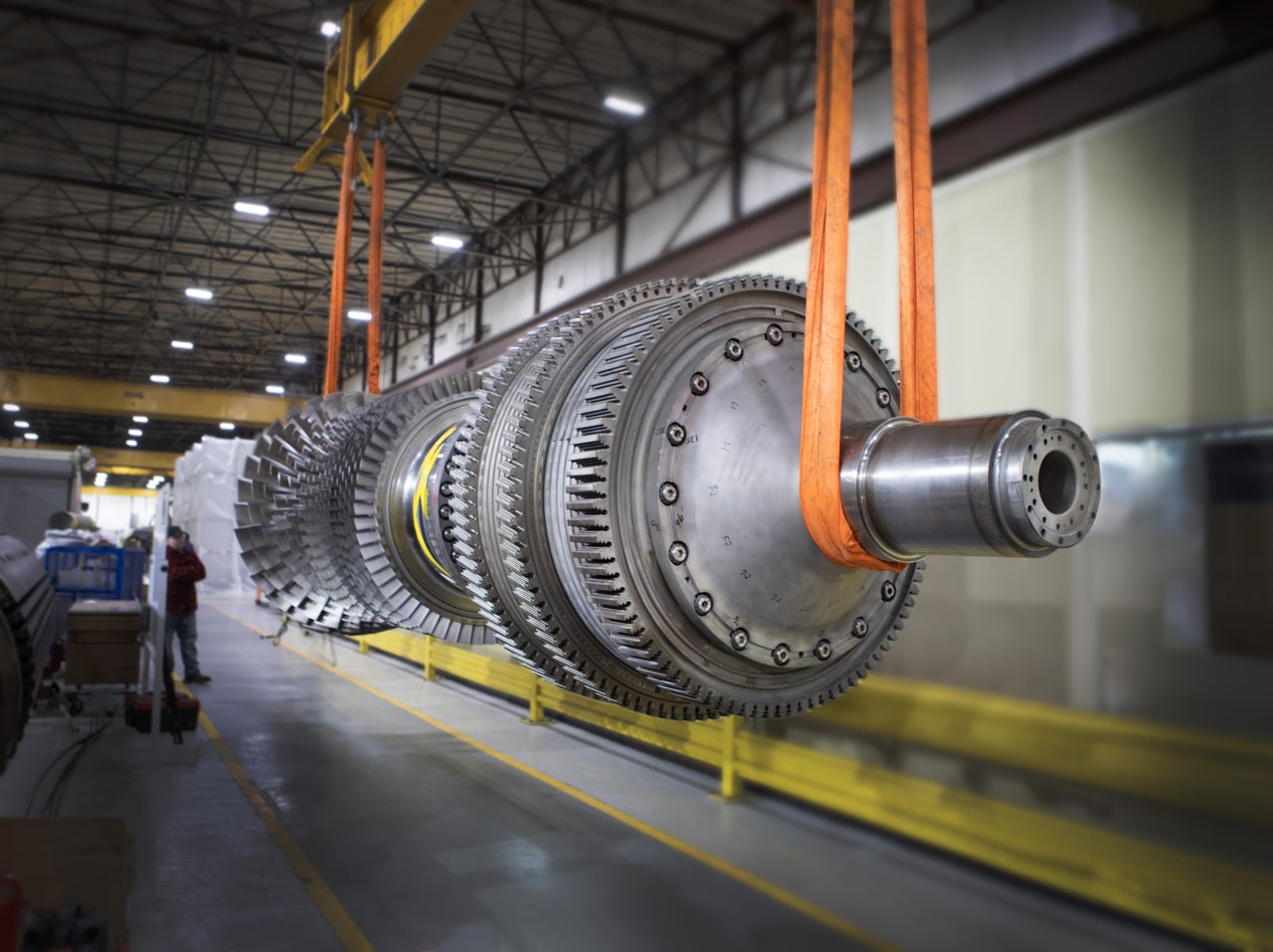
MD&A has completed several 7FA and 7EA rotor end-of-life inspections and refurbishments, but the 7FA.03 rotor currently in the St. Louis shop represents a milestone. It’s the first 7FA.03 rotor purchased specifically for the company’s seed rotor program to go through the full production cycle with newly manufactured MD&A components integrated alongside serviceable original parts.
“There’s a fear that what you’ve done over the past 10 years is not going to line up, not going to be correct, not going to mate up to old-run mating components,” Wheeler acknowledged. “On the rotor that’s stacked right now, there are a couple of new wheels intermixed in the middle of a compressor with a bunch of old wheels. They mated up to the old wheels perfectly—as expected and designed.”
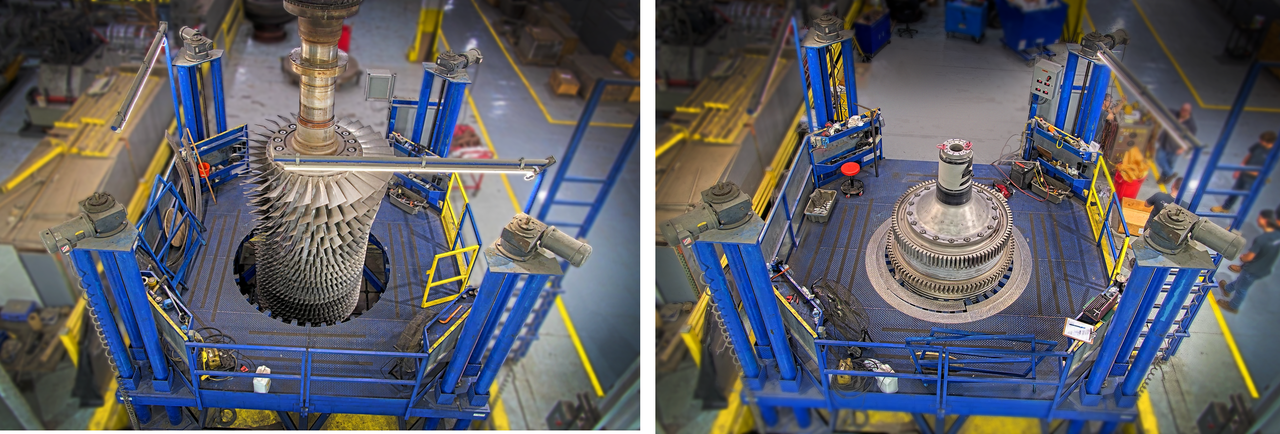
MD&A has delivered a life-extended 7FA.03 rotor to a leading power producer in 2026. In a highly risk-averse power generation market, a major owner’s decision to partner with MD&A and move forward with this deployment underscores strong confidence in both the 7FA Rotor Life Extension program and MD&A’s ability to execute it end-to-end.
The successful integration validates MD&A’s decade-long investment and positions the company to offer utilities an alternative path for extending the life of their 7FA and 7EA fleet, one that doesn’t depend solely on OEM capacity and timelines. For operators running 7FA and 7EA gas turbines beyond their original design life, the message from MD&A is clear: the time to plan is now, because the forgings needed three years from now need to enter production today.
To hear the full interview with Fernandes, Roy, and Wheeler, listen to The POWER Podcast. Click on the SoundCloud player below to listen in your browser now or use the following links to reach the show page on your favorite podcast platform: