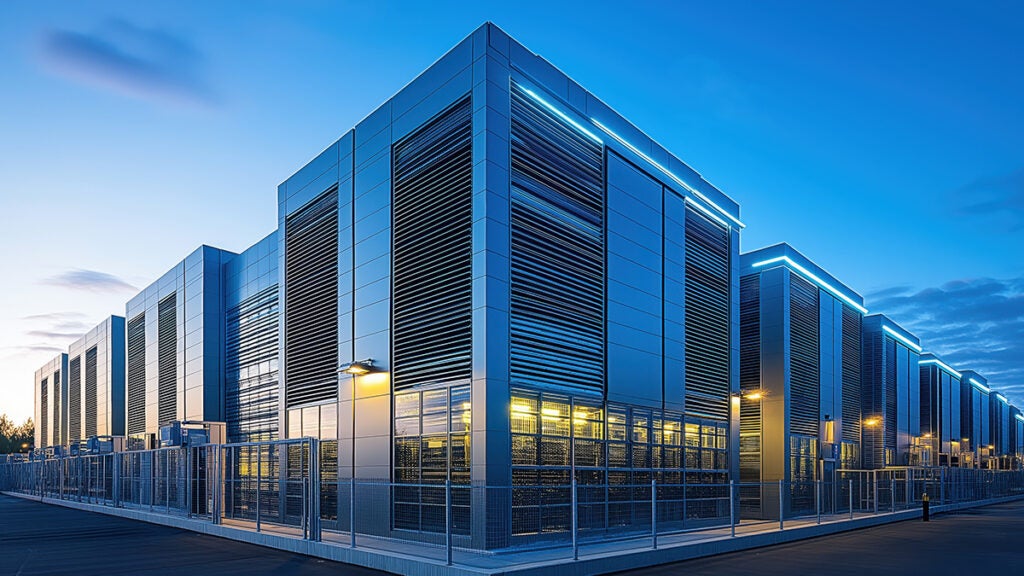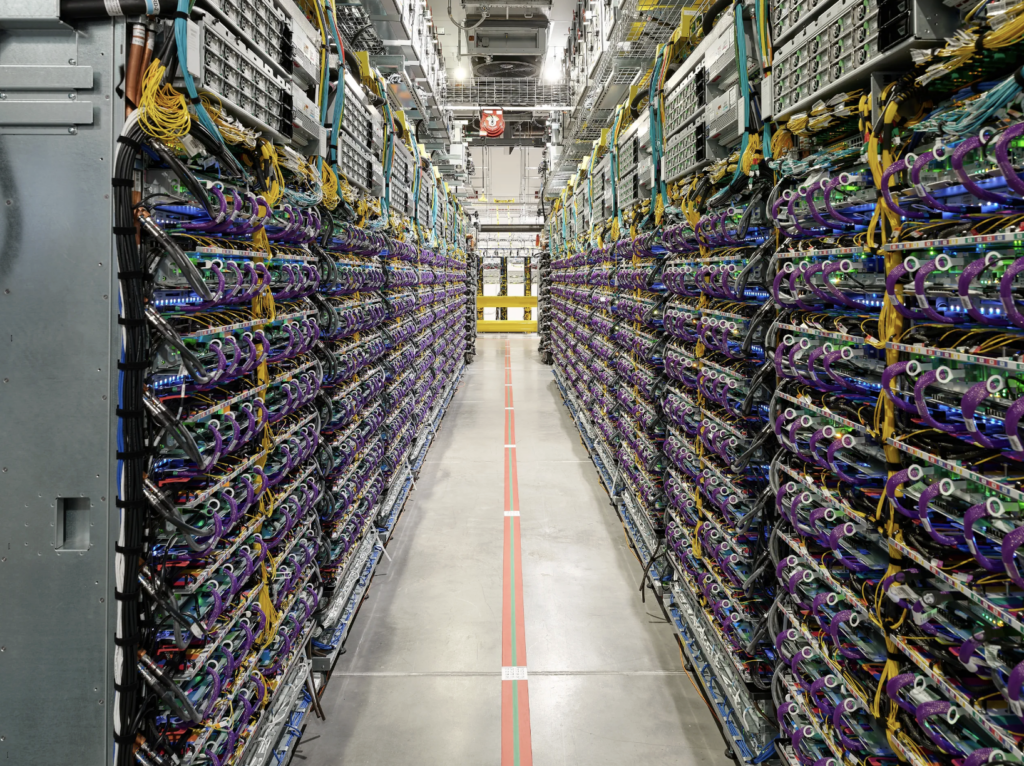
Google will invest $15 billion in Missouri infrastructure, including a new data center in New Florence, Montgomery County, in a project that pairs its expanding data center footprint with new generation commitments, a large-load cost-allocation framework, and Ameren Missouri rate structures designed to protect existing customers from infrastructure costs tied to large energy users.
“When Google builds data centers, the company pays for 100% of the power it uses, and it will cover the infrastructure costs directly driven by its operations,” Google said on May 20 as it announced the New Florence investment. The company also said it is contracting to bring more than 1 GW of new generation capacity to Missouri.
Under a capacity commitment framework (CCF) already embedded in tariffs approved by the Missouri Public Service Commission (PSC), Google is supporting the development of more than 500 MW of additional capacity through its partnership with St. Louis-based electric and gas utility Ameren, though it is unclear whether the 500 MW is part of the 1 GW total. Google did not disclose specifics of the New Florence facility, including expected load in megawatts, square footage, project timeline, generation fuel mix, or specific grid infrastructure needs.
What Is a Capacity Commitment Framework?
As Google has explained, a CCF is a contract model “that offers a common-sense solution for large energy customers to responsibly buy electricity without burdening others with the costs of building infrastructure for new projects.”
Under a CCF, a large energy customer’s financial obligations are calculated on the basis of power requested—as opposed to power ultimately consumed—which means that if the customer’s actual load falls short of projections, the cost of unused infrastructure built to serve them shouldn’t fall on ordinary ratepayers. To that end, large energy customers sign binding, long-term contracts committing sufficient revenue to cover the utility’s investments made on their behalf, and the framework requires guaranteed minimum payments, a security deposit or equivalent financial security, and transparent fees for capacity reductions or cancellations.
“The CCF is designed to shield American families from having to bear the costs of large energy customers and to ensure they benefit from a more affordable and reliable grid. It unlocks growth for major industries, creating jobs and supporting American economic competitiveness,” Google explains. “And it allows utilities to build with confidence, which is urgently needed.”
On Nov. 24, 2025, notably, the Missouri PSC approved a unanimous settlement—signed by Google, Ameren Missouri, Evergy Metro, Evergy Missouri West, the Sierra Club, Renew Missouri, and Missouri Industrial Energy Consumers—embedding the framework in a PSC-approved tariff that mandates 12-to-17-year minimum service contracts, collateral equal to two years of minimum bills, and an 80% minimum monthly demand charge.
According to the Missouri governor’s office, Google’s power and infrastructure cost commitments announced on Wednesday are being made “in accordance with Missouri’s consumer protections in Senate Bill 4 (SB4),” which Gov. Mike Kehoe signed on April 9, 2025. The law requires large utilities to develop tariff schedules for customers with annual peak demand above 100 MW, specifying that costs incurred to serve those customers cannot be passed on to other customer classes. In a separate but related threshold, the PSC-approved Ameren tariff applies to customers forecasting 75 MW or more of monthly peak demand.
“This is the largest economic development project in Ameren Missouri’s service territory, and our new large load rate structure is designed to ensure we continue to deliver safe, reliable electric service for all customers at the lowest cost possible, with robust protections and generational benefits for the communities we serve,” Martin J. Lyons Jr., Chairman, President, and Chief Executive Officer of Ameren Corporation, said on Wednesday.
During its first-quarter 2026 earnings call on May 6, Lyons said Ameren Missouri had already signed energy services agreements (ESAs)—binding, long-term contracts—for 2.2 GW of new large load capacity as of February, out of a total 3.4 GW of construction agreements in Missouri. He added that Ameren expected to convert a portion of the remaining 1.2 GW to additional ESAs “in the near term.”
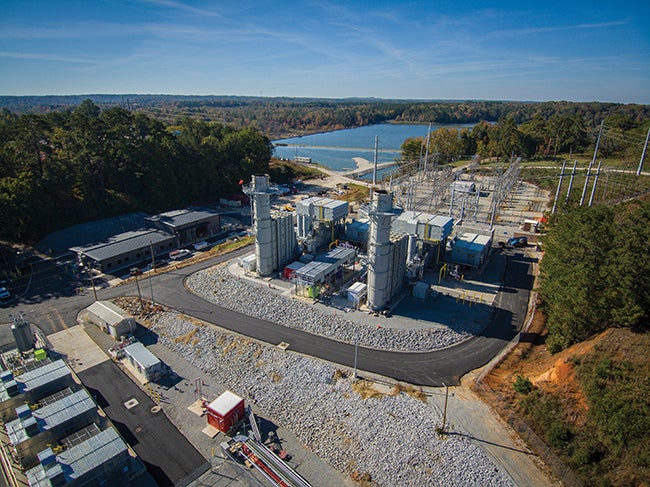
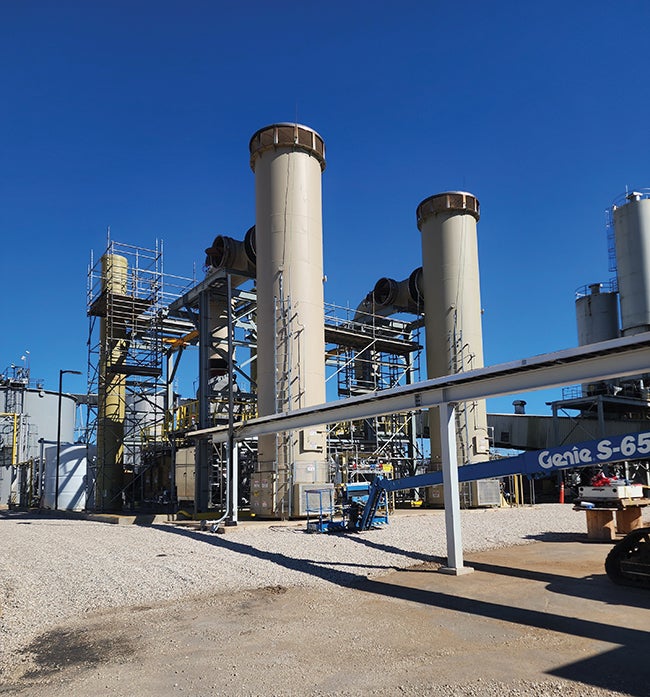
Beyond those, Lyons said, Ameren has “several gigawatts in each state”—Missouri and Illinois—at the engineering study stage, including expansion conversations with hyperscalers that have already signed agreements. Ameren’s base sales growth plan assumes 1.2 GW of new load by 2030. The company has more than 5 GW of new generation resources planned through 2030, including two 800-MW simple-cycle natural gas plants—Castle Bluff and Big Hollow—expected to begin serving customers in 2027 and 2028, respectively (Big Hollow is also paired with 400 MW of co-located battery storage) and a 2,100-MW combined-cycle facility planned for 2031.
Google’s Procurement Toolkit
Google, meanwhile, has been building its own power procurement portfolio to support its data center expansion, deploying different contractual instruments depending on the regulatory environment in each state. The CCF—now formally embedded in PSC-approved tariffs in Missouri through Google’s partnerships with Ameren and Evergy—is one of several tools.
In Nevada, Google developed the Clean Transition Tariff (CTT) with NV Energy, approved by the Nevada Public Utilities Commission (PUCN) in May 2025, under which Google funds 115 MW of enhanced geothermal capacity from Fervo Energy—paying the premium above least-cost alternatives so that existing ratepayers bear none of the incremental cost. In Minnesota, Google and Xcel Energy structured a Clean Energy Accelerator Charge (CEAC)—an instrument that mirrors the CTT model but carries a distinct name under Minnesota regulation—supporting 1,400 MW of wind, 200 MW of solar, and a 300 MW/30 GWh iron-air battery storage system from Form Energy, the largest long-duration storage project by energy capacity announced to date.
In Indiana, Google was a signatory to a joint settlement with Indiana Michigan Power (I&M), Amazon Web Services (AWS), Microsoft, and Indiana ratepayer advocates, approved by the Indiana Utility Regulatory Commission (IURC) in February 2025. The effort sought to establish long-term financial commitments for large load customers proportional to their contracted peak capacity.
On the supply side, meanwhile, Google has executed three 20-year power purchase agreements (PPAs) with Clearway Energy Group in January 2026 covering 1.17 GW of carbon-free generation across Missouri, Texas, and West Virginia, and signed a hydropower framework agreement with Brookfield to upgrade and relicense two Susquehanna River dams in Pennsylvania—which represent the first contracts under a broader framework contemplating up to 3 GW of hydropower nationally. Across all instruments, Google has contracted for more than 22 GW of clean energy since 2010.
Community Commitments
On Wednesday, Google also announced a $20 million Energy Impact Fund for targeted home weatherization and efficiency initiatives intended to lower utility bills in Montgomery, Clay, Platte, and other counties surrounding its planned data centers in Kansas City and New Florence. One of the first recipients will be North East Community Action Corporation (NECAC), which will use the funding for home repairs and energy-efficiency upgrades in and around Montgomery County, as well as expanded equipment, tools, and capacity for its Weatherization Apprenticeship Program. The fund’s governance structure, disbursement criteria, and accountability mechanisms were not disclosed.
“Our core mission has always been to empower low-income families and strengthen our neighborhoods, and central to this is ensuring home energy costs are truly affordable,” said Carla Potts, Deputy Director of Housing Development Programs at NECAC. “With this partnership, we are directly addressing the burden of high utility bills through vital home repairs and upgrades, while investing in our future workforce.”
Google is also funding the Laborers and Contractors Training Center in Montgomery County to train more than 2,300 construction laborers—including 1,500 apprentices—over the next two years. Those are construction-phase positions. Direct operational headcount—the long-term roles that remain once the facility is running—was described only as “hundreds of roles”; wage ranges and total compensation figures were not disclosed. Google’s existing Skilled Trades and Readiness (STAR) program in Kansas City has produced approximately 130 graduates to date, the majority now employed in construction or trades roles.
The New Florence data center will use advanced air-cooling technology, limiting water consumption to non-process uses such as facility kitchens, Google said. The company is also supporting the Missouri SWAN Smart Irrigation Initiative, a watershed program that helps participating farms optimize irrigation and reduce agricultural runoff to protect surface and groundwater supplies. Google said it replenishes more freshwater than it consumes across its operations, though site-specific consumption figures for the New Florence facility were not disclosed.
—Sonal C. Patel is a senior editor at POWER magazine (@sonalcpatel, @POWERmagazine).