Solar canopies are unlocking clean energy potential in some of the built environment’s most underutilized spaces, but success depends on getting the details right.
Solar canopy projects above parking surfaces are doing more than generating clean power. They’re also boosting the renewable energy industry at large. By supporting electric vehicle growth, optimizing land use, and enhancing site usability, they extend the reach of renewables and broaden the range of benefits far beyond mere energy production. Parking lots are one of the most underutilized surfaces in the built environment and represent doors of opportunity for renewables growth.
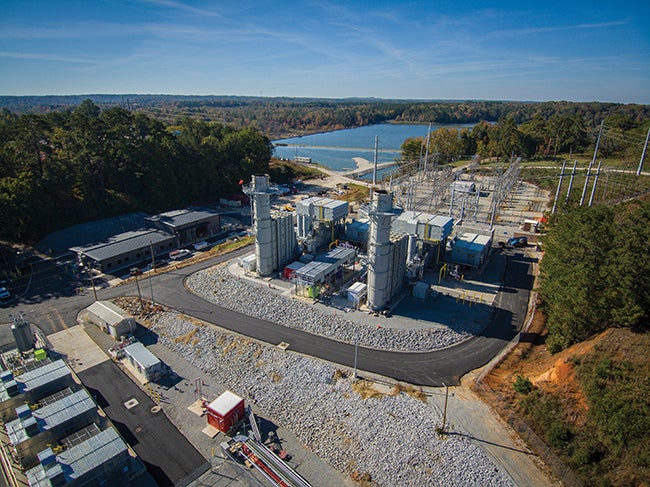
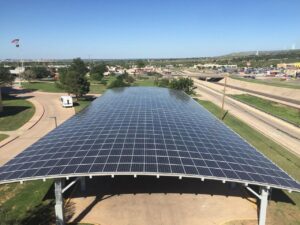
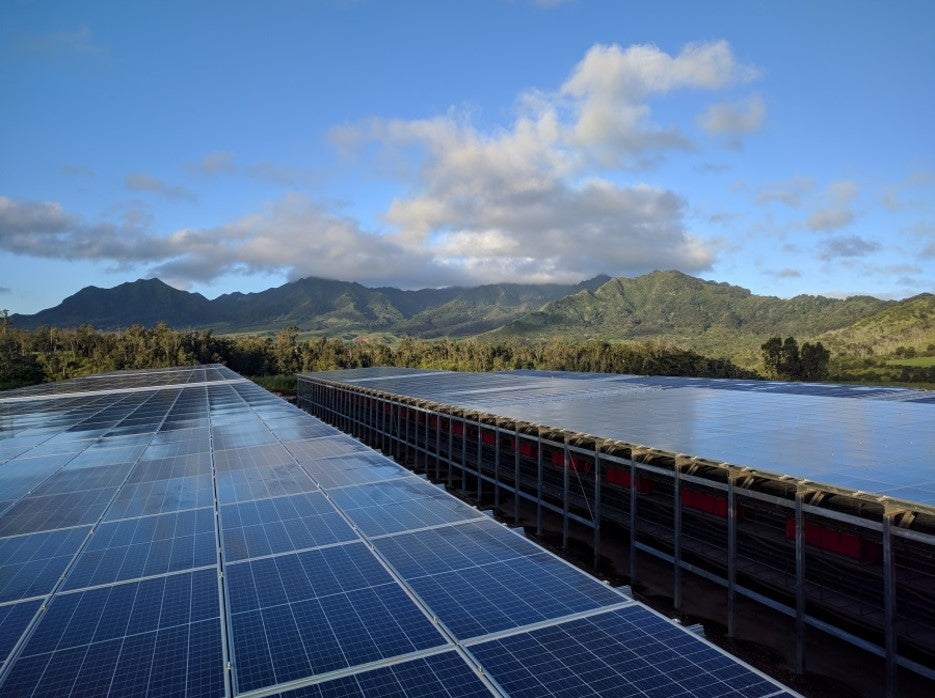
More specifically, demand for garage and surface parking lot canopies (Figure 1) is growing for multiple reasons. Distributed energy resources (DERs) provide direct energy savings to the owner and more autonomy for the owner via on-site power generation. Further, with net new utility-scale solar sites becoming increasingly challenging to find and concerns about land use competition still common, canopy solar offers an alternative that can be installed on smaller footprints.
It’s true that solar canopies pose a number of challenges that are different to those in ground mount solar, but an experienced partner will be able to simplify this complexity. Project economics are dependent on loading conditions, layout, structural design, and flawless construction execution—making an experienced engineering, procurement, and construction (EPC) contractor, and racking partner imperative. Weighing design considerations, mitigating risks, and working with knowledgeable partners are all keys to successful and productive canopy projects.
Structural Considerations and Risk Mitigation
The success of solar canopy projects rests in decisions made before construction begins. From selecting the right structural configuration to evaluating subsurface conditions and planning site logistics, every early-stage choice shapes the project’s cost, performance, and long-term resilience.
In This Issue
Full issueConfigurations. There are five primary structural configurations in solar canopies, which vary by site conditions and project goals. Selecting the best-fit configuration requires balancing structural requirements, cost, energy output, and site constraints.
T-structures (monoslope) are the most common, offering about a 7-degree tilt and generally the lowest cost. Truss structures have a webbed design that supports wider spans and provides additional protection against high wind or snow loads. Long-span systems, with a max tilt of 3-degrees, cover the drive aisles between parking rows and maximize photovoltaic (PV) density. Inverted canopies channel water and snow to a central gutter, simplifying drainage, while an alternating-slope design helps capture solar production where south-facing orientation is limited.
Soils and Foundations. Understanding geotechnical conditions and underground utilities early in the planning process is necessary to determine the right foundation. Knowing your subsurface conditions can significantly reduce total costs and mitigate the risk of delays and budget overages. Soil characteristics and underground utilities determine foundation depth, type, and placement. It’s critical to examine subsurface conditions in depth, even if past analysis was done. The type of foundation you select—whether at grade, raised pier, helical pile, or direct burial—is based on finding the right balance of cost efficiency while also meeting the structural demands of the project.
Optimizing Layouts. When selecting the right layout for your project, it’s crucial to consider your project goals. Is it better to maximize coverage and energy output, or to optimize for costs? While maximizing coverage may give you the highest output by utilizing a mix of aisle and perimeter structures, it will also likely drive costs up. Optimizing a layout for costs increases the number of modules per foundation, streamlining constructability. To do this, engineers typically utilize aisle structures with six to seven modules across a span covering two parking rows. This kind of layout reduces the number of foundations and structural material required. Cantilevered purlins can further extend module rows beyond the primary structural spacing.
Maximizing the amount of PV per foundation will save material and installation costs. However, since solar canopies typically play a central role in determining the overall look of the approach to a business, especially when placed over the parking lot, owners may be willing to pay more to have the aesthetics match their overall design. A curved layout, finishing trim, or custom paint are all premium features that help tie in the look of the solar canopy to the larger business design.
Preplanning. Logistics planning is also essential and a significant factor in mitigating risk. Pre-planning includes mapping underground utilities, identifying access points, and coordinating construction staging areas. Construction staging can be particularly tricky in dense urban areas, where many parking structures are located, and it requires meticulous planning to ensure equipment and crews can access the build site without issues.
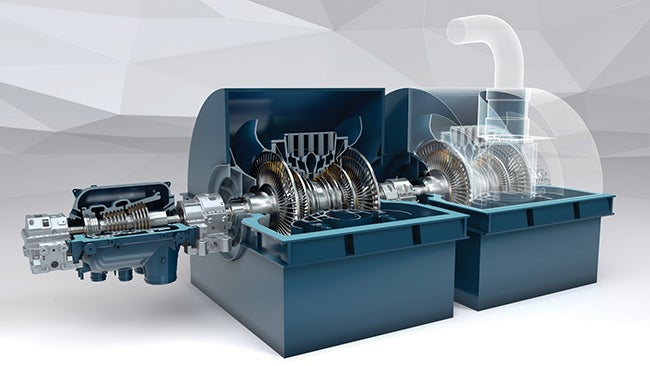
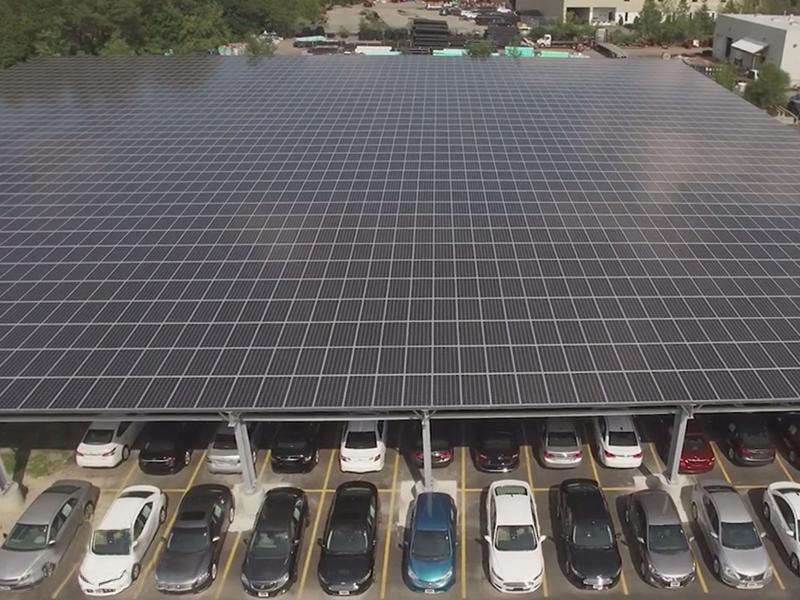
Engineering design is of course another pre-planning factor important in controlling both the cost and structural performance of solar canopy systems (Figure 2). Accounting for wind, snow, seismic conditions, module weight, and foundation types is critical in the pre-planning phase.
What to Look For
When assessing a potential partner in canopy design and installation, look for a one-hand-to-hold partnership that simplifies complexity by handling design, engineering, fabrication, shipping, and installation. This partner can streamline timelines, provide seamless customer service, and adjust more easily to any construction surprises, such as inclement weather.
On the structural front, look for a partner that offers versatile canopy structures and has an engineering team that can customize design and layouts to maximize solar production and cost efficiency. Well-planned construction sites accelerate delivery. Review past case studies that show a team’s ability to pre-plan carefully and deliver on time and on budget. Even the most meticulously designed sites need expert construction execution to reach commercial operation without delays or cost overruns. Seek out a team that offers end-to-end service.
Design Considerations
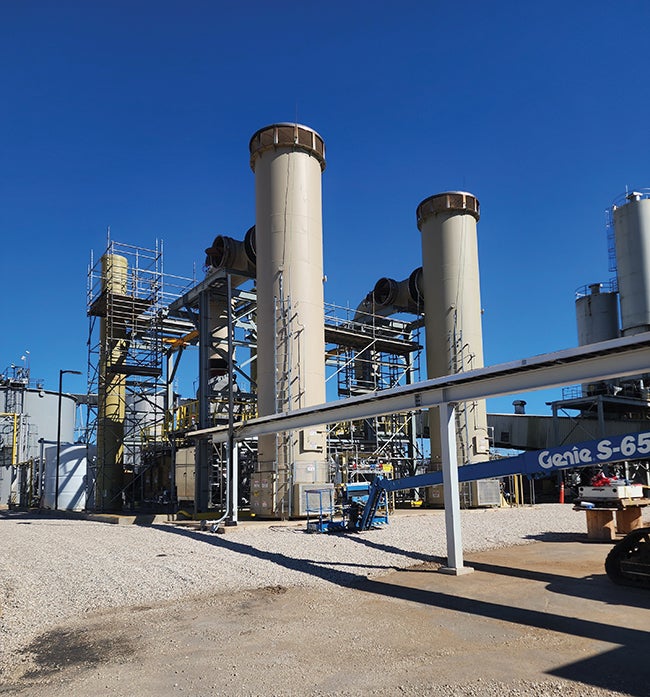
Beyond structural planning, a solar canopy must be designed to work with its environment—managing weather, integrating complex electrical systems, and complementing the architecture it’s attached to. Getting these design elements right ensures the canopy performs reliably while preserving the look and function of the space beneath it (Figure 3).
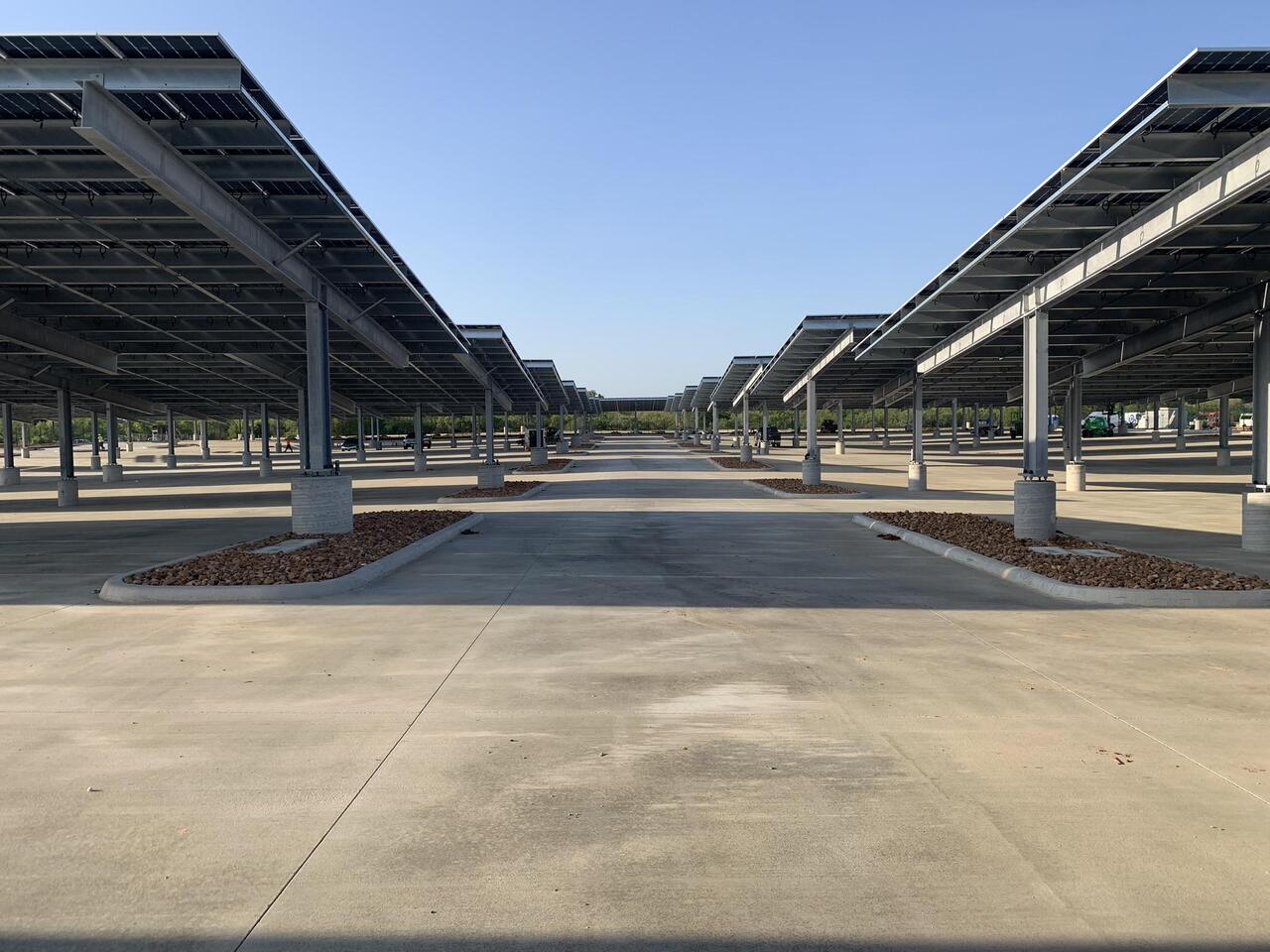
Water and Snow Management Systems. Water management is a critical component of solar canopy design, especially in regions with heavy precipitation or snow loads. Water management systems protect vehicles and pedestrians beneath the canopy and prevent longer-term damage to existing structures.
To manage water and snow, two primary metal roofing approaches—top-deck systems and under-deck systems—collect and funnel accumulated precipitation through integrated gutters into landscaping or drainage areas. For snow specifically, snow guards can prevent sudden snow slides and controlled melting measures prevent excess water drainage and allow for more gradual runoff. In regions like the Midwest that experience heavy rain and snow, inverted canopy designs that include an integrated decking, gutter, and downspout system to funnel precipitation away from the parking lot are particularly effective.
Equipment Integration. Below a solar canopy is a complex web of electrical infrastructure, with inverter mounting, combiner boxes, and conduit pathways supporting power generation. Adaptable mounting systems allow for flexible placement and easy maintenance access. Because nearly all parking structures were built years ago without canopies in mind, custom mounting solutions are often the best approach to meet site-specific requirements.
Architectural and Aesthetic Integration. Adding canopies to the built environment versus building on a rural field adds new architectural and aesthetic considerations to the mix. High profile companies such as Samsung, Mercedes-Benz Stadium, Owens Corning, and Cisco have procured solar canopies as a way to stabilize energy procurement costs and make their operations cleaner.
Still, functional changes need to enhance the usability and appearance of a major headquarters, not diminish it. Canopy installations can match existing design elements, including decorative trim and branding colors, so commercial buildings maintain desired aesthetics while meeting energy reduction targets and streamlining costs.
Solar Canopies Are Changing the Renewables Game
With millions of acres of parking surfaces across the U.S., solar canopy systems represent a substantial opportunity to expand solar generation while maximizing the value of existing infrastructure. As electrification grows, the efficiency of turning built structures into distributed energy resources makes canopy projects more attractive, particularly as land competition continues. By opening new doors for solar, DER, and other technologies in a single project, solar canopies are creating ongoing value across the renewables value chain.
—Wes Pauly is Technical Canopy Sales Lead with Terrasmart.