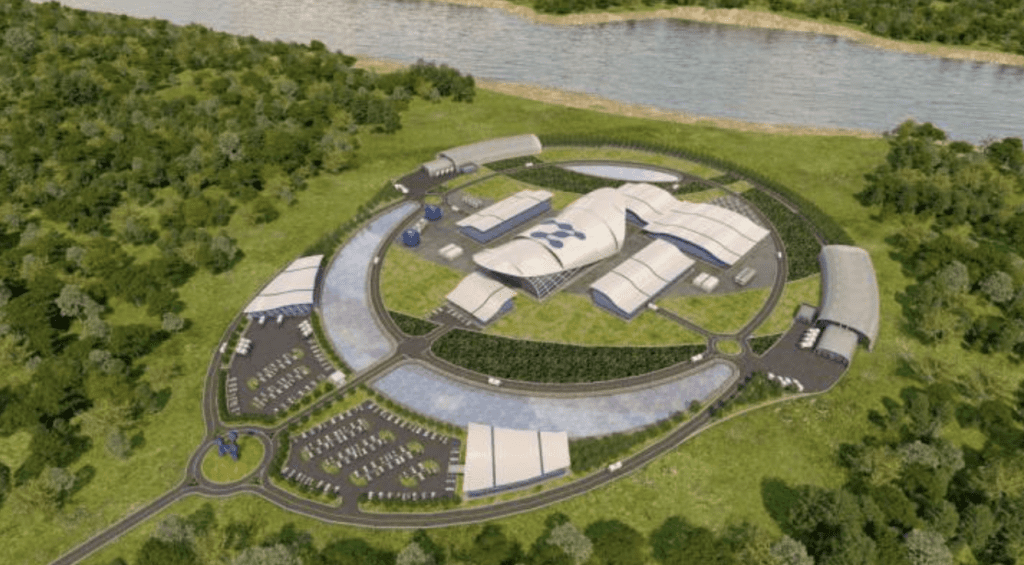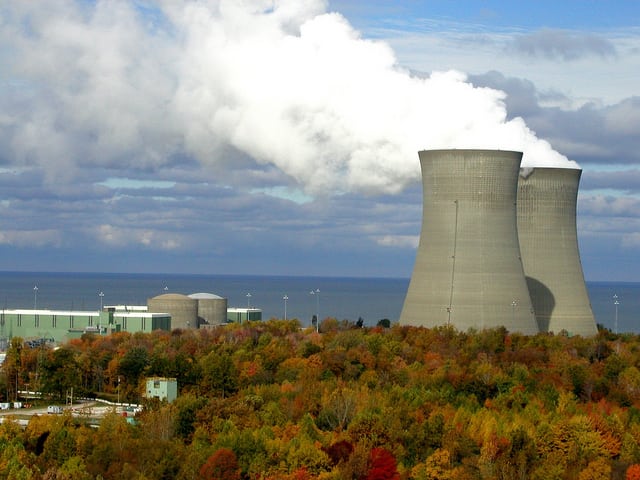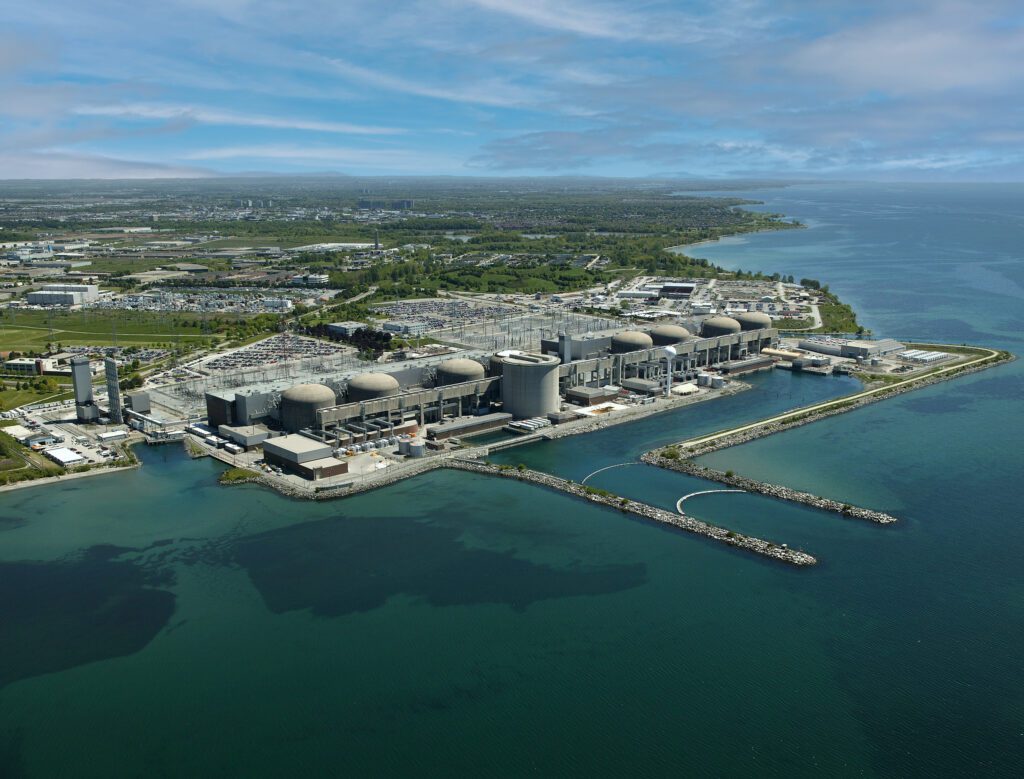
Ontario took its most decisive step yet toward building Canada’s first large-scale nuclear station in more than three decades, directing the Independent Electricity System Operator (IESO) to enter a cost-sharing and recovery agreement with Bruce Power to advance pre-construction work on the proposed Bruce C project.
The agreement, announced on May 7 by Energy and Mines Minister Stephen Lecce, unlocks roughly $300 million for First Nations and community engagement, workforce planning, site preparation, and pre-construction activities scheduled to be completed by 2030. If the full project proceeds through federal regulatory approvals, Bruce C would add up to 4,800 MW of new nuclear generating capacity at the existing Bruce site on Lake Huron.
Provincial figures cited in the announcement project a $238 billion contribution to Canada’s gross domestic product (GDP), 18,900 jobs during construction, and 6,700 permanent jobs once the station is operational. The Ontario Chamber of Commerce, in a recent report, estimated the project would funnel an annual average of $2 billion in local GDP, $427 million in labor income, and 3,400 full-time jobs to surrounding Bruce, Grey, and Huron county communities.
“At a time when our economy faces threats from abroad, Ontario’s government is doubling down on made-in-Canada nuclear power,” Lecce said in a statement, framing Bruce C as the centerpiece of a continent-leading nuclear expansion that he said could ultimately put 150,000 Canadians to work. He added that the project is intended to “transform Bruce Power into the world’s largest nuclear generating facility.”
A Long Arc from 2023 Announcement to Today’s Commitment
The May 7 announcement is the most consequential follow-through on a process that began in July 2023, when the province first directed Bruce Power to launch community consultations and a federal environmental assessment to evaluate the feasibility of siting up to 4,800 MW of new nuclear generation at the existing Bruce site. That earlier announcement, made under former Energy Minister Todd Smith, framed pre-development work as a precaution against electricity demand that—for the first time since 2005—was beginning to climb.
In 2024, Bruce Power formally launched the federal Impact Assessment process by submitting an Initial Project Description to the Impact Assessment Agency of Canada. That assessment, the first in a multi-year approval pathway for new large-scale nuclear projects, is expected to be completed in 2028. A Licence to Prepare Site from the Canadian Nuclear Safety Commission (CNSC) will follow.
The May 7 cost-sharing direction sits alongside a 2024 Minister’s Directive that established the original IESO–Bruce Power funding arrangement for the federal Impact Assessment work. Together, the agreements give Bruce Power a clearer financial runway to advance engineering studies, vendor qualification, supply-chain readiness, and labor planning before any final investment decision.
Demand Surging Across Ontario’s Grid
The Bruce C decision is being driven by a transformed forecast for Ontario electricity demand. The province’s announcement points to growth of “up to 90 per cent by 2050”—a figure that reflects more aggressive electrification scenarios than the IESO’s 2025 Annual Planning Outlook (APO) reference case, which models a 75% increase in electricity demand over the same period.
Whichever curve the system ultimately follows, planners agree that significant new generation will be required. By 2034, the IESO’s APO sees emerging energy and capacity gaps reaching roughly 2,100 MW of capacity and 7 TWh of energy. The IESO and Ontario’s nuclear operators have concluded that delivering up to 17,800 MW of new nuclear capacity by 2050—equivalent to about five Darlington-sized stations—is technically feasible, and would require building at least eight large units beyond what is already planned at Bruce C, plus potentially extending the life of Bruce Units 1 and 2 through a second refurbishment.
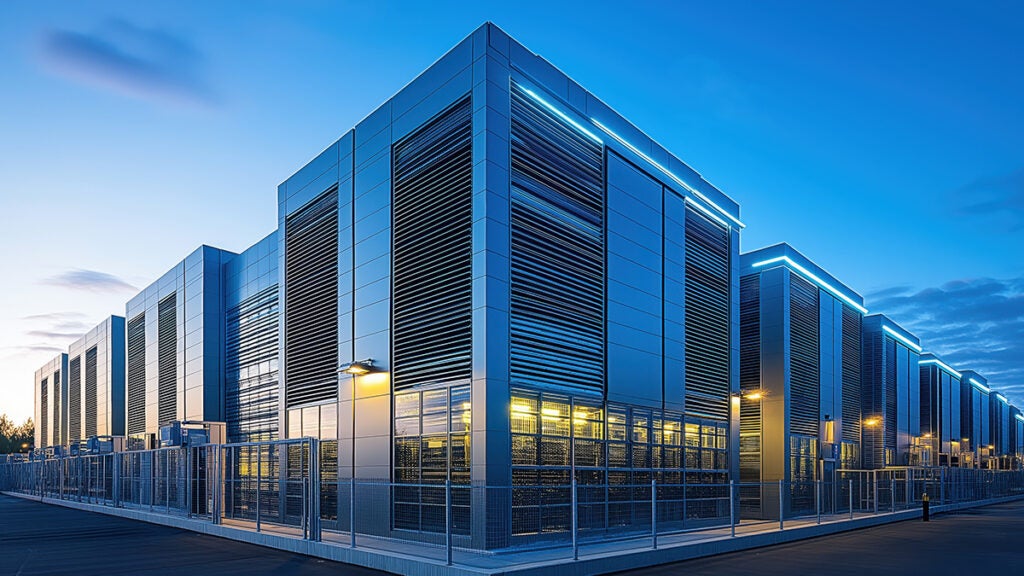
Drivers of demand growth are diversifying. Transportation electrification is forecast to be the largest single contributor, with electric vehicle (EV)–related electricity demand reaching 20 TWh by 2035. Industrial demand is expected to rise 58% by 2035 as automotive, EV battery, advanced manufacturing, and critical-mineral mining investments flow into the province. Data centers serving artificial intelligence (AI) and cloud workloads are projected to account for roughly 13% of new electricity demand by 2035.
Bruce C’s Place in the Energy for Generations Plan
The project sits at the center of Energy for Generations, the Ford government’s first integrated long-term energy plan, released last year and updated in October 2025. The plan establishes a planning horizon to 2050 and, for the first time in Ontario, brings electricity, natural gas, hydrogen, biofuels, storage, and other energy sources under a single coordinated framework.
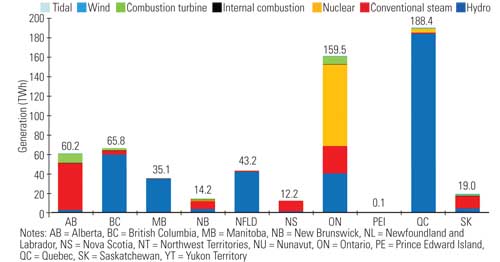
Anchored by four principles—affordability, security, reliability and clean energy—the plan calls for an installed electricity capacity expansion from approximately 37,200 MW today to more than 65,000 MW by 2050. Nuclear is positioned as the backbone of that future system. The IESO’s projection has nuclear generation rising from roughly 65 TWh in 2026 to more than 200 TWh by 2050, ultimately supplying the majority of the province’s electricity.
Bruce C is one of several major nuclear initiatives moving in parallel:
- Darlington Refurbishment. Ontario Power Generation’s (OPG’s) $12.8 billion overhaul of the four-unit station is on time and on budget, with Unit 1 returning to service nearly five months ahead of schedule in November 2024. The final unit is expected to be complete in 2026, securing 3,500 MW of capacity to roughly 2055.
- Bruce Power Life-Extension Program. Refurbishment of Units 3 through 8 is underway and expected to wrap up by 2033, extending Bruce A and B’s combined 6,550 MW into the 2060s. Bruce Power has separately set a goal of squeezing an additional 450 MW of peak output from existing units by the 2030s through asset optimization.
- Pickering B Refurbishment. OPG is in the Project Definition Phase, supported by a $4.1 billion provincial budget commitment that brings total project funding to $6.2 billion. Subject to final approvals, refurbishment of Units 5–8 is targeted for completion by the mid-2030s.
- Darlington Small Modular Reactors (SMRs). Ontario approved OPG’s $20.9 billion plan in May 2025 to build four BWRX-300 SMRs at the Darlington site. The first unit—the first grid-scale SMR in the G7—is targeted for commercial service before the end of 2030, with subsequent units following between 2033 and 2035.
- Wesleyville (Port Hope). OPG is also conducting early-stage planning for new large-scale nuclear at its 1,300-acre Wesleyville site in Port Hope, where early assessments suggest up to 10,000 MW of new generation could ultimately be hosted.
Together, these programs already support an estimated 80,000 jobs across Ontario’s nuclear industry, with Bruce Power’s existing site alone supporting around 22,000 direct and indirect jobs annually through the Life-Extension Program.
A Leading Domestic Supply Chain
The province is leaning heavily on the economic case for keeping nuclear spending in Canada. Bruce Power notes that approximately 95% of its current spending stays in Canada—a statistic the province says will be amplified by Bruce C, given the project’s scale and the maturity of Ontario’s nuclear supply chain.
That supply chain extends from Saskatchewan-mined uranium, refined at the world’s largest uranium refinery in Blind River and converted in Port Hope, to fuel-bundle fabrication at facilities in Port Hope, Toronto, and Peterborough. The province is already exporting nuclear know-how internationally, including refurbishment services to Romania, SMR-related agreements in Poland, Estonia, and the U.S., and a contract opportunity worth more than $1 billion for BWXT in Cambridge, Ontario, to manufacture reactor pressure vessels for Polish BWRX-300 units.
Industry voices were quick to applaud the May 7 announcement. AtkinsRéalis CEO Ian L. Edwards called the decision “a defining moment for Ontario’s energy future.” Westinghouse Canada’s John Gorman said his company “stands ready” to support the build, while Cameco’s Tim Gitzel framed the project as a “pivotal step” for the province’s long-term energy security. Aecon, Framatome, BWXT, Kinectrics, NPX, and E.S. Fox Limited each issued statements committing to support construction.
Labor groups echoed the enthusiasm. Joe Mancinelli, International Vice President and Canadian Director at LiUNA, characterized the agreement as “nation-building policy this moment demands.” The Power Workers’ Union, the Society of United Professionals (IFPTE 160), and the Provincial Building and Construction Trades Council of Ontario all signaled support, citing the prospect of thousands of unionized jobs through the construction phase.
Engagement with First Nations and Host Communities
The Bruce site lies within the traditional territory of the Saugeen Ojibway Nation (SON), comprising the Saugeen First Nation and the Chippewas of Nawash Unceded First Nation. Both Ontario and Bruce Power reiterated commitments to continued cooperation with SON, and confirmed that the new pre-development agreement provides capacity funding to support engagement with SON, as well as with communities in Bruce, Grey, and Huron counties.
Bruce County Warden and Saugeen Shores Mayor Luke Charbonneau said the funding gives municipalities room to “plan with confidence” while their region helps power the broader system. Kincardine Mayor Kenneth Craig welcomed the move as a vote of confidence in the local economy.
Indigenous leadership and equity participation have been increasingly prominent themes across Ontario’s broader energy plan. The province has expanded the Indigenous Energy Support Program to $25 million annually, raised the cap on the Indigenous Opportunities Financing Program from $1 billion to $3 billion in loan guarantees, and prioritized Indigenous equity in recent battery storage and transmission procurements. Hydro One’s 50-50 First Nation Equity Partnership Model is now being applied to multiple major transmission projects, and Taykwa Tagamou Nation and Moose Cree First Nation are co-leading early-stage planning for two potential hydroelectric stations in the Moose River Basin.
Transmission and Grid Readiness
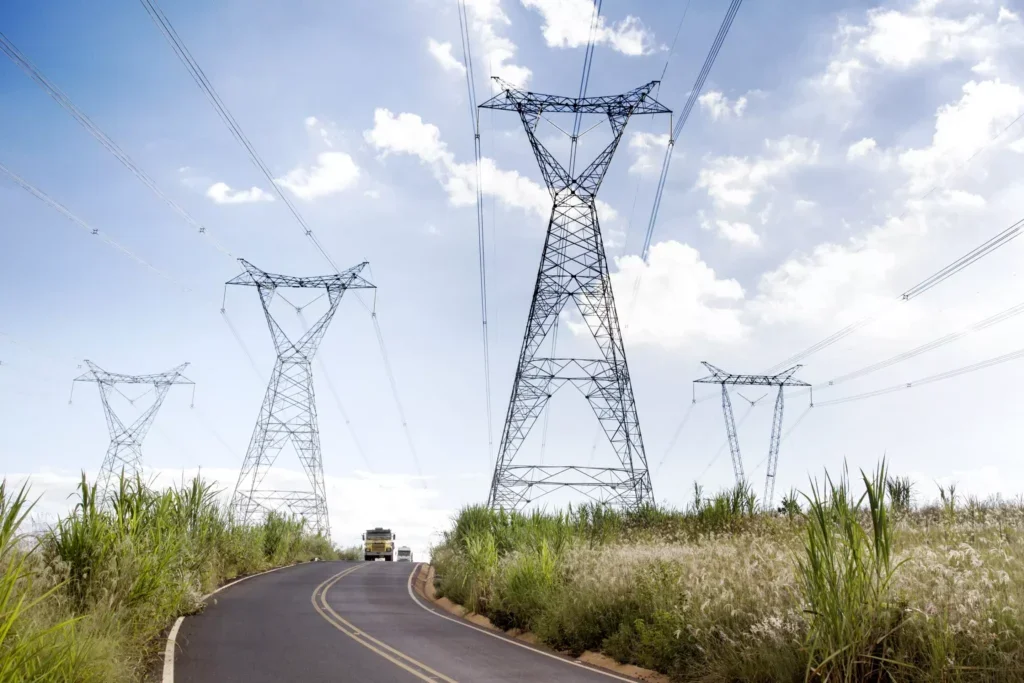
A 4,800-MW addition at Bruce will require corresponding investments in transmission. Energy for Generations identifies a new 500-kV Barrie-to-Sudbury line, targeted for service in 2032, as the spine of a strengthened north-south corridor—an upgrade that, while not specific to Bruce C, is part of a broader buildout of more than 30,000 kilometers of transmission designed to move new generation to demand centers in the Greater Toronto Area and southwest Ontario. Five priority projects in the southwest are already in delivery, including the Chatham-to-Lakeshore line, completed a year ahead of schedule in January 2025.
The province’s “One Team” coordination initiative, launched to streamline permitting for priority energy projects, is expected to apply to the cluster of approvals required as Bruce C moves from pre-development into licensing and, eventually, construction.
What Comes Next
In the near term, the $300 million pre-development envelope is expected to fund a sustained four-year campaign of community engagement, supply-chain qualification, technical engineering work, and detailed site preparation planning. Federal Impact Assessment work, currently underway, is on track for completion in 2028, with a CNSC site-preparation license to follow.
Major construction would not begin until those federal approvals are in hand, and the project’s exact reactor technology is still to be selected. The province has indicated it will rely on a New Nuclear Technology Panel—drawing on senior leadership from OPG, Bruce Power, the IESO, and the government—to coordinate technology decisions across both Bruce C and Wesleyville, balancing safety, cost-effectiveness, energy security, and economic benefits.
Lesley Gallinger, IESO president and CEO, said the agreement reflects the realities of long-lead infrastructure planning: “By enabling first steps for projects like this one with significant lead times, we are ensuring the province is future-ready and prepared to meet electricity demand as it emerges.”
—Aaron Larson is POWER’s executive editor.