The race to bring new power online has intensified with data centers and other large loads pushing electricity demand to levels never seen before. Utilities are signing power purchase agreements, independent power producers (IPPs) are scrambling to interconnect new generation, and distributed power providers are stepping in where the grid cannot move fast enough. Amid the fight for electrons, a source of clean, reliable electricity is being systematically overlooked.
COMMENTARY
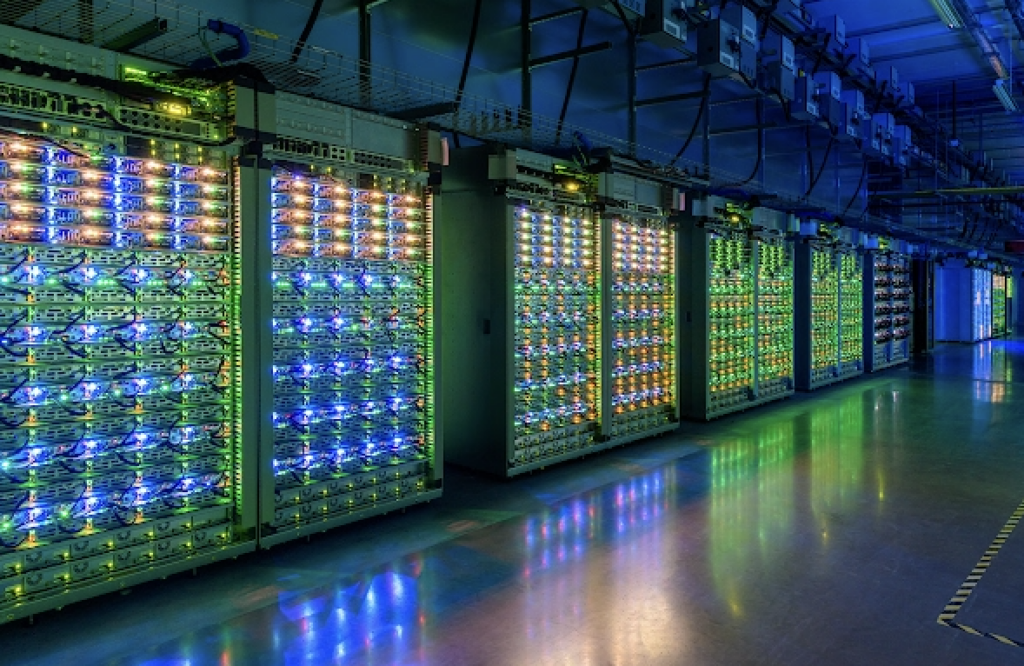
The Demand Surge Is Outpacing Every Conventional Response: The numbers are striking. According to Grid Strategies, five-year utility peak load forecasts have increased more than sixfold since 2022, from 24 GW to 166 GW of projected growth through 2030. Data center demand alone could reach 176 GW by 2035, a fivefold jump from 2024 levels. Industrial electrification adds another 25 GW of demand by 2030. These are not incremental changes. They are structural shifts that are straining every part of the planning stack.
Conventional responses remain necessary but are slow. Transmission projects take an average of 10 years to permit and construct. New large gas turbines have multi-year delivery backlogs. The interconnection queue already holds an estimated 2,600 GW of generation projects waiting to connect. The gap between what is needed now and what can be built in time is real, and it is widening. The conversation must shift from what we can build to what we are wasting that can be better utilized.
A Proven Model for Unlocking More From Existing Infrastructure: The logic of extracting more from existing infrastructure is not unique to generation assets. On the transmission side, Advanced Transmission Technologies (ATTs) like dynamic line rating systems and high-performance conductors, are being employed to create short-term capacity growth while longer transmission buildout activities are pursued. According to a January 2025 Pew Charitable Trusts analysis, ATTs can increase transmission capacity by 10% to 30% through real-time operational adjustments, and advanced conductors can carry 50% to 110% more power than conventional lines. If deployed nationwide, advanced conductors could quadruple energy transmission capacity and save $85 billion in system costs by 2035.
States including Virginia, Minnesota, Colorado, and Maine are already requiring utilities to evaluate ATTs in their integrated resource plans. The policy momentum reflects a broader recognition that the grid cannot wait for new long-lead infrastructure alone. The same logic applies to generation: the fastest path to new clean power is often through assets that already exist.
Applying the Same Principle to Underutilized Energy Generation Assets in Natural Gas: Natural gas is the largest source of grid electricity—and there are energy leaks throughout the natural gas supply chain. In natural gas infrastructure, pressure reduction is routine and continuous. As high-pressure gas interconnects through pipelines, flows through meter points, and distributes through city gate stations, energy is lost. At each of those sites, pressure is regulated, or reduced, using throttling valves, equipment that dissipates energy as heat and noise rather than capturing it as electricity.
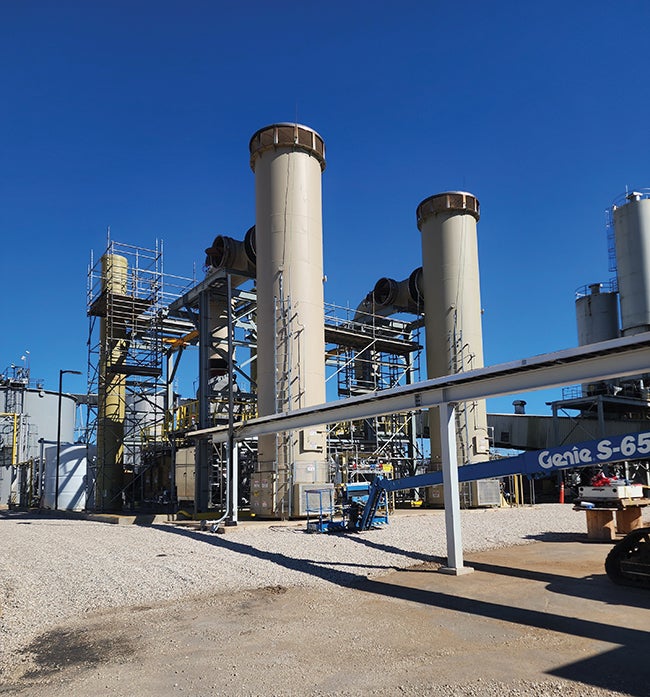
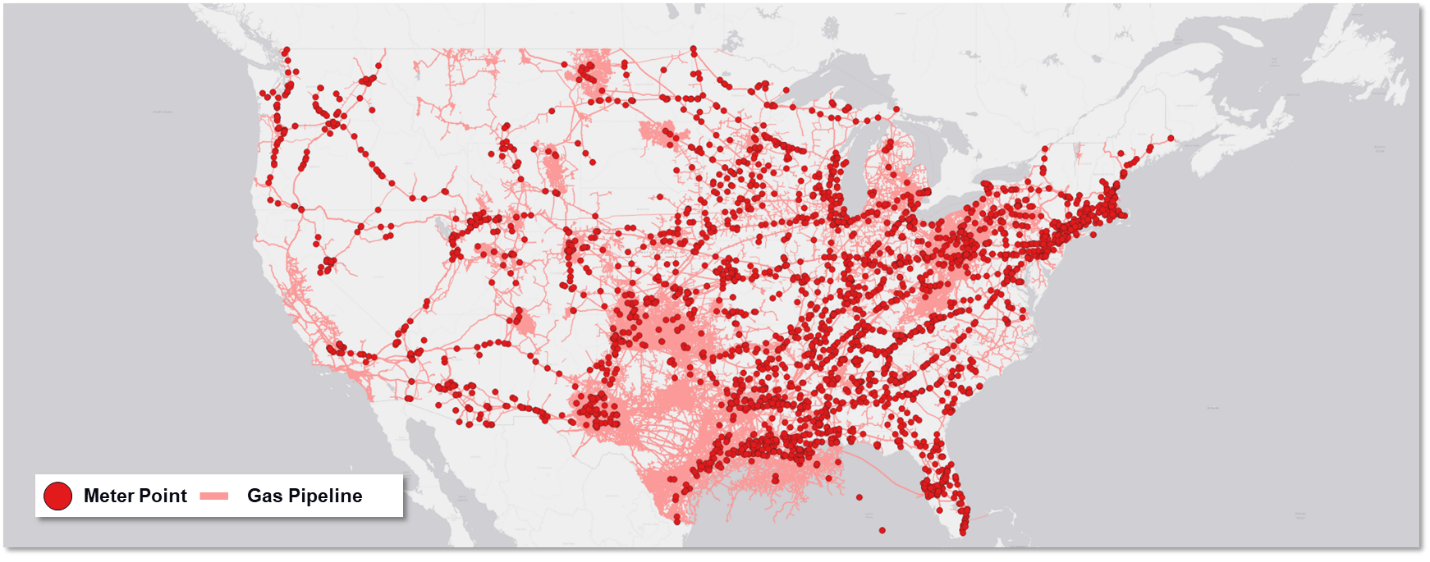
Our analysis of the U.S. pipeline network indicates that more than 3,500 regulating facilities contain suitable flow regimes for power recovery with turboexpander generators, with additional opportunities available across other parts of the natural gas value chain, including at the wellhead. Dated studies by the Interstate Natural Gas Association previously identified the technical merit of these applications, but cited “high capital cost, low purchased power prices and wide variations in flow and pressure ratio” as hurdles to economic viability.
In today’s market, those barriers look very different. Capital costs have come down as modular, lower-cost pressure-to-power systems have entered the market. Power prices, and the value of reliable 24/7 supply, have risen sharply, especially in regions where large-load customers are competing for scarce capacity. Variability in flow and pressure can still affect project economics, but that challenge may be less limiting in applications supported by firm gas transportation or supply agreements, or by buying models that diversify delivery across a broader network of assets rather than relying on the performance of a single site.
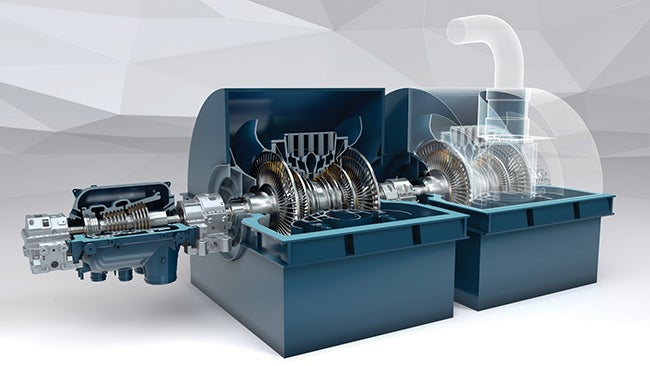
Beyond pressure reduction, compressor station waste heat represents another underutilized energy stream. Larger stations can move more than 3 billion cubic feet of natural gas per day, with individual units rated at 50,000 to 80,000 horsepower. Thermal exhaust from the engines and turbines powering these compressors is typically dissipated to atmosphere. Organic Rankine Cycle systems and combined heat-and-power configurations can recover as much as 30% of this heat , converting it into electricity via turboexpanders. Big pipeliners like Tallgrass are beginning to monetize the heat generated at these compressor stations, and developers are eager to fund and execute the projects—all the right tailwinds are also present for these energy recovery projects.
A New Generation Opportunity Up for Grabs: Electric cooperatives and investor-owned utilities have well-established mechanisms for procuring new power, including through power purchase agreements (PPAs) and market purchases. Fulfillment of this need has traditionally behooved IPPs, which are non-utility entities that own or operate (large) generation assets and sell power into wholesale markets. However, interconnection queue bottlenecks, regulatory and policy delays, and multi-year delivery timelines for power generation equipment have caused many large projects to stall or be cancelled, leaving near-term data center demand unfulfilled. As a result, companies offering modular, behind-the-meter power solutions are gaining traction. As S&P Global Market Intelligence reported in January 2026, firms such as Crusoe Energy, Caterpillar, Scale Microgrid Solutions, and oilfield services companies like Halliburton and Frontier Infrastructure are deploying small gas turbines and reciprocating engines directly at data center sites, bypassing the grid interconnection queue entirely. These companies are being referred to as distributed power providers.
This competitive dynamic between IPPs and distributed power providers underscores the opportunity that turboexpander generation unlocks. For utilities, this baseload power source fits within their historic procurement model. For IPPs and distributed power providers, it offers a way to deliver clean, baseload-like electricity without waiting on new fuel supply, major new-build infrastructure, or lengthy interconnection timelines. Waste energy projects can be developed on an individual basis to satisfy a single project requirement, or on a large scale across an entire interstate pipeline network. They offer benefits to both types of power generation strategies.
The Value Chain: Who Owns the Assets, Who Buys the Power: The assets throwing off recoverable heat and pressure energy, like pipeline pressure regulating stations and compressor stations, are owned by midstream operators, industrial facilities, and gas distribution companies. Turboexpanders can be deployed at these sites and the recovered electricity can then be sold to utilities via PPAs, delivered behind the meter to large load customers like data centers, or fed into wholesale markets. The IPP or distributed power provider is the generator and project owner. The midstream or industrial asset owner provides access to and is compensated for its wasted heat or pressure, creating a new, passive revenue stream.
Project financial statements are also compelling for the project developer. Turboexpander products incorporating low cost, modular designs are now readily available in the marketplace. Project capex can further benefit from the One Big Beautiful Bill (2025), which carved out eligibility for waste energy recovery property (e.g., heat recovery) and pressure drop technologies (e.g., pressure recovery) utilizing Section 48E clean electricity investment tax credit. With low capital expenditure relative to new-build generation, fast deployment timelines measured in months rather than years, and predictable baseload output, these assets fit the financial profile that project developers and their lenders are looking for.
What Developers Should Be Asking Right Now: For developers competing in a market where distributed power providers are moving faster and utilities are under pressure to procure on compressed timelines, the strategic question is straightforward: where can we source clean, reliable, baseload-like power without waiting for interconnection or new-build delivery?
The answer increasingly points to recovered energy from existing infrastructure. The assets are there. The technology is proven. The commercial structure, with the IPP as project owner and generator, and the utility as PPA buyer, maps directly onto existing procurement frameworks. The regulatory pathway for incentive capture is established. And the competitive differentiation is real: clean power with no combustion, no new fuel input, and no emissions profile to defend.
Efficiency Is No Longer a Secondary Strategy: The energy transition has always included a conversation about efficiency. For most of the past decade, that conversation was dominated by demand-side measures such as building codes, appliance standards, and industrial optimization. The supply-side equivalent, recovering energy that is already being generated but currently wasted, has received far less attention than it deserves.
That is changing. As load growth forecasts continue to revise upward and the gap between demand and available supply widens, every credible source of clean, reliable power matters. Recovered energy from natural gas infrastructure is not a niche technology story. It is a commercially viable, technically proven, and increasingly urgent part of the answer to one of the most pressing challenges in the energy sector.
The infrastructure is already in place. The energy is already moving. The only question is whether we capture it, or keep throwing it away.
—Freddie Sarhan is CEO of Sapphire Technologies.