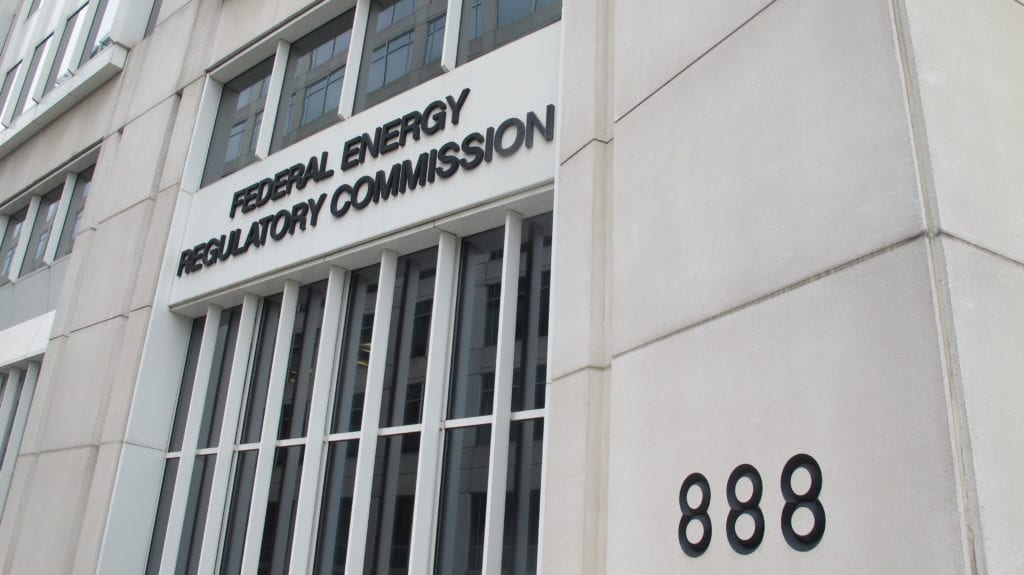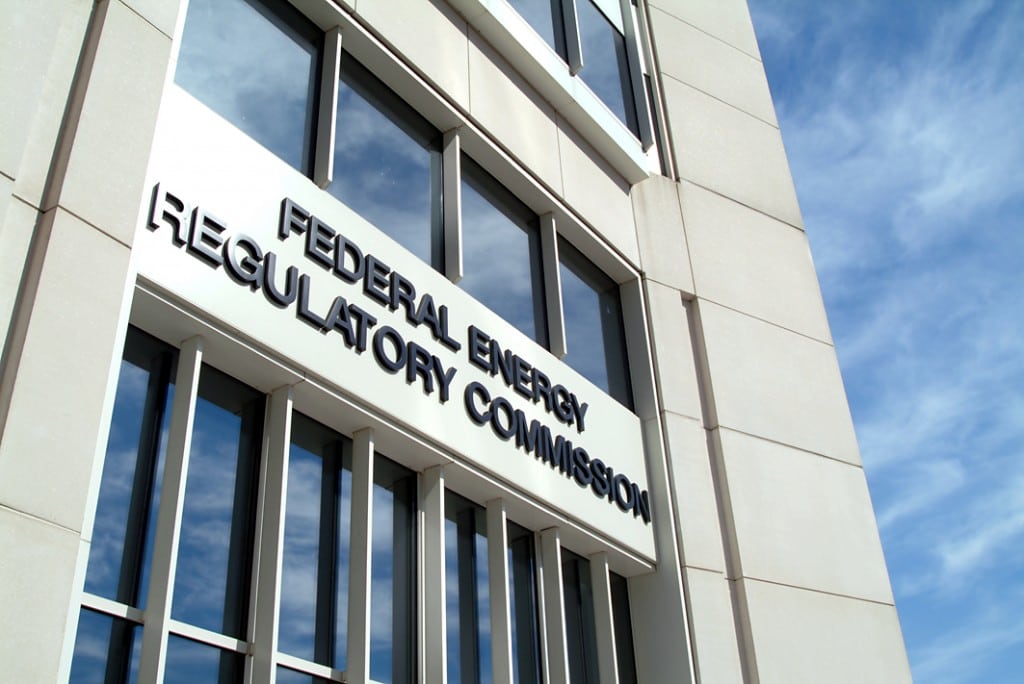
The Federal Energy Regulatory Commission (FERC) has set a June 2026 deadline to act in a high-stakes rulemaking that could redefine how massive new power users—including AI-driven data centers—connect to the U.S. interstate transmission system.
In an April 16 order in its “Interconnection of Large Loads to the Interstate Transmission System” docket (RM26-4-000), the commission said it “intends to act with respect to this docket by the end of June 2026.” The commission said it will address the problems flagged in an Oct. 23, 2025 draft advance notice of proposed rulemaking from the Energy Department “in a manner that is quick, efficient, and legally durable.”
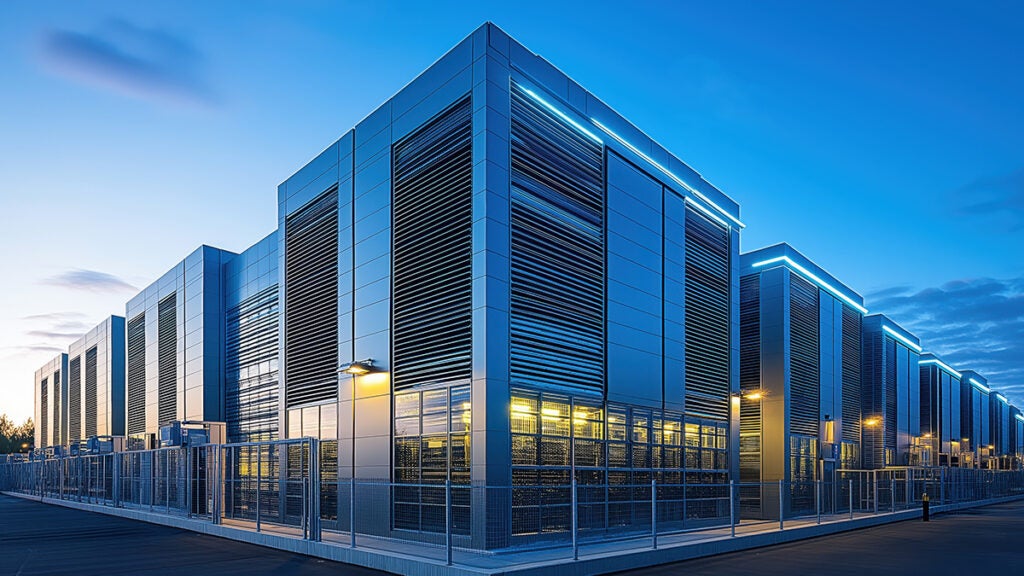
The October draft ANOPR, which the energy secretary issued under Section 403 of the Department of Energy Organization Act, asked FERC to consider an advance notice focused on the timely and orderly interconnection of large loads—generally defined as demand greater than 20 MW—to the interstate transmission system. The DOE’s proposal directed FERC to consider “potential reforms to ensure the timely and orderly interconnection of large loads to the transmission system” in light of “unprecedented current and expected growth of large loads such as data centers,” and argued that large loads, including AI data centers, must be able to connect “in a timely, orderly, and non-discriminatory manner” to support affordable, reliable, and secure electricity.
In the order on Thursday, FERC said its goal is to ensure that large loads are “able to connect to the transmission system in a timely, orderly, and non-discriminatory manner” while maintaining “affordable, reliable, and secure electricity” for households and businesses.
It pointed to extensive work already underway, including review of more than 3,500 pages of public comments in the docket, “numerous meetings with stakeholders,” and coordination with federal partners, as it prepares the June action.
“The Commission intends to act with respect to this docket by the end of June 2026,” it wrote. “In June, we will address the problems discussed in the ANOPR in a manner that is quick, efficient, and legally durable.” The agency added that it is “eager to continue working with stakeholders to achieve the goal we share with the Secretary—i.e., ensuring that all Americans (and all American businesses) have access to affordable, reliable, and secure electricity.”
The April 16 order also catalogs a string of recent decisions that effectively serve as early test beds for large-load policy.
In December 2025, the commission issued what it described as a landmark order directing PJM Interconnection, the nation’s largest grid operator, to establish transparent rules for large loads co-located with grid‑connected generating facilities, including AI‑driven data centers. FERC found PJM’s tariff “unjust and unreasonable” because it lacked clear, consistent provisions on the rates, terms, and conditions that apply to co‑location arrangements and did not provide appropriate transmission services for co‑located loads that are willing and able to limit their withdrawals from the transmission system. The order required PJM to create three new transmission service options for co‑located customers, clarify generator interconnection procedures for projects using behind‑the‑meter generation to serve large loads, and revise its behind‑the‑meter generation rules to curb cost shifting—effectively turning PJM into a template for how other markets might integrate power‑hungry data centers and similar large loads.
PJM has met FERC’s accelerated deadlines with compliance filings on January 20 and February 23, 2026, which sought to overhaul rules for co-located large loads. The filings establish a “Necessary Studies” process requiring generators to reduce Capacity Interconnection Rights and bear all upgrade costs, while a new 50 MW threshold restricts transmission charge netting for behind-the-meter configurations. Although PJM incorporated the three mandated transmission service options, an April 2026 FERC action required further revisions to certain elements, which means the full mechanism likely won’t be active until 2027.
In January 2026, meanwhile, the commission approved Southwest Power Pool’s High Impact Large Load (HILL) proposal to create a dedicated HILL study process that establishes new study and operational requirements for large, energy-intensive loads seeking to connect to SPP’s transmission system. It also accepted SPP’s High Impact Large Load Generation Assessment (HILLGA), an optional interconnection process for generation resources needed to serve those HILLs, and determined that the HILLGA’s eligibility criteria will deter speculative requests and to ensure timely, efficient interconnection of “shovel-ready” projects. FERC found the tariff changes just and reasonable and concluded that SPP’s cost-allocation and reliability provisions for HILLs satisfy cost-causation principles and help maintain reliable operation of SPP’s transmission system amid an unprecedented surge of large-load interconnection requests.
The commission said it has also acted on “a number” of tariffs and agreements tied to large-load interconnections, “accepting many while rejecting those that exceeded the Commission’s jurisdiction or failed to reasonably allocate costs.” In doing so, it cited precedent including cases involving Commonwealth Edison, Tri-State Generation & Transmission Association and Duke Energy Carolinas as examples of where it has drawn jurisdictional and cost-allocation lines.
Beyond its own dockets, the commission said it has been tracking related federal initiatives, including several actions by the National Energy Dominance Council (which was established in February 2025), a January 2026 Statement of Principles regarding PJM, and the president’s Ratepayer Protection Pledge issued in March 2026, all of which speak to political pressure to accommodate growth in data centers, advanced manufacturing and electrification while shielding customers from bill shocks.
The commission said that its generic rulemaking will not shut down case-by-case innovation. It “fully agree[s]” with the energy secretary that its reform efforts “should not be interpreted as ‘discourag[ing] public utilities from making filings to address these and similar issues under [Federal Power Act] section 205,’” the order states. “As always, the Commission stands ready and willing to discharge its statutory responsibility to act on filings made under sections 205 and 206 of the FPA.”
—Sonal Patel is senior editor at POWER magazine (@sonalcpatel, @POWERmagazine).
Editor’s note: This story is developing and will be updated as additional details, stakeholder reactions, and related commission documents become available.