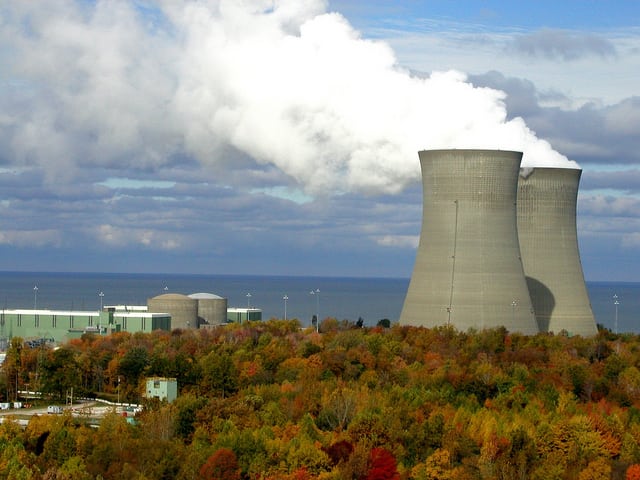
The Nuclear Regulatory Commission (NRC) has approved a subsequent license renewal (SLR) for Duke Energy’s Robinson Nuclear Plant, clearing the 54-year-old reactor to continue generating electricity in the Pee Dee region through 2050.
The decision, announced on Thursday, comes roughly a year after Duke Energy filed its renewal application in April 2025. It extends Robinson’s operating life by an additional 20 years beyond its current 2030 expiration and locks in one of the Carolinas’ oldest and most productive nuclear assets for another generation of customers. The plant delivers 759 MW of carbon-free electricity—enough to power roughly 570,000 homes—and supports nearly 500 jobs in Darlington County.
Robinson is the second unit in Duke Energy’s six-site nuclear fleet to secure an SLR, following Oconee Nuclear Station in Seneca, S.C., in 2025. The company has said it intends to pursue the same extension for all 11 of its operating reactors across the Carolinas.
“Extending the operating life of this proven asset helps us deliver low-cost, always-on electricity for customers while supporting jobs and energy security for the region,” said Steven Capps, Duke Energy’s chief nuclear officer. “Robinson’s subsequent license renewal reflects the strength of our safety culture and the rigorous work our teams do every day to support our communities.”
A Half-Century Workhorse
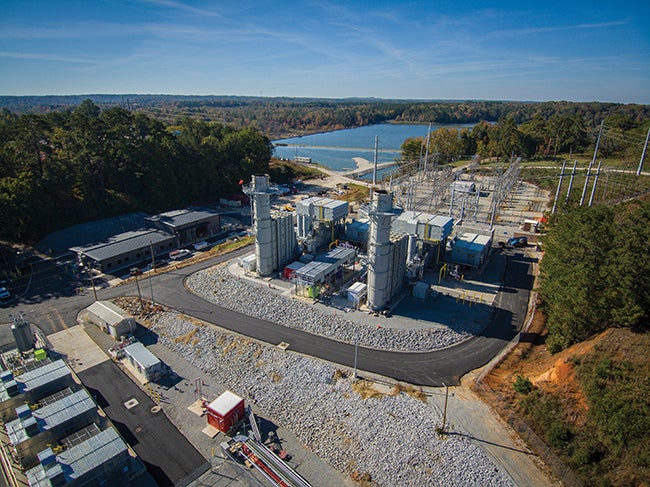
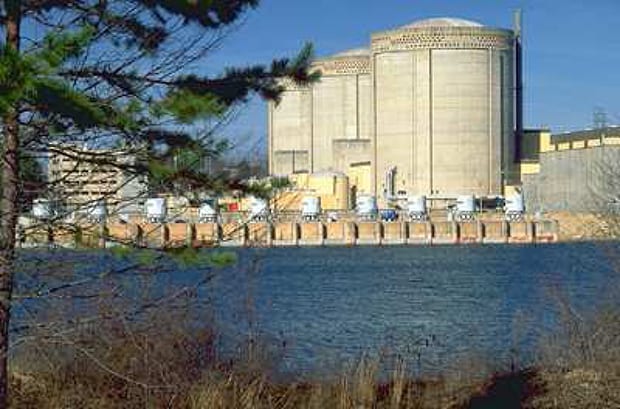
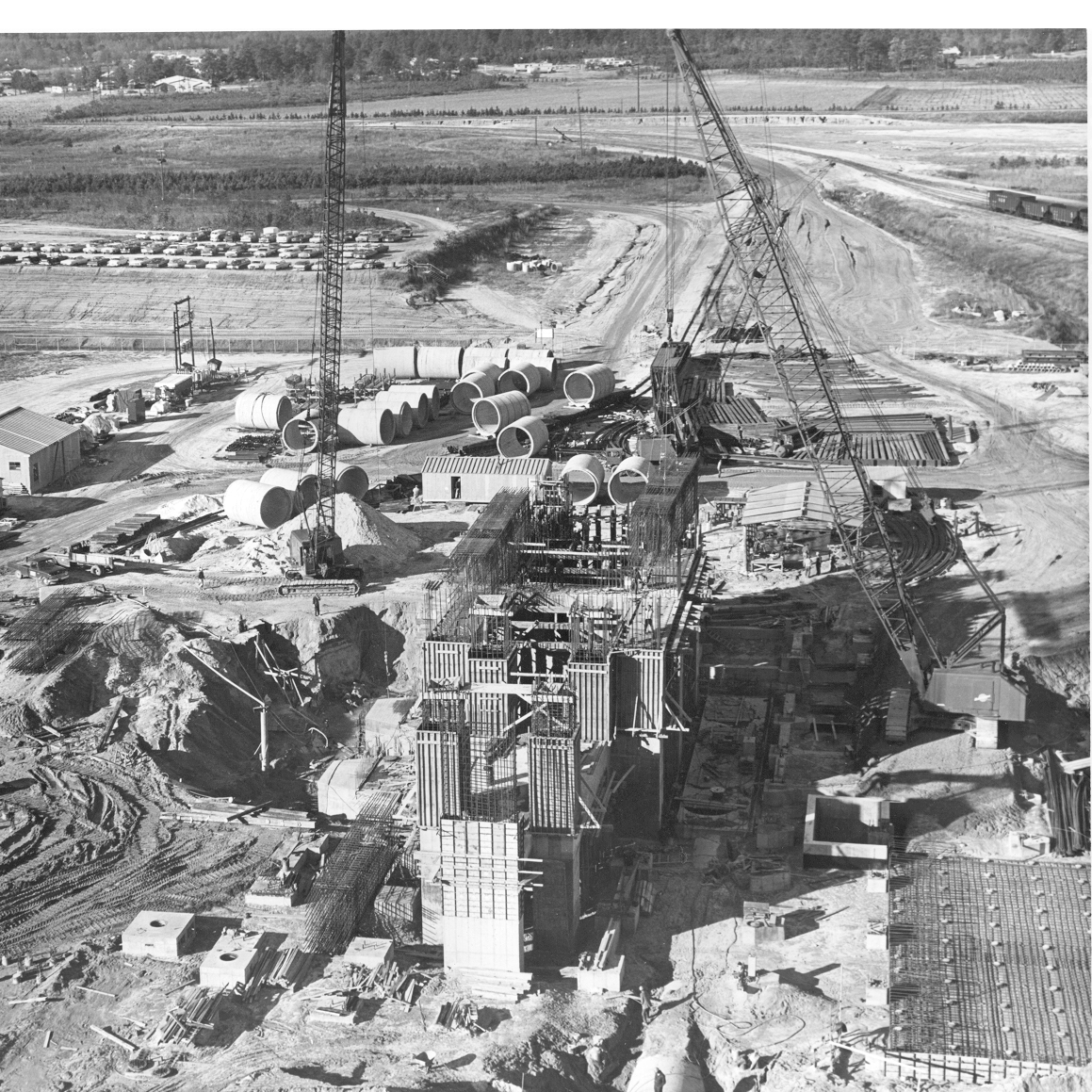
When Robinson came online in 1971 (Figure 1), it was both the largest generating plant in the U.S. and the largest nuclear plant in the world. It was also the first commercial nuclear station built in the Southeast, and its operating license—issued by the NRC in 1970—made it a template for the wave of utility-scale reactors that followed.
Duke Energy said it has invested roughly $1.7 billion in equipment upgrades at the site over the course of its operating life, modernizing systems that were originally designed in the 1960s. U.S. commercial reactors were initially licensed for 40 years based on economic considerations rather than limitations of the underlying technology. Under NRC rules, any license renewal requires a comprehensive technical and environmental review to demonstrate that a plant can continue operating safely through its extended period. Robinson’s original 40-year license was first renewed in 2004, pushing its expiration to 2030; Thursday’s decision carries it 20 years further.
The plant’s continued operation has emerged as a political and economic priority for the state. Duke Energy’s nuclear fleet supplies about 51% of the energy its customers use in the Carolinas, and company officials argue that keeping existing reactors running is among the most cost-effective options available for meeting rising demand.
South Carolina Officials Welcome Extension
Gov. Henry McMaster said the renewal locks in a reliable source of power as the state’s load continues to climb. “South Carolina’s energy needs continue to rise, and extending the Robinson Nuclear Plant’s operating license preserves a reliable, affordable source of nuclear energy our state depends on,” McMaster said. “This plant ensures we have the power needed to support jobs and strengthen communities across the Pee Dee region.”
U.S. Rep. Russell Fry, whose Seventh District includes the plant, suggested the decision was very important for the region. “For 50 years, Robinson Nuclear Plant has been the backbone of South Carolina’s nuclear fleet,” he said. “The extension of its license is monumental for the Pee Dee and allows Duke Energy to continue providing affordable, reliable electricity to homes and businesses in the region. This renewal is a win for families in the Pee Dee, Robinson Nuclear Plant’s employees and Darlington County as a whole.”
Part of a Wider Federal Push
Robinson’s extension lands against the backdrop of a broader federal effort to squeeze additional output from the existing U.S. nuclear fleet. In March, the Department of Energy’s (DOE’s) Office of Nuclear Energy launched the Utility Power Reactor Incremental Scaling Effort (UPRISE), an initiative targeting license renewals, power uprates at operating plants, restarts of dormant reactors, and completion of stalled construction projects.
The initiative is tied to an administration goal of expanding U.S. nuclear capacity from about 100 GW today to 400 GW by 2050, a target driven in part by load growth from industrial manufacturing and data centers serving the artificial intelligence build-out. The DOE has said UPRISE aims to add 2.5 GW of nuclear capacity by 2027 and 5 GW by 2029, with the Office of Energy Dominance Financing prepared to offer loans covering up to 80% of eligible uprate project costs. Existing operators have also benefited from the federal nuclear production tax credit, which Duke Energy has said incentivizes its plants to run as cost-efficiently as possible and helps hold down customer rates.
Against that policy backdrop, the SLR approval positions Robinson, a plant that was already a first-of-its-kind when it started operating more than half a century ago, to remain part of the grid well into a period in which demand is projected to surge.
—Aaron Larson is POWER’s executive editor.