Battery storage developer Viridi has announced a strategic partnership with the Dept. of Energy’s Oak Ridge National Laboratory (ORNL) in Tennessee to support research into next-generation utility grid technologies that advance grid resilience and reliability.
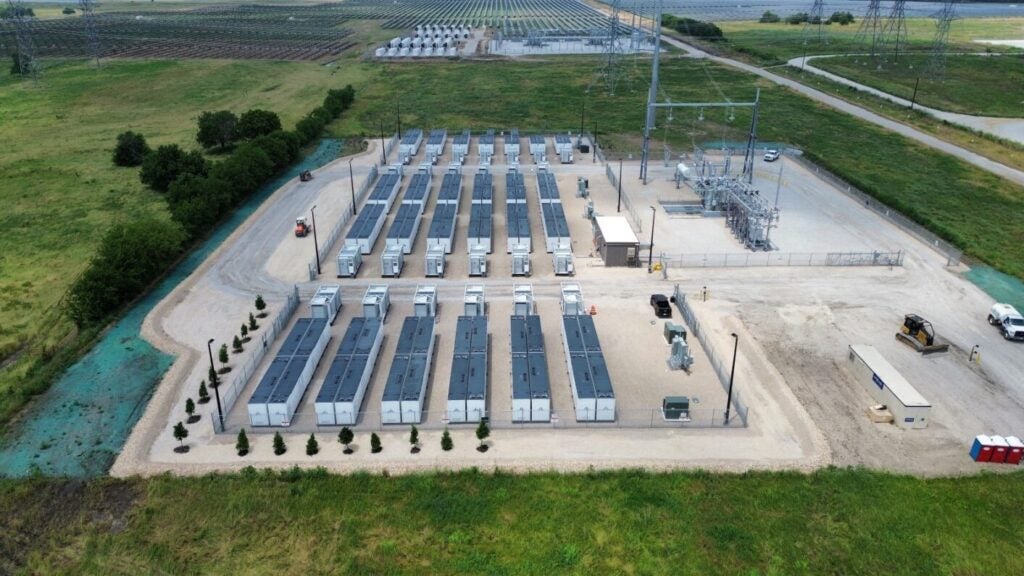
Viridi on July 28 said the company’s battery energy storage system (BESS) was installed at ORNL’s Grid Research Innovation and Development Center (GRID-C) as part of the testing platform for a DOE resource integration and evaluation project. The research began with ORNL developing a system for controlling clusters of grid resources to meet utility needs. Viridi on Tuesday said the project marks the transition from indoor laboratory testing using emulated energy resources to live-grid validation with real battery storage.
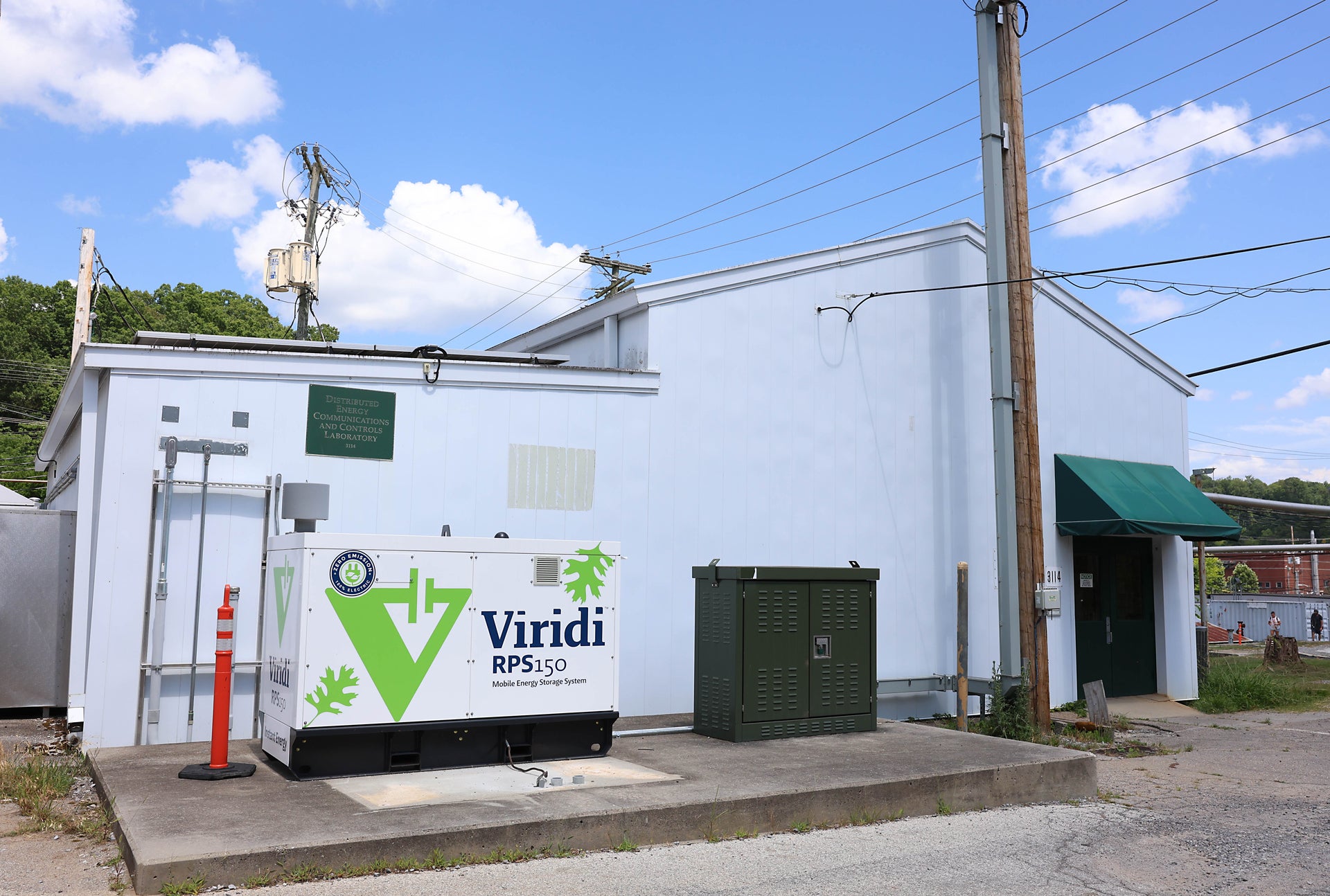
Viridi’s RPS 150 was installed at GRID-C’s Power Distribution Field Test Site. ORNL integrated its converter system with Viridi’s battery to validate the technology. Testing has concluded and ORNL is expected to present the project’s findings in the coming months.
“The power industry is entering a new phase where batteries are becoming foundational to grid operations. As energy storage moves deeper into critical infrastructure, safety can no longer be treated as a feature—it has to be a prerequisite,” said Jon M. Williams, CEO of Viridi. “Battery systems can and need to be fail safe. If everything fails, there is no fire, smoke or detectable gas.”
Williams told POWER, “Utilities need battery systems that integrate with advanced controls, perform reliably under real-world conditions, and provide the confidence to deploy energy storage wherever it’s needed.”
“This project bridges an important gap by integrating real electrical equipment to understand realistic performance challenges, proving the robustness of ORNL’s new control strategies and AC/DC architecture for supporting the future grid,” said Dr. Madhu Sudhan Chinthavali, Electrical Systems Integration Program Manager at ORNL. “Viridi’s battery integrated seamlessly with our management system, and its engineering team supported our researchers throughout testing and integration, making them a valuable partner.”
Chavonne Yee, head of Regulatory Development for Viridi, told POWER: “Utilities aren’t just investing in battery storage—they’re investing in long-term confidence. Independent testing provides the operational data that helps utilities understand how systems perform in real-world applications while informing the standards and best practices that support safe, reliable integration across the grid. That’s how the industry continues to build confidence as energy storage becomes an increasingly essential part of critical infrastructure.”
The demand for power across the electric grid has made BESS installation a critical component of grid infrastructure. Utilities across the U.S. and globally are under pressure to modernize aging grid systems, along with supporting integration of distributed energy resources. Grid operators also are exploring technologies designed to improve resilience against power outages and other disruptions. Energy industry experts have said the ability to coordinate energy storage across multiple components of the power grid is among the more important aspects of grid modernization.
“Being selected by Oak Ridge National Laboratory to support the project is a milestone for Viridi and a validation of what we have built”, said Williams. “When a DOE national lab chooses your technology to support their research, it is the highest bar a battery system can meet. We built Viridi’s fail-safe BESS to perform in exactly these kinds of environments, and we are proud to be partnering with ORNL to advance the grid modernization solutions that utilities across the country need.”
The groups on Tuesday said their collaboration marks the start of an ongoing research relationship between Viridi and ORNL, and said more joint projects are planned.
Viridi, headquartered in Buffalo, New York, is known for its proprietary fail-safe lithium-ion battery technology. The company has said it BESS installations feature breakthrough anti-propagation technology, preventing propagation and significantly reducing the risk of lithium-ion battery fires.
—Darrell Proctor is a senior editor for POWER.