Cover Stories
-
 Gas
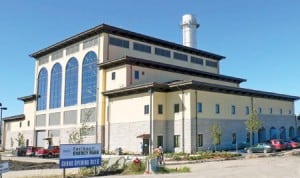
GasHow to make a power plant a welcome neighbor
Developing power projects has become less a technical challenge and more an exercise in developing good relationships among all the stakeholders. If a community understands the need for a new plant and is involved in its development process, the odds of a successful project increase.
-
 O&M
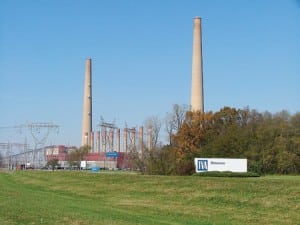
O&MTVA’s Shawnee Fossil Plant Unit 6 sets new record for continuous operation
Shawnee’s new 1,093-day long-run record is a testament to the plant’s highly qualified and trained staff, excellent operations and maintenance processes, and the quality leadership required to keep all the moving parts pointed in the right direction. If running a power plant is a team sport, then the staff of Shawnee are in a league of their own.
-
 Coal
CoalRegulatory risks paralyzing power industry while demand grows
In our second annual report on the state and future of the U.S. power generation industry, we combine the considerable experience of POWER’s editorial staff with the market savvy of Industrial Info Resources Inc. (see next story) to preview the industry’s direction in 2008. We anticipate that the specter of carbon control legislation will hobble coal and make renewables the hot ticket while nukes continue to inch forward in a generation market that is basically treading water.
-
 Coal
CoalGreater fuel diversity needed to meet growing U.S. electricity demand
Industrial Info Resources’ strengths are tracking capital projects and cost projections and providing intelligence about the power generation market, among others. IIR has used its large industry databases and numerous industry contacts to develop its outlook for 2008. Here’s what you should expect and plan for this year.
-
 Wind
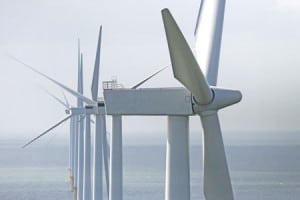
WindBurbo Bank Offshore Wind Farm, Liverpool Bay, UK
POWER congratulates DONG Energy and Siemens Power Generation on the October 18 inauguration of their 90-MW Burbo Bank Offshore Wind Farm. This project was the first commercial application of Siemens’ new 3.6-MW wind turbine and exemplifies how the right developer and supplier team can quickly add much-needed offshore wind power to a country’s generation mix.
-
 Waste to Energy
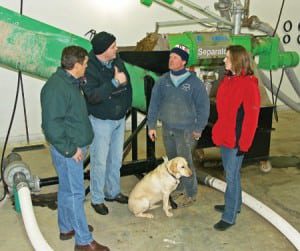
Central Vermont Public Service, Cow Power Program
Central Vermont Public Service developed the nation’s first farm-to-consumer renewable energy choice by using cow manure to generate electricity. CVPS gave beleaguered farms new economic hope; developed a generation system that provides clean, renewable energy; and helped solve numerous manure management environmental challenges. CVPS and Cow Power’s four member dairies are recognized as a 2007 Top Plant for generating renewable energy one cow at a time.
-
 Solar
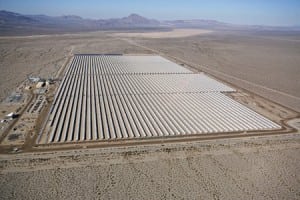
SolarNevada Solar One, Boulder City, Nevada
Concentrating solar thermal projects fell out of favor more than 15 years ago, when the last SEGS plant was commissioned. But advances in reflective mirror, thermal receiver, and tracking system technologies have significantly improved the systems’ energy conversion efficiency at a much lower capital cost. POWER recognizes Nevada Solar One as a 2007 Top Plant for pushing the limits of solar thermal technology and for being the first of a new generation of concentrating solar projects now being developed around the world.
-
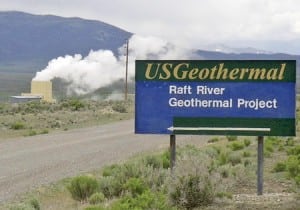 Geothermal
Raft River Geothermal Project, Malta, Idaho
Geothermal power is a unique renewable energy because it has the best potential capacity factor and is perhaps the only option for baseload power generation. U.S. Geothermal has constructed the first geothermal plant in Idaho in a generation by restoring an abandoned DOE demonstration project site that may possess a development potential of over 100 MW using proven power generation technology. The success of Raft River may well determine the future of geothermal energy production in Idaho.
-
 Wind
WindSteel Winds Project, Lackawanna, New York
This year, for the first time, the U.S. wind power industry is poised to push past the 3,000 MW installed per year milestone. At 20 MW, Steel Winds may seem like a footnote, but its importance is measured in more meaningful terms than just size. Steel Winds is the first commercial deployment of the Clipper Windpower 2.5-MW Liberty turbine, the first installation on a former Superfund site, and is said to be the largest wind farm in the U.S. developed in an urban setting. In addition, the project anchors Lackawanna’s redevelopment of a former industrial site along Lake Erie for public use.
-
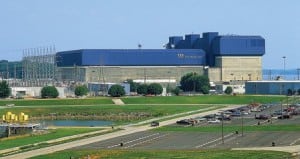 Nuclear
Browns Ferry Nuclear Power Plant, Athens, Alabama
TVA’s 1,155-MW Browns Ferry Unit 1 returned to service on May 22 after sitting idle since 1985, when all three units were shut down to address management and operational concerns. Units 2 and 3 returned to service in 1991 and 1995, respectively, after extensive upgrades to controls, electrical systems, pumps, motors, and more. The return of Unit 1 began in 2002 with a five-year $1.8 billion restart plan to make all three units essentially identical, and that goal was accomplished in style. Welcome back, Unit 1.
-
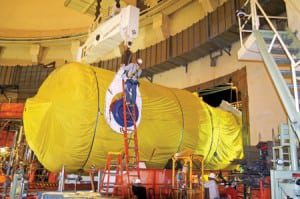 Nuclear
Comanche Peak Steam Electric Station, Glen Rose, Texas
A Luminant-Bechtel team completed replacement of four steam generators and the reactor vessel head—plus almost 200 other work packages—in a short, 55-day outage at Comanche Peak Unit 1. Matching or exceeding this schedule will become the goal for those who follow.
-
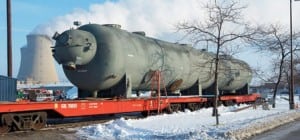 Nuclear
Fermi 2 Power Plant, Newport, Michigan
Detroit Edison teamed with Washington Group International to complete a first-of-its-kind nuclear retrofit project: replacing two moisture separator reheaters during a single 35-day outage with a perfect safety record. POWER recognizes this significant accomplishment by naming Fermi 2 Power Plant a 2007 Top Plant.
-
 Nuclear
Fort Calhoun Nuclear Generating Station, Omaha, Nebraska
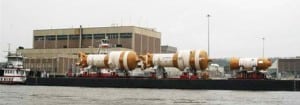
Just under a year ago, Omaha Public Power District completed perhaps the most complex nuclear power plant renovation in the history of the industry in a scant 85 days—five fewer days than the original plan called for. POWER recognizes Fort Calhoun Nuclear Generating Station as a Top Plant for packing more work into one outage than was thought possible, and then executing the plan ahead of schedule and below budget.
-
 Coal
CoalIGCC demonstration plant at Nakoso Power Station, Iwaki City, Japan
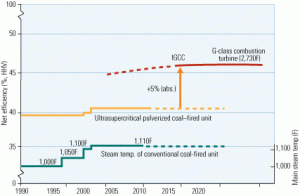
Integrated gasification combined-cycle (IGCC) power plants are not yet standard designs. Although they use mature coal gasification processes and combustion turbines, disparate technologies and equipment still require custom, laborious interfacing at each site. Every major gas turbine vendor now can point to one or more power-producing IGCC projects based on its prime mover, but none yet offers a "reference" plant that has standardized the interfacing enough to justify confidence in two key metrics: $/kW and availability. With an air-blown demonstration plant based on one of its 130-MW turbines, Mitsubishi Heavy Industries is looking to change the rules of this game.
-
 Coal
CoalPleasant Prairie Power Plant Air Quality Control Upgrade Project, Pleasant Prairie, Wisconsin
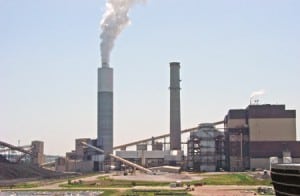
We Energies’ Pleasant Prairie Power Plant is a good example of how existing plants retrofitted with NOx and SO2 removal systems benefit from early planning and action. P4, as everyone calls it, recently completed a multiyear project to add a selective catalytic reduction system to one of its two units and a scrubber to both. The unique design and contracting aspects of the project make Pleasant Prairie one of POWER’s top coal-fired plants of 2007.
-
 Coal
CoalPolk Power Station Unit 1, Mulberry, Florida
Ten years ago, POWER selected Tampa Electric’s 250-MW Polk Power Station and its revolutionary integrated gasification combined-cycle demonstration project as the magazine’s 1997 Plant of the Year. Although no new commercial IGCC projects have been built since then, interest in deploying the coal-gasification technology is getting traction in some parts of the U.S. In 2007, POWER recognizes Polk Unit 1 as a Top Plant for developing trailblazing O&M practices and technical improvements that enable it to operate today as reliably as a modern pulverized coal plant, with lower pollutant emissions.
-
 Coal
CoalR.E. Burger Plant, Shadyside, Ohio
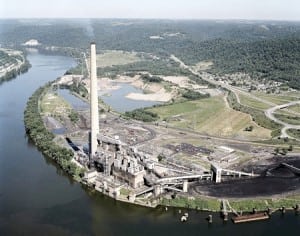
FirstEnergy’s R.E. Burger Plant has hosted a number of R&D projects over the years, but none as large as the demonstration of Powerspan’s 50-MW Electro-Catalytic Oxidation (ECO) multipollutant removal process a few years ago. Credit Powerspan for scaling up the demo unit and for adding CO2 as a target of a new pilot process called ECO2. And don’t forget the behind-the-scenes support of Burger’s plant staff and their willingness to incubate R&D projects while producing power. That’s what makes R.E. Burger a Top Plant in our book.
-
 Gas
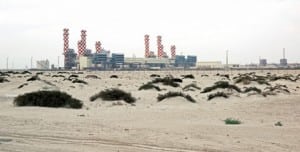
GasAl Ezzel Power Plant, Isle of Muharraq, Bahrain
Bahrain began privatizing its electricity and water-supply sectors three years ago, and the Al Ezzel Power Plant represents the first fruit of that strategic shift. The 950-MW plant, powered by two identical 2 x 1 combined-cycle units that burn natural gas, went commercial in May of this year. The plant now supplies about half of the national grid’s demand. The success of this fast-track project demonstrates the advantages of free markets and the wisdom of bringing in experts to build new capacity.
-
 Gas
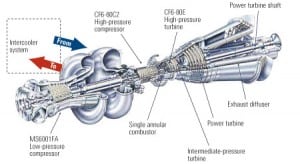
GasGroton Generating Station, Groton, South Dakota
This plant’s main claim to fame: It marks the commercial debut of GE’s 100-MW LMS100 gas turbine-generator. According to Basin Electric, over the unit’s first year of service it has demonstrated top-notch operating flexibility in peaking, mid-range, and baseload service, thanks to capabilities such as 10-minute cold start-ups and minimal impact on heat rate at partial loads. In addition to hosting the first LMS100, Groton Generating Station earns recognition as one of POWER’s Top Plants for the attention its design pays to reliability and resource planning.
-
 Gas
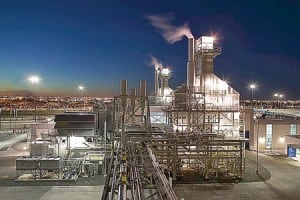
GasGTAA Cogeneration Complex, Mississauga, Ontario, Canada
When a blackout shuts down a factory, the impact isn’t apparent to the public. But lose power at an international airport, and thousands of angry travelers and the people waiting for them won’t be interested in excuses. The Greater Toronto Airports Authority learned that lesson in August 2003. Ten months later, it began building a 117-MW cogeneration plant that is now capable of supplying all of its energy needs—not just electricity, but space heating and chilled water as well.
-
 Gas
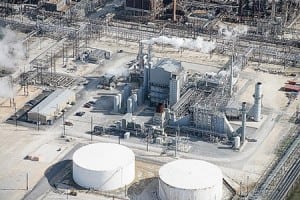
GasPort Arthur II Integrated Hydrogen/Cogeneration Facility, Port Arthur, Texas
The rationale for a typical cogeneration plant is clear: Supply some power, and maybe some steam, to an industrial host and save energy dollars on both sides of the fence. But integrating a cogen plant that also produces hydrogen with a major refinery that operates 24/7 is a job best left to a company with diverse and proven technology skills. The Air Products Port Arthur II project proves that such a job can be done right. Accordingly, it is one of POWER’s natural gas–fired Top Plants of 2007.
-
 Gas
GasPort Westward Generating Plant, Clatskanie, Oregon
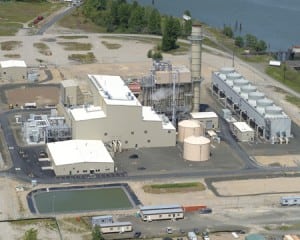
Since going commercial this June, Port Westward Generating Plant has taken its rightful place as one of America’s most efficient power stations. It is now helping to satisfy Portland General Electric’s summer demand reliably and cost-effectively. What differentiates Port Westward is its pioneering use in the U.S. of Mitsubishi Heavy Industries’ G1 class combined-cycle combustion turbine.
-
 Gas
GasTenaska Virginia Generating Station, Scottsville, Virginia
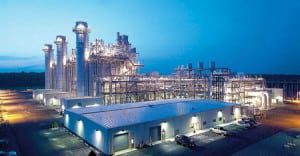
Not every facility that POWER singles out as a Top Plant has a unique design. Some, like this one, may be recognized for an excellent operations record and being a good corporate citizen. At Tenaska Virginia Generating Station, a formal program to make O&M personnel aware of best industry practices—and apply them on the job—has shortened the plant’s start-up time and elevated its availability, making it much more dispatchable and profitable.
-
 O&M
O&MMidAmerican’s Walter Scott, Jr. Energy Center Unit 4 earns POWER’s highest honor
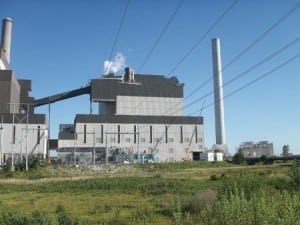
MidAmerican Energy Co. and its project partners are convinced that supercritical coal-firing technology’s inherently higher efficiency and lower CO2 emissions no longer come with a price: reduced reliability. Their Walter Scott, Jr. Energy Center Unit 4, the first major new supercritical plant in the U.S. in more than 15 years, is POWER’s 2007 Plant of the Year.
-
 Coal
CoalWestar’s Lawrence Energy Center wins for not blinking on safety
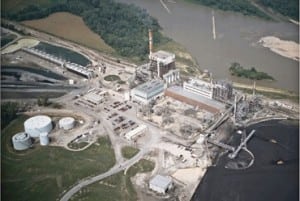
It took Westar Energy eight years to upgrade the Lawrence Energy Center to burn Powder River Basin coal. Its zero lost-time accident record during the million-man-hour project is a testament to Westar’s commitment to workplace safety. Here’s your backstage pass to meet the PRB Coal Users’ Group 2006 Plant of the Year.
-
 Instrumentation & Controls
Old plant, new mission
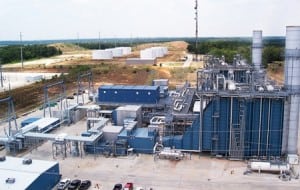
Since 1999, the Texas grid operator ERCOT has given plant owners economic incentives to upgrade and extend the life of their generating units. Lower Colorado River Authority has seized the opportunity to modernize the control systems of its 1970s-vintage Sim Gideon natural gas–fired steam plant. Sophisticated control schemes now calculate the toll taken by running units under severe service conditions—including the high ramp rates that a plant must execute to sell ancillary services.