
Cover Stories
-
 Gas
GasTop Plant: Sasol Gas Engine Power Plant, Sasolburg, South Africa
Once flush with cheap electricity, the Republic of South Africa has recently been beset by power shortages and reliability challenges as a result of decades of underinvestment in its electrical infrastructure
-
 Gas
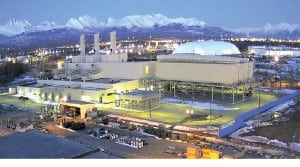
GasTop Plant: Southcentral Power Project, Anchorage, Alaska
Owners: Chugach Electric Association Inc. and Anchorage Municipal Light & PowerOperator: Chugach Electric Association Inc. Alaska’s vast land mass broken up by mountainous regions and glacier fields does
-
 Coal
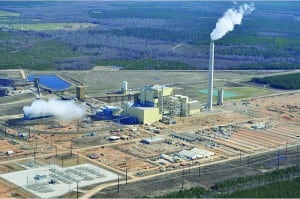
CoalAEP’s John W. Turk, Jr. Power Plant Earns POWER’s Highest Honor
AEP’s SWEPCO requested proposals in December 2005 for new generation to meet long-term capacity needs, and by August 2006 the company settled on coal-fired technology for a new plant site in Arkansas. Construction began in early 2008, and the new plant entered commercial service in December 2012. For overcoming numerous legal and regulatory obstacles and for building the first ultrasupercritical plant in the U.S., the John W. Turk, Jr. plant is awarded POWER’s 2013 Plant of the Year Award.
-
 Coal
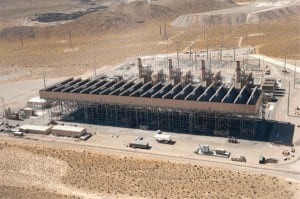
CoalWater Issues Challenge Power Generators
Drought and competing uses for water continue to challenge power plant operators worldwide. In response, innovative approaches for reducing water use are being explored from South Africa to China.
-
 O&M
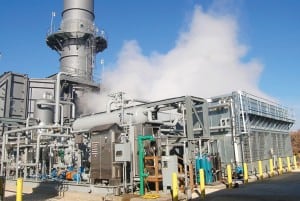
O&MImproving Warm Weather Performance of the LM6000
The LM6000 is the most widely used aeroderivative combustion turbine (CT) in the world, with more than 1,000 installations. As with all CTs, power output and heat rate degrade markedly during warm weather. The ARCTIC (Absorption Refrigeration Cycle Turbine Inlet Conditioning) system eliminates this deficiency.
-
 Coal
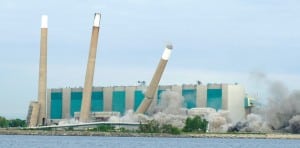
CoalOntario Goes Coal-Free in a Decade
By the end of 2013, one year ahead of its goal, the province of Ontario will be virtually coal-free—a first for a North American jurisdiction. How did the most populous part of Canada go from 25% to 0% coal-fired generation in just a decade, and what does this phaseout mean for the rest of the world?
-
 O&M
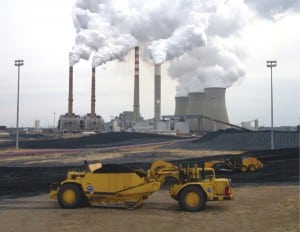
O&MTVA’s Paradise Unit 2 Sets New Continuous Operations Record
Paradise Fossil Plant Unit 2’s record-setting performance of 259+ days of continuous operation for a cyclone-fired boiler is attributed to excellence in plant operations and maintenance processes, a diligent and well-trained staff, and leadership that places high value on both. The Paradise experience proves that plants can’t help getting older, but they don’t have to get old.
-
 Coal
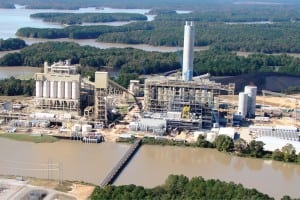
CoalTechno-Economic Considerations When Using Low-Grade Coal for Power Generation
The use of low-grade coal is becoming synonymous with circulating fluidized bed (CFB) power plants. Although CFB technology may often be a better choice than pulverized coal technology, that is not always the case. Owners and developers need to consider several technical and economic factors before making this decision.
-
 Waste to Energy
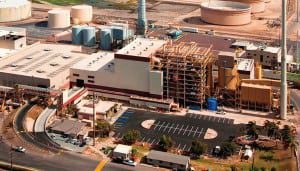
Expanded Honolulu WTE Plant Delivers Triple Benefits for Oahu
Covanta Energy and the City and County of Honolulu recently completed a $300 million expansion of a 20-year-old waste-to-energy (WTE) facility. The plant is now capable of processing up to 3,000 tons of municipal refuse daily, recycling all the metals, and generating up to 90 MW—enough to supply nearly 10% of Oahu’s electricity.
-
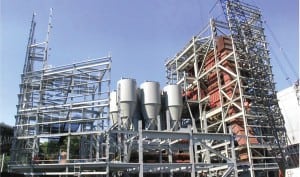 Waste to Energy
Why Aren’t Construction and Demolition Wastes Considered Biomass Fuel?
You may be surprised to learn that even with the increased demand for biomass fuels for power generation, construction and demolition fuel is classified as solid waste, not biomass. Reconsidering this designation is critical as U.S. environmental regulations tighten emission profiles for solid waste combustion units and renewable portfolio standards expand.
-
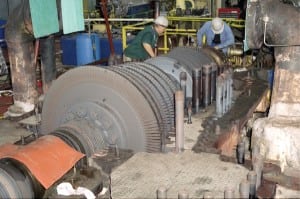 O&M
O&MLayup Practices for Fossil Plants
Improper layup practices are a major contributor to boiler tube failures and to steam turbine pitting and cracking in U.S. fossil plants. EPRI’s research into identifying damage mechanisms, utility best practices, and innovative new methods to protect plant equipment during outages will aid plant operators in achieving a successful layup.
-
O&M
Emerging Technologies Enable “No Regrets” Energy Strategy
Achieving a balance between affordable and sustainable electricity while improving reliability is a challenge unlike any the electricity sector has faced since its inception. Technology innovations in key areas such as energy efficiency, smart grid, renewable energy resources, hardened transmission systems, and long-term operation of the existing nuclear and fossil fleets are essential to shaping the future of electricity supplies.
-
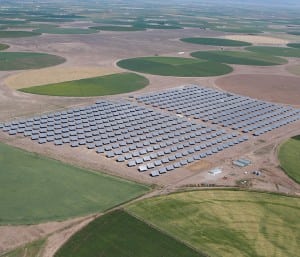 Solar
SolarTOP PLANT: Alamosa Solar Project, San Luis Valley, Colorado
As the largest solar plant of its type in the world, the 30-MW Alamosa Solar Project is currently enjoying its place in the sun. The innovative project consists of 504 concentrating photovoltaic (CPV) solar trackers, each featuring a CPV solar cell panel assembly mounted on a support column. The modular design of the assembly allows the project to easily accommodate future improvements in cell technology.
-
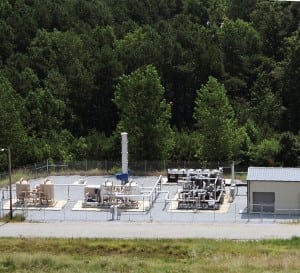 Waste to Energy
TOP PLANT: Coca-Cola/Mas Energy Trigeneration Facility, Atlanta, Georgia
By taking a waste product and converting it into a fuel source, the 6.5-MW Coca-Cola/Mas Energy Facility became the first U.S. operational trigeneration project fueled by landfill gas. Since March, the new system has provided electricity, steam, and chilled water to the adjacent Coca-Cola Syrup Plant, satisfying most of the plant’s energy requirements and reducing its long-term energy costs.
-
 Solar
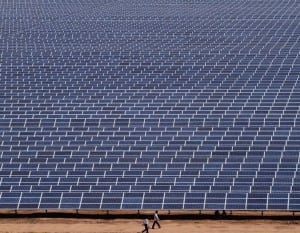
SolarTOP PLANT: Gujarat Solar Park, State of Gujarat, India
Set up by the Gujarat government, the Gujarat Solar Park is actually a group of solar parks that provide dedicated common infrastructure for photovoltaic-powered projects owned and operated by numerous individual companies. When construction at all the parks is completed by the end of 2013, the Gujarat Solar Park is projected to reach a combined capacity of almost 1,000 MW, which will make it the world’s largest solar energy generation installation.
-
 Solar
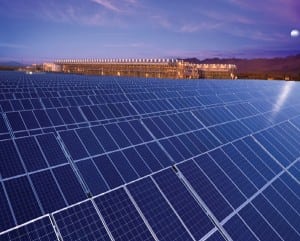
SolarTOP PLANT: Stillwater Solar-Geothermal Hybrid Plant, Churchill County, Nevada
The Stillwater hybrid facility is the world’s first renewable energy project that pairs geothermal power’s baseload generation capacity with solar power’s peak capacity. Inaugurated in May, the 26-MW solar plant is integrated with the adjacent 33-MW geothermal plant, which began operations in 2009, and provides energy to run the geothermal plant’s auxiliary loads.
-
 Hydro
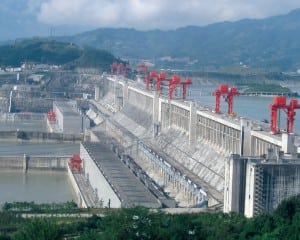
HydroTOP PLANT: Three Gorges Dam, Yangtze River, Hubei Province, China
After nine years of construction, installation, and testing, the Three Gorges Dam is now complete. On May 23, 2012, the last main generator finished its final test, increasing the facility’s capacity to 22.5 GW and making it the world’s largest capacity hydroelectric power plant.
-
 Wind
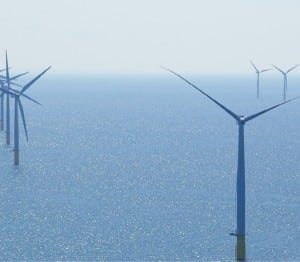
WindTOP PLANT: Walney Offshore Windfarms, Irish Sea, UK
Officially commissioned in February 2012, the two Walney Offshore Windfarms—Walney 1 and Walney 2—together have 102 wind turbines with a total capacity of 367.2 MW. With their combined capacity, the windfarms qualify as one of the world’s largest offshore wind energy facilities and provide clean electricity to approximately 320,000 UK households.
-
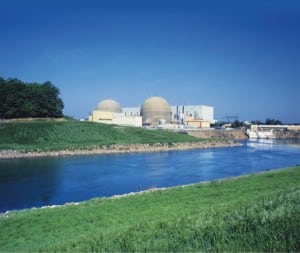 Nuclear
Top Plant: North Anna Power Station, Louisa County, Virginia
In 2007, Dominion Resources contracted Alstom to perform steam turbine retrofits on two generating units at its North Anna nuclear power station. The Unit 1 retrofit, with its ongoing instrumentation upgrade, was the second to be completed at the North Anna plant and the fourth overall for Dominion. Completion of this project marked a significant milestone in terms of both technical achievement and investment in providing clean, safe, and reliable baseload electricity for Dominion customers.
-
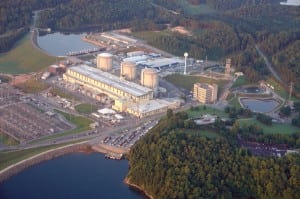 Nuclear
Top Plant: Oconee Nuclear Station, Seneca, South Carolina
With license extensions for its three units in hand, Duke Energy’s Oconee Nuclear Station began a digital controls upgrade program in 2006, and in January 2010, AREVA became the first supplier to receive Nuclear Regulatory Commission approval for a safety-related digital instrumentation and controls system.
-
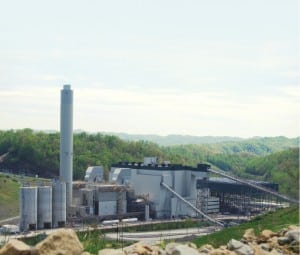 Coal
CoalTOP PLANT: Virginia City Hybrid Energy Center, Virginia City, Virginia
Dominion’s 585-MW Virginia City Hybrid Energy Center, located in southwestern Virginia, relies on two circulating fluidized bed boilers that burn coal and local waste coal mixed with up to 20% biomass. The project also features one of the industry’s largest air-cooled condenser systems to minimize the plant’s water usage. The $1.8 billion project entered commercial service July 10, on budget and on schedule
-
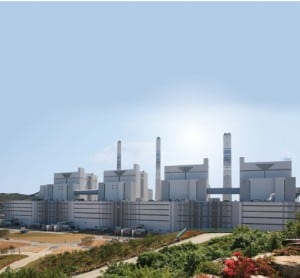 Coal
CoalTOP PLANT: Yeongheung Power Station Unit 3, Yeongheung Island, South Korea
The insatiable power demands of a huge modern metropolitan area like Seoul call for both big thinking and flexibility. The successful launch of this large, state-of-the-art supercritical coal plant required adapting to unforeseen changes in fuel supply while meeting highly restrictive environmental controls. The resulting high-availability facility is a POWER Top Plant
-
 Coal
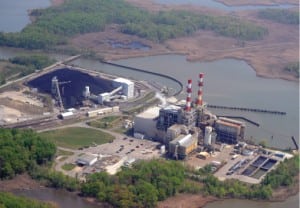
CoalTOP PLANT: C.P. Crane Generating Station, Middle River, Maryland
A desire to do things right led Constellation Energy to invest $70 million to convert its 400-MW C.P. Crane Generating Station to burn Powder River Basin coal and develop the culture critical to making that conversion a success. In addition to being named a 2012 POWER Top Plant, the PRB Coal Users’ Group recognized the plant for its efforts with its Plant of the Year Award
-
 Coal
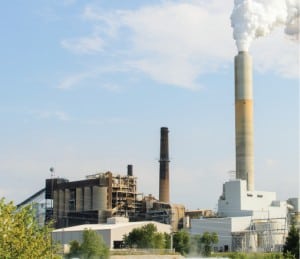
CoalTOP PLANT: Merrimack Station’s Clean Air Project, Bow, New Hampshire
To comply with the New Hampshire law governing mercury emissions, Merrimack Station management recently installed a single scrubber system on the facility’s two coal-fired boilers. The plant’s Clean Air Project was completed on Mar. 30, 2012, ahead of schedule and under budget. Now the 440-MW Merrimack Station has reduced its mercury and sulfur dioxide emissions by more than 95% and is one of the cleanest coal-fired power plants in the nation
-
 Coal
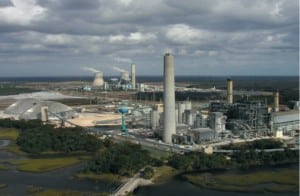
CoalTOP PLANT: Northside Generating Station, Jacksonville, Florida
Since the Northside Generating Station’s two repowered units were placed into service in 2002, a series of modifications and repairs have been undertaken to make its two circulating fluidized bed boiler plants reliable. The two chief problems were ash agglomeration on heat transfer surfaces and poor Intrex heat exchanger performance. JEA reports these problems have been permanently resolved, and data shows the two units have joined the top tier of reliable fossil plants.
-
 Coal
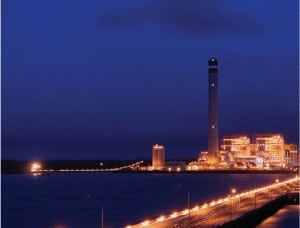
CoalTOP PLANT: Tanjung Jati B Electric Generating Station, Central Java Province, Republic of Indonesia
Units 3 and 4 expand the Tanjung Jati Electric Generating Station’s capacity by adding 1,320 MW of reliable power that helps to boost Indonesia’s growing economy. Now the 2,640-MW coal-fired facility provides approximately 12% of the electricity available on the Java-Bali grid. The new units feature a flue gas desulfurization system and electrostatic precipitators that reduce air emissions and protect the environment.
-
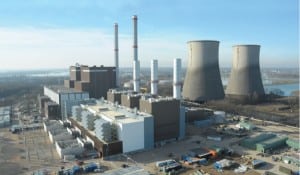 Gas
GasTOP PLANTS: Claus C Combined Cycle Power Plant, Massbracht, Limburg Province, Netherlands
The 1,309-MW Claus C power plant showcases the successful repowering of an existing steam power plant by upgrading it and adding a highly efficient combined cycle plant that doubles the original plant’s power output for just a 35% increase in fuel consumption. In addition, the newly retrofitted plant is cutting CO2 emissions by 40% compared with a simple-cycle gas-fired plant of equal capacity.
-
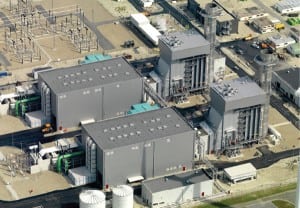 Gas
GasTOP PLANTS: Enecogen Power Station, Rotterdam, Netherlands
The Dutch utility Eneco and the Danish energy group DONG Energy recently collaborated in building the 870-MW Enecogen Power Station that has a thermal efficiency above 59% and is designed for maximum operational flexibility. As part of Eneco’s strategy to lower emissions across its fleet, the combined cycle plant is designed to quickly compensate for intermittent power produced by the utility’s wind turbines.
-
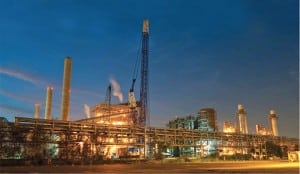 Gas
GasTOP PLANTS: Glow Phase 5 Combined Cycle/Cogeneration Project, Rayong, Thailand
Glow Energy’s 382-MW Glow Phase 5 power plant in Thailand exceeded early expectations by packing into a tightly constrained space more capacity than anyone thought possible. The plant’s engineering feat earns it recognition as a POWER Top Plant for 2012.
-
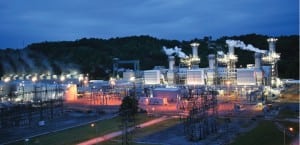 Gas
GasTOP PLANTS: John Sevier Combined Cycle Project, Rogersville, Tennessee
The Tennessee Valley Authority (TVA) is known for its large fleet of coal-fired plants. With TVA’s renewed emphasis on nuclear power and gas-fired generation, the organization will soon fulfill its new goal: “to be one of the nation’s leading providers of low-cost cleaner energy by 2020.” Construction of the 880-MW John Sevier Combined Cycle Plant puts TVA one step closer to achieving that goal.