
Cover Stories
-
 Gas
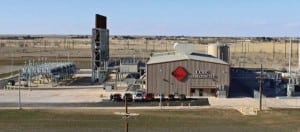
GasTOP PLANTS: LCEC Generation Plant, Lovington, New Mexico
Faced with the need to begin generating its own power after decades of relying on larger regional suppliers, and impending renewable portfolio standard requirements, the Lea County Electrical Cooperative had to get creative. Its choice of a highly flexible gas-fired engine plant that will work together with a nearby wind farm makes this a POWER Top Plant.
-
 Gas
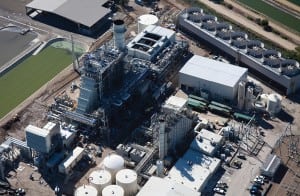
GasTOP PLANTS: Lodi Energy Center, Lodi, California
Set to begin commercial operation on Sept. 17, 2012, the 280-MW Lodi Energy Center is the first “fast-start” combined cycle power plant in the U.S. The advantages of the gas turbine’s shorter startup capabilities are reduced fuel costs, lower emissions, and the versatility to effectively partner with intermittent renewable energy sources. The new power plant is located next to the city of Lodi’s municipal wastewater treatment plant and uses its treated wastewater for cooling purposes.
-
 Gas
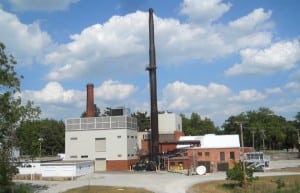
GasTOP PLANTS: University of Iowa Research Park Tri-Generation Power Plant, Iowa City, Iowa
As part of the University of Iowa Research Park’s efforts to promote renewable energy use, the new campus power plant’s engine generators are designed to operate primarily on landfill gas when the pipeline from the Iowa City Landfill is completed, with natural gas as a secondary fuel source. To make it more efficient, the plant’s waste heat recovery system captures waste heat from the gas engine generator’s cooling and exhaust systems to produce hot water for heating, or chilled water for cooling, campus facilities.
-
 O&M
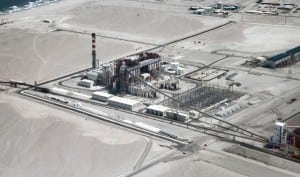
O&MPlant of the Year: AES Gener’s Angamos Power Plant Earns POWER’s Highest Honor
AES Gener recently completed construction of twin coal-fired, 260-MW units in the electricity-starved desert of northern Chile that may serve as models for future hybrid-fossil plant designs. For meeting an aggressive construction schedule, integrating a 20-MW battery energy storage system, embracing desalination, using the first-of-its-kind seawater cooling tower in South America, and employing innovative financing methods, the AES Gener Angamos plant has earned POWER’s 2012 Plant of the Year Award.
-
 Coal
CoalOptimizing Catalyst Performance Lowers O&M Costs
Santee Cooper’s Cross Station has implemented a catalyst optimization program that reduces catalyst replacement cost while maximizing catalyst performance. This case study illustrates the economic advantages of taking a holistic approach to optimizing unit catalyst performance by controlling slag, fouling, sulfur trioxide, and ammonium bisulfate—key factors that lead to premature shortening of catalyst life. With catalyst costing $2 million a layer and up, there is plenty of economic motivation to find ways to improve its life.
-
 Instrumentation & Controls
Ensuring the Cybersecurity of Plant Industrial Control Systems
Industrial control systems (ICSs) manage global industrial infrastructures, including electric power systems, by measuring, controlling, and providing a view of control processes that once were visible to the operator but now are not. Frequently, ICSs are not viewed as computers that must operate in a secure environment, nor are they often considered susceptible to cybersecurity threats. However, recent cybersecurity failures have proven these assumptions wrong.
-
 Instrumentation & Controls
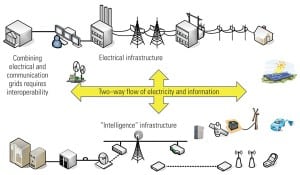
Guidance on Cybersecurity for the Electricity Sector
The cybersecurity needs of the electric power industry are unique, due to the critical nature of the product and the wide range of technologies that must be considered—from complex, modern industrial control systems to aging infrastructure elements.
-
 Nuclear
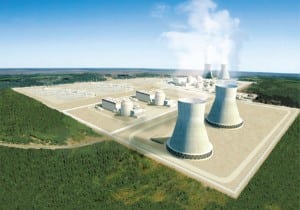
Vogtle Gets Green Light
In February 2012, the Nuclear Regulatory Commission approved two combined construction and operating licenses for Southern Nuclear’s Plant Vogtle Units 3 and 4 in Georgia. They were the first licenses ever approved for a U.S. nuclear plant using the one-step licensing process and the first allowing construction in more than three decades. Now the real work begins.
-
 Waste to Energy
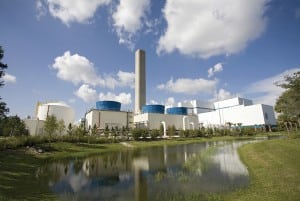
Waste-to-Energy Technology Options Increase but Remain Underutilized
WTE technologies offer cost-effective, near-term solutions for producing baseload electric power, meeting renewable energy targets, and reducing greenhouse gas emissions in the U.S. and other countries. They also present opportunities for improving resource management practices, increasing energy security, enhancing environmental quality, and supporting climate policy goals around the world.
-
 Coal
CoalCoping with Coal Dust
Plants can no longer sweep coal dust under the rug and ignore the health and safety hazard it presents, because a single spark can cause a dust explosion that could put a plant out of service, perhaps permanently. Managing dust in a power plant begins with good housekeeping, followed by retrofits using properly designed equipment.
-
 Instrumentation & Controls
Monitoring Control Loop Performance
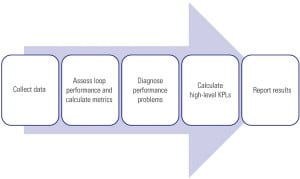
Control loop performance-monitoring software can help to improve loop performance at electric power plants by automatically collecting data, assessing several aspects of loop performance, and providing the results in reports and user interfaces.
-
 Nuclear
Specifying Nuclear DCS Power Supplies
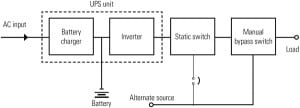
The consideration of power supplies has become critical to the success of converting analog instrumentation and control systems to digital control systems (DCSs). Careful planning is particularly necessary for nuclear power plants, where instrumentation systems are required for safely shutting down a reactor, mitigating the consequences of an accident, and performing post-accident analysis.
-
 Instrumentation & Controls
Power Generation: Automation Today and Tomorrow
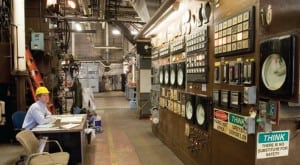
Handheld smart devices providing custom applications and Internet access at the touch of a virtual button are common today. Hidden beneath their touchscreens is a global network of digital technologies that respond to each command. Will these familiar commercial technologies and apps make their way to industrial digital control systems?
-
 Nuclear
Comprehensive Asset Management for Nuclear Plant
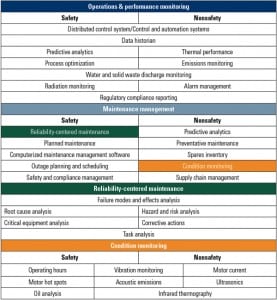
Asset management means different things to different people. But it boils down to converting raw data and observations about equipment and components into information and knowledge that is then used, propagated, and shared by workers and digital components to manage performance. Nuclear plants have special asset management needs, given the level of their safety, reliability, and regulatory requirements.
-
 Coal
CoalEnhanced Load Dispatch Rate and Furnace Protection Through Model Predictive Control
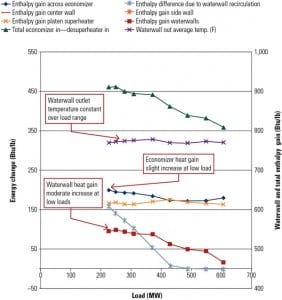
The enhanced plant performance achieved at the 1,477-MW Morgantown Generating Station shows the value of model predictive control in conjunction with intelligent distributed control algorithms. This project update looks at how the project team moved from ramp rate improvements to reducing tube metal temperatures to improved component life.
-
 Coal
CoalU.S. Confronts Pipeline Gaps While Europe Juggles Renewables and Debt
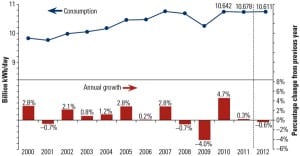
U.S. optimism has been restored by reports of abundant, reasonably priced natural gas to fuel most new generation; however, huge gaps in the fuel delivery system (thousands of miles of pipelines are needed) will soon challenge gas plant development. Meanwhile, the cloud of sovereign debt hangs over all major capital projects in Europe, where the UK moves ahead with new nuclear projects while many of its neighbors shut the door on nuclear and struggle to finance their commitment to renewables.
-
 Solar
SolarTop Plant: Copper Mountain Solar 1, Boulder City, Nevada
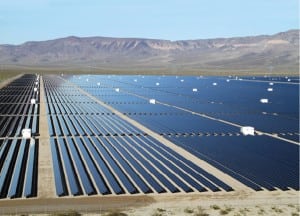
The current largest photovoltaic plant in the U.S., the 48-MW Copper Mountain Solar 1, utilizes approximately 775,000 solar panels to generate emission-free electricity for about 14,000 homes without the use of water. The facility was constructed in less than a year—an unprecedented achievement for a project of this size.
-
 Wind
WindTop Plant: EnBW Baltic 1, Darss-Zingst Peninsula, Mecklenburg Province, Germany
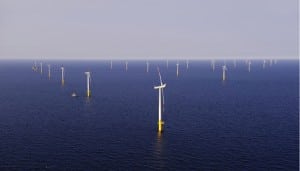
Owner/operator: EnBW Energie Baden-Württemberg AG/EnBW Renewables GmbH Germany’s first commercial offshore wind farm—the 48.3-MW EnBW Baltic 1—consists of 21 Siemens wind turbines, each with a capacity of 2.3 MW and a rotor diameter of 93 meters. Siemens constructed the facility in an area covering about 7 square kilometers in the Baltic Sea.
-
 Solar
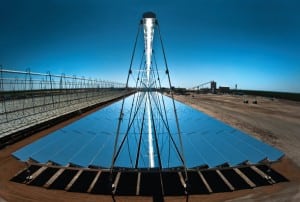
SolarTop Plant:Â Kimberlina Solar Thermal Energy Plant, Bakersfield, California
The 5-MW Kimberlina Solar Thermal Energy Station is the first to use compact linear Fresnel reflector technology developed to generate continuous superheated steam, a key element for higher-efficiency power generation and integration with new and existing plants. The facility’s innovative technology helps deliver power even during periods of transient cloud cover.
-
 Solar
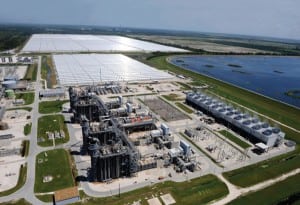
SolarTop Plant: Martin Next Generation Solar Energy Center, Indiantown, Martin County, Florida
The 75-MW Martin Next Generation Solar Energy Center is the first hybrid solar facility in the world to combine a solar thermal array with a combined cycle natural gas power plant. Because the facility uses a steam turbine, transmission lines, and other infrastructure from an existing combined cycle unit, financial savings of approximately 20% were achieved compared to what a similar stand-alone solar plant would have cost.
-
 Hydro
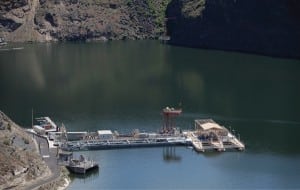
HydroTop Plant: Pelton Round Butte Hydroelectric Project’s Selective Water Withdrawal Project, Oregon
In December 2009, construction of an underwater tower and fish collection structure was successfully completed at the 465-MW Pelton Round Butte Hydroelectric Project. The first-of-its-kind fish bypass and intake structure returns temperatures in the lower Deschutes River to historic patterns and restores downstream passage of Chinook, steelhead, and sockeye salmon while maintaining existing generating capacity.
-
 Solar
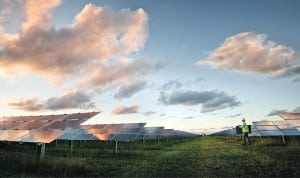
SolarTop Plant: Sarnia Solar Project, Sarnia, Ontario, Canada
The 80-MW Sarnia Solar Project is the world’s largest operational photovoltaic plant, with 1.3 million solar modules. The facility utilizes First Solar’s proven thin-film photovoltaic (PV) technology, which has the lowest environmental footprint and the fastest energy payback of current PV technologies.
-
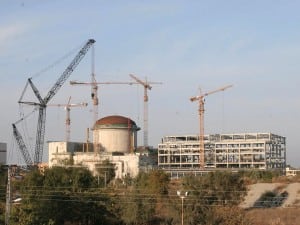 Nuclear
Top Plants: Four Plants Demonstrate Global Growth of Nuclear Industry
The global nuclear industry is moving forward at a brisk pace, only slightly slowed by the Fukushima Daiichi accident. The International Atomic Energy Agency’s most realistic estimate is that 90 new nuclear plants will enter service by 2030. Ten new nuclear plants went online over the past two years. We profile four of them as POWER’s nuclear Top Plants for 2011.
-
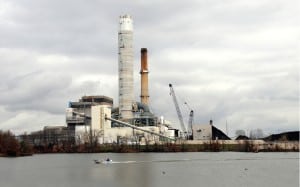 Coal
CoalTop Plant: Coffeen Energy Center, Montgomery County, Illinois
Situated in predominantly rural central Illinois, the 1,000-MW Coffeen Energy Center has installed a number of controls in recent years and achieved significant environmental performance. For example, in 2010 a new scrubber facility was added that reduces SO2 from combustion gases coming from the plant’s two coal-fired boilers. The plant personnel’s continuing commitment to protecting the environment helps to promote a strong relationship between the plant and the local community.
-
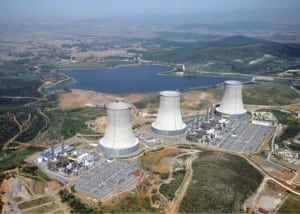 Gas
GasTop Plant: Adapazari Power Plant, Adapazari, Sakarya Province, Turkey
In 2010, the 2,310-MW Adapazari Power Plant achieved 99.8% availability, which is nearly 7% higher than the industry average and a global record in F-class gas turbine technology. The new turbine upgrade is helping ENKA Power bolster Turkey’s evolving economy by improving its energy sector’s efficiency and productivity.
-
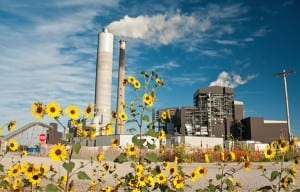 Coal
CoalPlant of the Year: KCP&L’s Iatan 2 Earns POWER’s Highest Honor
Kansas City Power & Light (KCP&L) began engaging stakeholders in 2003 to develop consensus on a regional energy plan designed to balance customers’ desire for low electricity costs with system reliability needs and environmental requirements. The culmination of that plan was the completion of Iatan 2, which entered service in August 2010. For executing an innovative energy plan that reduced overall fleet emissions, ensuring the region’s future electricity supply, and completing an approximately $2 billion project in time for the summer 2010 peak load by using innovative contracting and project controls, KCP&L’s Iatan 2 is awarded POWER’s 2011 Plant of the Year Award.
-
 Coal
CoalUsing Fossil-Fueled Generation to Accelerate the Deployment of Renewables
It may seem counterintuitive, but the strategic coupling of simple- and combined- cycle technologies with renewable generation could establish the conditions necessary for adding more renewable megawatts to transmission grids around the world.
-
 O&M
O&MArtificial Intelligence Boosts Plant IQ
Neural networks have already found practical application in many plants, and recent advancements in artificial intelligence promise to shape the design of the next generation of power plant supervisory controls. Will future plant operators be fashioned from silicon?
-
 Nuclear
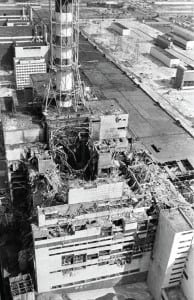
Chernobyl: Twenty-Five Years of Wormwood
Twenty-five years ago last month, engineers and technicians were running low-power tests at the 1,000-MW Reactor No. 4 of the Chernobyl Nuclear Power Plant outside Kiev. They quickly, inexplicably, lost control of the light-water-cooled, graphite-moderated reactor. In an instant, the critical chain reaction flared out of control. The plant exploded like a small, dirty bomb, the graphite caught fire, and the worst catastrophe in civilian nuclear power was under way.
-
 Gas
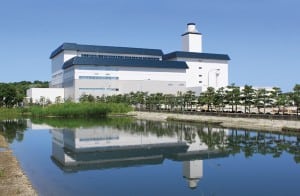
GasSendai Plant Boosts Efficiency and Cuts Emissions
Located on the scenic Japanese coastline, Tohoku Electric Power Co., Inc.’s new 446-MW Sendai Thermal Power Station Unit 4 is a combined-cycle plant that replaces three 175-MW coal-fired units that had been in operation for more than 50 years. The new plant features the first application of MHI’s 50-Hz M701F4 gas turbine, which provides a thermal efficiency boost from the old plant’s 43% to more than 58%. This change substantially reduces CO2 emissions.