The conversation around electrification often centers on power generation and the grid capacity needed to support a more energy-intensive future. But an equally pressing challenge is emerging inside the facilities that consume that power. The systems carrying and protecting electricity within data centers, advanced manufacturing plants, and other high-demand buildings must now evolve as quickly as the loads they serve. The industry’s long-term success will depend on whether the infrastructure, expertise, and coordination needed to support these increasingly complex environments can keep pace with rapidly evolving technologies and power requirements.
Complexity Is Outpacing Expertise
Modern facilities look very different from those built just a decade ago. Electrical systems now support higher power densities, greater redundancy requirements, advanced distribution architectures, and increasingly sophisticated backup power strategies. In many buildings, electrical infrastructure has evolved from a supporting utility into a critical component of operational performance, with reliability tied directly to productivity and operational resilience.
At the same time, organizations are racing to meet growing demand. Whether driven by artificial intelligence, advanced manufacturing, or broader electrification initiatives, project schedules continue to accelerate. Stakeholders are being asked to deliver increasingly sophisticated systems within compressed timelines, and as those schedules tighten, opportunities for knowledge transfer and long-term planning often become more limited.
In many ways, the industry’s growth is outpacing its ability to build deep, system-wide expertise across a project’s lifecycle. High-density loads and advanced distribution systems have become mainstream expectations in a relatively short period of time. While these technologies create new opportunities for performance and reliability, they also raise the stakes: as systems that once served relatively straightforward functions come to support critical operations, all stakeholders must share a common understanding of how those systems are intended to be installed, evaluated, and maintained. The central challenge is holding that alignment together as a project moves from initial design and installation through decades of operation.
Three Foundations for Keeping Pace
Electrification will only achieve its full potential if the infrastructure, standards, and workforce supporting these systems evolve alongside the technologies themselves. Reliable power delivery requires a comprehensive approach that addresses how electrical systems are designed, installed, and upgraded over time—and that approach rests on three connected foundations: durable infrastructure, a skilled workforce, and clear, well-understood standards.
Start with the physical infrastructure. One frequently overlooked part of the equation is the raceway system that protects and supports electrical conductors throughout a facility. In high-demand and mission-critical environments, raceway selection affects far more than initial installation. Properly designed and installed steel conduit systems provide durable mechanical protection, support effective grounding and bonding, and create an inspectable infrastructure capable of serving facilities through future equipment changes, expansions, and upgrades.
In This Issue
Full issueDurable systems are only as good as the people who design and operate them, which makes workforce development the second foundation. The knowledge required to design and operate modern electrical systems is growing continuously, and ongoing technical education is essential as stakeholders work to keep pace with evolving technologies and changing code requirements.
The third foundation is a set of clear, well-understood standards that reduce ambiguity during both installation and inspection. As systems become more sophisticated, consistent documentation, code-aligned practices, and standardized approaches are needed to create a common language across project teams. Everyone benefits when expectations are clearly defined and consistently applied throughout the project lifecycle.
Building for the Long Haul
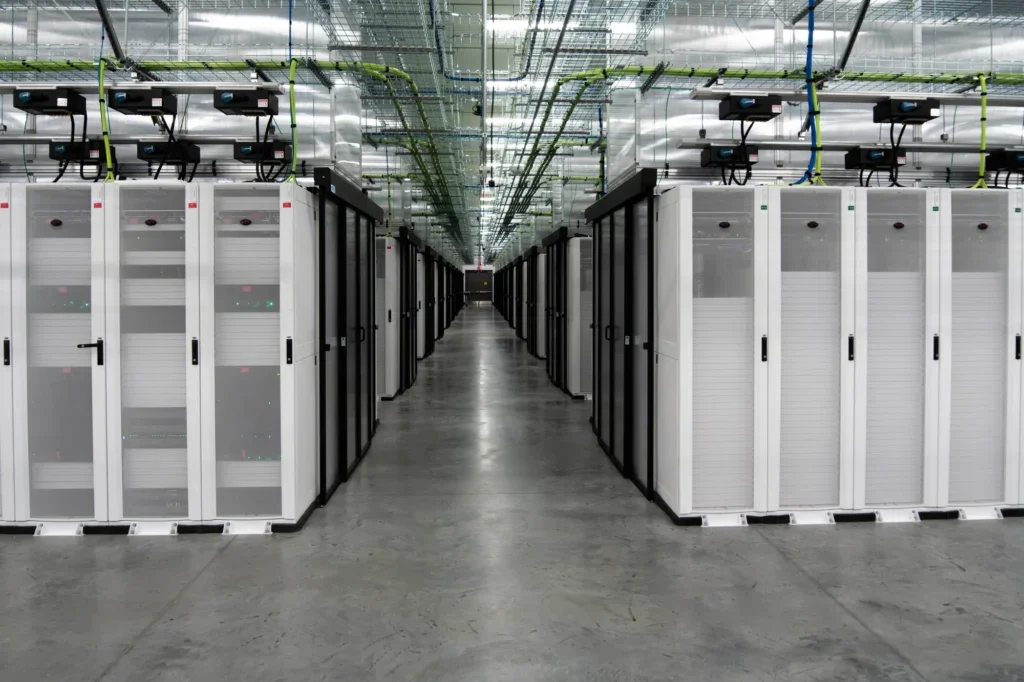
The payoff for getting these foundations right shows up years later. Consider a data center that must accommodate higher-density computing equipment several years after initial construction. Where infrastructure decisions were made with future adaptability in mind, upgrades can often be completed within the existing electrical framework. Where those considerations were not addressed early, accommodating new loads may require extensive modifications that increase cost, complexity, and operational disruption. Systems built around proven standards and clear documentation are simply easier to maintain and upgrade over time, and the decisions made during design and construction often shape a facility’s ability to adapt long after it becomes operational.
The facilities driving today’s electrical demand, from hyperscale data centers to advanced manufacturing plants, are establishing new expectations for reliability and operational performance across the broader construction market. Yet while technology continues to evolve rapidly, these facilities are expected to operate for decades. Long-term performance increasingly depends on decisions made early in a project’s lifecycle, and infrastructure choices that support adaptability and future growth can continue delivering value long after construction is complete.
The facilities that succeed in the age of electrification will be those that treat internal electrical infrastructure as a long-life operational asset rather than simply a construction cost. That requires sustained investment in workforce knowledge, clear standards, coordinated project delivery, and durable systems designed to accommodate change.
—Dale Crawford is the executive director of the Steel Tube Institute (STI).