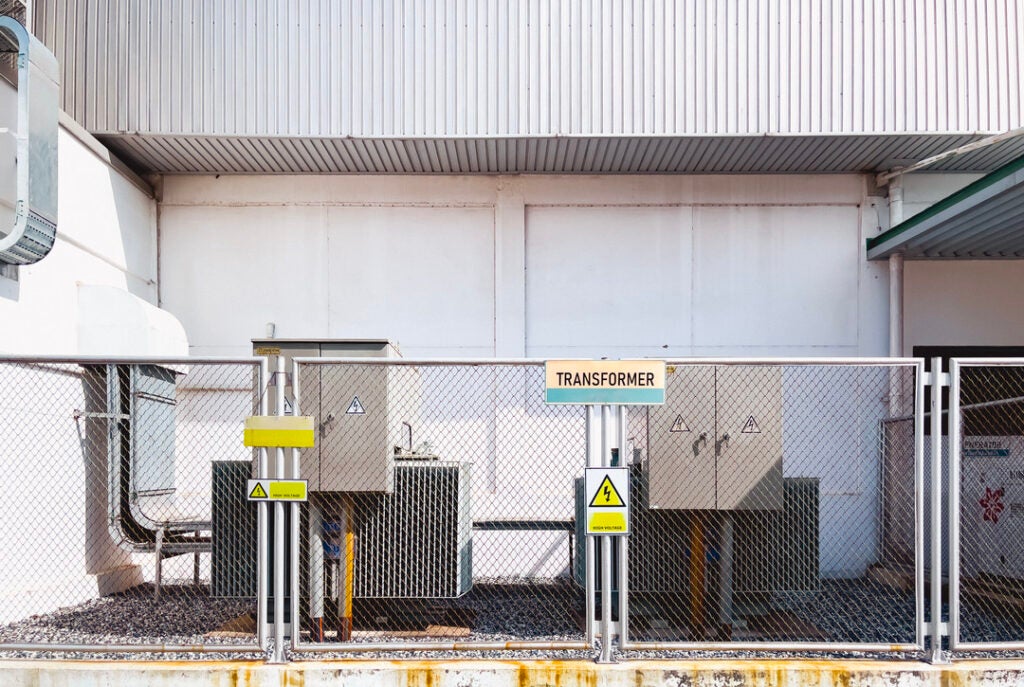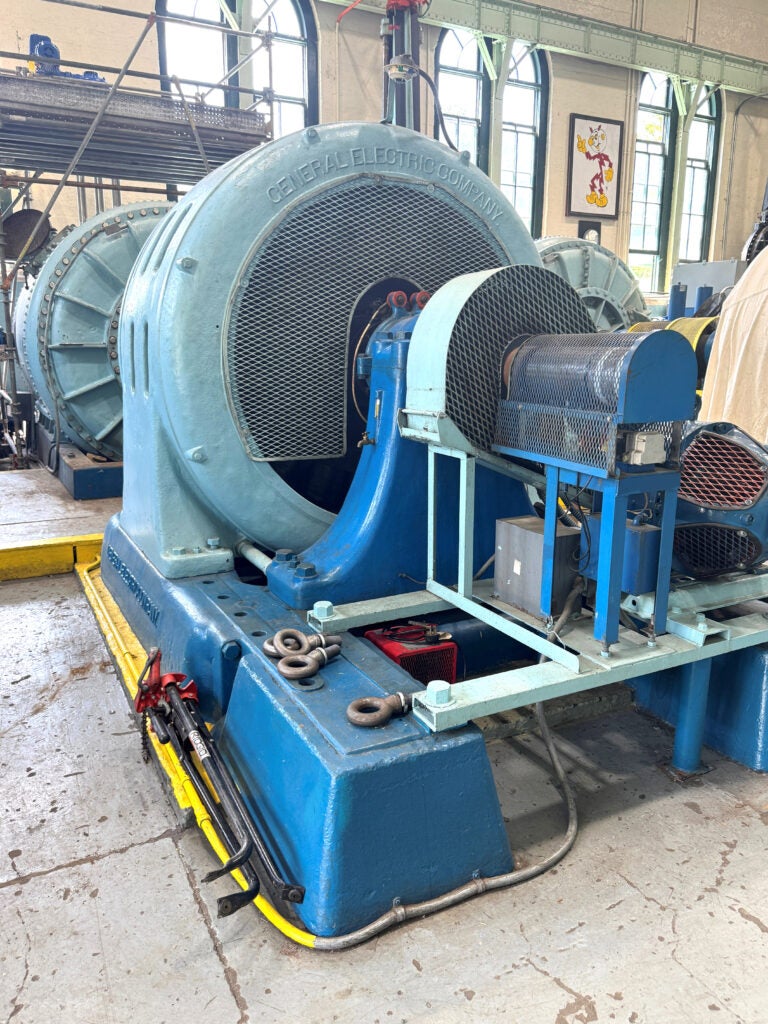
Ruggedly engineered and manufactured switchgear provides safe, redundant power while also delivering the resilience and continuous operation expected in large-scale data center environments.
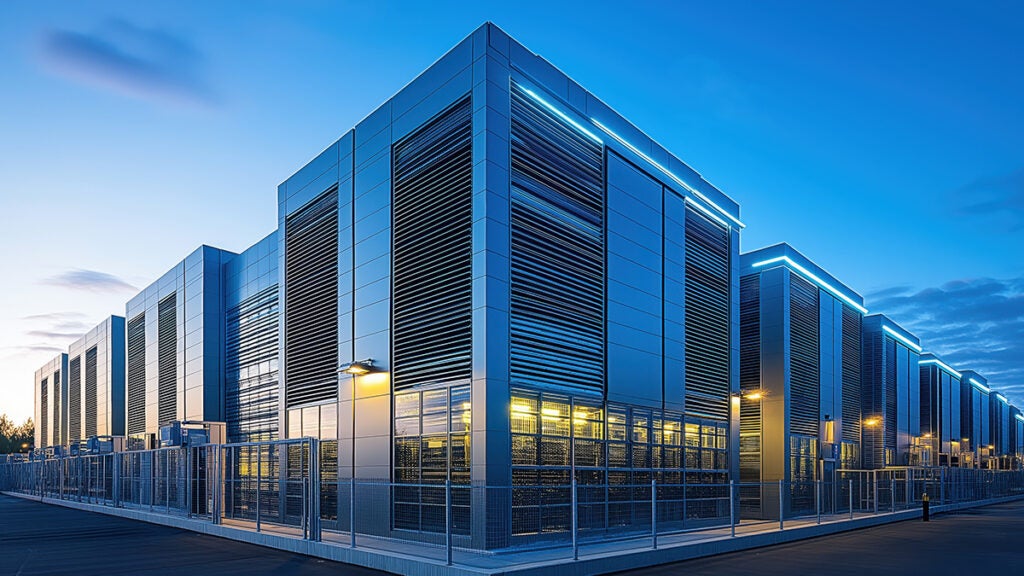
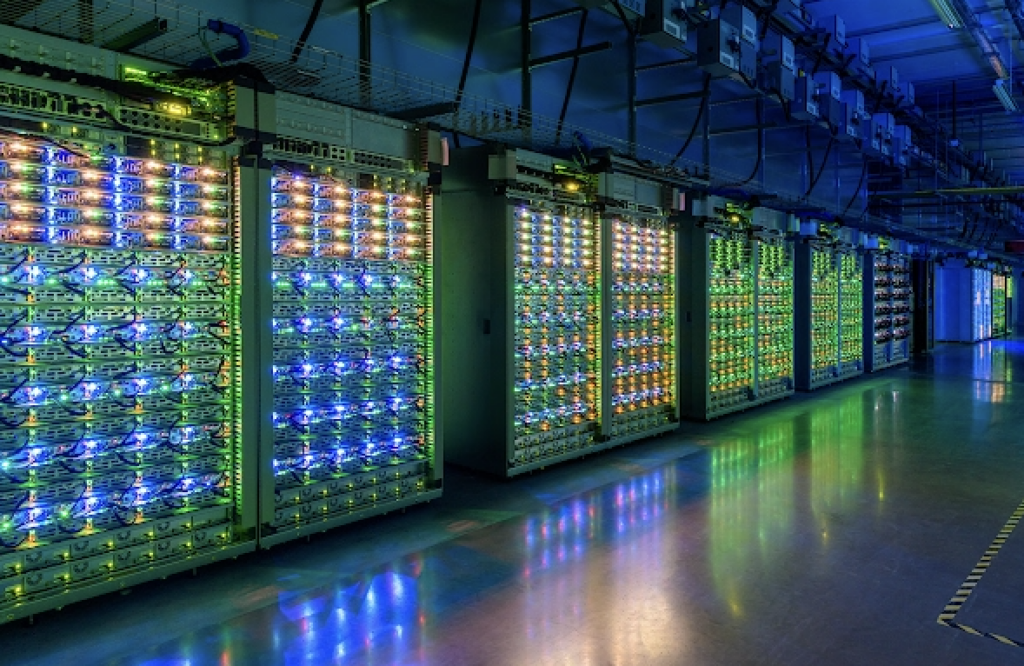
As demand for cloud services, large-scale data processing, and artificial intelligence continues to grow, hyperscale data centers have expanded dramatically in size. It is now typical for a single campus to encompass multiple large buildings and support tens or even hundreds of thousands of servers, along with extensive distributed storage infrastructure and high-capacity networking.
COMMENTARY
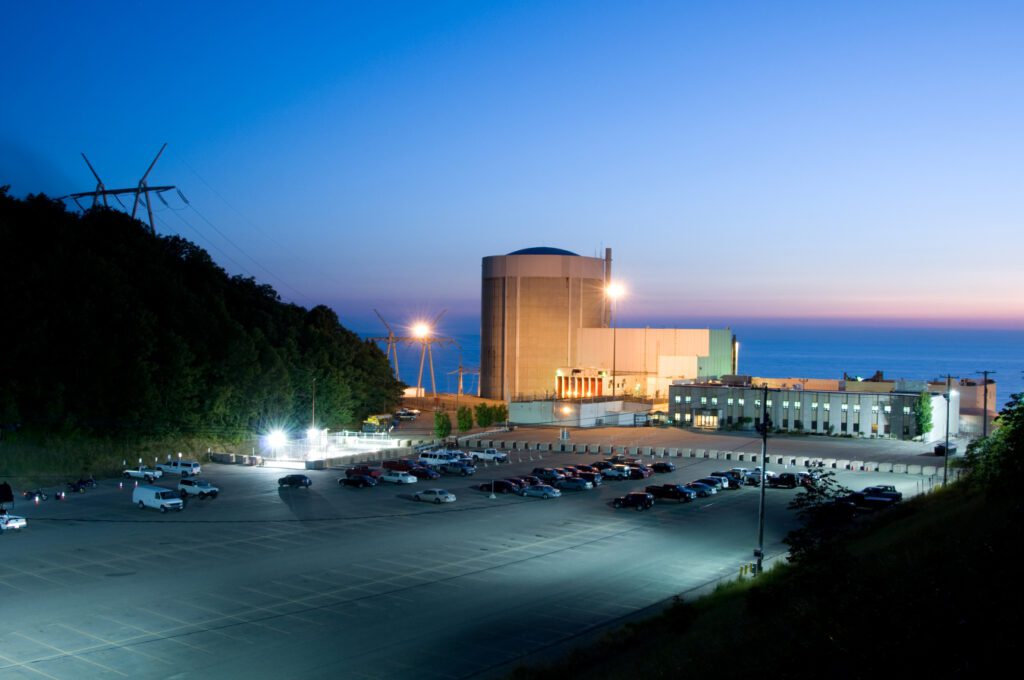
When aggregated across an entire hyperscale campus, the total power demand typically ranges from 100 to 400 MW. In the case of newer mega-data centers, clusters can reach totals exceeding 1 GW. At that scale, the facility begins to resemble a small Gulf Coast petrochemical plant or a million-citizen city and needs a full-size nuclear plant to power it.
Like other bulk users of power, data centers often integrate directly with utility infrastructure. This requires a carefully engineered electrical system design that includes medium-voltage switchgear and associated power distribution systems to manage the flow of electricity, isolate faults, coordinate protective functions, and maintain operational continuity during disturbances.
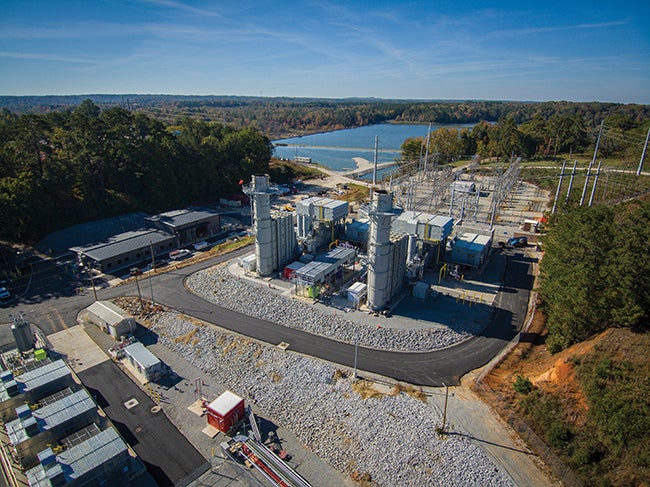
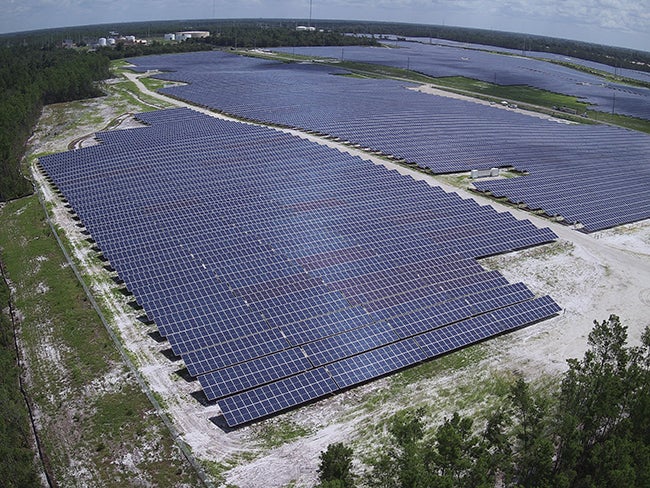
Even as campuses expand on-site generation through cogeneration, renewables, nuclear, or microgrids, they must remain tightly integrated with systems capable of managing synchronization, load sharing, and seamless transitions between power sources and the associated grid.
The Need for Redundancy
At the same time, hyperscale environments demand redundancy at every level, ensuring that no single failure can compromise uptime. In many cases, this means specifying electrical equipment and system designs that exceed conventional ratings or typical class capabilities.
To meet the stringent requirements for availability and uptime, the electrical infrastructure must be built to exceptionally robust standards. In practice, this often means exceeding the requirements set by industry Standards organizations, with added layers of redundancy, hardened equipment, and conservative design margins specified by the utility.
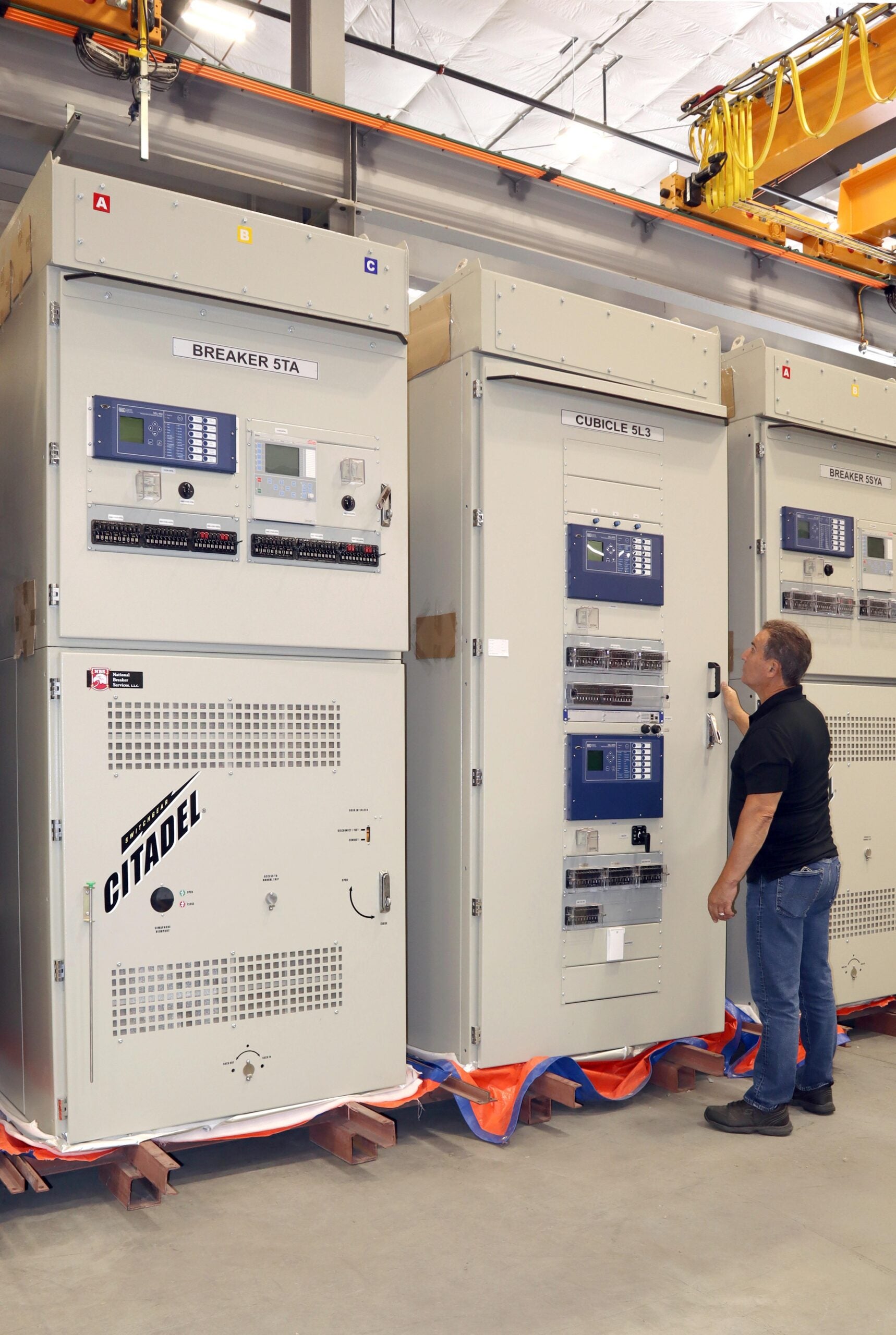
According to Bruce Hack, managing member of National Breaker Services—a Connecticut-based company that specializes in the development, engineering, design, and manufacture of medium-voltage circuit breakers and switchgear used specifically in electric utility substations and generating facilities—these systems are engineered, KEMA tested, and commissioned to ensure they perform reliably under the most adverse conditions, minimizing the risk of disruption in data centers.
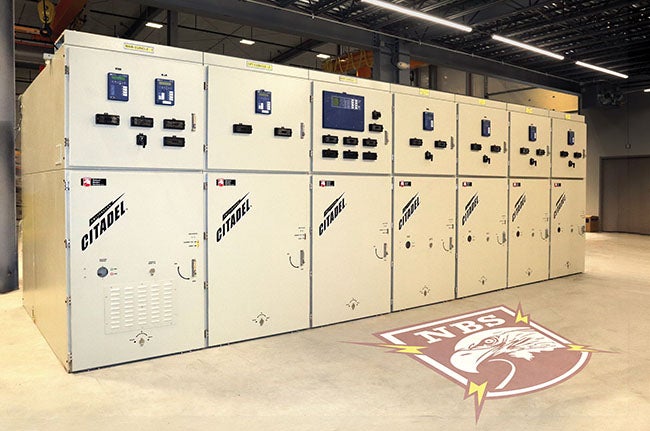
“Only this kind of approach can ensure that the electrical power supply can consistently deliver the level of reliability and high availability large data centers require,” said Hack, whose company is known for its flagship The Citadel product line.
The Electrical Path
In most large facilities, the electrical path begins with the utility or on-site power generation source delivering power at medium voltage. Common voltage classes for data centers are 5, 15, 27, and 38 kV with BIL levels up to 150/200 indoor/outdoor. In support of these needs, various Citadel breakers can achieve ratings of up to 38 kV, up to 63 kA, and 5,000 amps or more.
At the point of utility interconnection, medium-voltage switchgear receives incoming power, provides primary protection, and interfaces with transformers or on-site substations. Large hyperscale data centers commonly use multiple switchgear lineups running in parallel within a redundant electrical architecture to maintain high availability.
Citadel switchgear enables switching between multiple utility feeders and integrates the backup of generators bi-directionally with the electrical power system. Independent generators provide a critical backup layer during planned outages or unstable grid conditions, which is particularly important for facilities that guarantee high uptime levels such as Tier III or Tier IV data centers.
In redundant configurations, switchgear ensures that backup generators seamlessly take over if a primary unit fails. It ensures that each generator is brought online in a controlled manner, matching voltage, frequency, and phase before connecting it to the shared bus. This synchronization process is critical because improperly paralleled generators can cause severe equipment damage or instability.
Switchgear enables multiple generators to operate together as a single, unified power source. The switchgear distributes electrical load across the generators, preventing any single unit from being overloaded and enabling generators to be added or removed as demand fluctuates. It also allows specific sections of the system to be isolated, so individual generators can be serviced without disrupting power to critical loads.
“System topologies designed with redundant configurations such as N-1 or N-2 means there are always one or two engineered-in ways to ‘dodge a bullet.’ Beyond simply handling the full load, such creatively designed topological backups ensure facilities will continue operating even when units fail or are taken offline for maintenance,” says Hack.
Meeting Highest Standards
Electrical equipment such as switchgear, transformers, and circuit breakers must meet a range of industry standards. At a minimum, switchgear and other equipment must be selected for the appropriate system voltage classification.
“Since its inception, the Citadel was destined to serve as both a distribution and a generator breaker,” explains Hack. “To that end, it was KEMA [Arnhem] full fault certified to C37.09 and 37.013.”
In many cases, meeting these requirements calls for substantially greater mechanical strength and more carefully engineered designs than conventional equipment. As a result, Citadel switchgear is intentionally up-rated to ensure reliability.
“Rather than sizing components strictly to the nameplate rating, we build in additional capacity across all major current-carrying elements,” says Hack. “For example, equipment labeled for 3,000 amps may be constructed using internal components—such as copper bus, vacuum interrupters, and associated hardware—rated for higher amperages.”
By operating below the maximum capacity of the internal components, the equipment experiences reduced heat buildup under load. This minimizes the risk of overheating in critical areas such as bus connections and interrupters, ultimately extending equipment life and improving performance under demanding conditions.
In contrast, some large manufacturers design equipment as close to its nominal rating as possible. In high-severity applications this can require supplemental cooling solutions, including forced-air fan packages, to manage heat.
Risk of Overheating
When airflow is reduced or lost entirely, equipment that is operating near its nameplate rating can quickly begin to overheat. This can lead to insulation breakdown, component damage, or, in severe cases, catastrophic failure that takes the equipment offline.
“I was taught and live by a rule the switchgear SME at Con Edison of New York told me decades ago – ‘fans only fail, when you need them,’” said Hack.
The construction of the switchgear enclosure can also play a role in equipment safety and durability. Although OEMs in the industry typically utilize 12-gauge steel in switchgear assemblies, National Breaker Services has standardized on 11-gauge steel across its builds. This heavier construction, often required by utility customers, enhances structural integrity and improves resistance to environmental conditions and arc-related events.
The Utility’s Requirements
Data centers that want to tie into a utility’s power pool are often required to satisfy standards that exceed the recommended guidelines established by oversight organizations such as IEEE/ANSI and NEMA.
At one leading utility, the requirements for medium-voltage switchgear on their 27kV portion of the system is that of 38 kV Class, to ensure excellent safety margins throughout. Furthermore, the close-and-latch and short-circuit fault ratings had to be verified through certified independent high-power laboratory testing.
The utility imposed an additional requirement. Based on its internal study, review, and equipment rating practices, it specified a symmetrical fault current rating of 44 kAIC at 38 kV. By comparison, most switchgear is typically designed with interrupting ratings ranging from 20 to 40 kA.
National Breaker Services was able to independently certify these requirements. To demonstrate the equipment could achieve the specified close-and-latch and short-circuit fault ratings, National Breaker Services validated the Citadel platform through independent testing conducted at two highly respected international high-power test lab facilities, KEMA Arnhem, the Netherlands, and KERI Laboratories in Korea.
Monitoring and Control
In large-scale data centers, modern switchgear assemblies are increasingly being integrated with advanced metering, monitoring, and communications platforms. These systems interface directly with data center infrastructure management (DCIM) and energy management systems, enabling operators to monitor load distribution, power quality, and fault conditions in real time.
In many installations, operators are placing greater emphasis on the communications and networking infrastructure that supports equipment monitoring. The level of data visibility is ultimately determined by the end user, who can choose how much operational information they want to capture and analyze from the system or store for later use.
To support this, a range of components such as relays, current transformers, and other sensing and analytical devices are integrated to collect and interpret detailed performance data. These elements work together to provide deeper insight into system conditions, enabling more informed decision-making and improved operational oversight.
Indeed, the Citadel draw-out switchgear design is capable of mounting 12 C-400 CTs (current transformers) on its stationary primary bottle assemblies. This allows Citadel switchgear to have two fully independent, fully redundant lines of relay protection and use two different types of relays to avoid common failure mode.
Additionally, there is a growing demand for expanded fiber-optic cabling and advanced networking hardware within these environments. While these technologies are not new to the industry, their deployment at this scale represents a notable shift, reflecting the increasing complexity and data requirements of modern systems.
For a major urban U.S. utility, National Breaker Services is currently fabricating more than 200 vertical sections of 38 kV, 44 kA switchgear with a fully redundant internal fiber network.
As data centers scale to meet the exponential growth of cloud computing, artificial intelligence, and edge processing, the demands placed on electrical systems have never been higher.
Switchgear not only ensures safe distribution and isolation of electrical loads, but also plays a critical role in fault management, system resilience, and operational continuity. Its ability to rapidly detect and respond to electrical anomalies minimizes downtime risks, an essential requirement in facilities where even seconds of interruption can translate into significant financial and reputational loss.
“The importance of switchgear will only grow as utility generation and data center’s power users advance mutually toward higher power densities, improved energy efficiency, and broader adoption of renewable energy sources,” says Hack. “It is a good time to be graduating with an electrical engineering degree in power!”
—Jeff Elliott is a Torrance, Calif.-based technical writer. He has researched and written about industrial technologies and issues for the past 20 years. For more information call (475) 316-3471, email jduggan@nationalbreaker.com, or visit www.nationalbreakerservices.com.