For much of the past two decades, many U.S. utilities planned around modest, relatively predictable electricity demand. That era is ending.
Artificial intelligence data centers, advanced manufacturing, transportation electrification, and building electrification are changing the scale and speed of grid growth. Utilities must connect unprecedented concentrations of demand while continuing to deliver the reliability, affordability, and resilience customers expect.
The industry’s new mandate is clear: build for growth without sacrificing reliability.
During the Siemens webinar Planning the grid at the speed of AI: From interconnection queues to grid readiness, experts from Siemens, NVIDIA, and Dominion Energy discussed how AI-driven demand is reshaping grid planning. Their conversation highlighted a central tension: AI is creating new pressure on the power system, but advanced computing, automation, and analytics may also help utilities respond.

A Different Kind of Load Growth
The current demand cycle differs from traditional load growth in several ways.
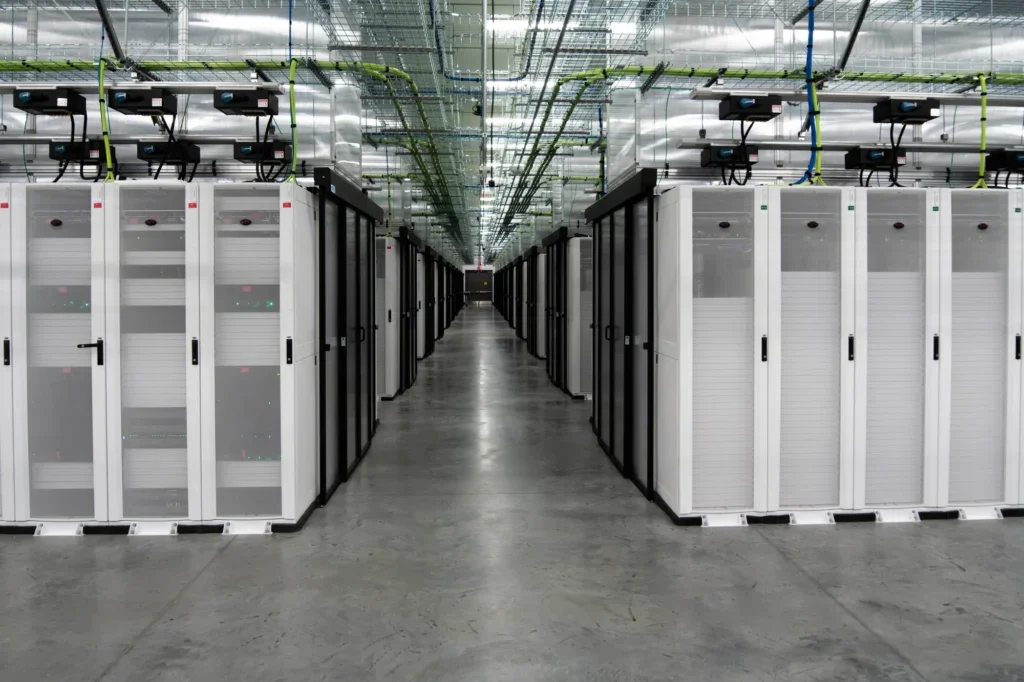
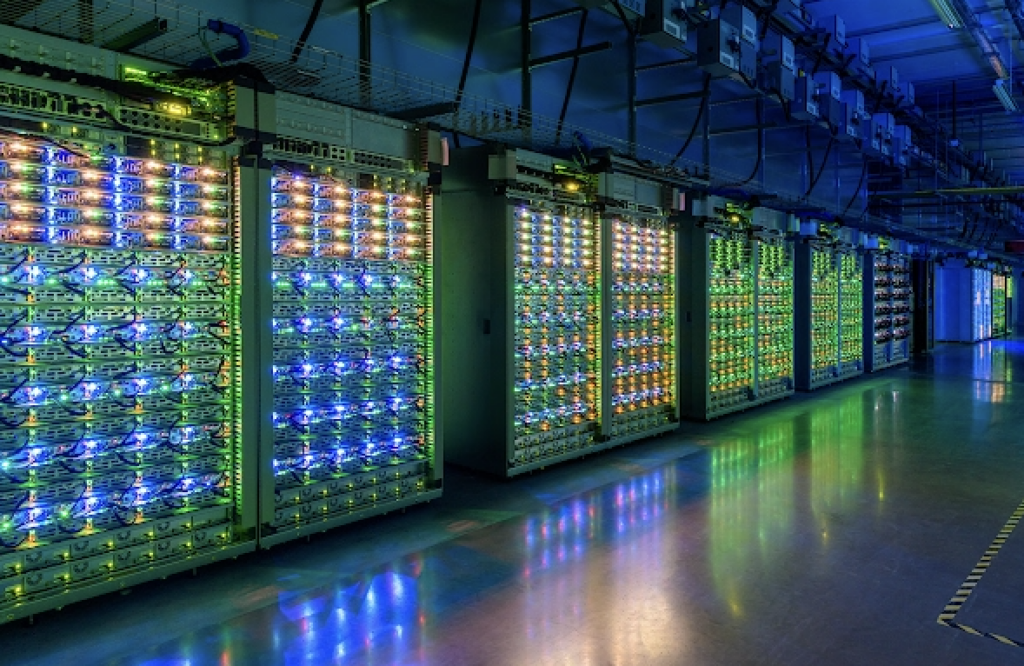
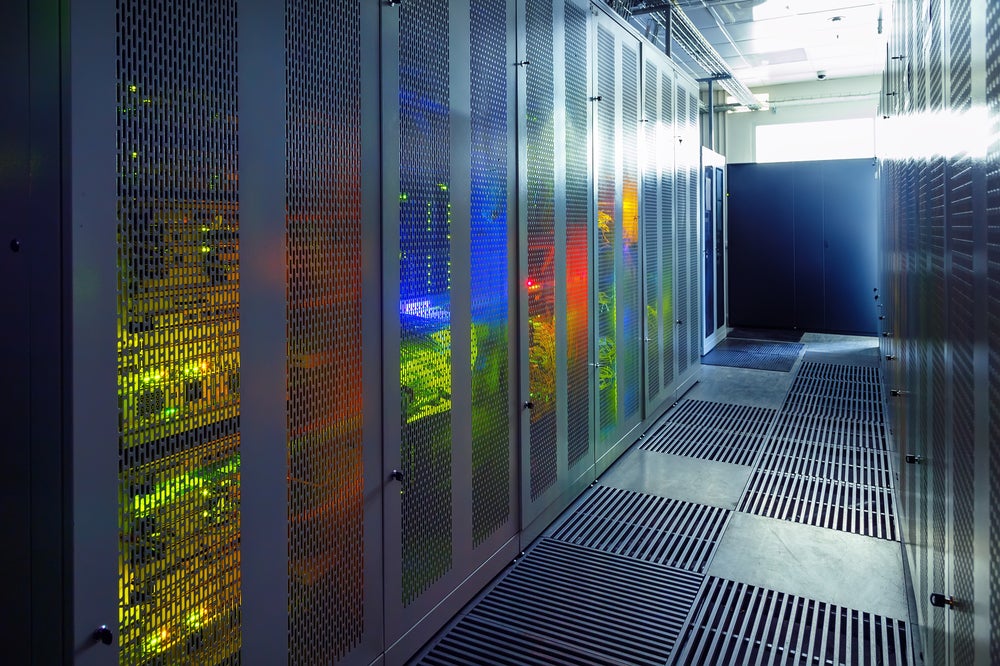
First, individual projects can be enormous. AI data centers concentrate substantial electricity demand at a single location. Traditional data center racks typically consume 15 to 25 kilowatts, while today’s AI infrastructure can require approximately 230 kilowatts per rack. Future systems could approach one megawatt per rack, according to figures discussed during the webinar.
Second, development timelines are often much shorter than utility infrastructure timelines. Technology companies may plan facilities in months, while major generation and transmission projects can take years to study, permit, procure, and construct.
Third, the load continues to evolve. AI facilities support model training, inference, reasoning, and emerging physical AI applications. Their power requirements may change as chips, cooling systems, software, and computing architectures advance.
Utilities must therefore plan for loads that are large, fast-moving, geographically concentrated, and difficult to forecast using historical patterns alone.
Reliability Cannot Be the Trade-Off
The urgency to connect new demand does not reduce utilities’ obligation to maintain reliable service. If anything, it raises the stakes.
Large loads can affect generation adequacy, transmission constraints, voltage performance, stability, contingency exposure, and local infrastructure requirements. Their impact may extend far beyond the point of interconnection.
Utilities must understand not only whether a project can connect, but how the system will perform across a range of conditions. What happens during peak demand or a major contingency? What if several facilities connect in the same region? What if planned generation or transmission projects arrive later than expected?
A single deterministic forecast cannot answer every question. Planners need to evaluate multiple plausible futures involving different combinations of load, generation, weather, outages, project timing, and operating behavior.
The goal is not to predict the future perfectly. It is to make decisions that remain sound despite uncertainty.
Energy Is Now Part of the Technology Stack
Electricity has become a foundational component of the AI technology stack. AI depends on chips, computing infrastructure, software models, and applications – and every layer depends on reliable power.
Energy availability is therefore becoming a factor in where AI infrastructure is built, how quickly it can be deployed, and how effectively it can operate. This interdependence requires closer coordination between sectors that have historically planned on different timelines.
Utilities need credible information about when facilities will connect, how much power they will use, and how demand may vary. Developers need greater visibility into grid constraints, study requirements, infrastructure costs, and realistic connection schedules.
Regulators and system operators also have a critical role. Existing planning, permitting, and interconnection processes were not necessarily designed for the volume, concentration, or speed of today’s large-load requests.
Building for growth will require more than new infrastructure. It will require modernized processes and clearer mechanisms for sharing information, cost, and risk.
Could AI Loads Become Grid Resources?
Although AI facilities create significant demand, some workloads may also offer flexibility.
Certain model-training activities may not need to operate continuously or at full capacity. Depending on technical and commercial requirements, workloads could potentially be scheduled, shifted, or throttled in response to grid conditions.
That flexibility could help utilities manage constrained periods, improve utilization of existing assets, and potentially defer selected investments. It could also create opportunities for large customers to participate in demand-response or other grid-support programs.
However, flexibility should not be assumed. Utilities need to know which workloads can move, for how long, how quickly they can respond, and what contractual or operational limits apply. A theoretical capability is not the same as a dependable planning resource.
To incorporate flexible AI demand into reliability planning, utilities and developers will need measurable performance requirements, appropriate communications and controls, and commercial structures that align incentives.

Planning Must Move at the Speed of Growth
Traditional planning methods remain essential, but the scale of the challenge is increasing the volume of analysis required.
Planners may need to evaluate a much broader range of combinations involving load growth, generation additions, contingencies, infrastructure options, and project schedules. At the same time, they face pressure to complete studies faster and communicate results to a broader group of stakeholders.
Cloud computing, workflow automation, probabilistic methods, modern application programming interfaces, and AI-enabled analytics can help teams run more scenarios, test more assumptions, and reduce repetitive work.
These technologies should augment engineers, not replace them. Grid planning involves physical constraints, regulatory obligations, local knowledge, and risk judgments that require accountable human expertise.
Faster Studies Must Lead to Better Decisions
Speed alone is not the goal. A faster study based on poor data or unrealistic assumptions will not produce a better decision.
Utilities need trusted network models, consistent data, transparent assumptions, and governance that allows results to be reviewed and reproduced. They also need closer integration between technical analysis and investment planning.
A technically effective grid solution may not be the best investment once cost, asset condition, timing, environmental impact, and portfolio risk are considered. Conversely, delaying an investment may create reliability or resilience risks that are not visible in a purely financial analysis.
Connecting engineering analysis with capital planning can help utilities compare traditional reinforcement with flexible demand, operational changes, non-wire alternatives, and phased investments. The result should be not merely a faster answer, but a more defensible capital plan.
Growth Is a Shared Responsibility
No single organization can solve this challenge alone.
Utilities must modernize planning capabilities and provide clearer interconnection pathways. Large-load developers must offer credible forecasts and greater transparency about operating requirements. Regulators must support timely investment while protecting customers from unnecessary cost and risk. Technology providers must deliver scalable, interoperable, and secure tools. System operators must coordinate regional impacts that extend beyond individual service territories.
The industry must also address workforce constraints. As experienced engineers retire and study volumes increase, utilities need to preserve institutional knowledge while equipping the next generation of planners with better tools.
AI-enabled workflows may help capture repeatable processes, surface relevant information, and reduce manual effort. But successful adoption will depend on trust, explainability, cybersecurity, and clear accountability.
Building for Growth – and What Comes Next
The power system has always evolved alongside economic and technological change. What distinguishes the current moment is the pace.
The industry’s task is not to choose between growth and reliability. It is to develop the infrastructure, planning methods, commercial frameworks, and partnerships required to deliver both.
That means planning for uncertainty rather than relying on a single forecast. It means treating flexible demand as a potential resource, but only when its performance can be verified. It means using automation and AI to extend engineering capacity without diminishing engineering judgment. And it means aligning utilities, developers, regulators, and technology providers around realistic timelines and shared responsibilities.
The utilities that succeed will not simply build more. They will build with greater foresight, speed, and confidence—while keeping reliability at the center of every decision.
Watch the full webinar, Planning the grid at the speed of AI: From interconnection queues to grid readiness, to hear experts from Siemens, NVIDIA, and Dominion Energy discuss how the industry can prepare for AI-driven demand while protecting grid reliability.