The global energy landscape is undergoing a profound transformation. Increasing demand for power driven by the proliferation of data centers, the rapid adoption of electric vehicles (EVs), expansive manufacturing, and widespread industrial electrification has brought the need for new, sustainable power sources into sharp focus. This burgeoning load growth necessitates the urgent deployment of renewable energy projects, and in this critical transition, insurers are emerging as indispensable partners.
Heightened Demand and the Renewable Imperative
The demand for electricity in the United States is escalating at an unprecedented rate. Data centers alone are seeing energy demand grow approximately 5% annually, and a recent report from Grid Strategies predicts that data center load growth could reach roughly 90 GW by 2030. This surge, however, represents only about a third of the total demand increase, with manufacturing, industrialization, and transport electrification contributing significantly to the overall capacity needs. Ensuring a robust power infrastructure to support this growth, and managing the risks that go along with it, have become critical business imperatives.
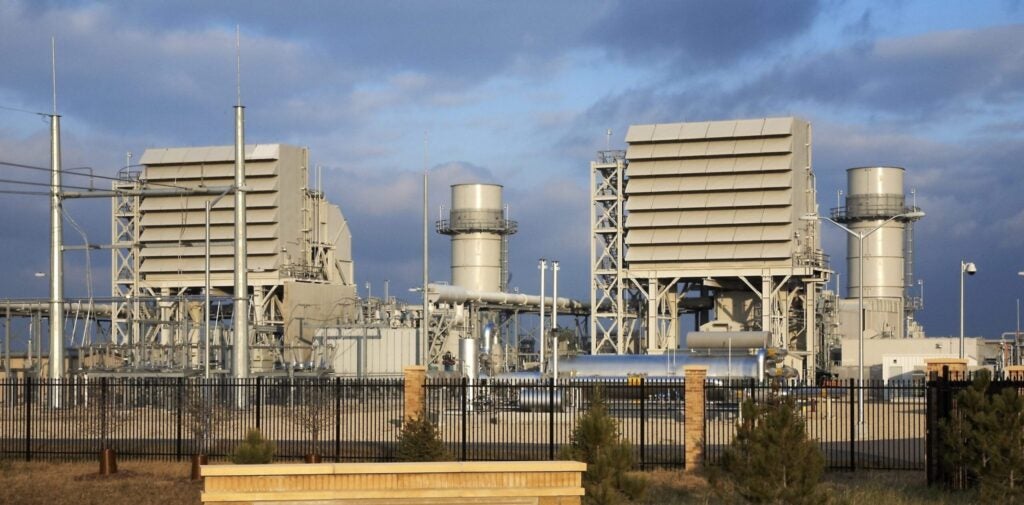
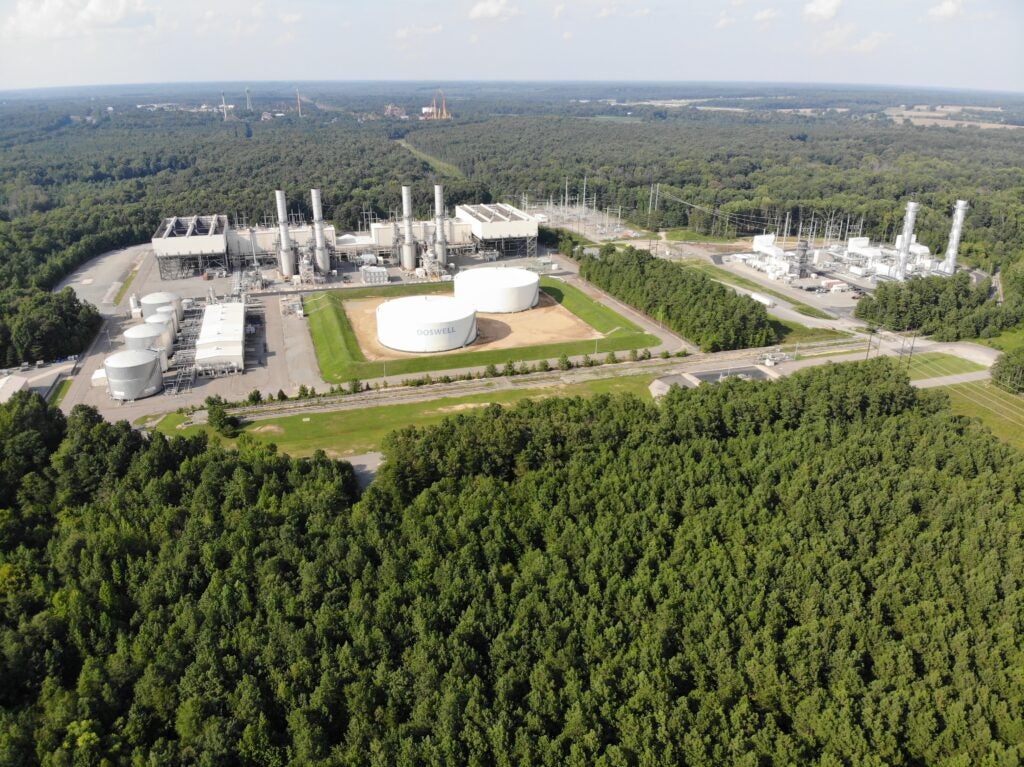
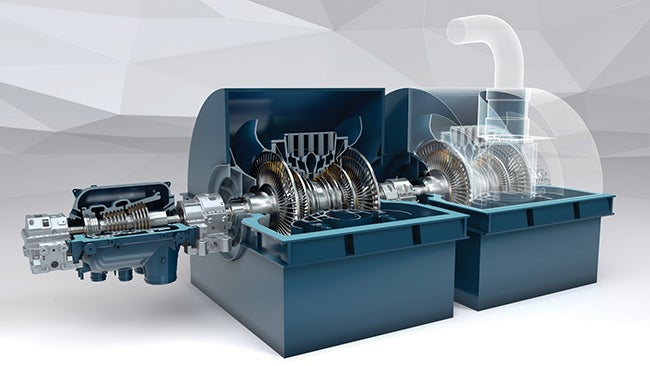
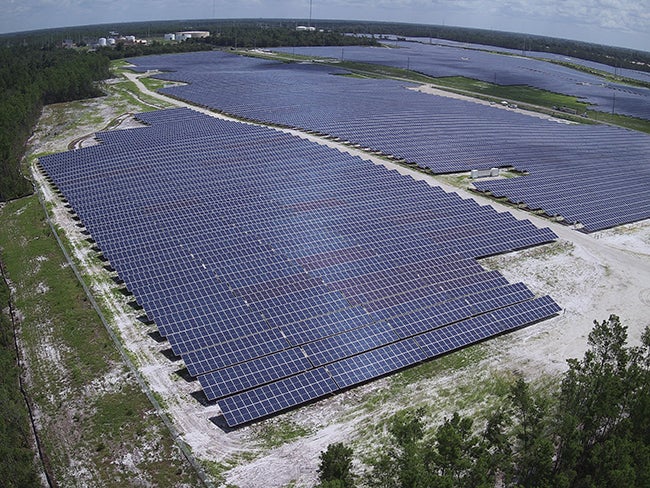
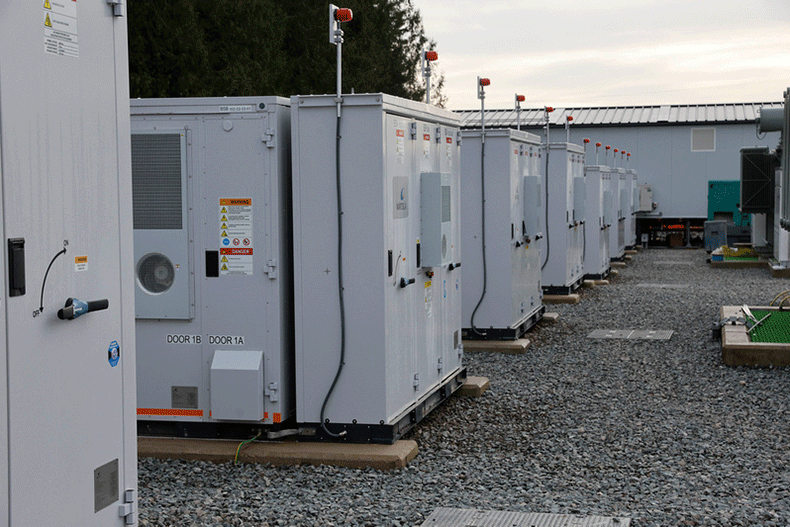
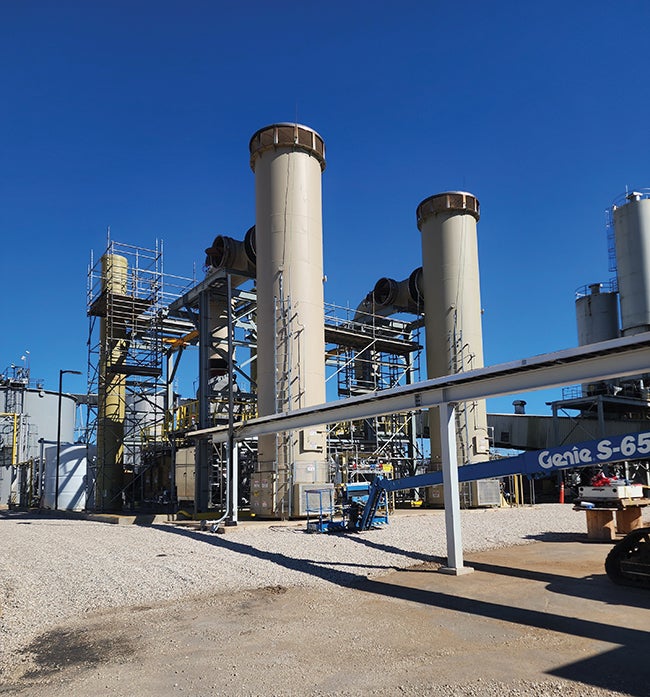
In this context, renewable energy sources and Battery Energy Storage Systems (BESS) have become vital. While conventional options like gas turbines face supply chain constraints and nuclear power projects are notoriously slow to develop, renewables and BESS offer scalable, near-term solutions. They are often quicker to deploy and, in many cases, more cost-effective than ramping up coal production, with recent analysis from Energy Innovation showing 99% of U.S. coal plants are now more expensive to run than replacement by new local solar, wind, or storage. For tech companies that are increasingly reliant on electricity availability, renewable energy paired with battery storage provides both operational and reputational benefits: BESS plays a crucial role in managing peak demand, shaping load profiles, and maintaining grid stability, while the adoption of renewables helps to mitigate the environmental impact of data centers.
Despite their advantages, renewable energy projects face significant headwinds. Developers are under pressure to secure equipment and interconnection positions to meet various deadlines and qualify for enhanced tax credits. Consequently, land acquisition, proper siting, and efficient interconnection remain critical constraints. Supply chain disruptions and manufacturing delays further compound these challenges, particularly when multiple large-scale projects compete for approvals.
The regulatory landscape, while dynamic, is unlikely to fundamentally impede renewable energy development. Despite tax credit rollbacks and competition from alternatives being favored by regulators, such as oil and gas, renewables and BESS developers have demonstrated remarkable adaptability to evolving policies. The tactical adjustments they’re making indicate that policy constraints will shape strategies but are unlikely to significantly slow the broader growth of renewables.
The bottom line: Renewables and battery storage are poised for sustained growth, but to scale at pace, they will need an experienced risk management partner.
The Critical Role of Insurers in the Energy Transition
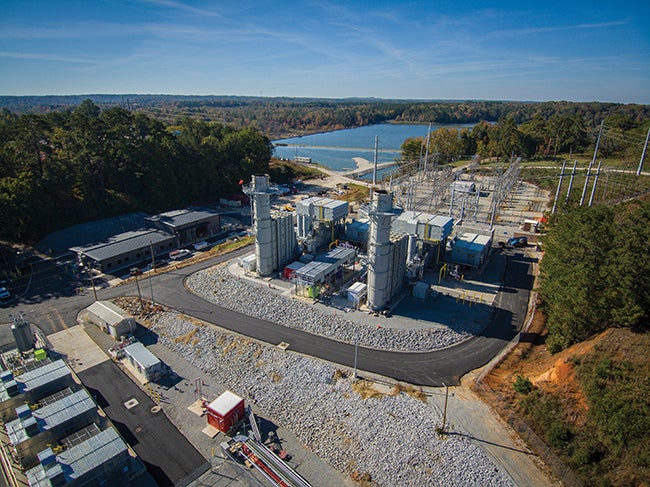
Insurers are poised to play a pivotal role in enabling the energy transition, extending beyond their traditional function to become vital strategic risk management partners. To meet the escalating demand, a diversified portfolio of renewable energy assets, including solar, BESS, wind, hydroelectric, biogas, geothermal, renewable natural gas, and EV charging stations, as well as thermal energy sources, and retrofitting legacy assets, will be essential.
Insurance, more than just a safety net, will serve as a vital form of risk capital, facilitating financing and crucial loss control guidance for an explosion of renewable energy projects. Developers will look to insurers for comprehensive construction and specialty operational, cyber, tax credit and performance coverage to scale energy capacity and build out a resilient renewable infrastructure.
Furthermore, insurers have a critical role in incentivizing the resilience of renewable energy assets against intensifying climate disasters. With projects extending into more diverse geographic areas and risk zones expanding due to severe weather events, ensuring the resilience of these assets is paramount. Through research, data collection, and actionable feedback, insurance carriers and brokers can guide the renewable energy sector toward protective resilience in design, construction, and maintenance. Moreover, insurers can and should require and reward resilience measures by offering reduced premiums for documented investments in physical asset protection and operational enhancements.
Looking ahead, innovative policy structures and risk transfer solutions will support renewable energy and storage systems. While insurance rates for these systems are stabilizing, major losses can still significantly impact costs. Higher deductibles in hail and wind-prone regions may prompt developers to explore supplemental risk transfer solutions.
Parametric solutions are emerging as a key innovation, stabilizing project economics and improving financing terms. These solutions, which complement traditional insurance, can offer deductible buy-downs for hail or wind events and performance-linked structures for factors like wind speed and solar irradiance. Non-weather parametrics tied to price signals and availability are also gaining traction, particularly for batteries and hybrid systems, offering a hedge against price volatility driven by weather-induced grid stress. The Wind Proxy Hedge, for instance, puts a floor on wind speed tied to production, exemplifying how climate risk transfer can fundamentally restructure risk to accelerate capital deployment for clean energy. By de-risking projects for lenders, parametric solutions enable greater debt financing and a lower cost of capital, thereby fueling the energy transition.
Fueling the Renewable Revolution
The future is undeniably powered by electrons, whether for artificial intelligence, transportation, or industrial expansion. The increasing need for reliable, sustainable power sources positions renewable energy at the forefront of this evolution. As the energy transition accelerates, the strategic partnership between renewable energy developers and the insurance industry will be instrumental in building a resilient, electrified future.
—Jason Kaminsky is CEO of kWh Analytics.