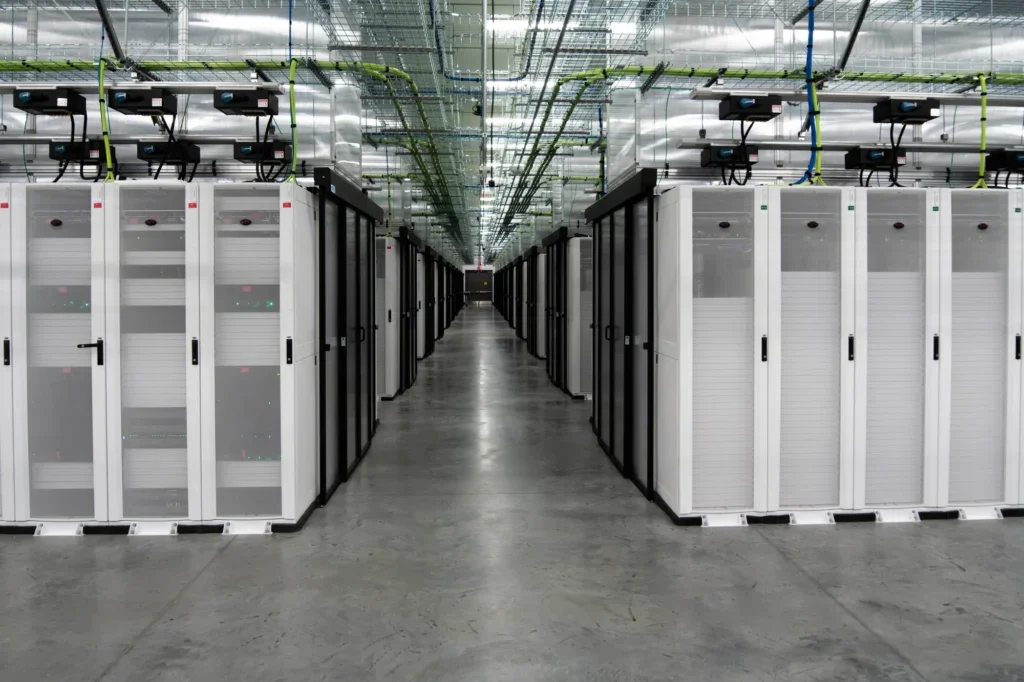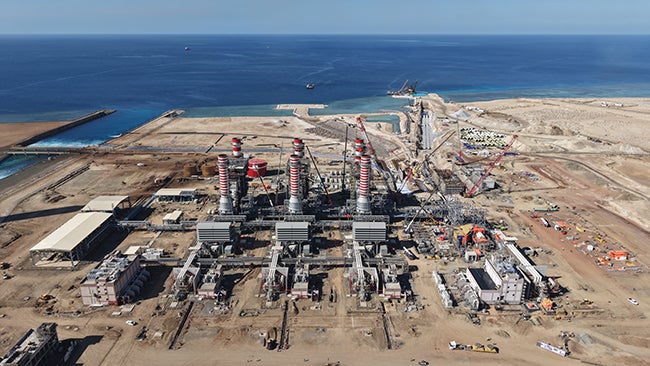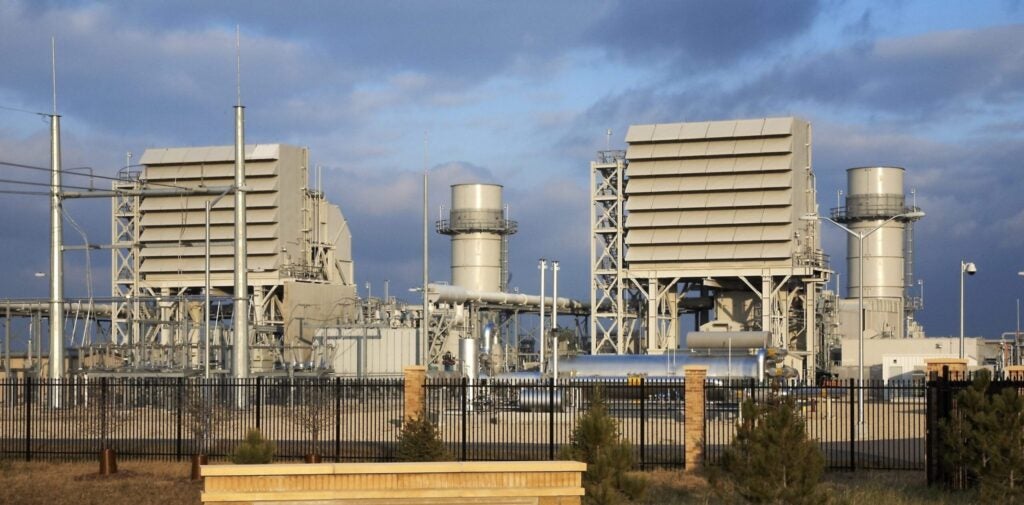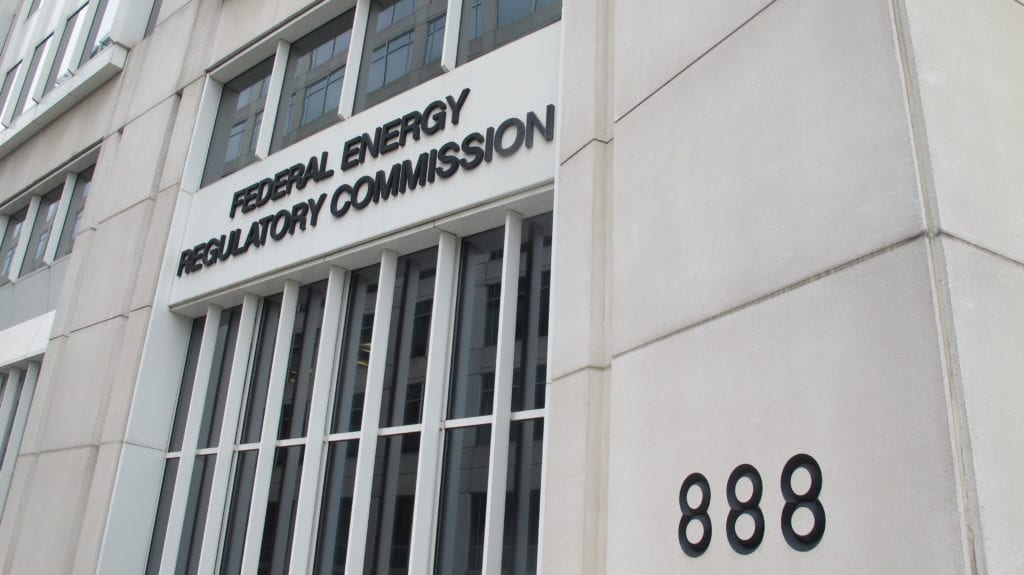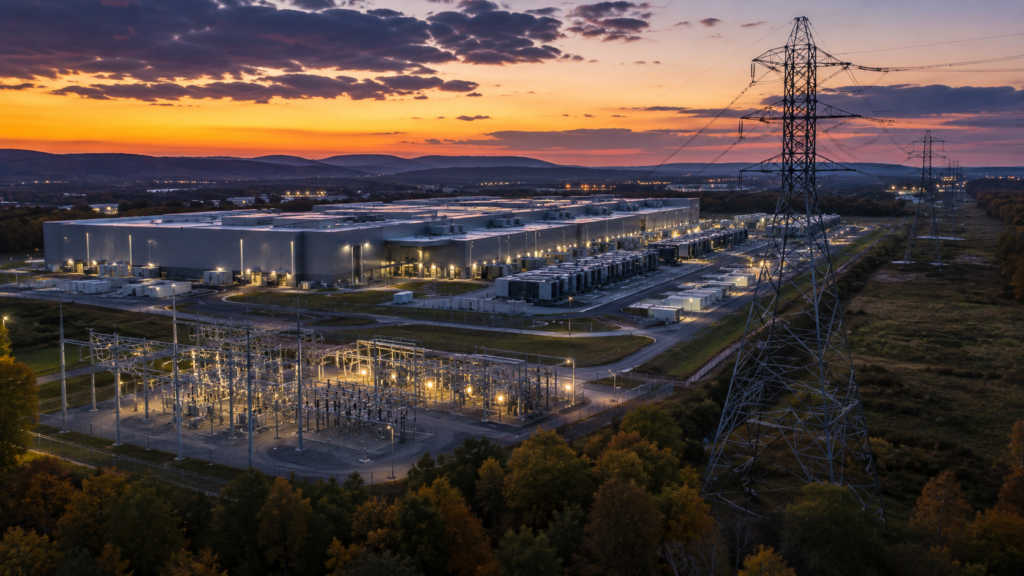

Powering data centers is receiving significant attention at the federal level with the Department of Energy’s Advanced Notice of Proposed Rulemaking, or ANOPR, on large-load interconnections, and with the Federal Energy Regulatory Commission (FERC) gathering input on the proposal. The White House in March of this year announced a Ratepayer Protection Pledge from major tech companies to address data center rate affordability concerns.
However, there is also a plethora of regulatory shifts happening at the state level on bringing power to data centers, and retail rate cost recovery. States, through their public utilities commission (PUC) dockets and legislative enactments, are implementing new policies and laws in response to unprecedented large load additions from data centers.
For example, in Wisconsin and Minnesota, state commissions are considering rate tariffs and electric service agreements (ESAs) whereby data center customers are financially responsible for bespoke generation and storage resources being added by utilities to interconnect and power data centers. The proposed tariffs and ESAs directly allocate new costs to the large customers instead of the typical allocation process of divvying up costs by customer class done through retail rate cases. Having data centers responsible for bespoke resources provides the mutual benefit of expediting new resources, while insulating other customer classes from the associated risks and revenue requirements.
State legislatures across the country are considering, and several have enacted, new authority for PUCs to shift more costs to data centers. Most states have limitations on utilities granting either rate preferences or discriminating against specific customers. Certain legislation provides an exception to those standards and requires PUCs directly allocate certain cost types to data centers. The combination of bespoke resources and new customer class allocation requirements is an attempt to “air gap” residential customers from paying the bulk of new expenses associated with data centers.
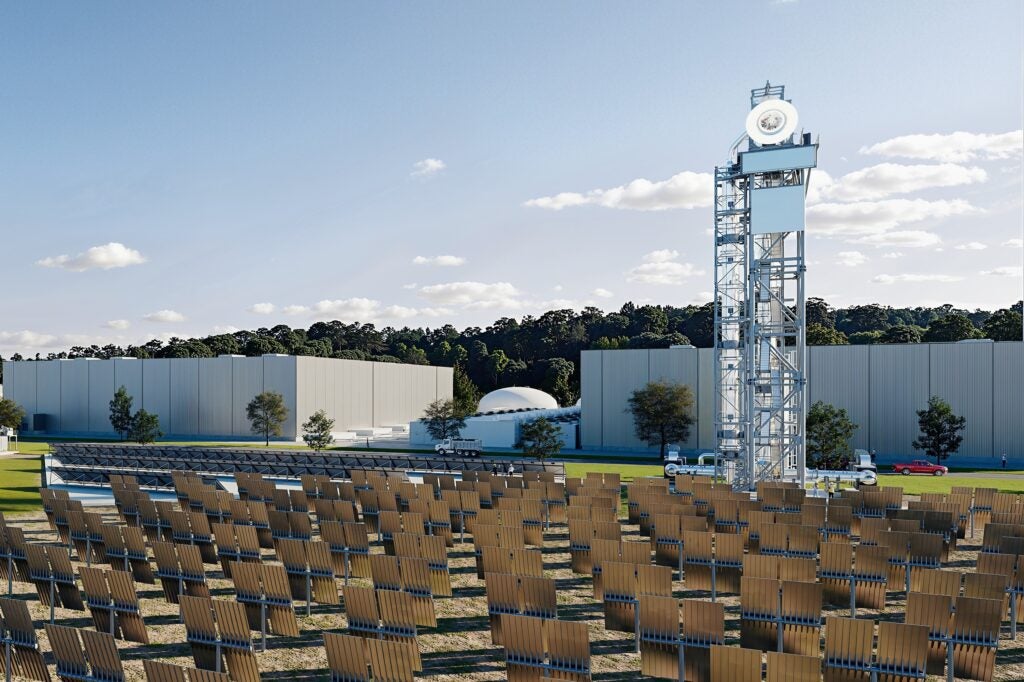
Another trend across states is that data center developers are bringing not just land and infrastructure improvements, but generation, transmission, and load-modifying resources to interconnect and power the data center site as part of an overall package. Clean energy developers are garnering support from PUCs that are also charged with implementing clean energy standards. A question many state regulators are asking is how utilities will still comply with state policies with this unprecedented load growth. One answer is data center developers are collaborating with host utilities to advance clean energy resources that provide a path to power while complying with state policy and incorporating these into ESAs or other state regulatory dockets. These resources include on-site generation, power purchase agreements, or other market purchases of energy and capacity with associated environmental attributes.
Another example is in Utah, where new legislation provides if the host utility cannot serve the new large load, the data center can procure resources from third-party developers, subject to state regulatory approval. In regulated states, utilities have obligations to reliably serve any customer in their service territory. Utah’s approach provides optionality for both the host utility and the new data center customer for how best to serve large loads.
In This Issue
Full issueAnother regulatory trend across multiple states, including Indiana, Missouri, and Ohio, is PUC approvals of settlement agreements on individual utility dockets with data center issues. The issues are centered around establishing new large customer classes (for example, for new loads of more than 100 MW), and data center-only tariffs with specific terms and conditions. State commissions’ orders and tariffs set load ramp periods, ESA contract lengths, minimum take-or-pay obligations, security and collateral requirements, exit fees, and other provisions to accommodate large load additions.
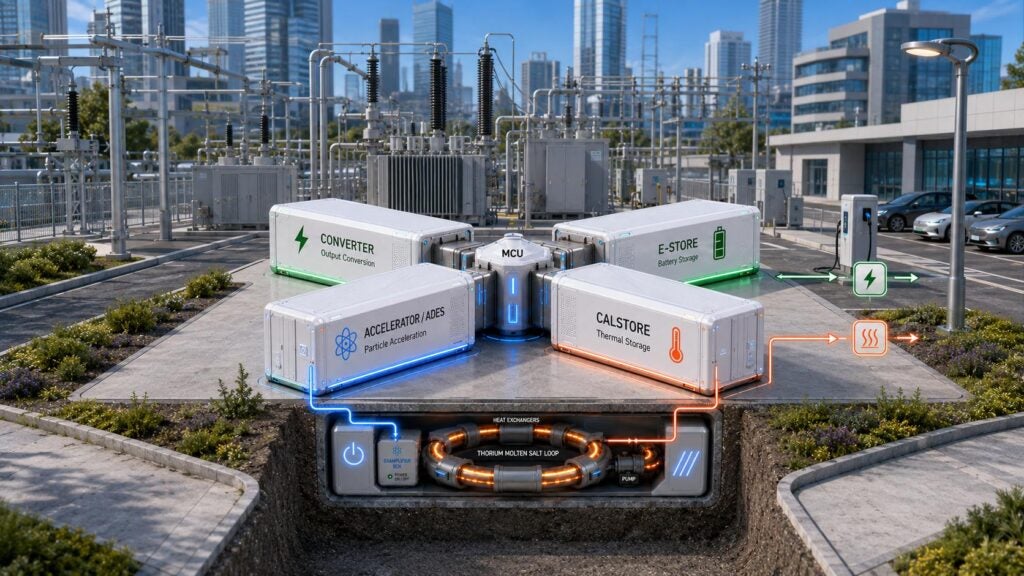
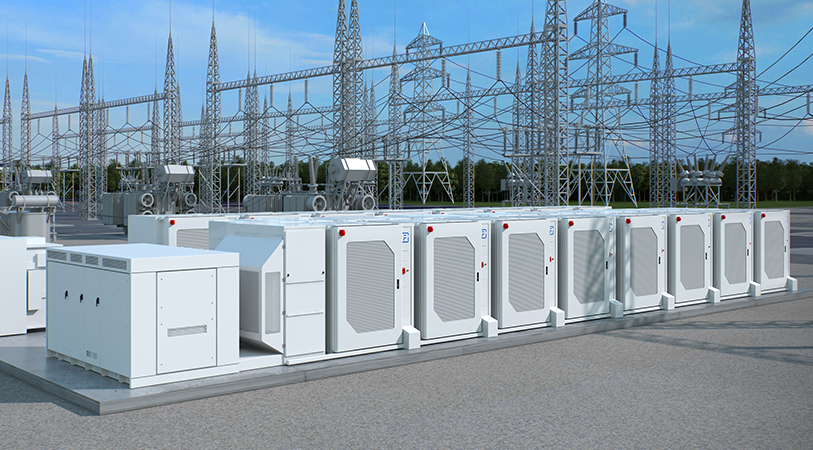
State PUCs are also pressing data centers and utilities to consider all forms of backup generation. Conventionally large customers who require on-site backup generation have relied upon diesel generators with limited availability. Projects are being developed that will implement a variety of backup generation resources such as new storage technologies. These resources may be behind the meter or grid-connected, subject to state regulatory approvals demonstrating need.
In planning for data centers, state regulators are utilizing their full regulatory toolbox including integrated resource plans, transmission and distribution planning, demand response programs, and siting and public interest determinations for new generation, storage, and high-voltage transmission resources. In numerous states, PUCs are expediting their processes to meet the demanding power needs of data centers. In Texas, Senate Bill 6 requires standards and rules for data center interconnections and co-location with generation, curtailments during certain events, new demand response programs, and revised cost allocation.
Finally, state regulators and legislatures are requiring additional compliance reporting for data centers for energy and water usage. A few states are considering going beyond just compliance reporting to mandating specific data center cooling systems that would reduce water consumption and mitigate other environmental impacts. All told, while many of the headlines on data centers are federally driven, state utility commissioners and state legislators are debating and deciding policies and legislation that are significantly altering the data center regulatory landscape.
—David R. Moeller is an energy regulatory attorney with Fredrikson & Byron P.A. Moeller advises utilities, developers, large energy users, and infrastructure investors on complex regulatory matters before state and federal utility commissions.