A varied group of investors has provided Commonwealth Fusion Systems (CFS) with another $1 billion in equity financing, with the company on July 30 saying the funding supports the group’s continuing work toward operating a commercial fusion energy power plant.
CFS on Thursday said the $1-billion figure represents the largest single funding round among fusion energy companies since CFS’s previous $1.8-billion raise in 2021. The capital brings the total invested in CFS to $4 billion. The company said this latest round includes support from “significant institutional investors, such as pension funds, sovereign wealth funds, and infrastructure and industrial corporate partners.” CFS has not disclosed an estimate of the company’s valuation.
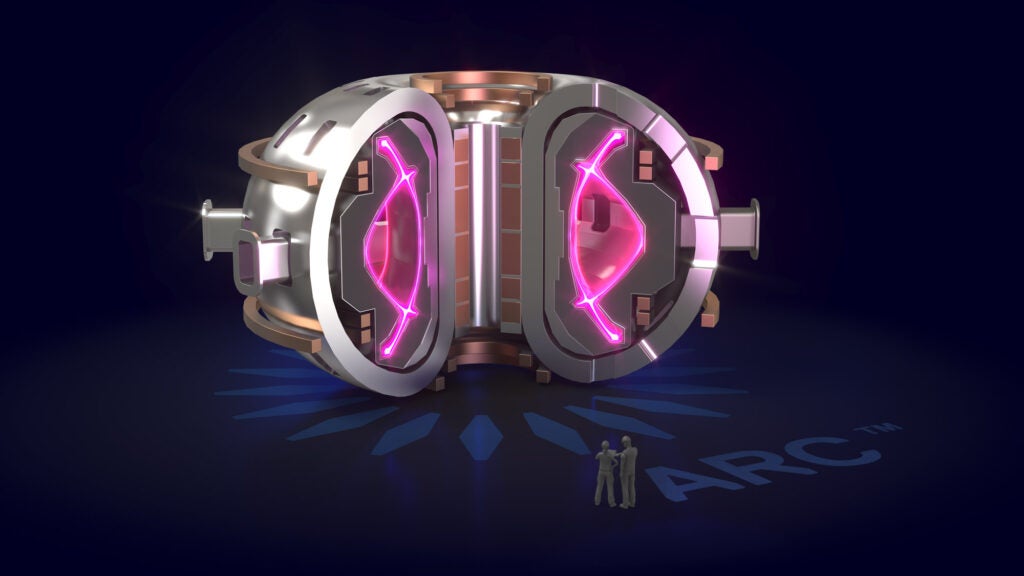
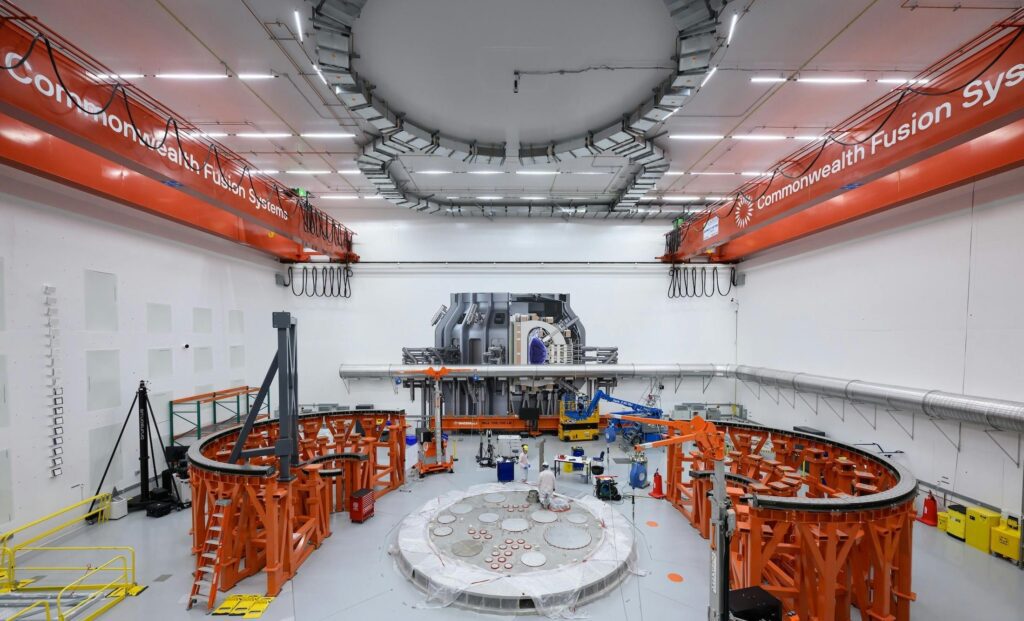
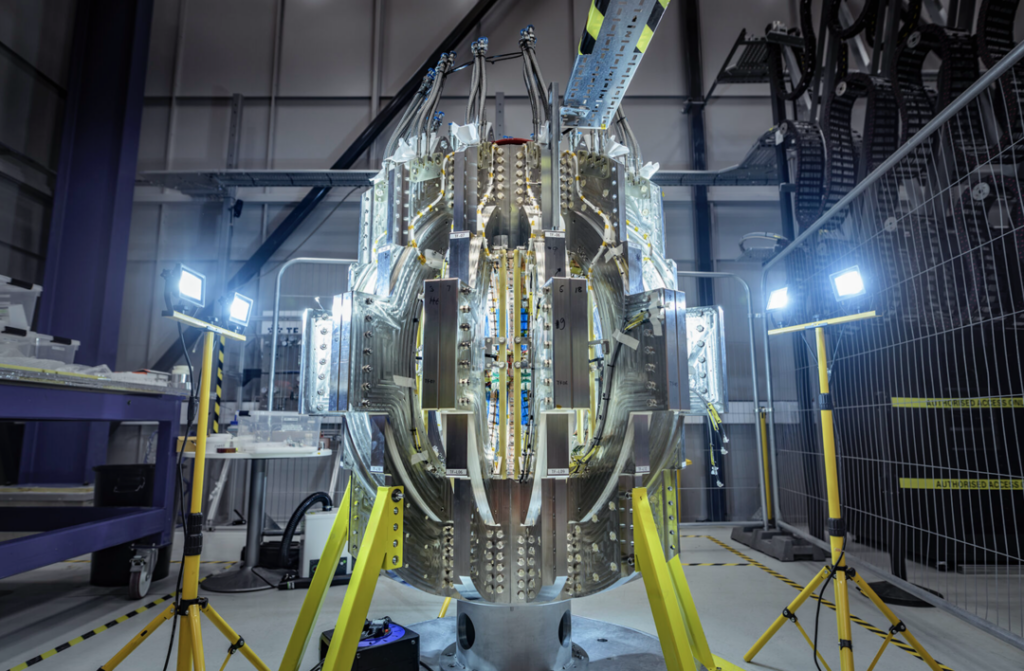
CFS, which is among more than 50 companies worldwide working to commercialize fusion energy, is building its SPARC technology at its campus in Devens, Massachusetts. SPARC is a compact tokamak reactor system using high-temperature superconducting, or HTS, magnets to create fusion energy. SPARC is designed to achieve net energy breakeven, or the production of more energy than it consumes, which has long been the goal of those working on fusion technology. The company in parallel with SPARC is working on ARC, its planned commercial pilot power plant that would follow SPARC and feed electricity directly into the power grid.
CFS said its $4 billion in capital, which includes $863 million raised in 2025, represents about 30% of the total capital raised by the fusion industry globally to-date. Industry analysts have said Chinese companies have received much of the sector’s capital, with POWER research finding estimated Chinese public and government-directed investments of between $6.5 billion and $13 billion for fusion. Chinese officials have said they want to have an industrial fusion prototype available by 2035.
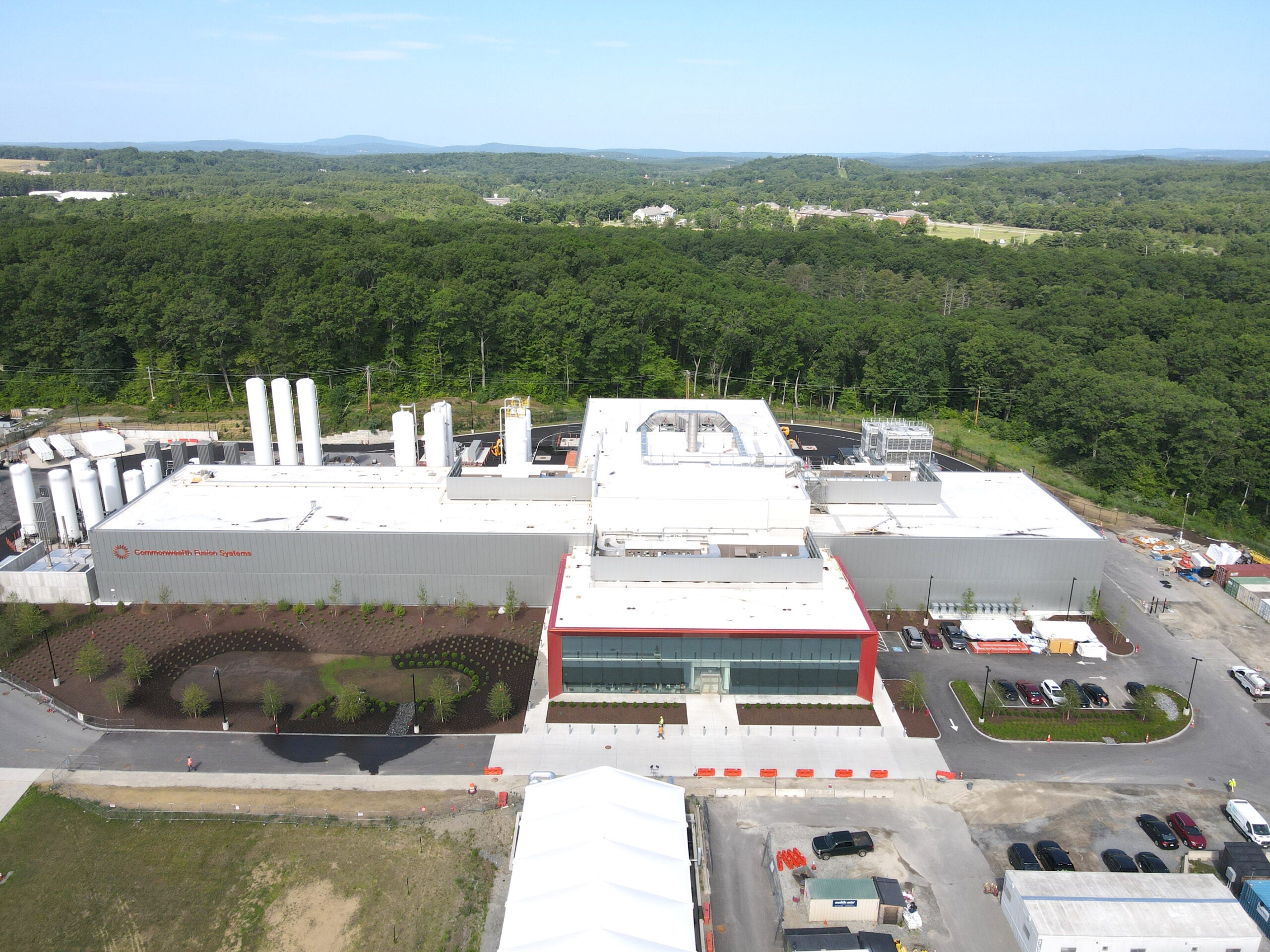
Bob Mumgaard, CEO and co-founder of CFS, said the company “is making what once was impossible into inevitable. In the 2030s, we will put commercial fusion on the grid. We have the science that works and the proven execution that’s consistently validated by the market. We regularly welcome investors from around the world to our headquarters in Devens, Massachusetts, where they see real and tangible progress as we ready support systems and finalize the assembly of SPARC.”
To learn more about the companies leading the global race to commercialize fusion energy, read “Research Brings Results in Search for ‘Holy Grail’ of Clean Energy” in POWER’s February 2026 Special Report on groundbreaking power generation technologies.
Building the Tokamak
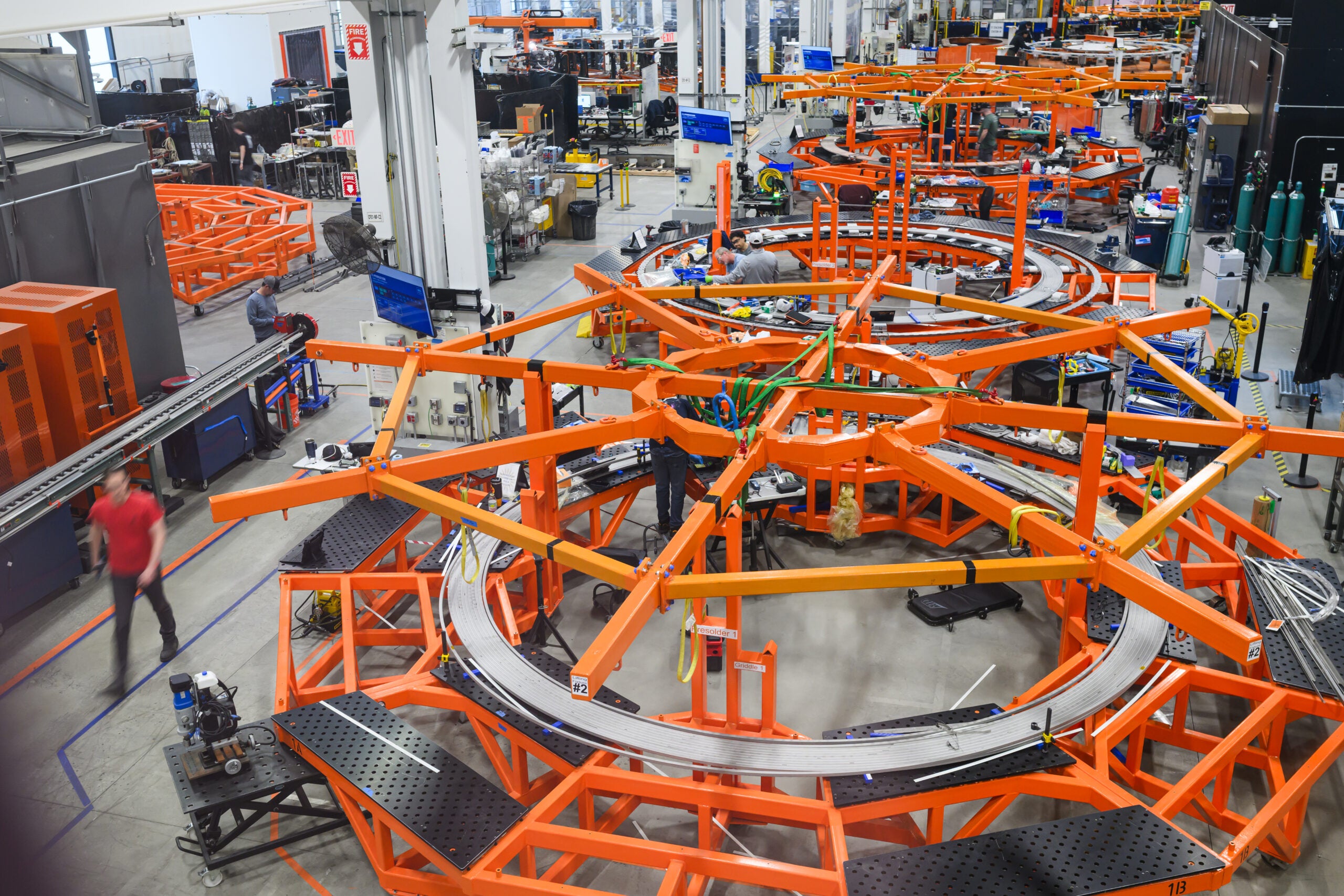
Mumgaard in a briefing call this week regarding the funding announcement said completion of SPARC is about “80% right now … we’re deep into assembly of the tokamak itself. We don’t have any updates on the [completion] date, but it’s closing in.”
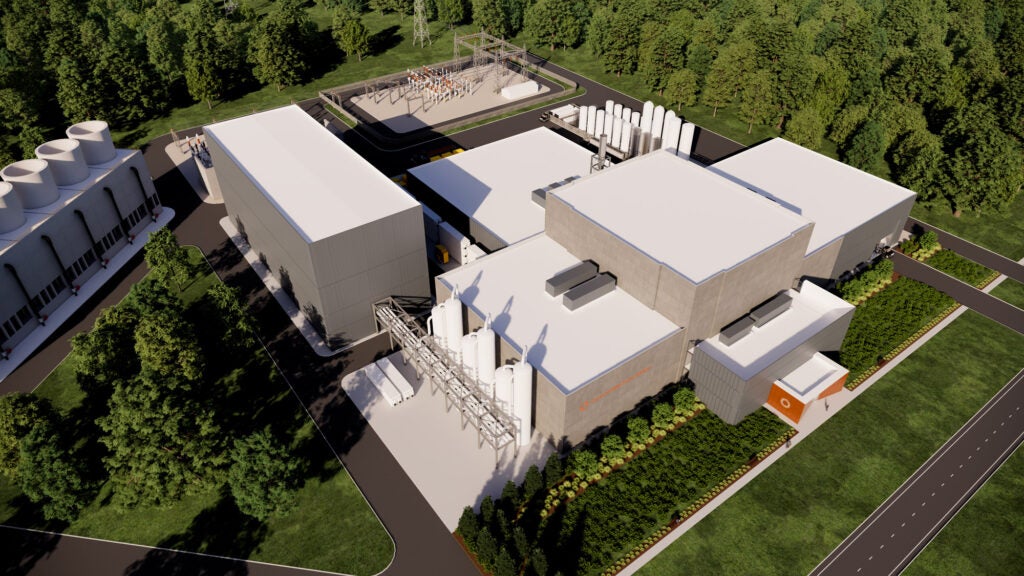
The ability of SPARC to demonstrate net fusion energy, and test HTS magnet technology, would pave the way for the ARC commercial power plant. Development of ARC, a grid-scale fusion power plant, is taking place at the company’s 400-MW Fall Line Fusion Power Station in Chesterfield County, Virginia. CFS said the “widening diversity and maturation of CFS’s capital stack reflects the real evidence investors see in the assembly of SPARC,” along with the parallel development of the company’s ARC power plant. Mumgaard said CFS will use the latest funding to accelerate its progress to commercialization of fusion.
CFS earlier this year became the first U.S.-based fusion energy company to apply to join a major power grid operator. The company on April 28 said it submitted an application to connect its ARC power plant to PJM Interconnection, the nation’s largest wholesale electricity market. CFS has said it is on track to put power on the grid in the early 2030s, supported by partnerships with Dominion Energy as well as Google and Eni, two investors in CFS that also signed power purchase agreements to buy more than half the power the plant would produce.
“In unlocking commercial fusion energy, we’re on a path to make an impact at a civilizational level,” said Mumgaard, the subject of a POWER Interview in 2020. He said investors’ confidence in the company is “about energy as this technology that we build. It’s coming at a time when we need more energy, and we think that fusion is emerging as the next big thing in energy, and also as the next big thing in tech.
“This $1 billion allows us to accelerate the next phase of our roadmap … so that when we turn on SPARC, we can quickly go to ARC,” said Mumgaard. “We’re excited to add new classes of investors.”
New CFO
Mumgaard also on the briefing call formally introduced the company’s new CFO, Lorence Kim, who joined CFS earlier this year. Kim is a former CFO of pharmaceutical company Moderna. He also was a co-head of biotech banking at Goldman Sachs. Kim on the briefing call said “fusion is going to happen, and when it does, CFS will lead.” Kim said the continued investment from various sectors is a recognition of CFS’s leadership position in the fusion field.
Kim said he would not characterize the latest capital infusion as a precursor to CFS becoming a public company through an initial public offering (IPO). Financial analysts have said offering stock could provide a faster avenue for fusion companies to secure funding. General Fusion, a Canadian group, became the world’s first publicly traded fusion company earlier in July after a merger with Dallas, Texas-based Spring Valley Acquisition Corp. III, a special purpose acquisition company. Greg Twinney, General Fusion’s CEO, at the time said going public provides the group with access to a broader set of investors.
Kim and Mumgaard both said CFS’s latest funding round is evidence it already is tapping into a varied suite of investors. “This [$1 billion] is from a different class of investors,” said Mumgaard. “It’s significantly different.”
CFS in June announced the company had published five peer-reviewed physics basis papers detailing its work on the ARC fusion power plant. The papers were published in a special edition of the Journal of Plasma Physics. CFS said the writings “offer an in-depth examination of the scientific foundations of the ARC power plant and confirm the key physics that’ll enable ARC to continuously deliver 400 megawatts (MW) of net electricity to the grid.”
Said Mumgaard, “Fusion is about delivering things that work. That’s what SPARC is … this money allows us to move to the next phase, which is ARC. It allows us to take the lessons we learned from SPARC, take our supply chain and get it retooled, take the site for the first ARC and prep it, and take the next set of ARCs and prepare those. The weight is shifting from the SPARC foot to the ARC foot.”
“For CFS, the mission is clear. Deliver on SPARC, get multiple ARCs to the grid … the capital of course is a critical part of that,” said Kim. “With this announcement, it’s clear the private markets have a lot of capital to deploy. We will continue to build these relationships … if an IPO makes sense down the road, we’ll consider it at that time.”
Mumgaard touched on competition with China in the race to commercialize fusion energy. “We think that China has put about $6 billion to $12 billion [toward fusion], it’s significantly more than we’ve deployed. It gives you a sense of what’s at stake here, when you have government weighing in [in China] at that level.”
Mumgaard added, “This is the scale of capital that is really needed to do fusion. Fusion takes machines, it takes capital, and we should be realistic about that. It will take more [money]. For the project in Chesterfield County, that project is in permitting right now. We’ve got the interconnection, we’ve got the agreement with Dominion on the site, and we’re getting ready to move some dirt down there. We’re pretty deep into the design, and that’s exciting, and over the next several months we’ll have more announcements.”
—Darrell Proctor is a senior editor for POWER.