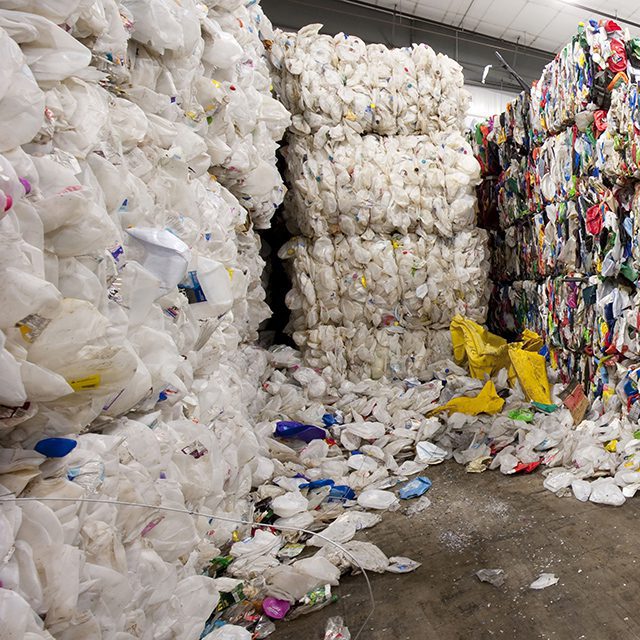
Every day, the world throws away valuable material resources. As global waste generation surges, innovative waste-to-energy (WtE) technologies are emerging as a tool to recover materials that otherwise would be disposed of in landfills, dumpsites, or leaked into the environment, and provide a reliable source of energy globally. The United Nations Environment Programme estimates that annual municipal solid waste (MSW) generation will reach 3.8 billion tonnes by 2050, up from approximately 2.5 billion tonnes today. To put that in perspective, the U.S. Environmental Protection Agency estimates that a typical mass burn WtE plant generates about 550 kWh of electricity per ton of waste, suggesting a theoretical energy value of more than 2,000 TWh, roughly comparable to the annual electricity demand of India, which is the third-largest-consuming country in the world behind China and the U.S.
This surge in solid waste is straining landfills, particularly in densely populated regions, and generating significant methane, a potent greenhouse gas. At the same time, many countries are wrestling with energy security and affordability amid geopolitical tensions and supply chain disruptions. WtE technologies, long viewed mainly for waste management, are finding renewed relevance. WtE involves two very different technology approaches.
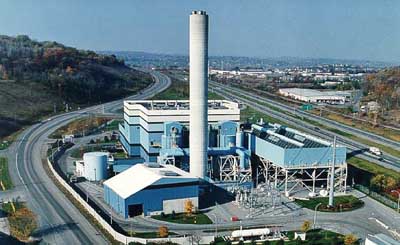
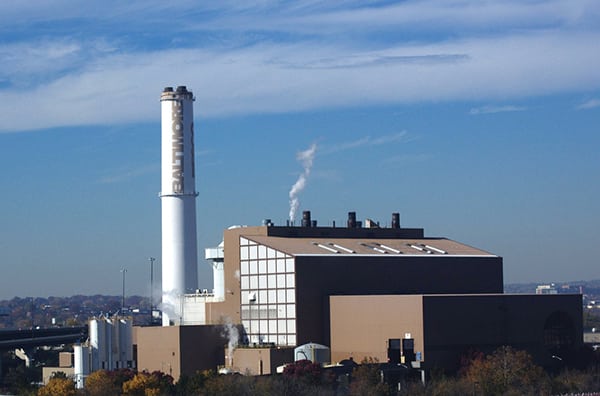
Conventional Technology, such as Mass-Burn Combustion. These systems have been commercially operational for decades. They process mixed waste into baseload electricity and heat at large scale.
Advanced Conversion Technologies. These include gasification and pyrolysis, which turn waste into intermediate products such as syngas (gaseous) or bio-oil (liquid) that can be upgraded to liquid fuels, and chemical feedstocks rather than electrons. While advanced technologies promise greater flexibility and potentially higher value products, they remain less mature and more sensitive to feedstock variability compared to mass-burn systems.
The two technology options serve different roles. Conventional systems are already scaled and reliable for large-scale operations, while advanced systems aim to expand WtE’s potential in regions with diverse waste streams and limited infrastructure. Both approaches carry different economics and risks.
WtE’s role in addressing climate change lies primarily in diverting waste from landfills, where decomposing organics release methane. However, the environmental benefits depend on several factors:
In This Issue
Full issue- ■ Feedstock Composition. Energy recovered from organic material is largely biogenic, while combusting plastics releases fossil-derived carbon dioxide.
- ■ Energy Displacement. The climate value of WtE also depends on the carbon intensity of the electricity or heat it replaces in a given region.
- ■ Integration with Carbon Capture. Carbon capture technologies can further enhance WtE’s climate performance by mitigating emissions from fossil-derived waste.
While WtE is not a decarbonization silver bullet, it can play a complementary role in reducing emissions when paired with the right policies and technologies.
Energy security has become a pressing global concern. Recent disruptions in energy markets have underscored the vulnerabilities of relying on centralized systems fueled by imported commodities. Mass-burn WtE facilities offer potential solutions here: stable, dispatchable electricity and heat from a fuel—municipal waste—that every city produces locally and continuously. For regions heavily reliant on volatile energy imports, that is no small thing.
Europe’s experience is instructive. Hundreds of European facilities are woven into district heating networks, supplying combined heat and power to local communities and squeezing maximum efficiency and value from residual waste. But the European market, like the U.S. market, is mature and no longer growing, as policy rightly prioritizes waste reduction, recycling, and circular economy solutions. Europe’s lesson is integration: how to recover the most energy from the waste that remains after recyclables and compostables are pulled out.
Growth opportunities lie in emerging markets:
- ■ China. Home to the world’s largest WtE fleet, built in less than two decades.
- ■ Vietnam. Recently commissioned major WtE facilities in rapidly urbanizing areas such as Hanoi.
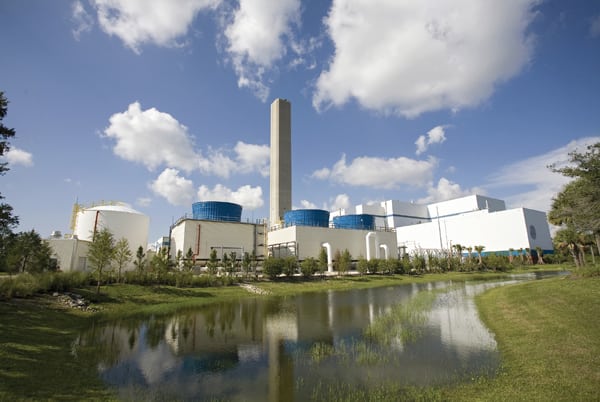
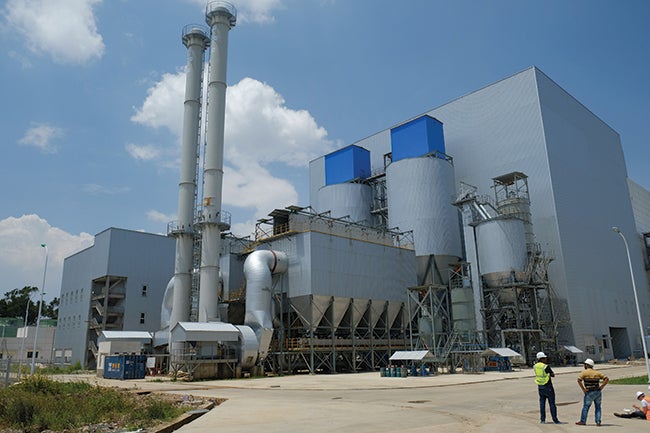
- ■ Ethiopia. The Reppie plant (Figure 1) in Addis Ababa, Ethiopia, is sub-Saharan Africa’s first WtE facility. The plant was built on top of a dumpsite to address waste management and energy needs.
 |
|
1. The Reppie plant in Addis Ababa, Ethiopia, is sub-Saharan Africa’s first waste-to-energy facility. Reppie was built on top of a dumpsite to address waste management and energy needs. Courtesy: Stuartkribki / Wikimedia Commons / CC BY-SA 4.0 |
These examples highlight the potential for WtE in regions where waste management infrastructure is nascent. However, local waste composition, such as wet, low-energy-content waste, can pose challenges, as seen in Reppie’s early operational struggles.
WtE is rarely the lowest-cost energy source, but it can be economically viable under the right circumstances:
- ■ Carbon Credits and Capture. Carbon credits can enhance the financial feasibility of WtE projects, especially when paired with carbon capture technologies. For example, at the Technology Centre Mongstad in Norway, RTI International tested its proprietary non-aqueous solvent carbon capture technology on real flue gas, achieving meaningful cost reductions compared with conventional amine-based systems.
- ■ Resource Recovery. WtE facilities can generate additional revenue by recovering marketable materials, such as metals, from the waste streams. Hybrid systems that integrate thermal and biological conversion are particularly effective in maximizing material recovery, further offsetting operational costs. For low- and middle-income countries, where energy poverty remains a critical issue, WtE’s ability to generate local energy and recover valuable resources makes it a compelling option despite its higher cost.
While conventional WtE systems are commercially proven, advanced conversion technologies remain at a critical juncture. Many are stuck in the “valley of death” between laboratory proof-of-concept and commercial deployment. Bridging this gap requires:
- ■ Intermediate-Scale Demonstrations. Testing under real-world conditions is essential to identify practical challenges. RTI’s pilot facilities, including its catalytic pyrolysis unit, for instance, convert solid waste into biocrude and low-carbon fuels at small scales, helping to de-risk commercial projects.
- ■ Context-Specific Solutions. No single WtE solution fits all regions. Tailored approaches must account for local waste composition, economic constraints, infrastructure, and policy environments across regions. RTI’s evaluations in countries such as Argentina, Jordan, and Nepal consistently show that successful WtE projects depend on rigorous assessments of local conditions.
Reducing, reusing, and recycling waste sit above energy recovery in the waste hierarchy, and policies that strengthen those options deserve priority. However, even in the most ambitious circular economy scenarios, billions of tonnes of residual waste will still be generated each year, and sending it to landfills squanders natural resources and energy while emitting methane.
The global WtE sector is at an inflection point. Growing waste volumes, rising energy demand, and the urgent need to cut emissions are driving demand for facilities that are more efficient, cleaner, and better integrated into broader energy and resource systems. The task ahead is not simply to build more plants but to scale integrated systems, both conventional and advanced, that recover maximum value from waste with minimal environmental impact.
The technologies exist. Mass-burn systems are proven, and advanced conversion methods are maturing. The challenge now is scaling the right technology in the right place economically and socially, not just technically. By investing in innovation, tailoring solutions to local contexts, and fostering collaboration across sectors, WtE can help reduce environmental impacts while supporting affordable and reliable energy access worldwide.
—David Dayton is senior fellow and biofuels director, and Keith Weitz is director for Sustainability and Resource Management, at RTI International.