For years, the case for emerging fuels and technologies has often been told through the lens of decarbonization. That lens still matters, but it does not reflect the entire value proposition. Energy strategy is now being shaped by artificial intelligence (AI)/data centers, policy volatility, geopolitical disruption, supply-chain constraints, rising system complexity, and rapidly rising demand, among other issues. The case for emerging fuels rising or falling only with climate policy risks misses the larger picture.
This is the focus behind EPRI’s new report, Full Value of Emerging Fuels and Technologies: Exploring Benefits Beyond Carbon Mitigation. The report examines a set of emerging fuels and technologies—hydrogen, ammonia, renewable fuels such as e-fuels, hydrotreated vegetable oil renewable diesel, and renewable natural gas, along with carbon capture, utilization, and storage (CCUS)—and asks, “What value do these pathways create beyond greenhouse gas reduction alone?” The answer is that many of these pathways may also strengthen energy security, improve grid resilience, preserve existing assets and workforces, and deliver public health benefits regardless of policy priorities.
A broader framing matters because the energy system remains deeply exposed to events far beyond the fence line of any single power plant, factory, or utility territory. Fuel markets and supply chains are global. Critical inputs move through chokepoints, shipping lanes, and politically unstable regions. Recent conflicts and disruptions have made plain how quickly price volatility and uncertainty can ripple through energy systems that depend on globally traded fuels and tightly coupled logistics. A resilient energy strategy should also reduce exposure.
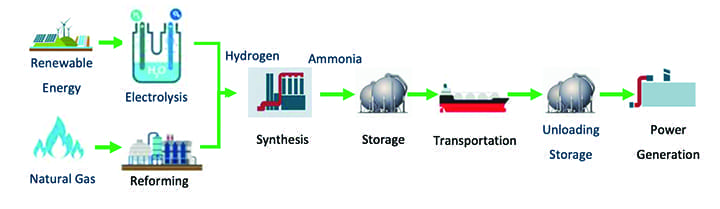
This is where emerging fuels and technologies provide a strategic option for building a more durable energy system. Hydrogen and ammonia, for example, can be produced from local power and water, reducing dependence on hydrocarbons and insulating parts of the system from geopolitical volatility and supply shocks. Local waste streams, biomass, or captured carbon can be turned into usable energy carriers such as renewable diesel, renewable natural gas, and e-fuels. Because some of these fuels can be manufactured closer to where they are needed, they can shift fuel from a globally exposed commodity toward a more locally controllable product.
Some emerging fuel pathways do not merely consume electricity; they can help the system manage it. Electrolyzers can operate as flexible loads, ramping up when surplus electricity is available and turning that energy into hydrogen that can be stored and used later. Meanwhile, drop-in renewable fuels and some CCUS retrofits can keep existing engines, turbines, and/or pipelines in service, reducing the risk of asset stranding and lowering the barrier to early deployment.
The benefits also reach communities. Many emerging fuel and technology pathways can reduce air pollutants such as sulfur oxides, particulate matter, carbon monoxide, and toxic emissions, depending on the fuel, technology, and controls used. Hydrogen fuel cells, for instance, eliminate criteria pollutants at the point of use. Ammonia and renewable diesel can reduce certain combustion-related emissions when deployed with applicable controls. CCUS can reduce sulfur oxides and particulate matter from stationary sources. Lower exposure to harmful pollutants can translate into healthier communities, especially when paired with strong upstream emissions management and sound siting decisions.
Emerging fuels and technologies can offer continuity for places that have spent decades building industrial capability, workforce expertise, and energy infrastructure. In some contexts, they can support regional renewal by repurposing assets, preserving skilled work, and creating new demand around familiar capabilities. Distributed green ammonia production can strengthen agricultural resilience and reduce exposure to volatile fertilizer supply chains. CCUS and hydrogen-related pathways can help heavy industry and extraction-oriented regions evolve.
Emerging fuels are not optimal everywhere and can also bring constraints. Hydrogen presents flammability, leakage, and infrastructure compatibility challenges. Ammonia is acutely toxic and requires strict containment, trained operators, and aggressive emissions management. E-fuels face efficiency and cost penalties. CCUS requires specialized transport and storage infrastructure. Workforce training, infrastructure readiness, lifecycle emissions, and community acceptance are all part of the equation.
When viewed only through a decarbonization lens, emerging fuels and technologies can look narrow, expensive, or premature. When viewed through a fuller strategic lens, they begin to look different: as tools for resilience, energy security, flexibility, health, continuity, and long-term system durability. These themes are increasingly visible in federal priority discussions. Not every pathway is equally attractive in every situation, but the opportunity space is much larger—and much more relevant—than a carbon-only narrative suggests. Capabilities built through continued research, demonstration, and investment for emerging fuels and technologies can enable these pathways to deliver strategic value in the decades ahead.
The full report, Full Value of Emerging Fuels and Technologies: Exploring Benefits Beyond Carbon Mitigation, is available here. For more information about this work, or to learn more about EPRI’s research on emerging fuels and technologies, and opportunities to engage, please contact Alex Gupta (algupta@epri.com) or Heidi Scarth (hscarth@epri.com).
—Alex Gupta is a technical leader with EPRI.