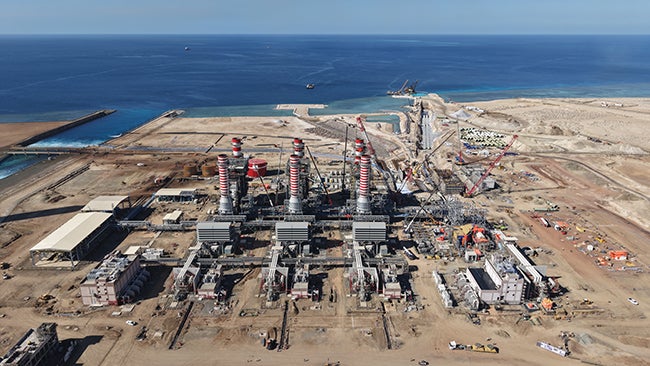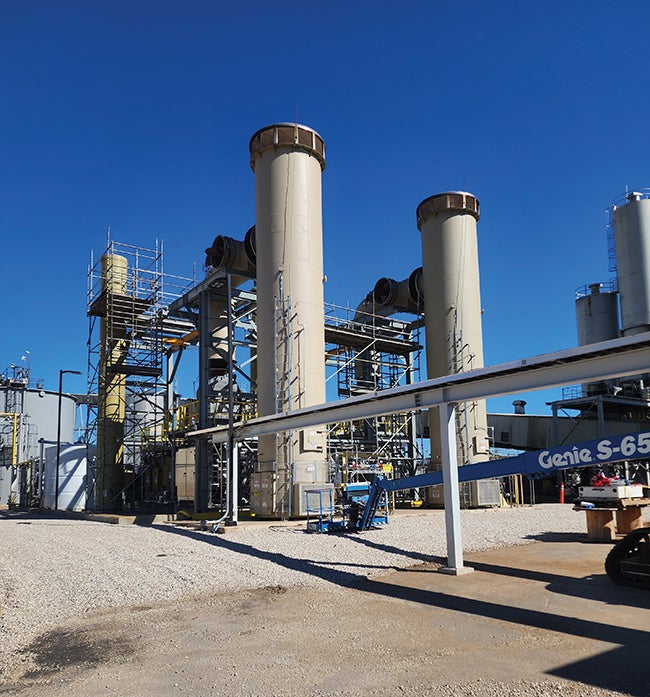
New York-headquartered LS Power said it has agreed to pay $4 billion to buy six natural gas-fired power generation facilities from NRG Energy. The deal announced Monday is for generation assets located in Texas, New York, Rhode Island, and Connecticut.
The power stations together represent almost 5 GW of generation capacity. LS Power on November 9 said the deal is part of an ongoing strategy to expand its U.S. portfolio of dispatchable gas-fired power projects as demand for electricity continues to grow.
The companies are no strangers to multibillion-dollar energy deals. NRG purchased power stations from LS Power last year in a $12-billion pact.
“Significant investment in firm, dispatchable power remains essential to grid reliability, and facilities that are already built, permitted, and interconnected deliver that power today. Firm power underpins our all-of-the-above approach, including renewables and distributed energy resources,” said Paul Segal, CEO of LS Power. “Expanding LS Power’s generation footprint in the Texas, Northeast, and New York markets, where we have deep experience developing and operating a range of energy infrastructure assets, creates opportunities to support historic levels of power demand growth.”
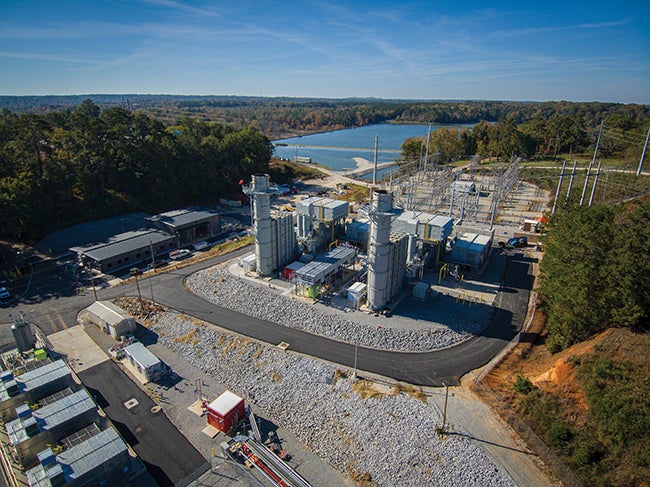
The facilities include:
- Jack County combined-cycle (1,280 MW in Texas).
- Johnson County combined-cycle (283 MW in Texas).
- Ocean State Power combined-cycle (478 MW in Rhode Island).
- Ravenswood combined-cycle, simple-cycle, and steam turbine (2,050 MW in New York).
- R.W. Miller simple-cycle and steam turbine (538 MW in Texas).
- Wallingford simple-cycle (350 MW in Connecticut).
LS Power said the acquisition from NRG, combined with the company’s pending acquisition of about 4.4 GW in generation capacity from Constellation, will expand the group’s gas-fired generation fleet from 2.2 GW to 11.5 GW. LS Power also owns a variety of renewable energy assets, including solar, wind, hydro, and battery energy storage, in a portfolio that will now exceed 19 GW of capacity.
Deal Expected to Close Next Year
The acquisition announced Monday is expected to close next year, subject to customary closing conditions and regulatory approvals. Milbank LLP served as legal advisor, while Scotiabank and Evercore served as financial advisors to LS Power.
NRG said proceeds from the sale will support its 2027 capital allocation plan, along with $3 billion of share repurchases across 2026 and 2027. It also will reduce the company’s debt and provide flexibility to redeploy capital at higher returns, according to the company.
“We are unlocking substantial value from a select group of assets, while maintaining a robust generation footprint in PJM and ERCOT that provides reliable, affordable power for our customers,” said Robert Gaudette, president and CEO of NRG. “This transaction will strengthen our balance sheet, support increased share repurchases and preserve flexibility to invest in growth opportunities with compelling returns. It demonstrates our commitment to disciplined capital allocation and creates long-term value for shareholders.”
NRG on Monday said it will own and operate 20 GW of generation capacity after completing the sale with LS Power, including 10 GW of generation in the ERCOT territory (Texas), as well as 10 GW serving the PJM area. The company said that by 2028, another 1.1 GW is expected to be operational in ERCOT through the company’s remaining two Texas Energy Fund projects.
NRG announced the LS Power deal along with its third-quarter results. The company reported third-quarter net income of $561 million, up from $152 million a year earlier. Adjusted earnings were $4.68 a share, compared with $2.78 a share in the year-earlier quarter.
NRG also issued 2027 guidance of $8.05 to $10.05 in adjusted earnings a share. That range excludes the expected effects of the sale, according to the company.
—Darrell Proctor is a senior editor for POWER.