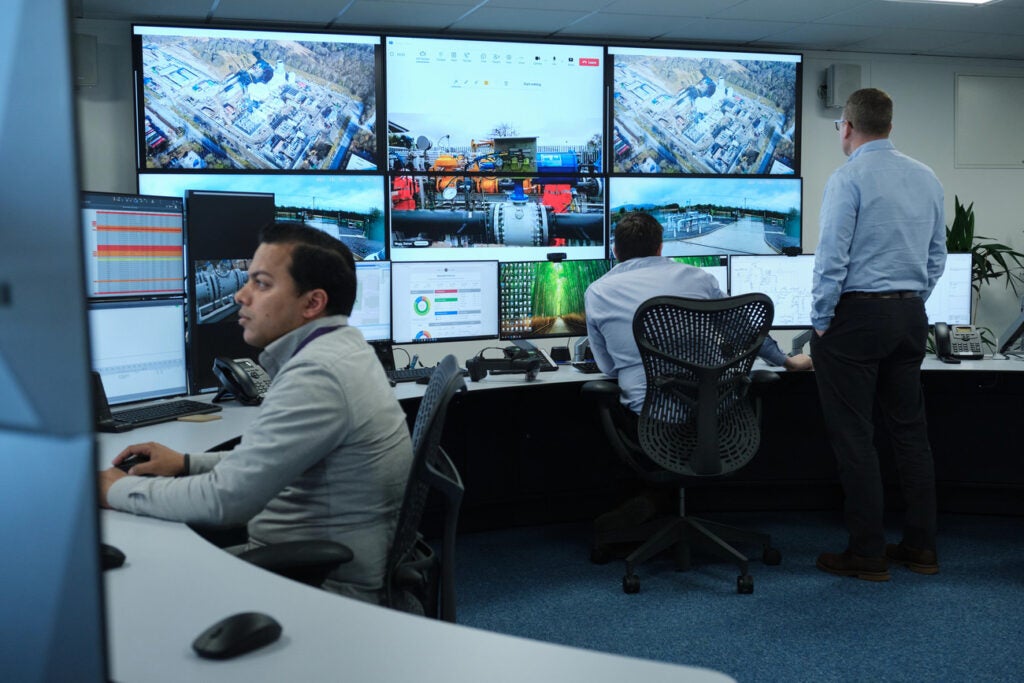

Utilities and independent power producers have spent years adding sensors to their generating fleets and creating dashboards to view what they relay. But visibility into how a plant is operating isn’t the same as knowing what to do about it—and that gap is where Siemens Energy’s Omnivise Energy Management System is increasingly shedding light, explained two of the company’s experts as guests on The POWER Podcast.
“Monitoring is just telling you what’s happening,” said Sarah Dietrich-Smith, Siemens Energy’s commercialization manager for Omnivise Energy Market and Fleet Management Solutions, “and Energy Management is telling you what should happen next, and it helps you to execute that decision,” she explained. The distinction, she said, is the real difference between tracking a plant’s condition and actually optimizing it—moving “from just this visibility to true optimization that you can actually take action on, and optimization that’s based and tied to measurable business outcomes.”
From Single Assets to Whole Fleets
Katie Hanley, head of Siemens Energy’s Omnivise Energy Market and Fleet Management Solutions team, framed Energy Management as fundamentally a question of business outcomes. Given a plant’s generation commitments, gas hedging position, and access to additional electricity markets, “What are the optimized economics for running your plant or your fleet?” she asked.
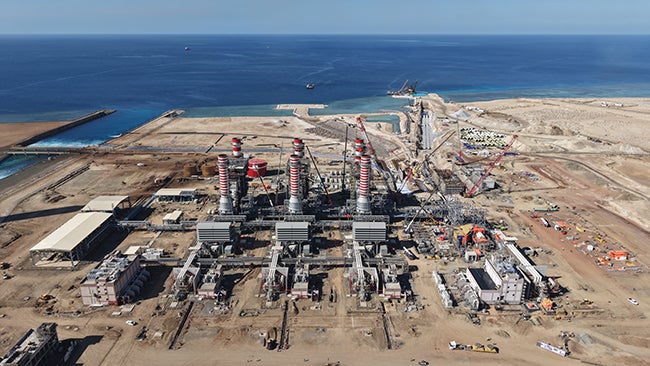
“Historically, assets were managed individually. They really only cared about the question, ‘How can we get the single asset to perform better?’ ” Dietrich-Smith said. “We want to move into a fleet optimization mindset.” One plant might be constrained while another has more flexibility—sometimes for regional reasons, such as differing prices or curtailment risk in different markets. “This fleet-level approach is what’s going to help operators allocate flexibility, manage this risk, and ultimately optimize the commercial performance across the full portfolio,” she said, “instead of just making that isolated asset or site-level decision.”
Dietrich-Smith also pushed back on a common assumption about where the value comes from. “I think the most common misconception is that the only value we’re bringing is efficiency improvement,” she said. Customers also see fewer penalties, more effective participation in electricity markets, and faster response to changing conditions—benefits she summed up simply: “Time is money.”
Renewables Complicate the Math
A growing share of that fleet-level complexity traces back to renewables, Hanley said, whether a customer operates a hybrid portfolio directly or simply competes in a market where renewable penetration is rising. She described thinking in terms of dispatchable versus non-dispatchable generation: as more renewables come online, dispatchable options become scarcer, making it harder to maintain grid stability—and more important to predict when instability might occur.
That prediction problem pulls in weather and market data alike, from cloud cover and wind speeds at different altitudes to real-time electricity prices. For a hybrid site with battery storage, the same data informs decisions about when to charge from onsite generation versus the grid, and when to discharge—sometimes purely to arbitrage low prices rather than to support the site’s own generation. “These batteries are creating dispatchable flexibility when normally we would only be able to do that with some of our large gas assets,” Hanley said, adding that customers are increasingly weighing a battery discharge against ramping up a plant or duct burning, based on which is the better economic call in the moment.
Data Centers Raise the Stakes
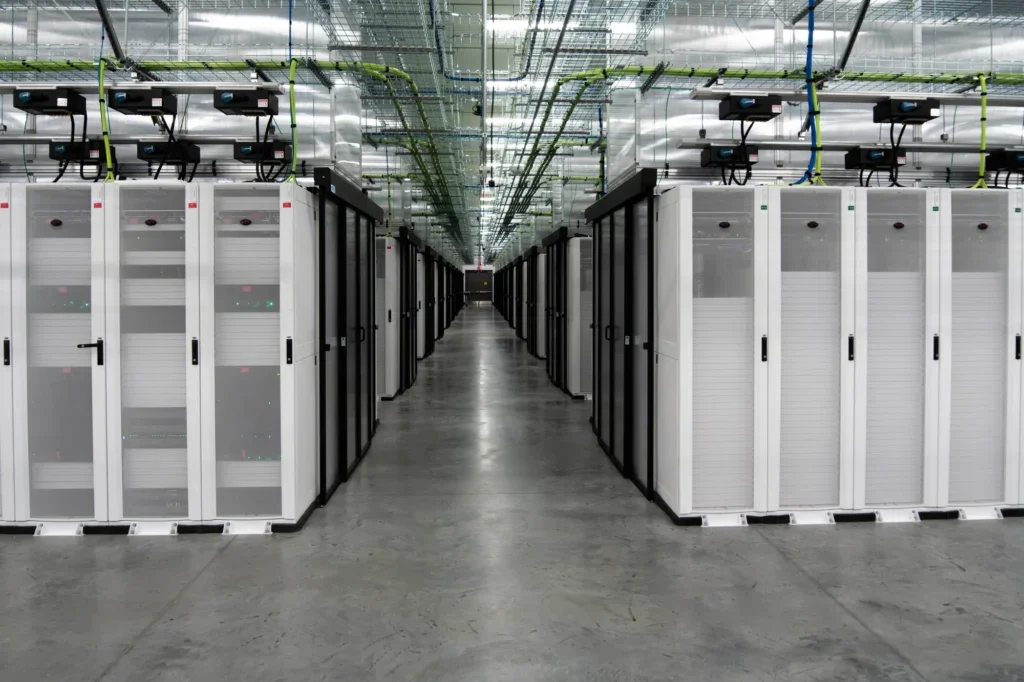
The same principles apply to data centers, where the priority is making sure generation capacity is always available to meet demand. “The number one objective for the generation side is making sure that that capacity is always there for everything that the data center needs to deliver,” Hanley said. That’s true whether a site is grid-connected or operating independently, and it extends to reliability during unplanned events. Because Energy Management continuously monitors how assets are performing, an interruption triggers “an immediate new dispatch plan for how to dispatch the assets to meet that demand requirement,” she said. As Hanley noted, “It’s really impossible to think about data centers without thinking about Energy Management.”
A Workforce Bridge, Not Just a Software Layer
Beyond the technical optimization, both leaders pointed to a less obvious benefit: Energy Management as a fix for organizational friction. Dietrich-Smith said many customers face a retiring workforce and a persistent divide between operations and planning teams that rarely talk to each other. “The great thing about Energy Management is it addresses both of these aspects,” she said. “It can capture this repeatable expert logic within our workflows, and then automates this analysis, and it would highlight any decisions that would actually require human judgment”—while also getting operations and planning teams working more seamlessly together.
Hanley said customers typically see returns within a year, driven by reduced fuel costs, better-monetized excess capacity, penalty avoidance during unplanned outages, and reduced manual coordination between teams. The learning curve, she noted, is often less about the software and more about trust: “We’re sitting with our customers, we’re sitting with our data scientists, we’re diving in to explain the why of Energy Management,” said Hanley. “The sooner we can get to acceptance, we’re there, and we’re realizing that value from Energy Management.”
Equipment Heritage as a Differentiator
Asked to look two to five years out, Dietrich-Smith predicted increasing autonomy—broader use of artificial intelligence (AI), more advanced forecasting, more automated optimization—tempered by continued attention to “safety, reliability, and human oversight.” But she also noted an edge that Siemens Energy has against a growing field of AI-native competitors: equipment expertise, not just software.
“There are a lot of players in this space who are coming from this AI software layer background,” she said. “Although this is so critical and important, we also need to keep in mind focusing on a supplier with this deep equipment knowledge.” Coming from a turbine manufacturer with decades of controls experience, she argued, means being able to “account for real operating constraints and degradation, not just what maybe AI would predict,” and to connect optimized decisions directly into plant control. “Many providers can analyze this data or recommend a plan,” she said. “We actually understand the equipment, we understand the control environment, and we know how to turn that recommendation into dependable actions.”
Hanley closed the conversation on a practical note for listeners still weighing where to start. “Everything is only getting more complex, so give us a call,” she said. Hanley can be reached at: katherine.hanley@siemens-energy.com. Dietrich-Smith can be reached at: sarah.dietrich@siemens-energy.com.
To hear the full interview with Hanley and Dietrich-Smith, listen to The POWER Podcast. Click on the SoundCloud player below to listen in your browser now or use the following links to reach the show page on your favorite podcast platform:
For more power podcasts, visit The POWER Podcast archives.
—Aaron Larson is POWER’s executive editor.