 |
Japan is rebuilding its nuclear power fleet after the Fukushima disaster, with upgrades targeted toward ensuring safe operations.
Japan continues work to restart its nuclear power fleet, which supplied about a third of the country’s electricity prior to the Fukushima disaster in March 2011. Japan shut down all of its 54 nuclear reactors after a 9.0 magnitude earthquake triggered a tsunami and subsequent flooding and meltdown at the Fukushima plant.
The Japanese government has said restoring nuclear power is necessary for the country to ensure energy security and meet climate targets. The restart program has focused not only on the need for more electricity, but also on upgrading nuclear facilities and advancing safety protocols in the wake of Fukushima, a power station operated by Tokyo Electric Power Co. (TEPCO).
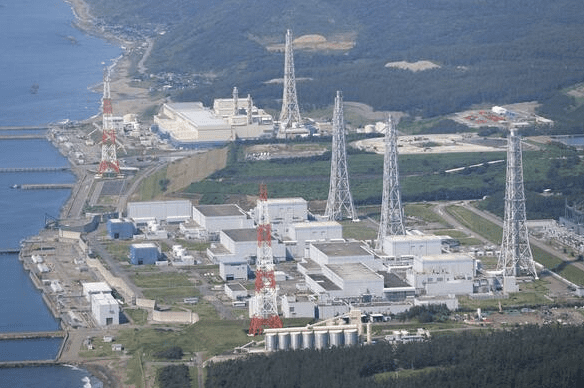
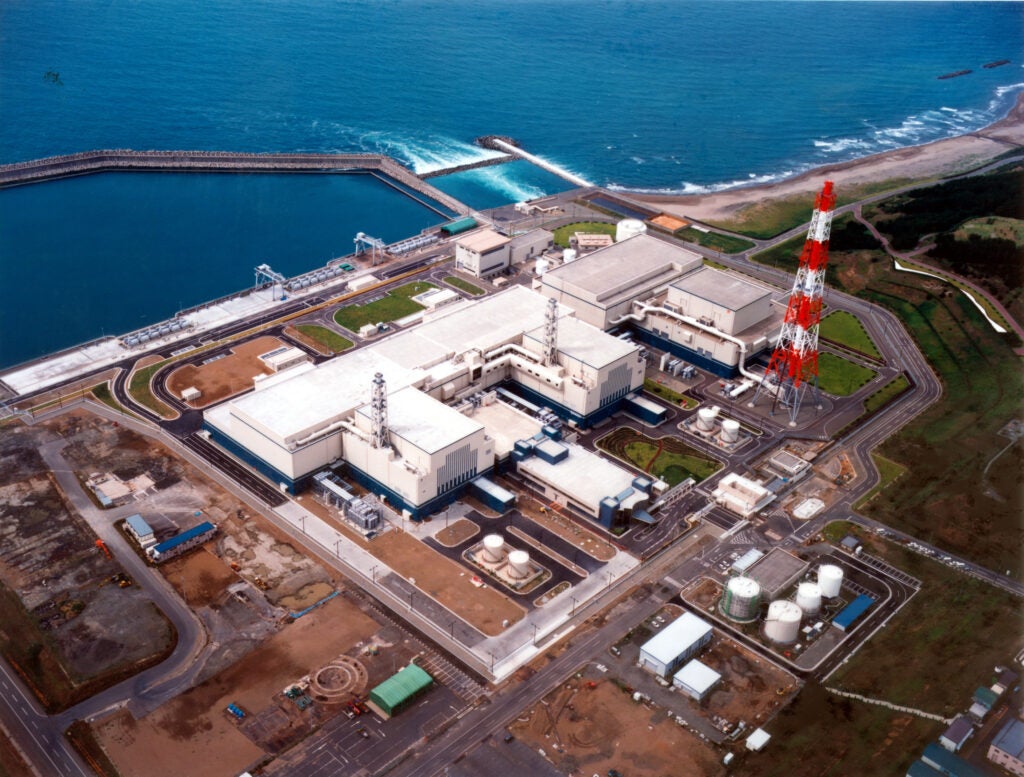
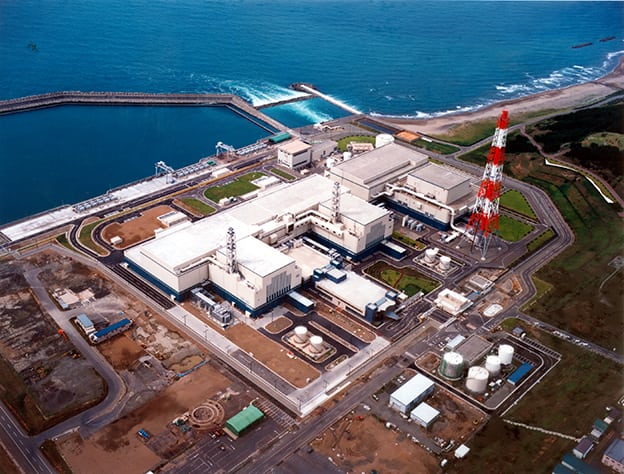
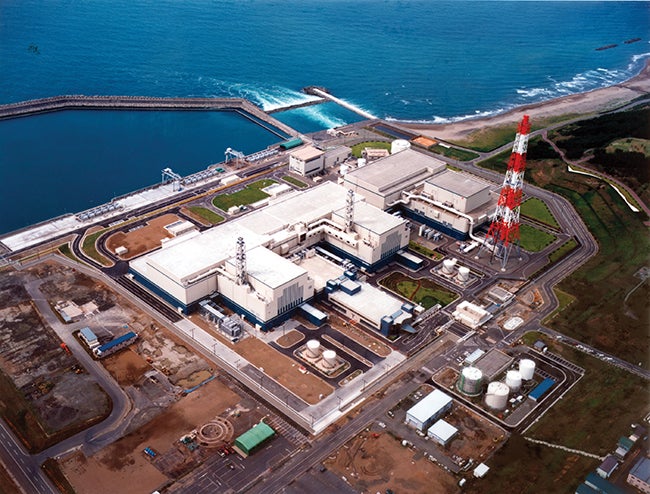
TEPCO earlier this year restarted Unit 6 of the Kashiwazaki-Kariwa Nuclear Power Station in Niigata Prefecture. Kashiwazaki-Kariwa had been fully offline since March 2012. With the restart, Japan now has 15 operating nuclear plants as of this writing, with a combined generation capacity of about 33 GW. Unit 6, an advanced boiling water reactor with 1,356 MW of generation capacity, is notable as it’s the first reactor restarted by TEPCO after Fukushima. The reactor’s return to operations has been viewed as a test to regain the Japanese public’s trust in nuclear power across the country, among the reasons POWER selected Unit 6 as a finalist for a Top Plant award.

The power industry’s most urgent decisions are being made right now.
Be in the room where they happen.
View Conference Program

In This Issue
Full issueKashiwazaki-Kariwa prior to its shutdown operated as the largest nuclear power plant in the world, with a nameplate capacity across seven reactors of about 8.2 GW, according to TEPCO.
Japan has a goal to have nuclear power supply at least 20% of the nation’s electricity by 2030, as officials acknowledge the need to displace fossil fuels. The country has turned heavily to natural gas to replace the lost nuclear generation, in particular imports of liquefied natural gas (LNG). Japan is the world’s largest importer of LNG, and officials said a volatile LNG market has strained the nation’s economy. Government data shows LNG-fired power generation accounts for about 30% of the country’s energy mix, just ahead of coal-fired power and renewables (mainly solar and hydropower). Nuclear power today supplies 8% to 9% of Japan’s electricity, according to the World Nuclear Association.
Energy industry analysts have said restarting the Kashiwazaki-Kariwa facility is the latest important step for Japan to stabilize its power grid and reduce its reliance on imported fossil fuels. The U.S. Energy Information Administration said the Unit 6 restart could displace about 1.3 million tons of LNG, or 62 billion cubic feet (Bcf) of natural gas imports annually, based on Japanese government estimates of fuel substitution. The plant, which first came online in 1985, has been a major source of energy for the region between Niigata and the Tokyo metropolitan area, with the power station’s output serving millions of electricity customers.
TEPCO in January announced that Japan’s Nuclear Regulation Authority (NRA) had signed off on the test use of the Unit 6 reactor to confirm the integrity verifications of systems, including the pre-operational operator inspection to be conducted after reactor startup. TEPCO noted, “As it has been approximately 14 years since the power station was in operation, we will carefully verify the integrity of each and every plant facility while suitably addressing any issues that arise and conveying information to the public during each step of the startup process. We remain fully committed to demonstrating through actions and results that we are prioritizing safety at the Kashiwazaki-Kariwa Nuclear Power Station.”
Full Commercial Operation
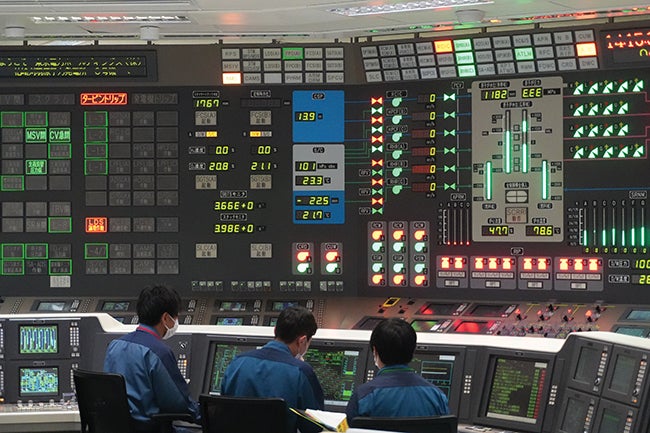
Unit 6 was first restarted in January of this year, but within hours was forced to shut down due to an equipment glitch involving a monitoring alarm, which triggered during the withdrawal of control rods. Officials confirmed that the reactor remained stable throughout the incident, and said there was no risk of radioactive leakage or impact outside the plant. After a series of inspections, TEPCO said the unit achieved criticality in February (Figure 1), and after passing thorough equipment integrity checks and more NRA inspections, officially entered commercial operation in April.
 |
|
1. Workers in the main control room at Kashiwazaki-Kariwa monitor the Unit 6 reactor’s performance during its return to criticality in February 2026. Courtesy: TEPCO (used with permission) |
TEPCO, in a news release earlier this year about the second restart, wrote: “TEPCO has worked diligently to earn understanding from the local community, Niigata Prefecture, and society as a whole, with regard to our initiatives for improving the safety of our power station by disseminating information during reactor startup, etc. We will continue to listen closely to the opinions and concerns of stakeholders while carefully advancing these engagement activities.”
“Kashiwazaki-Kariwa 6 is TEPCO’s first reactor to return to commercial service since Fukushima… it is by itself a very important symbol, even if several other reactors restarted” prior to Unit 6, said Francois Le Scornet, a long-time energy industry analyst who is president and a senior consultant at Carbonexit Consulting, an independent consulting practice headquartered in France. Le Scornet, who works with the European Commission assessing decarbonization and energy transition technologies, noted “several upgrades have been performed by TEPCO” on the power plant.
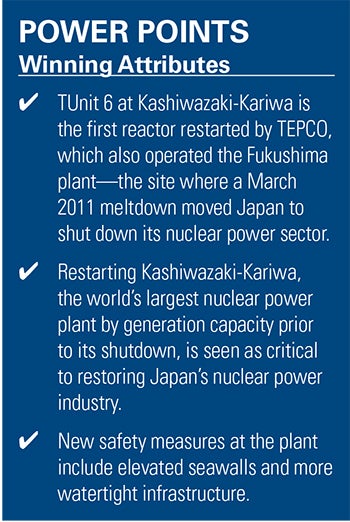
“The most obvious is the addition of a [50-foot-high] and 1-kilometer-long [sea]wall/embankment on the site, where the different reactors already stand around 12 meters above sea level,” said Le Scornet. “Flood barriers and watertight doors were also added on some key buildings and several piping and electrical systems were reinforced.”
TEPCO’s restart of Unit 6 “is another sign that Japan is moving nuclear power back into its energy mix,” said James Walker, a nuclear physicist and CEO at NANO Nuclear Energy. “After Fukushima, Japan put some of the toughest nuclear regulations in the world in place, so getting a reactor back online today means that it went through years of reviews, upgrades, inspections, and local engagement. Public sentiment also needed to change to support the reintroduction of nuclear energy, and although the Fukushima accident was not responsible for any deaths, the Japanese were initially still supportive of investigating alternative sources of power.”
Walker told POWER, “Kashiwazaki-Kariwa is very important because of its size… when a reactor at a site like that comes back online, you’re talking about a meaningful amount of electricity, and as Japan still imports most of its energy every restart helps strengthen domestic generation, and reduces some of the exposure to international fuel markets and supply disruptions.” Walker added, “A lot of work has gone into the plant since Fukushima because the industry learned some hard lessons from that accident, so they’ve done a lot of upgrades [stronger flood and tsunami protections, additional backup power systems, expanded emergency response capabilities, and tighter security measures], and the review process has also become much more demanding than it was before 2011.”
A ‘Safety First’ Approach
 TEPCO officials have continually emphasized safety measures when discussing upgrades to the Kashiwazaki-Kariwa plant. “There is no end to safety. Everyone working at our power stations will continue to come together as ‘One Team,’ with a strong focus on the field, and remain committed to continuously improving safety,” the organization said in a news release. “Any new knowledge gained will be appropriately reflected in our operations. Furthermore, as an operator rooted in the community, we shall listen to the voices of residents while advancing efforts to develop infrastructure that ensures safety and security for the people of Niigata Prefecture and to vitalize the local economy as we walk hand-in-hand with the people of the region.”
TEPCO noted several measures “to prevent flooding of the power station site,” including the previously noted seawalls, along with “Measures to prevent flooding of the buildings,” including “Flood barrier walls and flood barrier panels installed to protect the Reactor Building, etc.” Outside doors have been replaced with watertight doors, and the company has taken steps “to prevent flooding of the critical equipment rooms,” such as replacing “the inside doors [of the critical equipment rooms] with watertight doors.” The group said, “At Kashiwazaki-Kariwa Nuclear Power Station, measures against Tsunami are thoroughly implemented to ensure safety even in the case that an unexpectedly large Tsunami hits.”
Le Scornet, whose experience in the energy industry includes stints at GE Renewable Energy and AVEVA, told POWER, “Electrical and cooling redundancy was also reinforced. There are now five external transmission lines across three routes, new emergency diesel generators, plus mobile power vehicles and gas turbine generator trucks and elevated batteries. For the cooling, a new 20,000-ton water reservoir is designed to support at least one week of cooling if necessary, and mobile heat exchanger vehicles can provide an additional heat removal route for approximately 10 days.”
Le Scornet noted, “In case of an accident, passive catalytic recombiners [so-called PARs] are installed and can limit hydrogen accumulation, and a filtered containment vent has been installed to remove nearly all particulate radioactive material/iodine in case of accident.”
Takeyuki Ingaki, superintendent of the Kashiwazaki-Kariwa, on TEPCO’s website said, “We will never compromise [on safety], because we have experienced the Fukushima accident firsthand.” Ingaki led the on-site team that responded to the Fukushima Daiichi accident.
TEPCO in a statement after the Unit 6 restart wrote, “We have incorporated the expertise and perspectives of various experts from outside the company into these initiatives to ensure highly transparent power station operations and to demonstrate our intentions through actions and results. The regrets and lessons learned from the Fukushima Daiichi Nuclear Power Station Accident form the foundation of management and safety at TEPCO. With these regrets and lessons firmly in mind, we will continue to operate our power stations with safety as our highest priority.”
—Darrell Proctor is a senior editor for POWER.