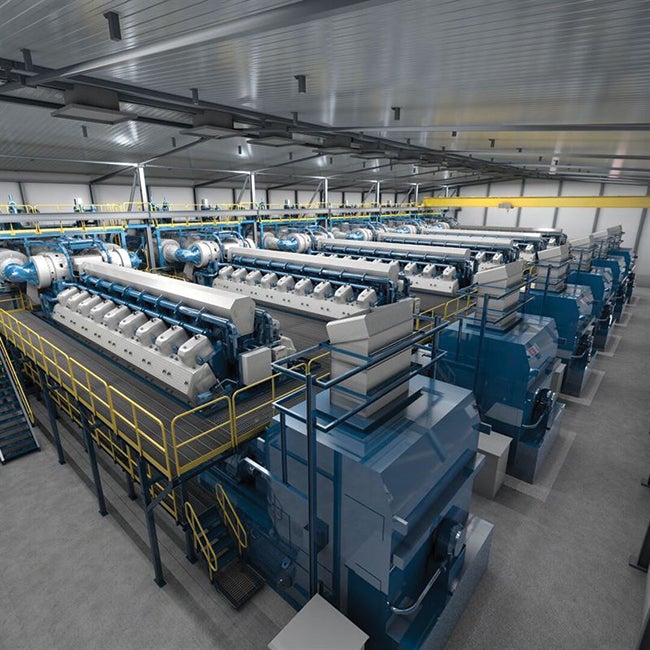
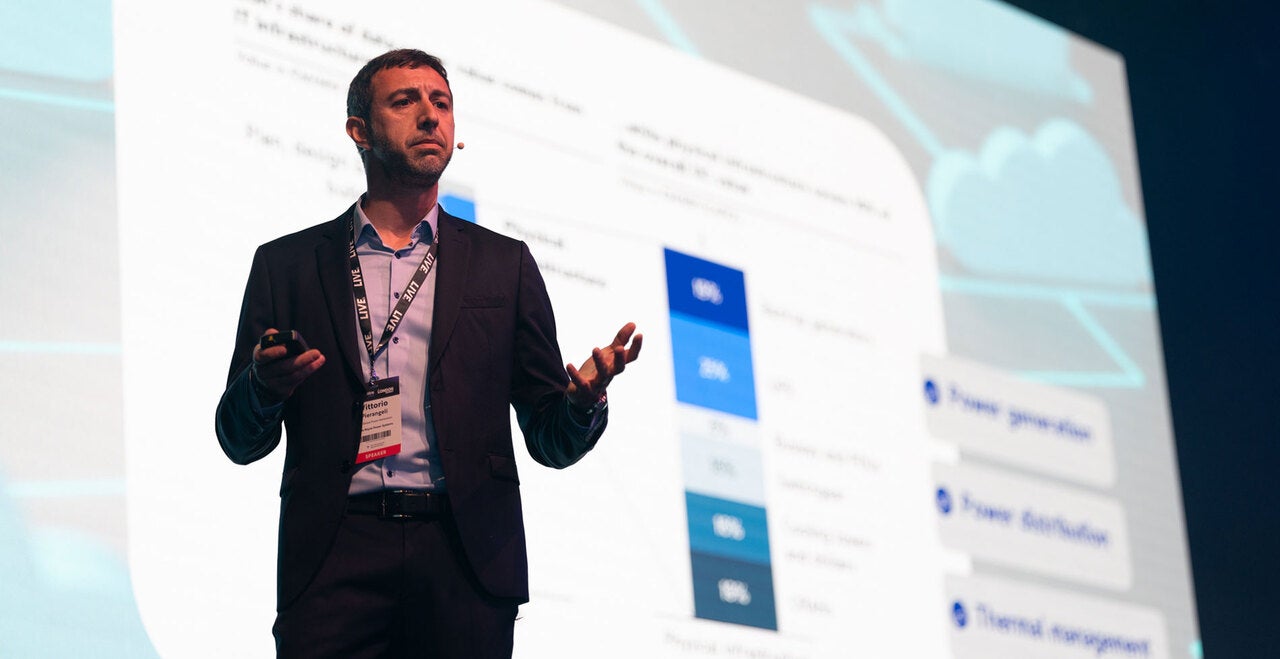
Growth in artificial intelligence (AI) is outpacing the world’s ability to generate enough power to sustain it. As AI adoption accelerates worldwide, it’s colliding with a power system that wasn’t built for its level of demand. Vittorio Pierangeli, senior vice president PowerGen at Rolls-Royce Power Systems (Figure 1), explains why electricity, not chips or algorithms, is the defining factor of the AI era.
Measuring AI’s Exploding Appetite for Power
The scale of the AI shift becomes clear when you look back less than a decade. In 2018, the AI-generated portrait “Edmond de Belamy” made global headlines as a novelty, trained on a modest 5 to 7 gigabytes of data before selling at a Christie’s auction for $432,500.
Fast-forward to today: roughly 43 million AI-generated images are produced every single day. The models behind them are trained on billions of data points, as much as 100,000 times the computational load of that early art experiment. And image generation is only a sliver of how AI is now woven into daily life.
We’ve crossed into a new era of power demand, with AI moving well past novelty status to become one of the world’s fastest-growing drivers of electricity consumption.
The Hitch: Power Availability
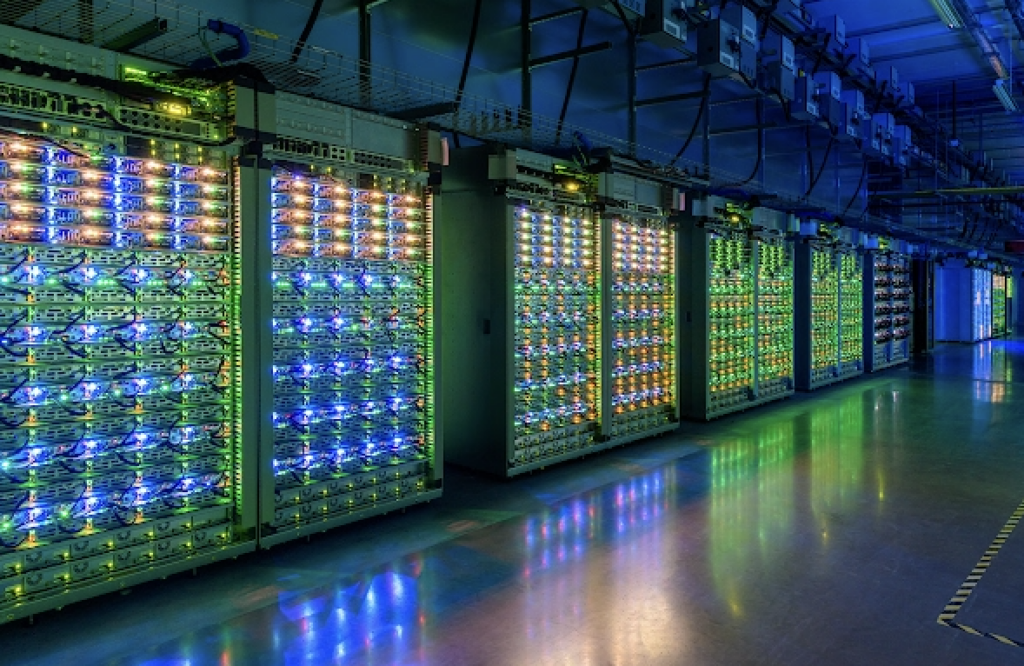
AI depends on reliable power—and a lot of it. Compare an AI-powered search with a conventional one. Depending on how complex the prompt is, a single ChatGPT query can use 10 to 100 times more energy than a standard Google search. Scale that up to the data center floor, and AI server racks now draw 100 to 120 kW of power apiece, versus roughly 10 kW just five years ago.
This increased demand coupled with a changing energy mix and geopolitical uncertainty only compounds the challenges in providing reliable power.
“Conventional coal plants are being decommissioned, while renewable generation remains intermittent,” said Pierangeli. “In addition, geopolitical instability is increasing pressure on energy security, and the load profiles of AI data centers are growing dramatically more volatile.”
Projections suggest the entire power generation market will nearly triple between 2025 and 2030, driven largely by data center demand, with the backup power segment expanding roughly 22% a year and continuous power growing at 24% annually. Supply, however, is not keeping up.
“Cumulative U.S. grid power supply to data centers is forecast to fall more than 50 gigawatts short of demand by 2030,” said Pierangeli. “And while a data center itself can be built in 18 to 24 months, securing a grid connection takes three to seven years.”
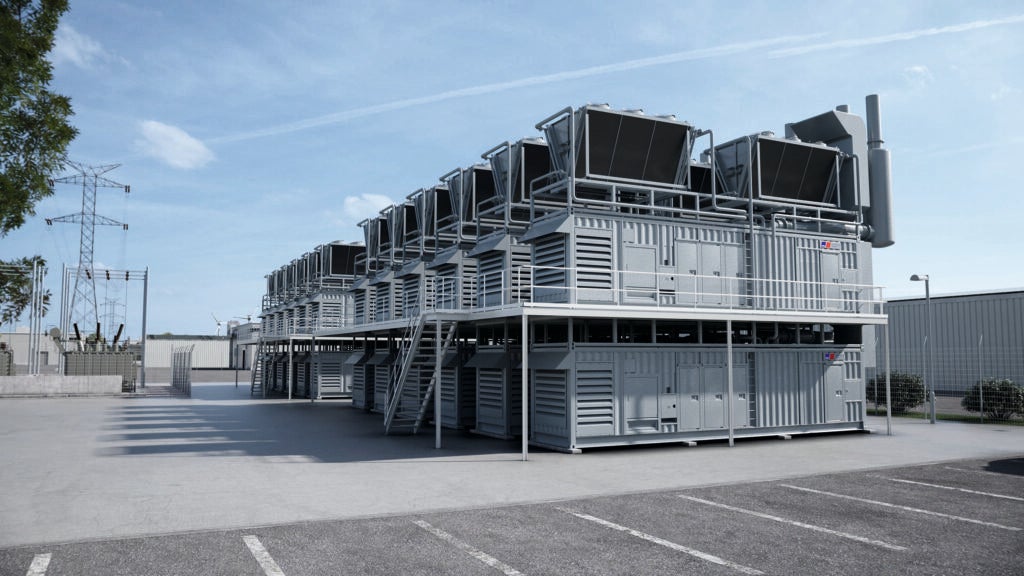
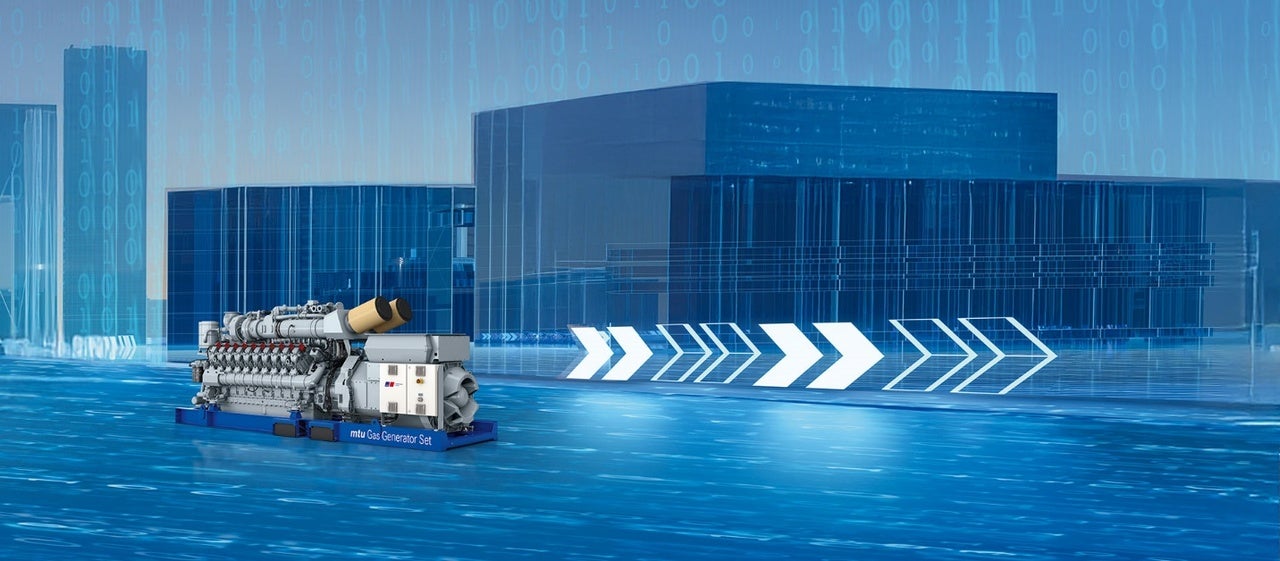
In the race to support AI demand, speed to market is imperative and hyperscalers simply cannot afford to wait years for a utility interconnection. That gap is opening the door to solutions, such as Rolls-Royce mtu gas gensets in the near term (Figure 2) and small modular reactors (SMRs) further out. Hyperscaler capital expenditure announcements for data centers jumped more than 50% in early 2026 alone and the utility sector has yet to catch up.
Bring-Your-Own Power Becoming the New Normal
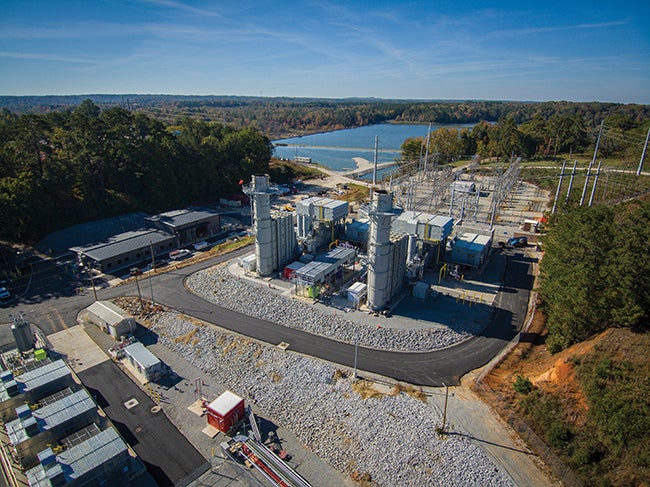
As grid constraints tighten and public opposition to data center power consumption slows down permitting, on-site power generation is becoming essential rather than optional. Developers are increasingly folding independent power plants into new data center designs under so-called “bring-your-own-power” (BYOP) initiatives, producing the energy a facility needs until grid capacity or new sources like nuclear come online.
Systems such as mtu gas gensets are well-suited for this continuous power supply, either directly at the data center (behind the meter) or as part of dedicated power plants.
With short deployment times, high operational flexibility, and a modular design, these systems offer high efficiency and speed-to-market that make them highly attractive for new data center projects. In places like the U.S. where natural gas is plentiful and pipelines are well-established, the operational and cost implications are very compelling.
Taming the Volatility of AI Workloads
Arguably the toughest challenge of the AI era isn’t the volume of power needed, but how erratically it’s needed. AI training workloads create a power management challenge unlike anything in traditional data centers.
Graphics processing units (GPUs) operate synchronously, generating sharp, regular power swings. Research shows that within a single 50-MW block of an AI data center, real power can swing by ±20 MW within seconds. These fluctuations can strain transformers and can disrupt the broader grid.
This is where solutions such as mtu Kinetic PowerPacks come into play. These kinetic energy storage systems act as fast-reacting buffers within the energy system, stabilizing voltage and frequency, and smoothing out power peaks. They respond instantly to load changes and provide uninterruptible power supply (UPS) functionality without the need for additional batteries.
Why Backup Power Still Matters
Even with prime power secured, either in a BYOP scheme or via the grid, data centers still need a failsafe backup plan. To achieve the Uptime Institute’s Tier IV certification, modern data centers must achieve 99.99% availability, which is what mission critical diesel backup systems ensure.
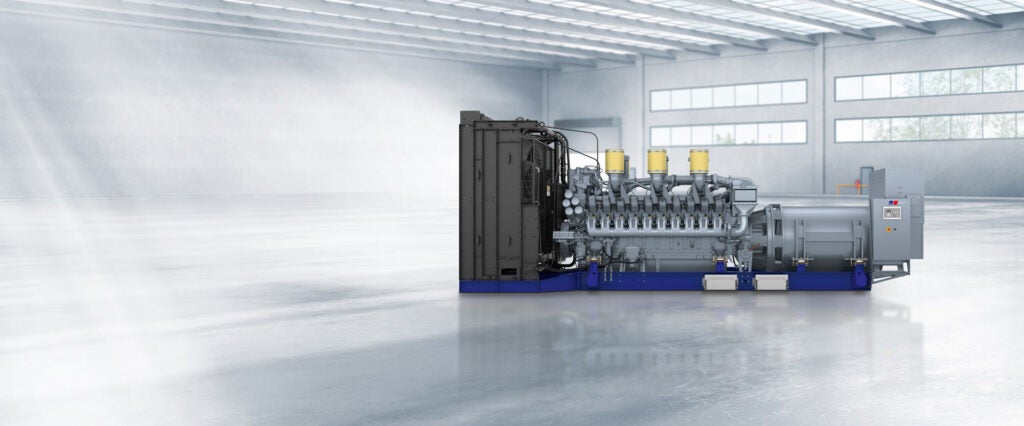
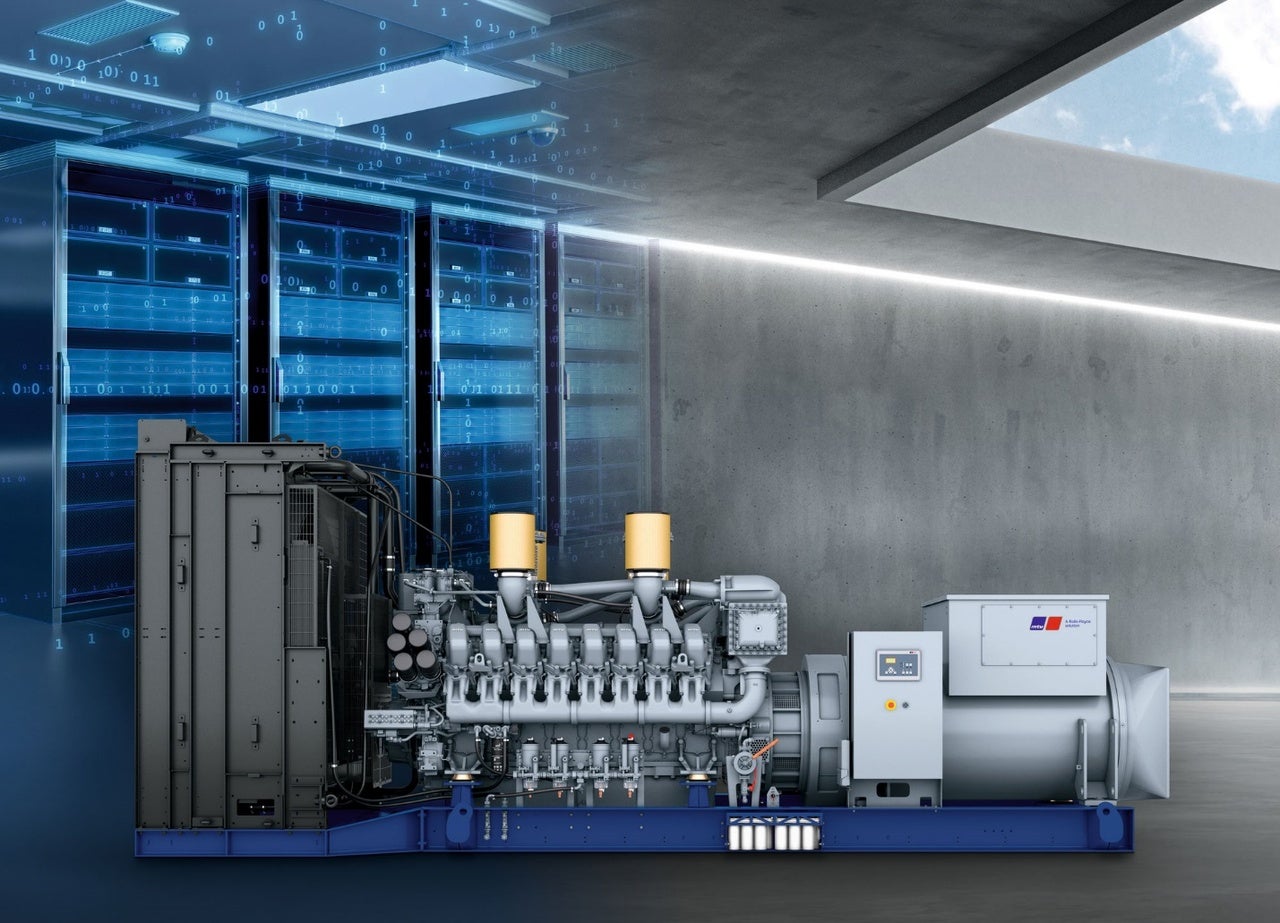
Well before the current data center boom began, Rolls-Royce’s hyperscale customers relied on its proven systems for mission critical backup power. In fact, more than 25% of the data centers globally are backed up by mtu Series 4000 gensets (Figure 3).
Designed for the Road Ahead
Data centers are increasingly described as the invisible backbone of modern life—the factories of the digital age, where intelligence is produced and delivered. Powering them reliably and at the necessary pace requires solutions that can move as fast as the industry itself. Modular, scalable, and fuel-flexible, the mtu portfolio meets data center operators where they are today—and where they need to be tomorrow.
—Jennifer Riley is regional communications lead for the Americas in the Power Systems division of Rolls-Royce.