The global energy landscape is experiencing increased uncertainty. Recent geopolitical tensions have created volatility in oil and gas markets, highlighted vulnerabilities in global supply chains, and renewed attention on energy security. While these events often dominate headlines, the effects extend far beyond energy producers and governments.
For businesses that depend upon reliable power to keep operations moving, energy security is an operational imperative. Whether supporting logistics operations, construction projects, transportation fleets, or industrial facilities, organizations need confidence that power will be available when and where it is needed.
The Hidden Cost of Energy Uncertainty
When energy and power supplies are disrupted, the impacts extend far beyond fuel producers:
- Ports experience delays.
- Construction projects face rising operating costs.
- Transportation fleets encounter higher fuel prices.
- Utilities and infrastructure providers must contend with price volatility and supply uncertainty.
For decades, diesel has served as the default solution for off-grid and temporary power needs. But diesel’s dependence on complex supply chains means organizations remain exposed to fuel price volatility, delivery logistics, emissions requirements, and other operational constraints.
At the same time, expanding infrastructure can be costly, time-consuming, or simply unavailable in certain locations. As a result, businesses are asking: How can we build greater energy resilience?
Energy Security and Resilience Through Diversification
Energy security and resilience are not about replacing one energy source with another—they’re about creating more options. Organizations routinely expand their supplier networks, transportation routes, and critical infrastructure to reduce risk. Exploring more flexible energy strategies can benefit from the same approach.
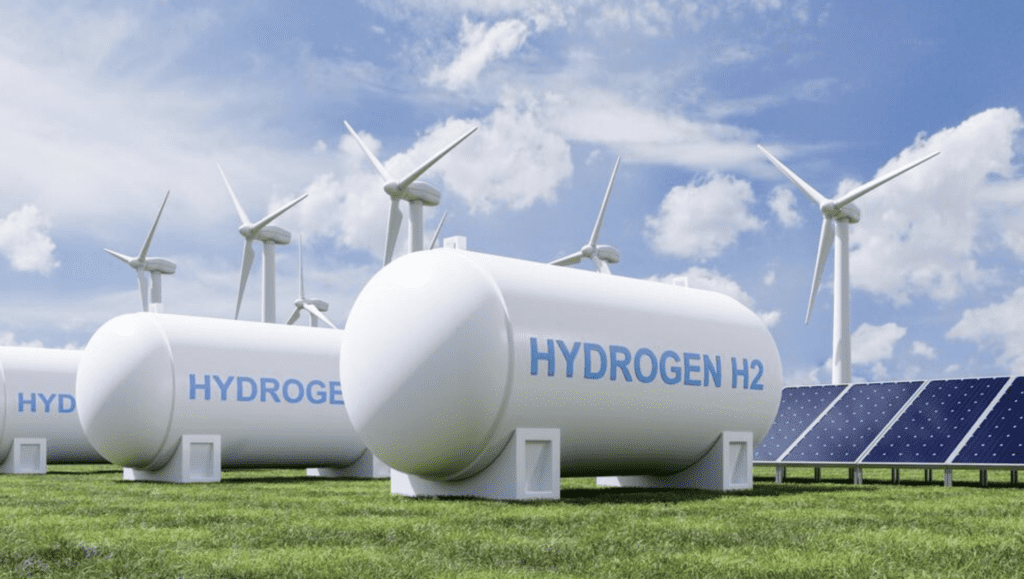
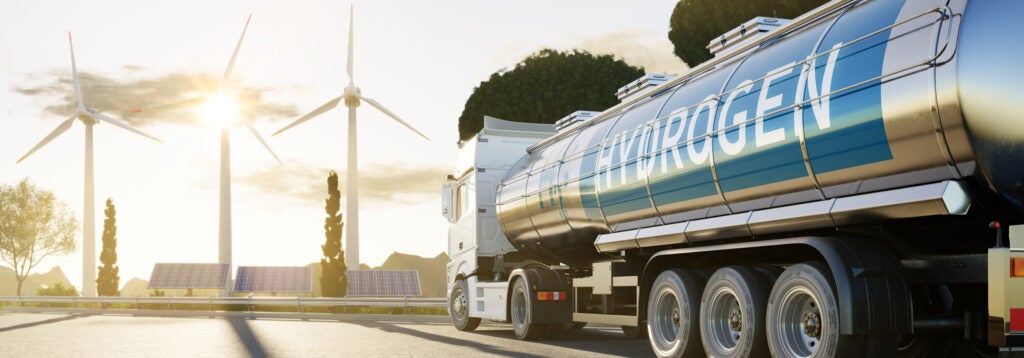
Since hydrogen can be produced from a variety of feedstocks and in different regions, it offers greater flexibility that complements existing energy systems. When used in fuel cells, it enables clean, reliable on-site power generation that can be deployed where and when it’s needed (Figure 1). Together, hydrogen and fuel cells help organizations reduce dependence on a single power source or fixed infrastructure.

For operations in ports, logistics hubs, construction sites, transportation networks, and remote locations, hydrogen and fuel cell applications can offer an additional layer of flexibility while supporting long-term resilience goals.
Hydrogen in Practice
Hydrogen has long been viewed as a promising energy option. Today, it’s increasingly becoming a practical solution for real-world applications.
Across ports, logistics hubs, construction sites, transportation networks, and industrial facilities, hydrogen fuel cell technologies are moving beyond pilot projects into commercial operations. Organizations are deploying mobile hydrogen power systems where reliable, flexible energy is needed but grid access is constrained or diesel-powered equipment is becoming less practical.
These systems provide operational advantages beyond emissions reduction, including:
- Mobile, on-demand power for dynamic work environments.
- Reduced dependence on diesel fuel.
- Greater operational flexibility in remote locations.
- Reliable power regardless of grid availability.
- Rapid hydrogen refueling compared with many battery-only solutions.
- Greater flexibility as operational requirements change.
- An additional pathway toward more resilient and diversified energy strategies.
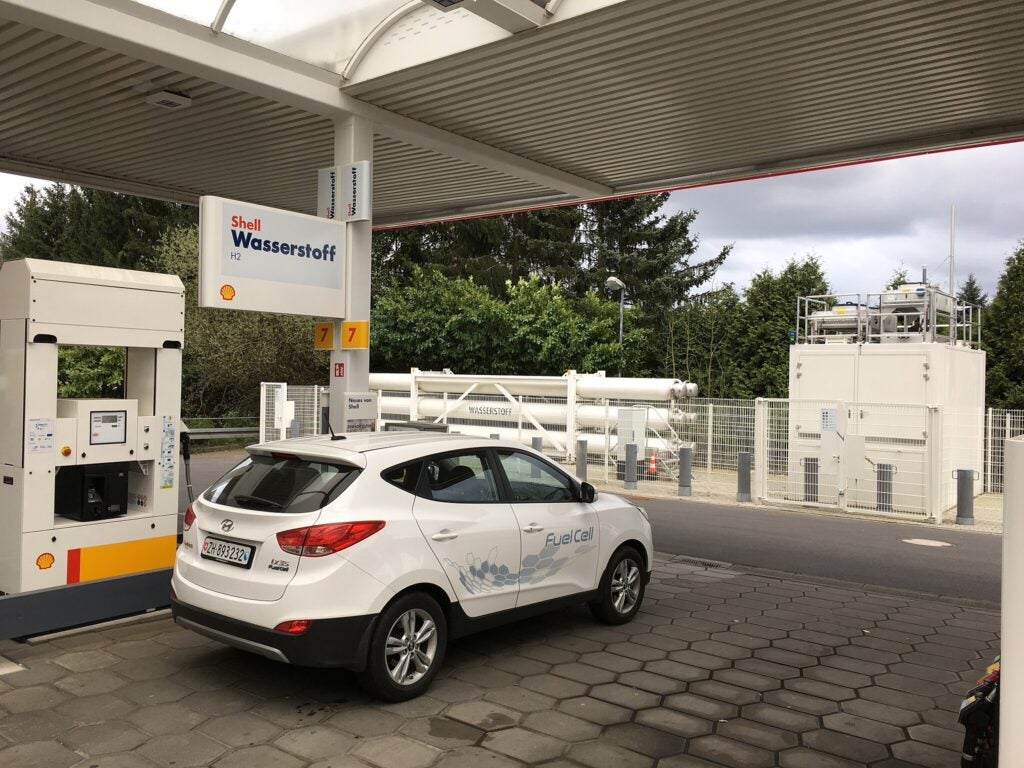
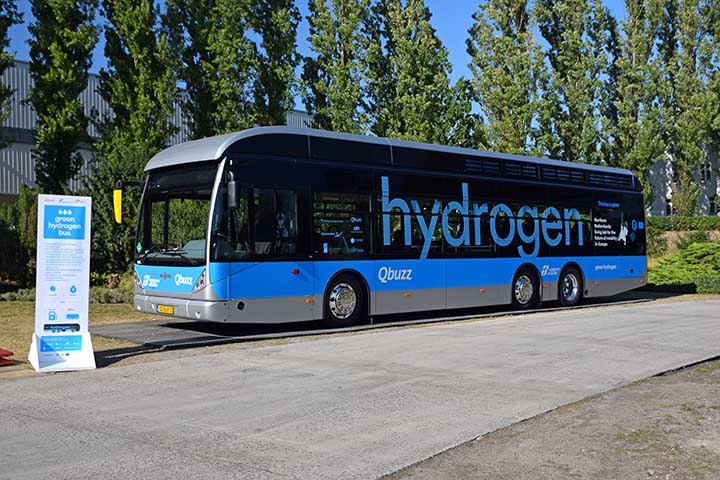
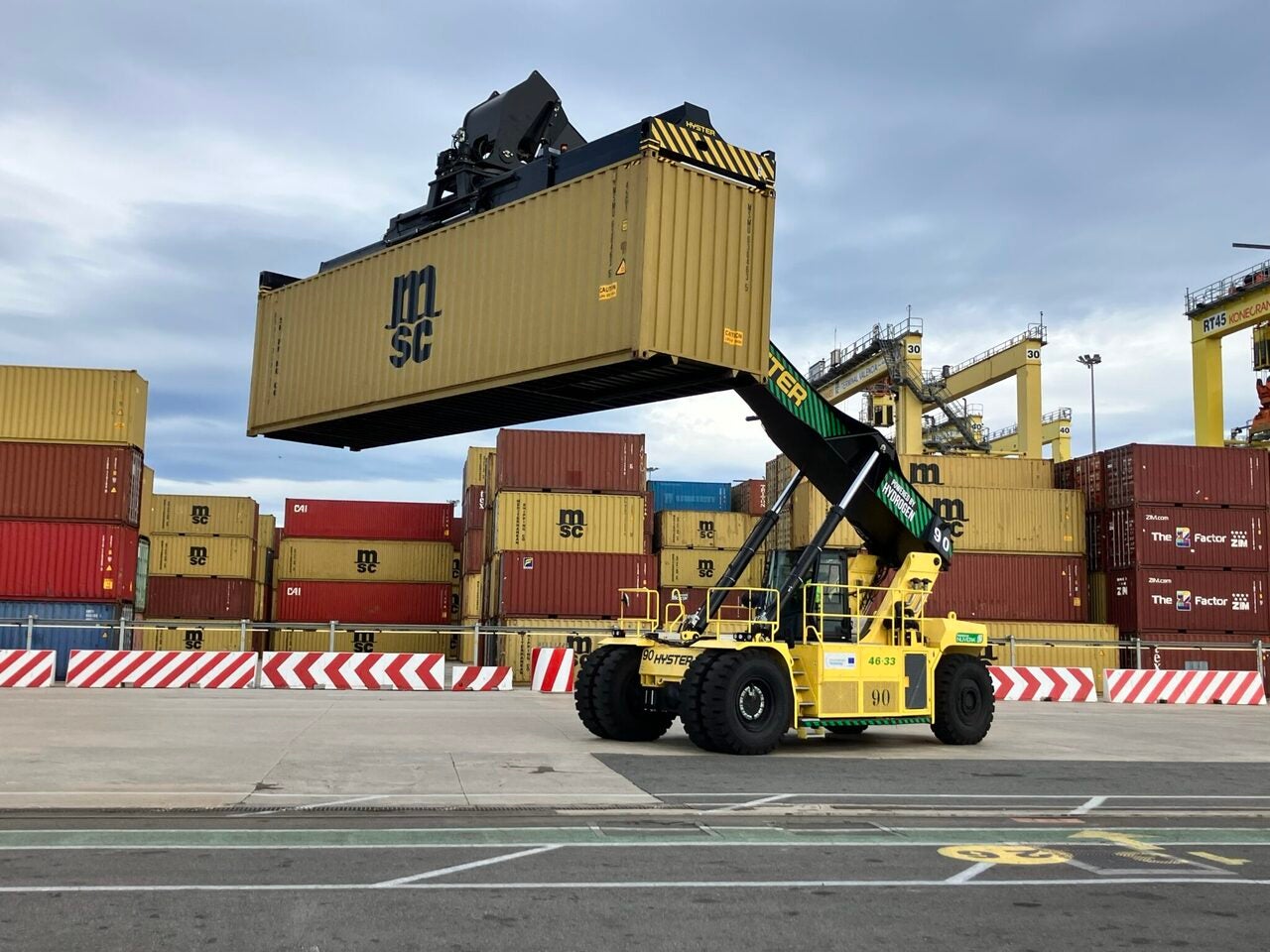
Hydrogen is also enabling zero-emission transportation and industrial equipment across a growing range of applications, including on-road vehicles, port equipment (Figure 2), maritime vessels, and stationary power systems. Built on decades of fuel cell innovation, today’s commercial fuel cell engines, for example, combine high efficiency, durability, and integration-ready designs that give manufacturers and operators greater flexibility while maintaining the performance required for demanding commercial operations.
The Future of Energy Security
The future energy landscape will be defined by flexibility. No single fuel source or technology will meet every need. Instead, organizations will increasingly rely on a mix of complementary solutions designed to improve reliability, adaptability, and resilience. Hydrogen has a significant role to play in that future.
As organizations evaluate how to prepare for evolving energy demands, infrastructure constraints, and market uncertainty, hydrogen fuel cell technologies can provide the flexibility and reliability needed to keep operations moving forward.
—Ralph Clague is Chief Development and Operations Officer with Hyster-Yale Materials Handling Inc.