Nuclear power is experiencing yet another boom. This time it may genuinely lead to a sharp expansion of the global reactor fleet. Several drivers are at work: decarbonization requirements, growing energy security concerns against a backdrop of rising geopolitical tensions, a new class of consumers—data center operators who need reliable and affordable electricity—and great-power competition for leadership in the nuclear industry.
Yet simple, extensive growth in nuclear capacity will inevitably run into the problem of natural uranium scarcity. Fast reactors operating in a closed nuclear fuel cycle offer a solution. How ready this technology is for commercial deployment was the subject of analysis by specialists from around the world who gathered in Beijing, China, in May for the international FR26 conference, organized by the International Atomic Energy Agency (IAEA) with the support of the China Atomic Energy Authority (CAEA) and the China Institute of Atomic Energy (CIAE).
In nuclear reactor fuel, two competing processes take place under neutron flux: fission and neutron capture. The first is responsible for heat energy production; the second for breeding new nuclear fuel—for example, plutonium from uranium-238. In modern pressurized water reactors (PWRs) and boiling water reactors (BWRs), where neutrons are moderated to energies of about 0.025 electronvolts (eV), the first process dominates. As a rough estimate, for every kilogram (km) of fuel consumed, approximately 500 grams (g) of new fuel are produced.
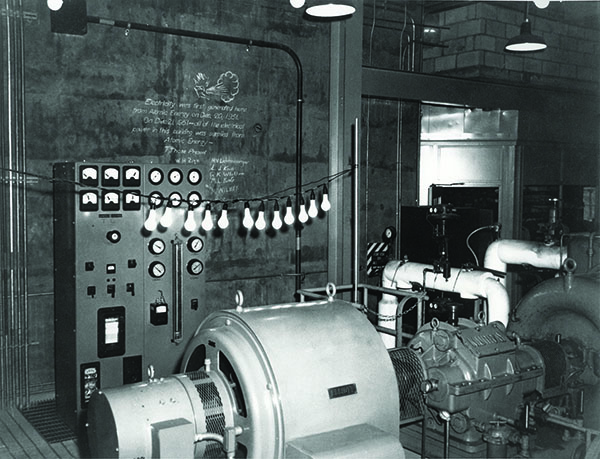
In fast reactors, the situation is fundamentally different: more than 1 kg of new fuel is produced for every kilogram consumed. Fast reactors operating in a closed fuel cycle can therefore draw on virtually the entire uranium-238 resource for energy production, effectively resolving the uranium scarcity problem. Specialists have long been aware of this important advantage. In the U.S., Nobel laureate Enrico Fermi was the first to point it out, in 1944. Shortly afterward, Soviet scientist Alexander Leypunsky independently reached the same conclusion. Moreover, as IAEA Director General Rafael Grossi reminded conference participants in a video address, the world’s first reactor to generate electricity was a fast reactor—the EBR-I, in 1951.
Fast reactor technology, however, never achieved widespread adoption. The world’s first grid-connected nuclear power plant (Obninsk, 1954) used a thermal reactor. Proliferation of fast reactors was hindered by another process—elastic neutron scattering, in which a neutron loses energy and slows down. The lighter the nucleus, the greater the share of energy a neutron can lose: colliding with a hydrogen nucleus, it can be stopped almost entirely. This means water is unsuitable as a coolant in a fast reactor—it would moderate the neutrons. A substitute had to be found.
Sodium emerged as a compromise, but its chemical reactivity necessitated a three-circuit reactor design, which sharply increased construction costs. In addition, fast-spectrum neutron flux is two orders of magnitude higher than in thermal reactors (due to low interaction cross-sections), requiring the development of specialized radiation-resistant materials. Fast reactors thus remained isolated, one-of-a-kind units.

In This Issue
Full issueMeanwhile, the uranium scarcity problem has not lost its urgency. According to IAEA estimates and other authoritative sources, economically recoverable natural uranium reserves at current consumption levels will last about 100 years. But if the global reactor fleet expands sharply as planned, nuclear power could face a critical shortage as early as the second half of the 21st century. A return to fast reactors is therefore inevitable.
How can the transition to fast reactors be made without incurring excessive capital expenditure while preserving the vast accumulated design and operational expertise of thermal reactors? The FR26 presentations suggest that the leading nuclear nations have set course toward a two-component nuclear energy system, in which fast and thermal reactors will coexist at least through the end of the 21st century. In such a system, fast reactors are responsible for maintaining the plutonium balance in the fuel cycle, breeding it primarily for their own use and, optionally, for thermal light-water reactors. China, India, and Russia are already taking the first steps along this path; Japan, South Korea, and possibly France and the U.S. are expected to follow.
Fast reactors in a two-component system will take on additional roles. One FR26 paper identified five such roles; two merit closer examination. Transitioning thermal reactors from uranium fuel to uranium-plutonium fuel carries an unwelcome drawback. The isotopic composition of plutonium in a thermal reactor degrades rapidly—the proportion of higher isotopes (plutonium-240, -241, -242) increases. France encountered this problem in the last century, where uranium-plutonium fuel has been used in PWRs on an industrial scale, but only for a single fuel cycle. Plutonium from spent mixed oxide (MOX) fuel from PWRs is not suitable for reuse in a thermal reactor. Fast reactors, by contrast, can not only use such plutonium as fuel but also restore its isotopic composition. Some Russian specialists refer to this procedure as “healing” plutonium. The scheme works as follows: plutonium completes one cycle in a thermal reactor, then one cycle in a fast reactor, after which it returns to the thermal reactor with a restored isotopic composition—and so the cycle continues.
Another task for fast reactors is the transmutation of minor actinides—isotopes, principally of neptunium, americium, and possibly curium, that are produced as by-products in nuclear fuel. As noted in conference presentations, if such waste is disposed of directly, its radiotoxicity does not fall to the level of natural uranium for 100,000 years. If minor actinides are added to fast reactor fuel, however, the same radiotoxicity level is reached in just 300 years.
All the advantages of fast reactors can only be realized in practice within a closed nuclear fuel cycle—a point made repeatedly throughout the conference. Without reprocessing spent fuel and returning uranium and plutonium to the cycle, building fast reactors loses its rationale: they would be economically uncompetitive with thermal reactors. The logistics of cycle closure can take different forms, and a dedicated panel session at FR26 was devoted to this question.
 |
|
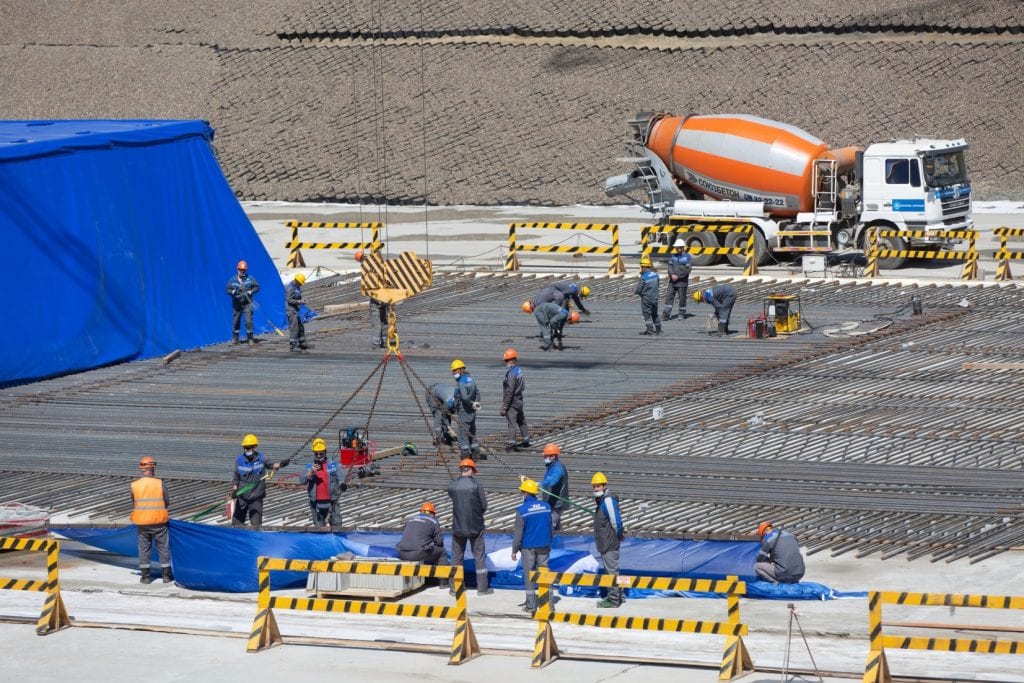
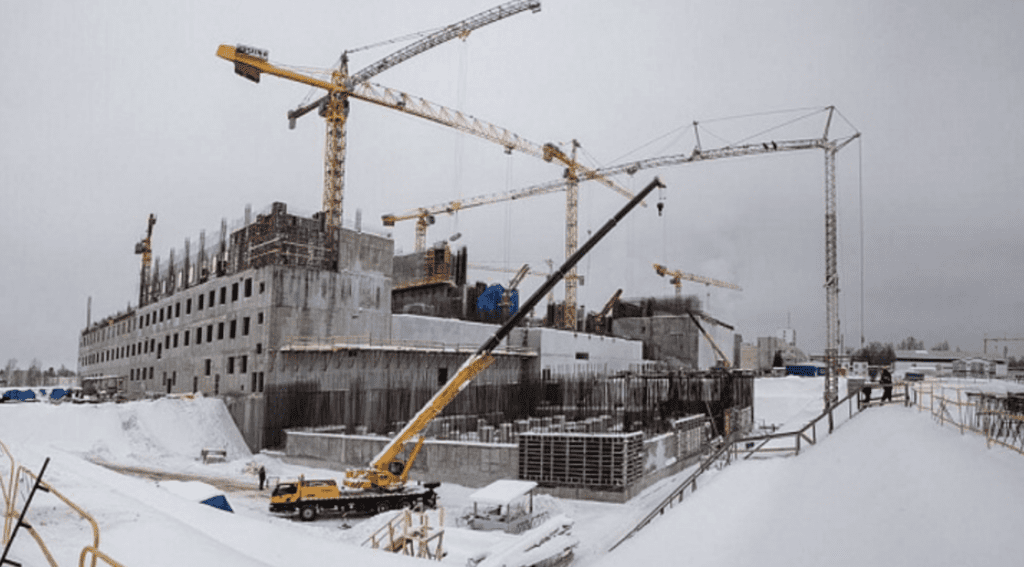
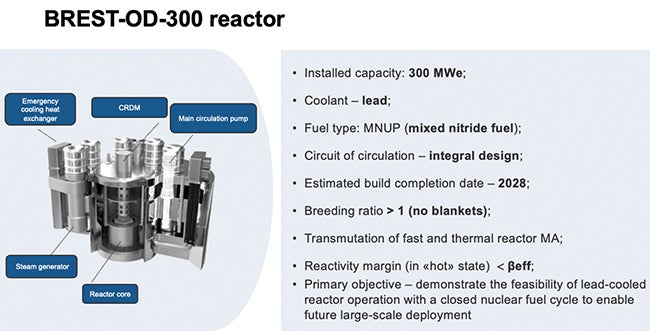
1. The BREST-OD-300 reactor is part of Rosatom’s ODEK pilot demonstration energy complex being built in Seversk, Tomsk Oblast, in Siberia. The complex comprises the BREST-OD-300 fast reactor, a nuclear fuel fabrication and refabrication module, and a spent fuel reprocessing module. Courtesy: Rosatom |
China is inclined toward integrated complexes where four to eight fast reactors are co-located with spent fuel reprocessing and fresh fuel fabrication facilities. Japan, for historical reasons, relies more on centralized reprocessing, with spent fuel from across the country transported to a complex similar to Rokkasho. Rosatom presented its own model at the conference—one currently under construction in Seversk, Tomsk Oblast. In this Siberian nuclear city, the ODEK pilot demonstration energy complex is being built. It comprises the BREST-OD-300 fast reactor (Figure 1), a nuclear fuel fabrication and refabrication module, and a spent fuel reprocessing module. This is the world’s first attempt to co-locate a commercial-scale fast power reactor with a complete set of fuel cycle facilities on a single site. Rosatom calls this system an “on-site closed nuclear fuel cycle.” The state corporation is developing Generation IV not as a collection of new reactor technologies but as an integrated complex in which fast reactors, fabrication, spent fuel reprocessing, and refabrication form a single technological loop.
At first glance, the Russian and Chinese approaches appear similar, but there is a significant difference—the type of fast reactor. China is banking on the sodium-cooled CiFR-1000 with metallic fuel, while the Russian ODEK will use a lead-cooled reactor with mixed uranium-plutonium nitride fuel. This is an entirely new reactor type in world practice.
Sodium was chosen in the 20th century as a compromise fast reactor coolant, but it is not ideal from a physics standpoint. Its atomic weight of 23 is better than hydrogen’s (1), but still lower than desirable, meaning neutrons are partly moderated in a sodium fast reactor. Lead, with an atomic weight of 208, is more favorable, and lead-cooled reactors open additional design possibilities.
For instance, in a lead-cooled reactor with nitride fuel, it is possible to operate in a mode where the amount of new fuel produced approximately equals the amount consumed, without the use of blankets. As a result, the reactor’s reactivity remains nearly constant throughout the fuel campaign. In practice, this means that an accident of the Chernobyl type is inherently impossible in such a reactor. Rosatom classifies these reactors as naturally safe installations, where protection is ensured by the physical properties of materials and the laws of nature. Rosatom proposes designating systems built from such reactors operating in a closed fuel cycle as Generation IV nuclear systems.
 |
|
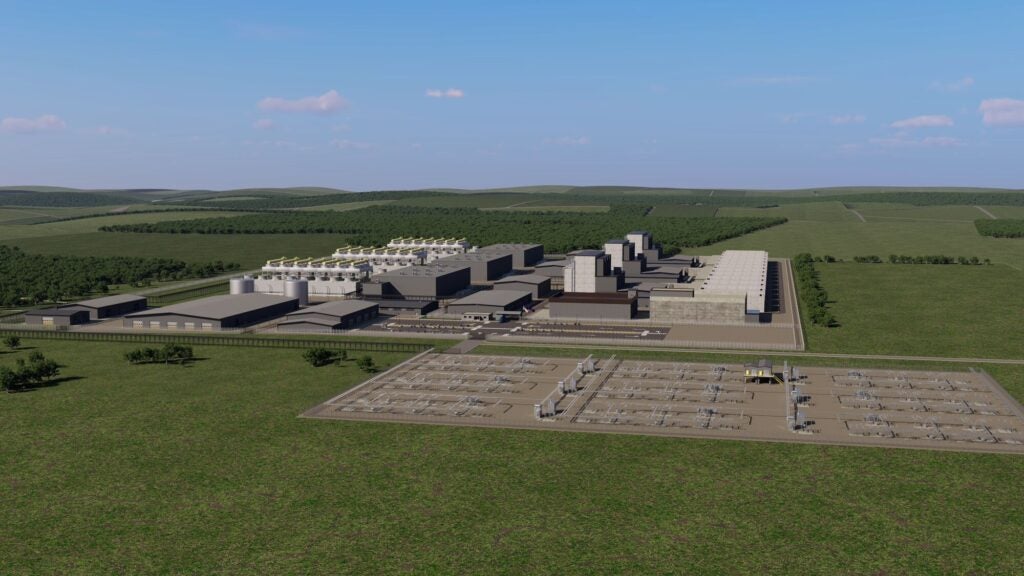
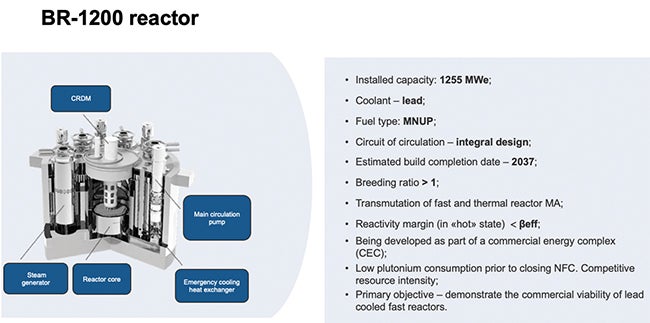
2. The BR-1200 reactor would be the commercial, larger-scale version of Rosatom’s BREST-OD-300. Courtesy: Rosatom |
BREST-OD-300 is a demonstration reactor. Its mission is to validate the technology in practice and demonstrate closed fuel cycle operations on a power reactor. At FR26, Rosatom First Deputy Director General Alexander Lokshin reported that construction of BREST-OD-300 may be completed in 2028. If successful, Rosatom will take the next step and begin construction of the commercial version, the BR-1200 (Figure 2).
 |
|
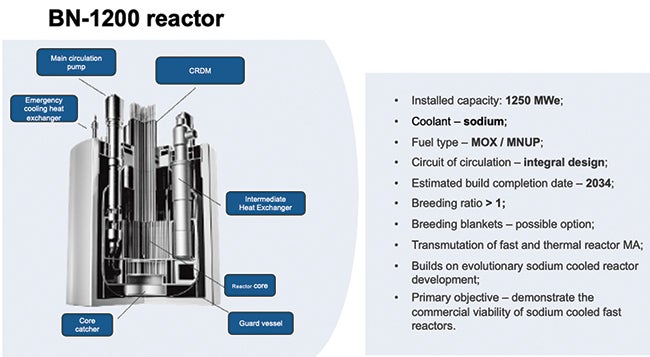
3. Russia operates two fast sodium reactor units—BN-600 and BN-800—and the experience gained on those projects has enabled designers to develop the BN-1200M commercial reactor. Prep work for the new reactor has begun at the Beloyarsk nuclear power plant site, home to the BN-600 and BN-800. Courtesy: Rosatom |
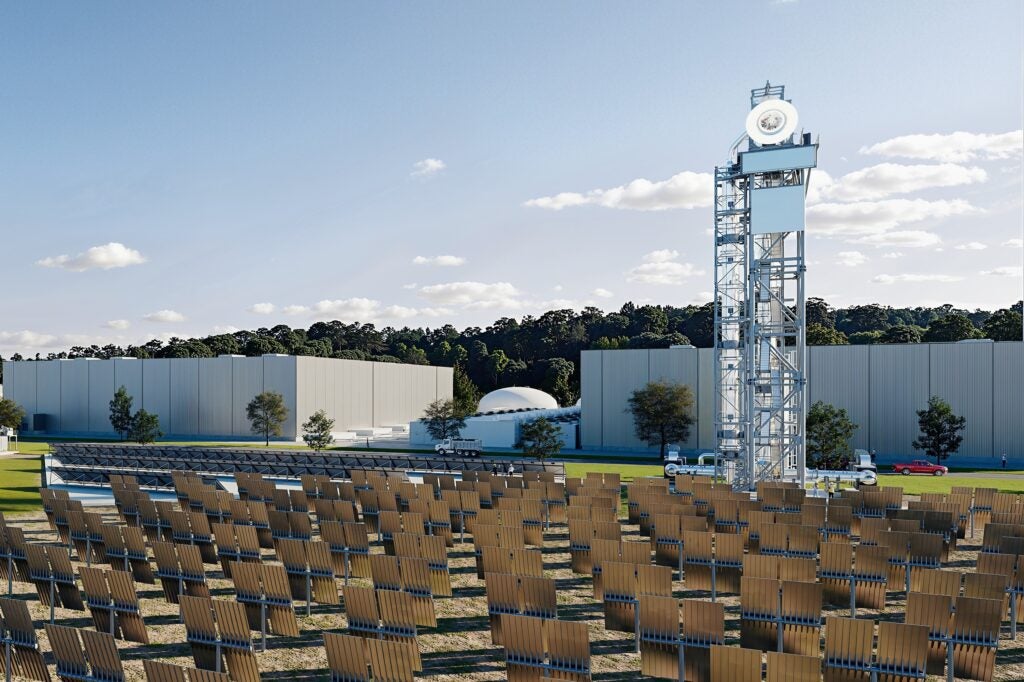
The sodium track has not been abandoned, either. Russia operates two fast sodium reactor units—BN-600 and BN-800—and the experience gained on these has enabled designers to develop the BN-1200M (Figure 3) commercial reactor project. A site for the lead unit has been selected—the Beloyarsk nuclear power plant—where preparatory work has already begun.
FR26 was held under the motto “From Innovation to Implementation.” Indeed, during their time in the shadow of thermal reactors, fast reactors have advanced to the verge of constructing lead commercial units. Challenges remain. Qualified personnel capable of operating fast installations are needed. The regulatory framework, developed around the specific characteristics of light-water reactors, requires revision. New spent fuel reprocessing methods must be demonstrated—methods that avoid separating uranium and plutonium, and minimize waste volumes. Nevertheless, as the Beijing conference demonstrated, fast reactors are ready today to stand alongside thermal reactors and begin addressing the central challenge facing a growing 21st-century nuclear industry: the problem of uranium scarcity.
—Alexander Uvarov is director of AtomInfo.