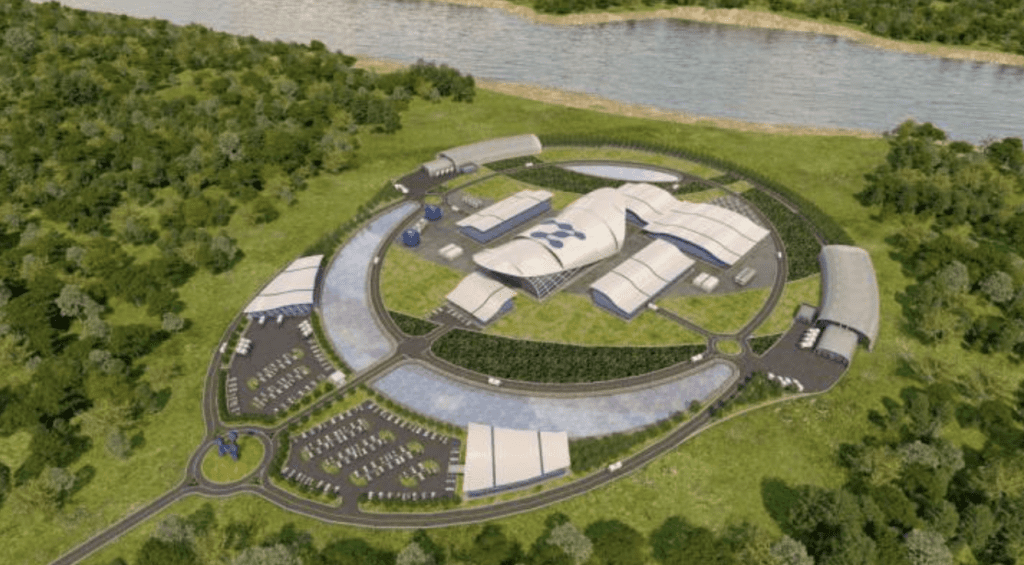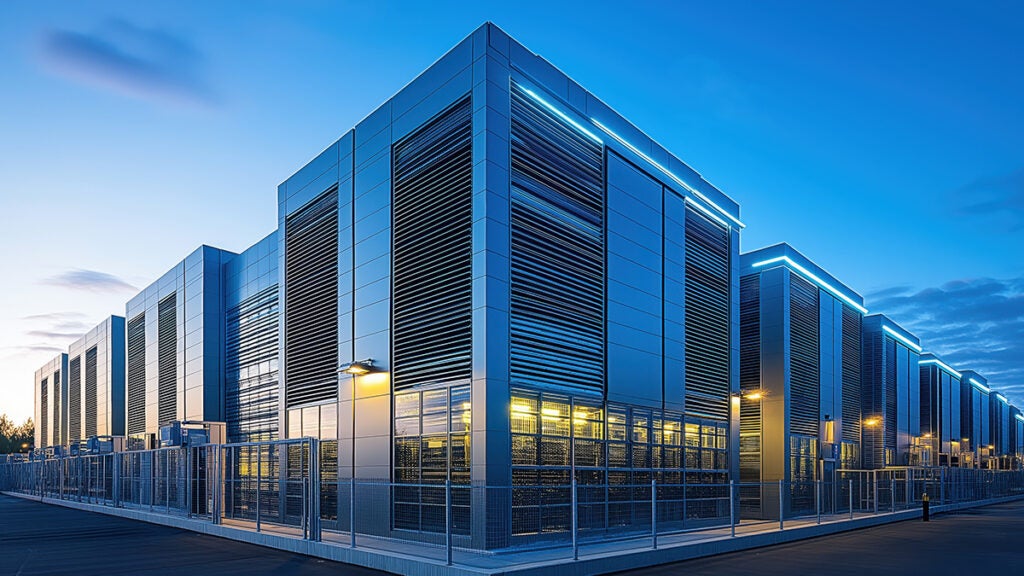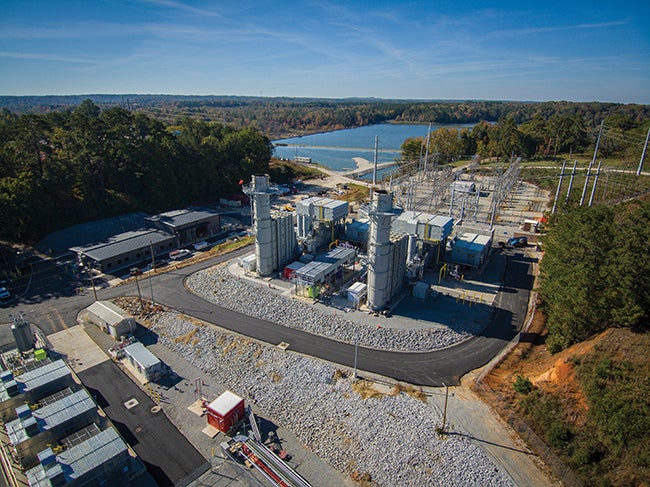
There has never been a time when so much power was needed so fast. Driven by the artificial intelligence (AI) revolution, more data center capacity is in development or under construction now than has been built in all of history. According to analyst firm Industrial Info Resources (IIR), each month of 2025 saw at least $100 billion in AI data center projects announced worldwide. The month of October 2025 recorded more than $350 billion of tangible data center projects under development. When viewed cumulatively, it adds up to $3.2 trillion in ongoing AI data center projects worldwide with North America accounting for two thirds.
Unfortunately, new power plants take several years to build, and the grid is only able to provide a small portion of the energy required. In the interim, fog-based wet compression offers a proven retrofit option, delivering output increases with minimal downtime or capital expenditure.
“The intercooling effect of wet compression drops the firing temperature, so you gain additional power, and more bang for your fuel because heat rate improves 2% or 3%,” said Derek Grayson, gas turbine specialist at Mee Industries.
Gas Turbine Upgrades: The Fastest Path to More Megawatts
IIR estimates that U.S. electricity demand tied to data center and AI development reached 42 GW at the end of 2025, with an additional 32 GW under construction. The forecast suggests demand will surpass 90 GW by 2030. Meanwhile, most available gas turbines have already been booked through the end of the decade, and a nuclear buildout would require a much longer lead time.
“Power is the primary constraint within the AI data center market and the scramble is on to find power from anywhere,” said Shane Mullins, an analyst at IIR.
Upgrading the existing gas turbine fleet is viewed as an attractive source of immediate generation. Vendor upgrades are available that improve combustion efficiency. The implementation of digital controls, too, can boost output. But probably the fastest and most cost-effective way to gain power is by adding wet compression and evaporative fogging. Existing gas turbines can add 10% or more power to their nameplate capacity. And the many aging gas turbine units in the fleet that struggle to maintain dispatch competitiveness due to performance degradation can recover their lost megawatts by implementing evaporative fogging and wet compression.
The basic theory of evaporative fogging is that gas turbine power output can be increased by cooling the inlet air stream. As ambient temperature increases, the density of the air entering the gas turbine compressor decreases, reducing working fluid mass flow through the turbine. As power output is directly proportional to the mass flow rate, power output falls. For a typical large frame gas turbine, power is reduced by about 0.65% of the ISO rated output power for every 1C (or 0.36% per 1F) rise in ambient temperature.
To achieve these results, fogging systems spray very fine droplets of demineralized water into the inlet air stream. Water droplet sizes averaging 20 microns or less ensure there is no danger of large unevaporated droplets carrying over to the compressor. Fogging can cool the inlet air to between 95% and 99% of the difference between dry-bulb and wet-bulb temperatures, depending on how the water spray is controlled.
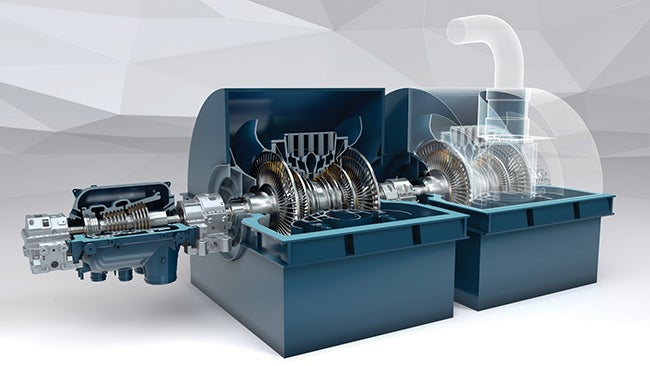
In addition, the effectiveness of evaporative fogging can be greatly enhanced by taking advantage of wet compression where more fog is sprayed into the inlet air than can be evaporated. Wet compression consists of injecting demineralized water in the form of tiny fog droplets into the inlet of a gas turbine to improve its power output and heat rate. This is a fast way to add megawatt capacity to existing power plants and raise fuel efficiency. Excess fog carried over to the compressor inlet further boosts gas turbine output by virtue of the intercooling effect of evaporation on reducing compressor work.
Wet compression can produce a power boost of 5% to 10% for each 1% of water injection. Some installed wet compression systems spray as much as 2% or more of the air mass flow. In other words, a 100-MW plant spraying 1% could gain up to 10 MW, while one spraying 2% could gain up to 20 MW of additional power. Wet compression can be installed within a few days at a fraction of the cost of a new gas turbine or combined cycle plant.
How Wet Compression Works in Gas Turbines
Wet compression (also known as high fogging) has a long history. Norwegian inventor, Jens William Aegidius Elling, used a three-stage compressor with inter-stage water injection in his 1903 gas turbine that produced compressed air for a manufacturing plant. The technology has also been used to develop extra thrust during takeoff on both commercial and military airplanes.
Mee Industries installed a fogging plus wet compression system at the Ralph Green Power Station in the U.S. in 1996 as part of an EPRI capacity enhancement program. It cooled the inlet air and injected about 0.5% of the air mass flow as liquid water and produced almost a 6% power boost for the GE 7EA gas turbine.
Since then, several hundred wet compression systems have been deployed around the world. They have operated successfully at high flow rates for many years without adverse effects on the turbine.
“Wet compression is installed downstream of traditional inlet air cooling systems near the compressor inlet,” said Grayson.
In addition, he noted that as wet compression systems can have multiple stages, the technology helps to reduce stress on the gas turbine. How? Most of the existing turbine fleet were designed for baseload operation. Yet the demands of the modern grid often demand that they ramp up or down rapidly. In many cases, it may be possible to keep the gas turbine running at full load and turn on and off wet compression stages to match the power output to the needs of the grid.
Case Study: Wet Compression at Morris Cogeneration Plant
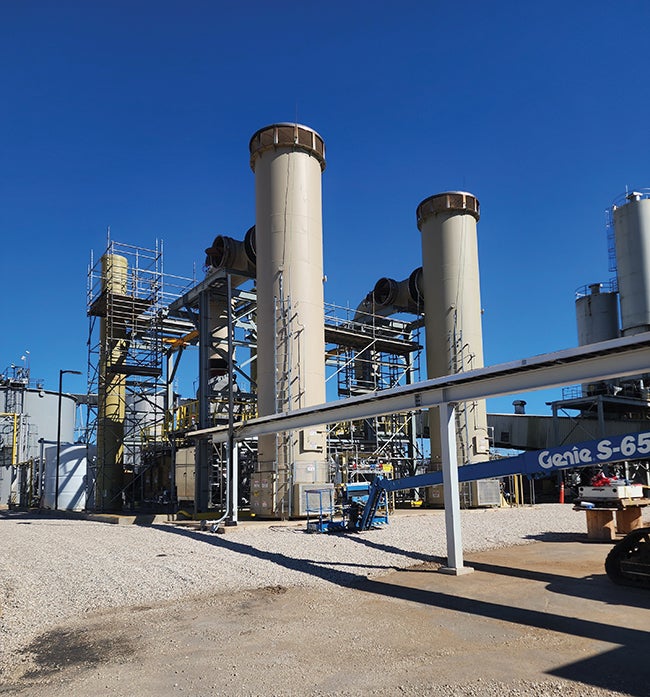
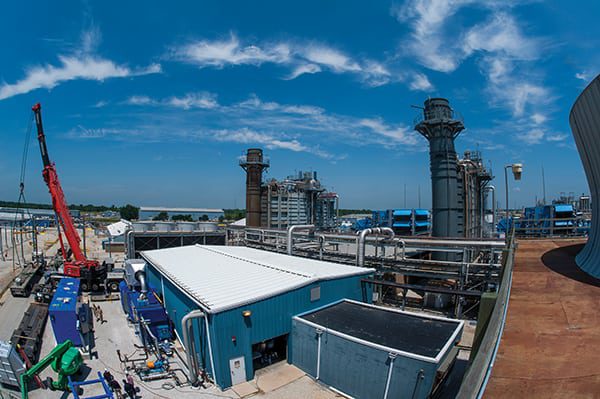
The Morris Cogeneration Plant in Morris, Illinois, began operation in 1998. It consists of three GE Frame 6B turbines, each with a Deltak heat recovery steam generator (HRSG), and a GE steam turbine. Each combustion turbine is equipped with a GE Dry Low NOx (DLN-1) combustion system. The plant dispatches into the PJM Interconnection market in the Midwest, where, in addition to energy revenue, it receives capacity payments for committing to keep a defined amount of generating capacity available to the grid.
“We operate for large periods at reduced load, but when the market calls for it, we send as much capacity as we can to PJM,” said Ray Deyoe, vice president of Business Development at Ironclad Energy, the owner of Morris Cogen in a partnership with Fengate Asset Management. “Capacity is well rewarded within PJM, so ensuring the highest possible capacity was a big driver in us turning to Mee Industries for wet compression. Wet compression gives up to an additional 5 to 6 MW per unit.”
The steam and energy produced at the facility are sold to LyondellBasell for use at its Morris petrochemical plant. The plant is capable of producing 1,000,000 lbs/hr of steam. Excess energy is sold into the PJM market.
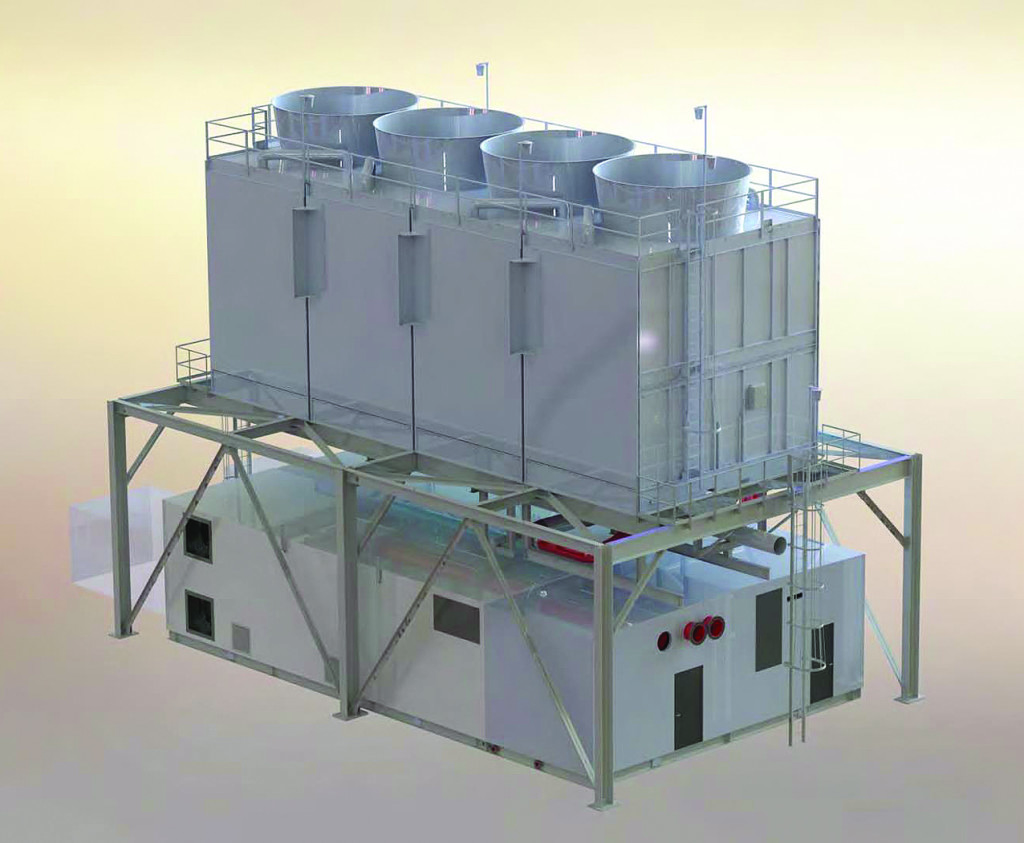
When Ironclad acquired the Morris plant, it decommissioned an aging and inefficient system that was supposed to operate like a gas turbine supercharger. It caused maintenance headaches, had a startup time of several hours, burned too much fuel, and worsened heat rate. Instead, Ironclad looked to wet compression (Figure 1) to provide an even better power boost but with improved efficiency and dramatically reduced ramp time.
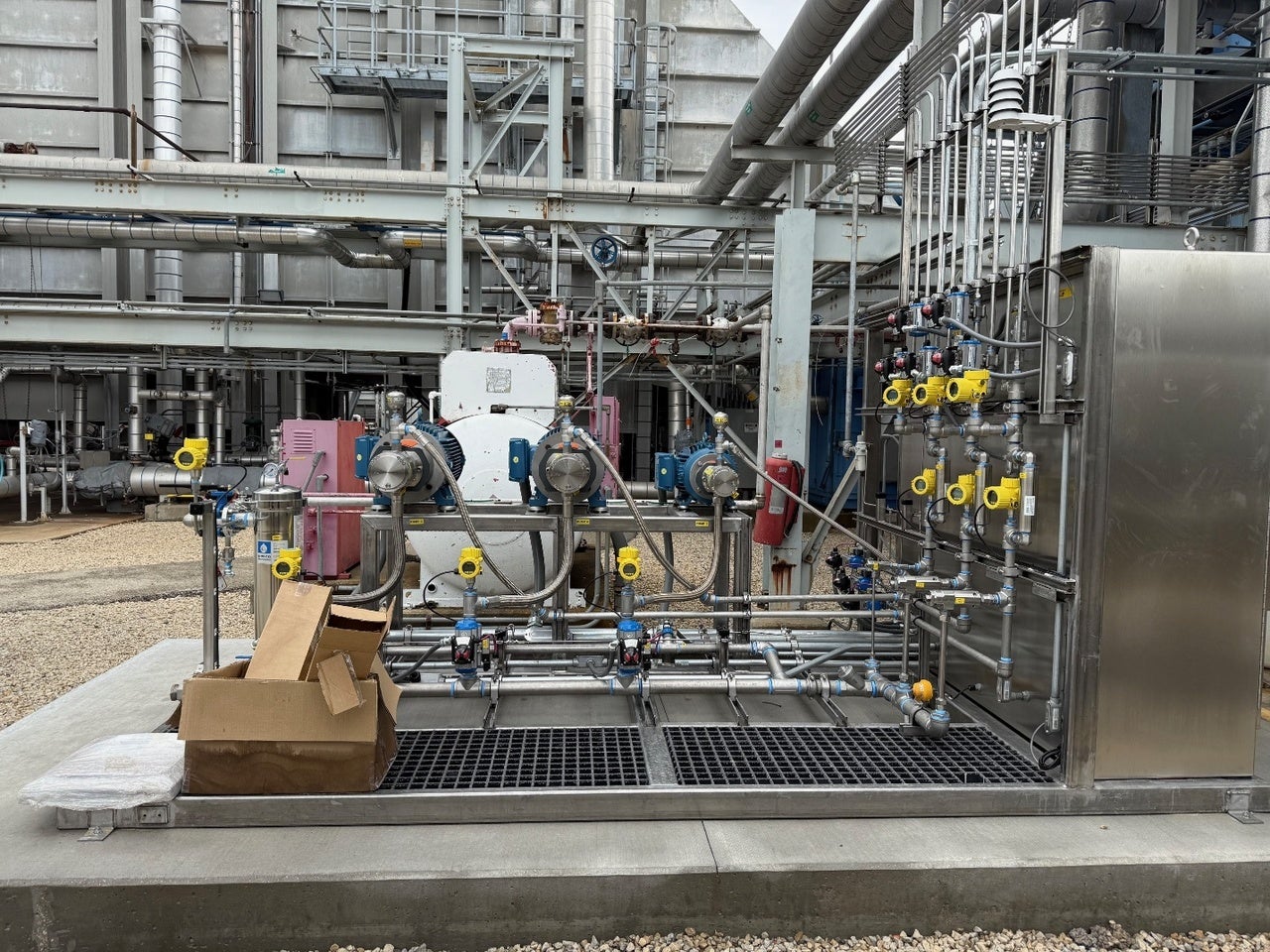
The wet compression system has initially been installed on two of the gas turbines. They delivered more power than the old supercharger system with lower operating costs and a much faster start time. According to Deyoe, each turbine typically provides 38 MW. The addition of wet compression provides an additional 5 MW to 6 MW per unit with an improved turbine heat rate of about 400 Btu/kWh.
Once Ironclad completes installation of wet compression on the third turbine later in 2026, it is confident that it will gain enough extra power to be able to decommission its aging chillers, too. “Our old chillers are high maintenance, have a high parasitic load, and will eventually need a refrigerant upgrade,” said Deyoe. “We anticipate obtaining a big enough output boost from wet compression to offset the decommissioning of the chiller.”
Wet compression was installed in the early part of 2025. Ironclad wanted it in before the summer heat lowered turbine performance. From the point of placing the order, it took 24 weeks for the equipment to be delivered and installed. This enabled Morris Cogen to be ready for PJM’s hot summer and take full advantage of capacity payments. Representatives from Mee Industries came onsite to assist in installation.
“Our total spend on wet compression worked out to about $150 per kW, which is by far the cheapest way to add megawatts,” said Deyoe. “Whenever we buy a new plant, we now always consider adding wet compression as it is so cost effective.”
Wet Compression Installation: Lessons Learned and Best Practices
He has advice for others wanting more power: Avoid vendors that don’t have a track record of proven projects. MeeFog, he said, has over a thousand fogging and wet compression installations worldwide and has never had a nozzle come loose, Deyoe said. Its nozzles produce droplets averaging 10 microns whereas others produce droplets that average 60 microns or more. When droplets get that large, he added, that’s when compressor blade damage might become a factor.
“You get what you pay for in wet compression and as the price of the technology is so low on a $/kW basis, it doesn’t make sense to nickel and dime it when customers like LyondellBasell and PJM are depending on you,” said Deyoe.
There have been a couple of lessons learned. During hot days, the plant noticed that the sun beating down on the fogging and wet compression skid was causing high-temperature alarms and preventing starts. The company erected a weather hood over the skid and insulated the water lines to keep the temperature down.
As fogging and wet compression need demineralized water, Ironclad initially tapped into an existing source at the plant. The water demand proved to be too much for the small diameter of the piping, and a booster pump had to be added to pull the volume required by the MeeFog systems and keep the pressure right.
Deyoe said that after a year of operation, everything is running as advertised and performance gains match expectations. The only maintenance action needed to date has been the replacement of a faulty solenoid. Once started, the system can be up and running within two minutes, he added.
—Drew Robb (drewrobb@sbcglobal.net) has been a full-time freelance writer for more than 25 years specializing in engineering and technology.