Fusion energy group Helion said the company has completed a $465-million Series G investment round, increasing the Everett, Washington-based group’s valuation to $15.5 billion. Helion is among dozens of U.S. and global companies working to commercialize fusion power.
“Fusion is no longer a future idea, but a path to clean, reliable, affordable always-on electricity at scale. This funding accelerates our ability to deliver on that promise,” said David Kirtley, CEO of Helion. “This support of new and existing investors is a strong signal they believe, as we do, that Helion is best positioned to generate electricity from fusion for customers this decade, not the next, and that we have the right technology and strategy to build the commercial fusion market over the long term.”
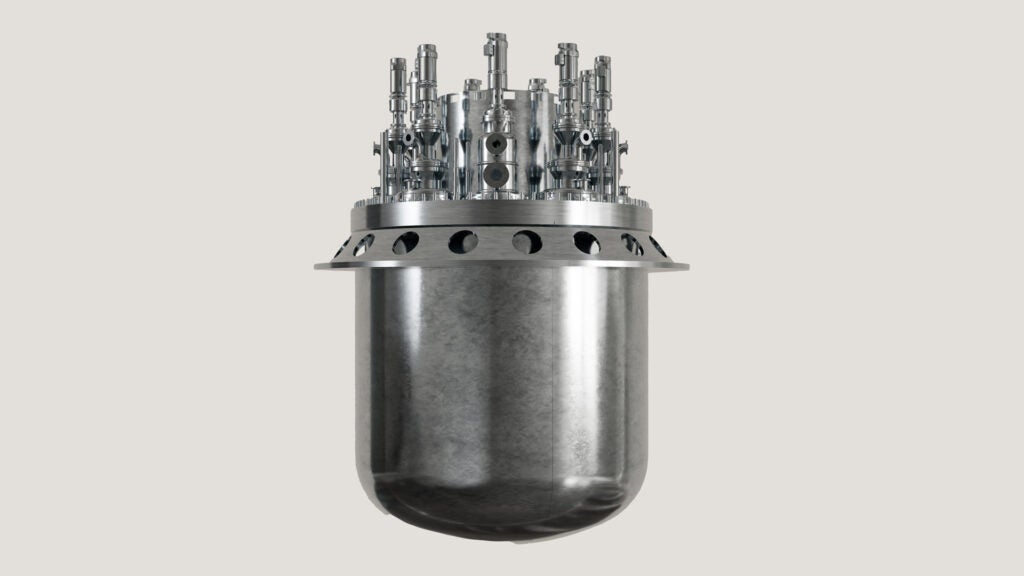
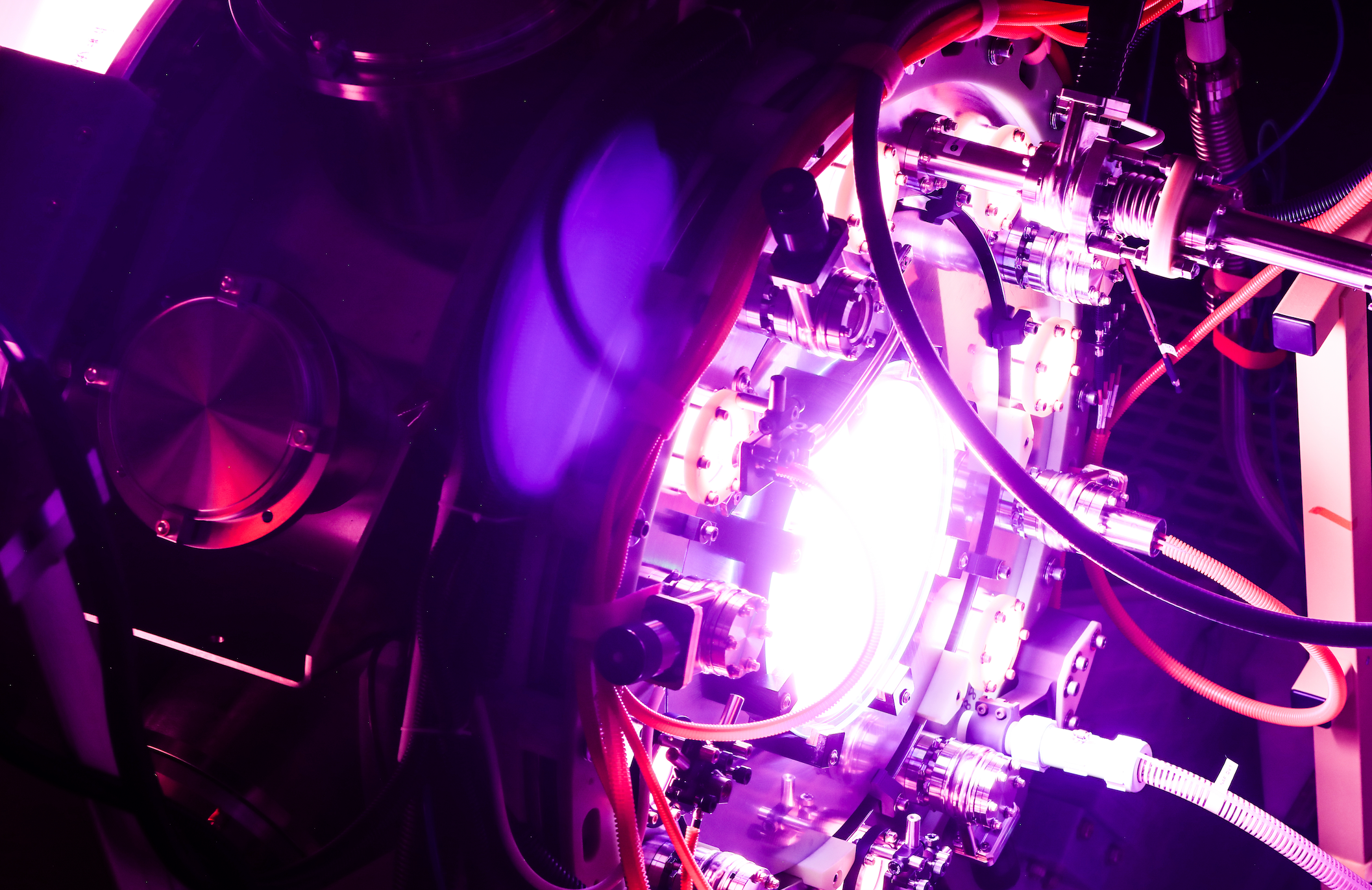
Helion on June 4 said the funding also supports its manufacturing work in the fusion space, which includes proprietary components such as the company’s Polaris prototype. Helion earlier this year said its Polaris prototype had set new industry benchmarks, becoming the first privately developed fusion energy machine to demonstrate measurable deuterium-tritium (DT) fusion and achieve plasma temperatures of 150-million degrees Celsius. Helion began operating its 7th-generation Polaris prototype in late 2024.
The Series G round was led by Thrive Capital, with participation from new investors in the company including Alta Park Capital, Anti Fund, BoxGroup, Lux Capital, Peak XV Partners, and Ford Motor Co. Executive Chairman Bill Ford. Existing investors participating include Capricorn Technology Impact Funds, Lightspeed Venture Partners, Mithril Capital, Dustin Moskovitz through Good Ventures Foundation, SoftBank Vision Fund 2, and a university endowment fund.
“At Thrive, we aim to invest in category-defining companies,” said Vince Hankes, partner at Thrive Capital. “We believe Helion has the technical ambition, pace of execution, and commercial orientation to define a new category of energy. We are deeply inspired by David and the Helion team’s mission to bring clean, reliable fusion power to the world, and honored to support them for the long arc ahead.”
“Abundant, affordable energy is essential for the future of innovation,” said Ravi Mhatre, co-founder of Lightspeed Venture Partners. “Commercializing fusion will be critical to meeting the world’s growing energy needs and no company is better positioned to do that in the near term than Helion. We are happy to renew our commitment to Helion and participate in this round.”
“Every generation has a small number of companies that expand what the world believes is possible. Helion is one of them,” said Brandon Reeves, partner at Lux Capital. “As power capacity becomes central to AI and industrial competitiveness, Helion is moving fusion from a scientific milestone to commercial reality and building one of the most important companies for America’s energy and AI future.”
Helion was founded in 2013. It is among several companies featured in POWER’s “Groundbreakers” Special Report published in February, which included information about groups active in the fusion sector. Helion has hit several benchmarks over the past few years, including being the first company to receive regulatory approval to possess and use tritium for the purpose of demonstrating fusion energy production. Achieving thermonuclear fusion using DT fuel is one step in Polaris’ testing program. The company has said it will continue testing to reach optimal temperatures for deuterium-helium-3 fusion, a fuel Helion will use for commercial operations. (Editor’s note: Helium-3 is a light, stable isotope of helium with two protons and one neutron. The most common isotope, helium-4, has two protons and two neutrons.)
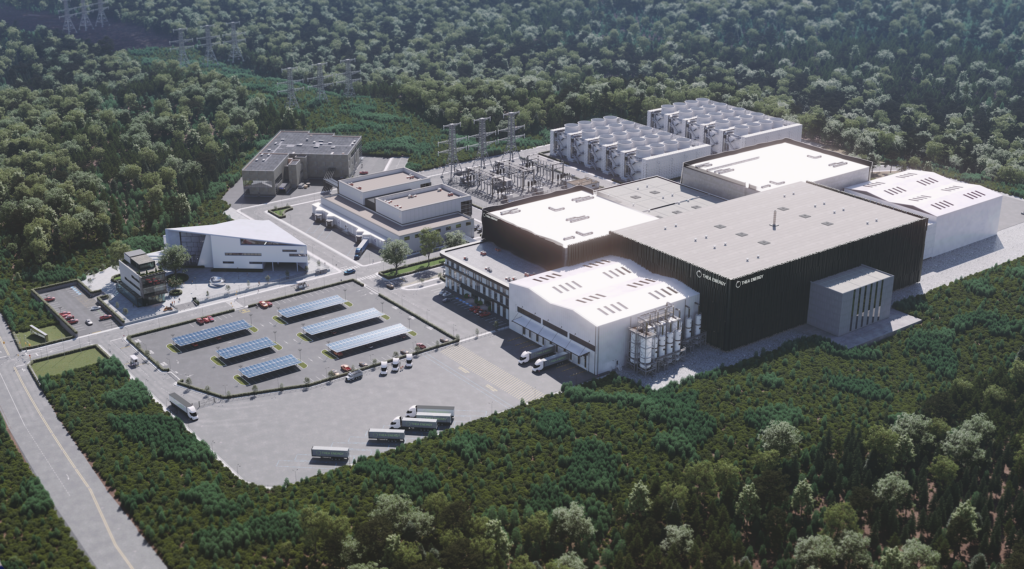
Helion in July 2025 began construction at the site of Orion, the company’s first commercial machine, in Malaga, Washington. That project is being built to deliver electricity from fusion to the grid for technology giant Microsoft. The company also has an agreement with Nucor, a manufacturer of steel and steel products, as part of a collaboration to develop a 500-MW fusion power plant to supply baseload electricity to a steelmaking facility.
—Darrell Proctor is a senior editor for POWER.