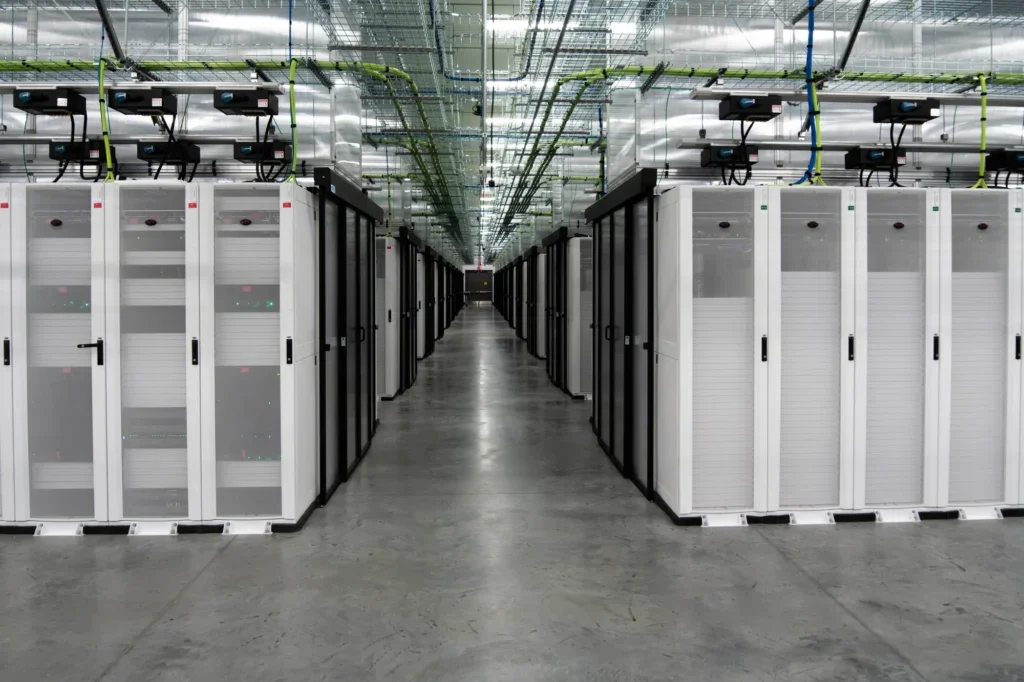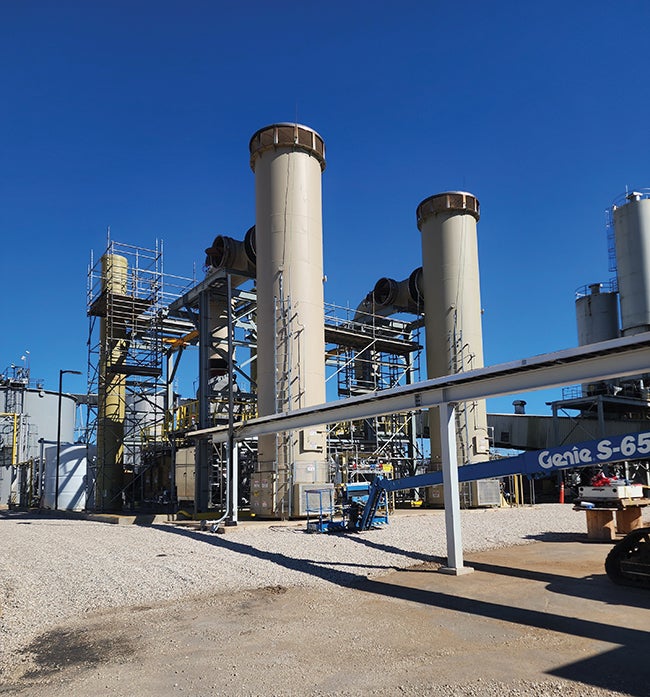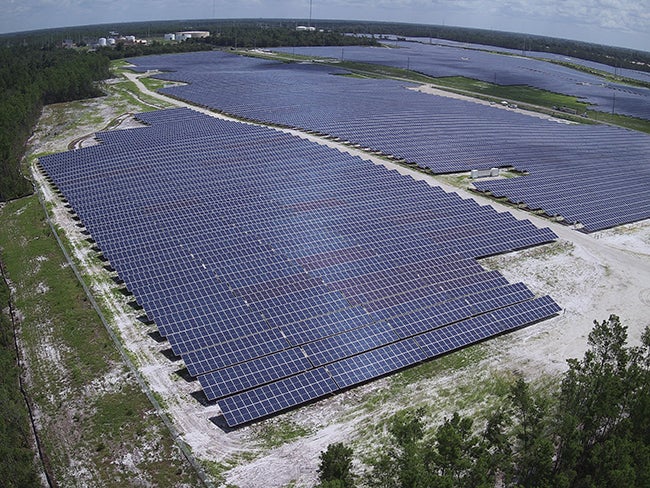
Power demand across the U.S., particularly in Texas, continues to accelerate, driven by data center expansion, electrification trends and sustained industrial growth. Recent market analyses, including JLL’s data center outlook, show Texas accounting for more than one-third of the nation’s active data center construction pipeline, signaling a significant and sustained increase in electricity demand.
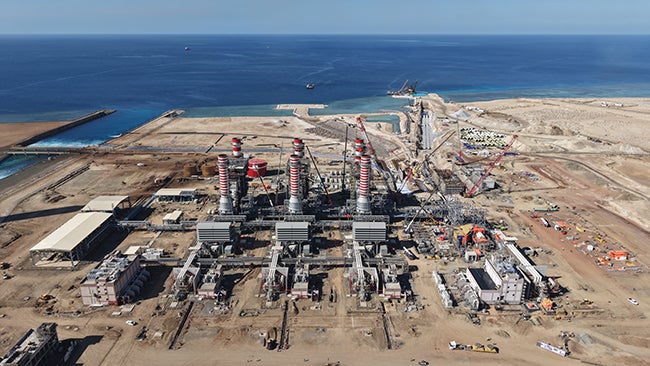
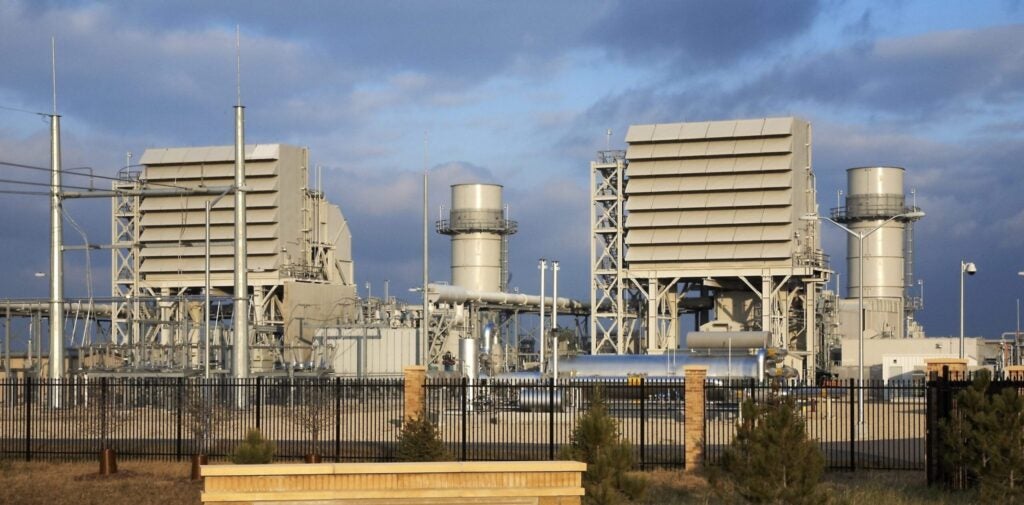
To meet this demand, developers are advancing a new wave of gas-fired generation and infrastructure projects. Yet one constraint continues to shape execution outcomes across the sector, and that’s access to skilled construction labor at scale.
COMMENTARY
The Labor Challenge
The power sector is not alone in facing workforce constraints. Petrochemical, liquid natural gas (LNG) and midstream projects (many concentrated along the U.S. Gulf Coast) compete for the same highly specialized craft labor. According to the Associated Builders and Contractors (ABC) 2026 workforce analysis, the U.S. construction industry needs to attract an estimated 349,000 additional workers annually to meet demand. In 2027, the industry will need to bring in 456,000 new workers to meet demand as construction spending growth is poised to resume for the first time in years.
For power projects, this shortage translates directly into schedule risk, cost escalation and execution uncertainty. This reality is shifting how owners evaluate construction strategies. On a recent behind-the-meter generation project supporting a data center, early engagement in engineering, constructability and detailed estimating has been critical. This front-end alignment enables informed equipment selection, identifies long-lead risks and integrates labor constraints into execution planning.
Workforce Strategy as a Project Differentiator
Power projects have long depended on subcontracted labor to meet construction demand. While this approach provides flexibility, it can also create inconsistency in workforce availability, safety execution and field productivity, particularly when labor markets tighten.
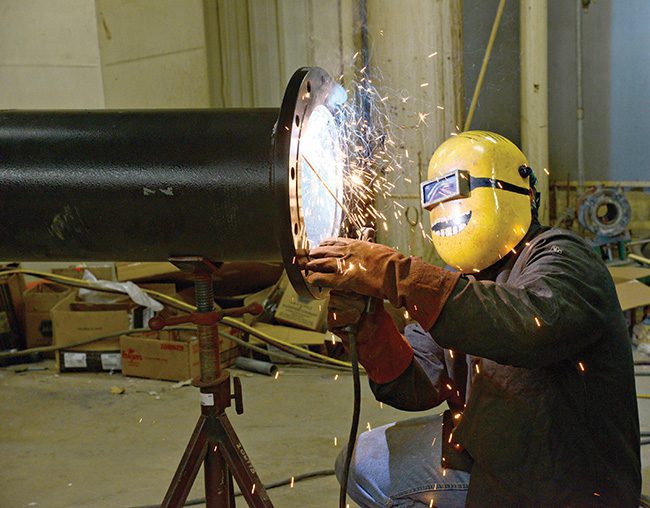
Under a direct-hire approach, the construction partner is responsible for recruiting, employing and managing craft labor, creating a more integrated and controlled workforce structure.
Experience across large industrial projects shows that greater workforce control leads to more predictable outcomes. This alignment strengthens execution by improving labor reliability, reinforcing a consistent safety culture and supporting more stable productivity in the field.
Consider the following:
Workforce certainty: Direct-hire contractors can build labor pipelines in advance, aligning recruitment with project schedules. This reduces exposure to sudden labor shortages during peak construction phases.
Safety performance: Power generation projects demand safe, stable and reliable execution in the field. A unified, direct-hire workforce operates under a single safety program, ensuring consistent expectations, training and accountability across the job site. At S&B, Human and Organizational Performance (HOP) principles are embedded into our management approach and field work processes, an approach still uncommon in contractor-led construction environments. This focus shifts safety beyond compliance and enforcement to designing work systems that anticipate error, build capacity and improve decision-making in the field—resulting in more consistent, reliable safety outcomes on complex power projects.
Productivity and efficiency: Standardized processes, consistent supervision, and aligned field leadership reduce variability. This is particularly important on large combined-cycle or simple-cycle builds, where craft productivity directly influences schedule adherence.
Schedule reliability: Control over staffing levels enables real-time adjustments to sequencing and execution strategies. In compressed project timelines, this flexibility becomes critical.
Megaprojects—Lessons Learned
Across petrochemical and gas-fired power projects, consistent success depends on disciplined workforce planning, strong field leadership and rigorous safety, especially in constrained labor markets.
Projects executed during the COVID-19 pandemic highlighted the importance of workforce strategy in maintaining predictable outcomes amid labor disruptions, evolving safety requirements and external challenges such as severe weather. Despite these pressures, many large-scale programs were delivered safely, on schedule and within budget.
A key differentiator was the use of direct-hire construction models, which provide greater control over workforce continuity, productivity, and safety performance. Projects relying heavily on fragmented subcontracting often struggled to maintain stability, while direct-hire approaches enabled faster adaptation, consistent safety enforcement and sustained productivity.
These lessons remain directly relevant to today’s power construction environment, where workforce availability, safety and execution certainty continue to be critical factors.
A Strategic Shift in Project Delivery
The industry is at an inflection point. While demand for power infrastructure continues to rise, the labor market remains structurally tight. In this environment, project outcomes will be determined not just by design and financing but by the ability to secure, manage and optimize skilled labor.
Direct-hire construction offers a clear advantage in addressing this challenge. By aligning workforce strategy with project execution, developers can reduce risk, improve predictability and deliver critical power infrastructure with greater confidence.
—Steve Carter is vice president of Commercial at S&B, where he focuses on executing natural gas power generation projects for power producers. He brings a practical, execution-driven perspective to projects where schedule certainty and construction risk mitigation are critical to success. For more about S&B, visit www.sbec.com