In order to appreciate just how quickly risk solutions for data centers have evolved, consider the fact that three years ago, it was nearly impossible to appropriately insure a $20-billion campus. By 2026, it’s become a weekly conversation.
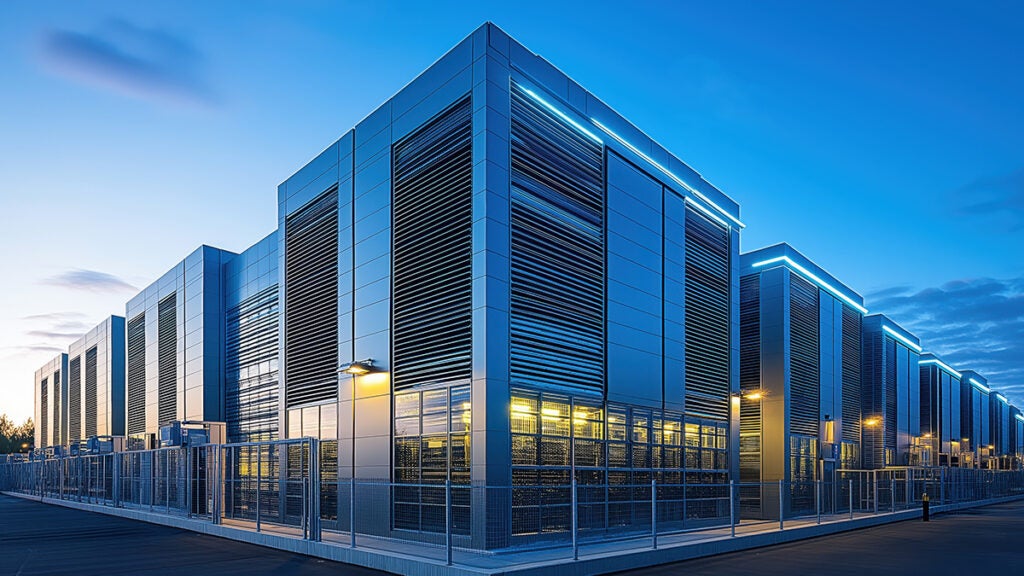
With more than $100 billion earmarked for new builds in 2026, data centers represent the construction sector’s single largest revenue opportunity. Compressed timelines, grid constraints, surging rack densities, and the pursuit of on-site power generation are creating a new kind of asset that is part power plant and part mission-critical facility—presenting a unique combination of exposures for data center developers and operators.
COMMENTARY
Power certainty has become foundational to financing these projects. Lenders and equity partners increasingly want executed power purchase agreements—or at least firm interconnection commitments—before capital is fully committed or deployed. It’s therefore not surprising that in today’s market, site selection for data center projects is often dictated by the fastest route to sufficient electricity.
The quantification of “nat-cat” risks for these sites is as crucial as determining which type of power will be utilized to achieve “five nines” availability. Early-stage probabilistic modeling and engineering review by a trusted partner become essential, as they translate “where we can get power” into “what the insurance market will actually support” in terms of capacity, pricing, deductibles, and sublimits.

DPX is the only event programming the actual decision points between the power and data center industries — where contracts, interconnection, and self-supply choices being made now will determine which AI-scale projects come online, and when.
View Conference Program
Site selection, power availability, and insurance solutions need to be aligned in the early stages of data center development so the risk is financeable and insurable on predictable terms, rather than re-traded late in the process when deadlines and capital expenditure pressure are highest.
Power Move: Why Your Choices Matter to Insurers
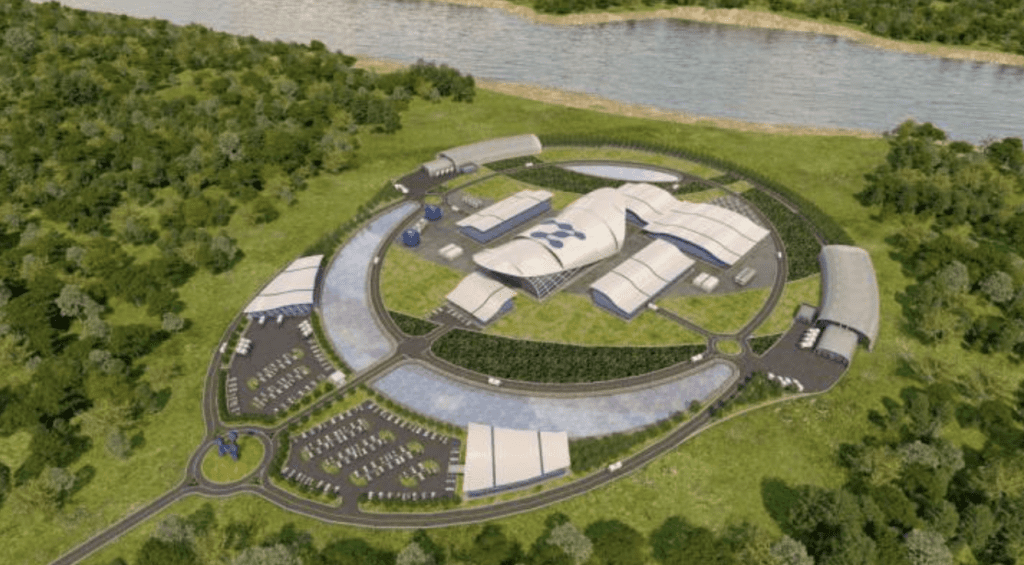
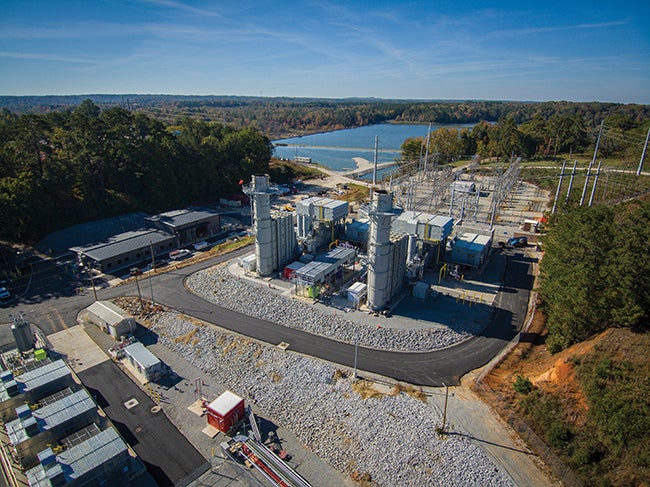
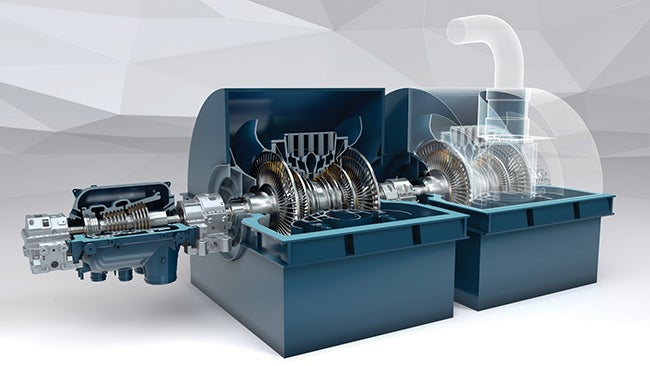
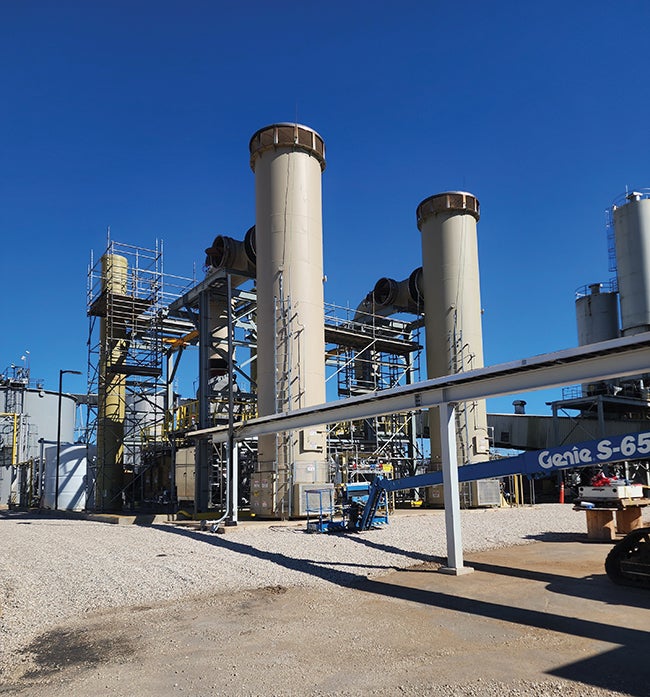
Data centers are no longer “grid-only” consumers. Many operators are exploring on-site or dedicated power-generation solutions as a means of mitigating grid constraints. While some have embraced natural gas or renewables, others are looking to nuclear power or turbines. Battery energy storage systems (BESS) are an increasingly popular means to stabilize loads during peak demand.
Each of these options can introduce exposures that do not fit neatly into traditional property policies. A multifaceted approach is required from both brokerage and carrier standpoints to fully understand and address the complexities involved.
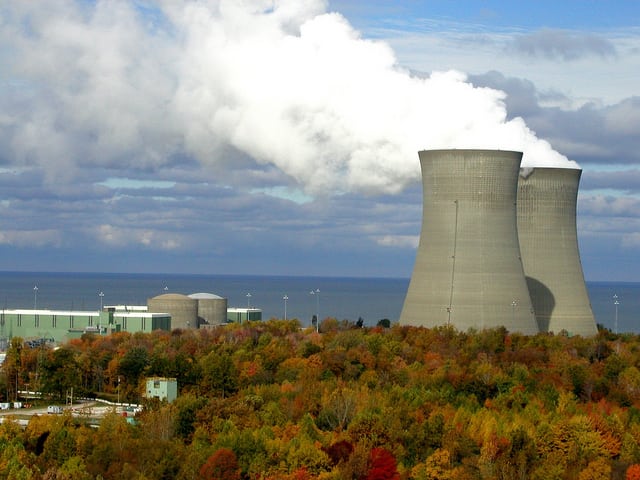
Consider, for example, the growing use of nuclear power, which currently provides roughly 20% of electricity for U.S. data centers. When nuclear power is harnessed properly, it has the potential to be one of the safest options and one of the most reliable.
Particularly for data center developers planning to utilize nuclear power, it’s crucial to engage an experienced risk management partner early in the process. Without utilizing experts to assess your risk profile and explain those critical details to insurers, developers risk running into considerable insurability challenges.
Transport & Storage: Protecting Your Assets
The transportation and storage of high-value equipment are also creating unseen exposures for data center developers.
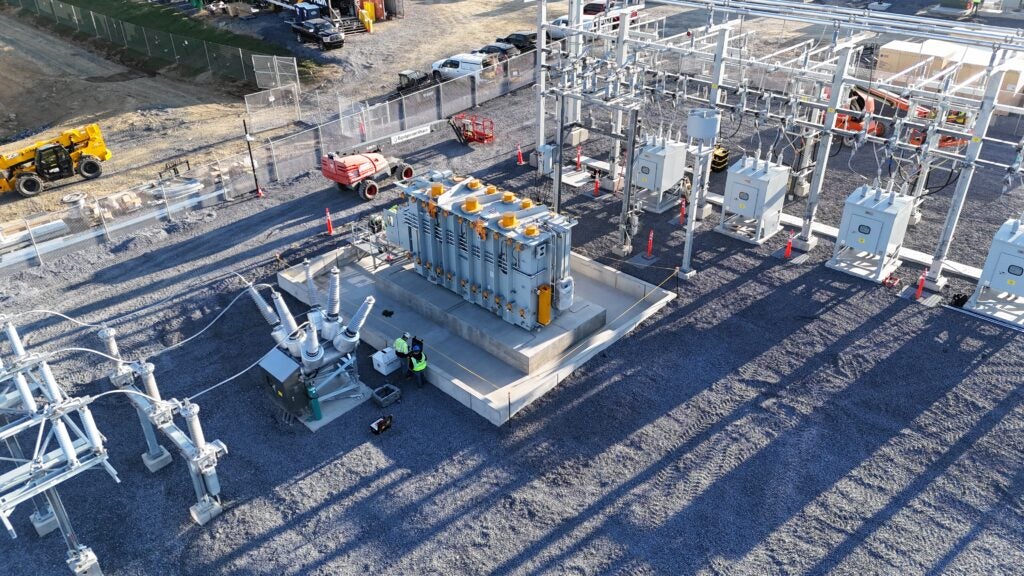
Critical equipment such as transformers, turbines, and switchgear continues to carry lead times of 12 to 18 months, meaning that procurement failures can cascade and delays costing multiple millions of dollars per day in lost data center revenue aren’t covered without specific language around delays in startup (DSU).
Stockpiling these types of assets can be equally risky. It’s not unusual to see concentrations of equipment valued in the hundreds of millions stored in warehousing facilities that the developer doesn’t own or control. Many of these facilities’ owners won’t assume the risk of loss for the equipment; rather, it’s the owner’s responsibility to insure against theft or damage.
Another major concern is transportation. When it comes to moving this type of valuable equipment, data center developers can either pay a premium and work with a reputable, large-scale national carrier, or they can rely on freight brokers to handle the task. Those who choose the latter face significant liability gaps: a small operator simply cannot insure loads worth $500 million. In these cases, many developers have unknowingly assumed liabilities.
Moving Forward
There are many existing insurance solutions that can mitigate the property, power, infrastructure, and other risks faced by data centers. What’s “new” is how those exposures converge in these massive, highly complex, rapidly constructed locations.
A truly holistic risk management approach requires specialty teams across every one of these areas, all working together in coordination to drive results. A real estate-heavy solution alone isn’t necessarily the answer; a power-focused solution will likely miss critical elements. Leveraging expertise across all these disciplines—and leaving nothing to chance—is essential in ensuring that your investments are protected.
—Tom Harper is managing director of the Data Center Practice at Gallagher, one of the world’s largest insurance brokerage, risk management, and consulting firms.