Meeting growing energy demand while reducing greenhouse gas (GHG) emissions is one of the most critical challenges facing our world today.
The scope of this challenge is evident in considering the outlook for energy demand over the next two decades alone: Global energy demand in 2030 is expected to be about 35% higher than it was in 2005, even assuming significant gains in efficiency. Most of this demand increase will be in developing countries, where economies and populations are growing most rapidly and a broad transition to more modern standards of living is occurring.
To meet this demand, we will need to develop all commercially viable energy sources, including nuclear, renewable, and alternative fuels. Yet fossil fuels will remain indispensable, continuing to account for around 80% of total energy in 2030.
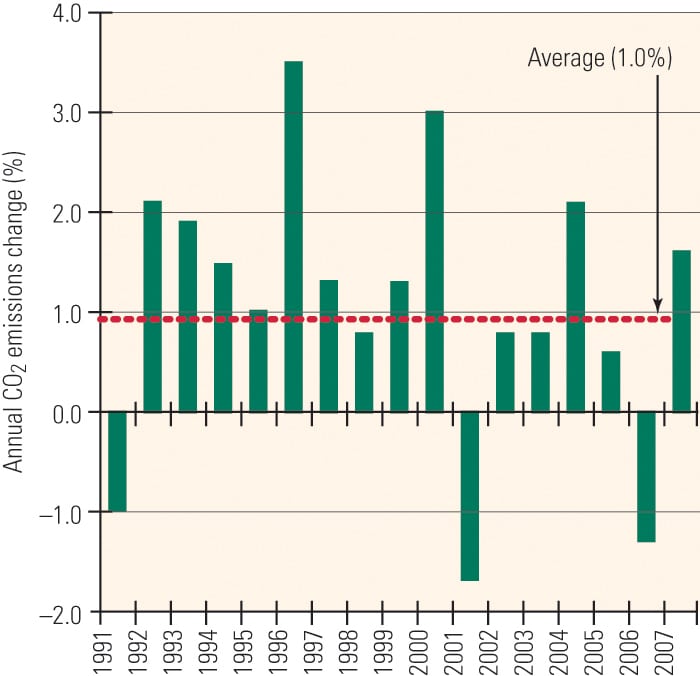
Just as global demand is increasing, so too are GHG emissions associated with energy use. Globally, energy-related carbon dioxide (CO 2) emissions are expected to rise through 2030, by an average of 1% a year. Reflecting the enormous growth in countries that are not members of the Organisation for Economic Cooperation and Development, China’s CO 2 emissions will be comparable to the combined emissions of the U.S. and Europe by 2030.
Action Is Needed
Managing the risks from rising GHG emissions is an important concern, and one that ExxonMobil is committed to taking an active role in addressing.
We are taking action by reducing GHG emissions in our operations, helping consumers reduce their emissions, supporting research into technology breakthroughs, and participating in constructive dialogue on policy options with nongovernmental organizations, industry, and policy makers.
Since 2004, we have invested more than $1.5 billion to improve efficiency and environmental performance at our facilities worldwide, and we will spend at least half a billion dollars on additional initiatives over the next few years.
These actions are producing concrete results. Through efficiency actions implemented in 2006 and 2007 — including cogeneration and reductions in natural gas flaring — ExxonMobil reduced its GHG emissions by about 5 million metric tons in 2007, equivalent to removing about one million cars from U.S. roads.
Taking a Strategic Approach
Looking to the future, it is clear that continued advances in technology will be essential to reducing GHG emissions growth. At ExxonMobil, our strategy is twofold. First, we’ve developed a variety of technologies available today to improve efficiency, such as tire liners that keep tires inflated longer, advanced-fuel-economy engine oil, and lightweight automobile plastics.
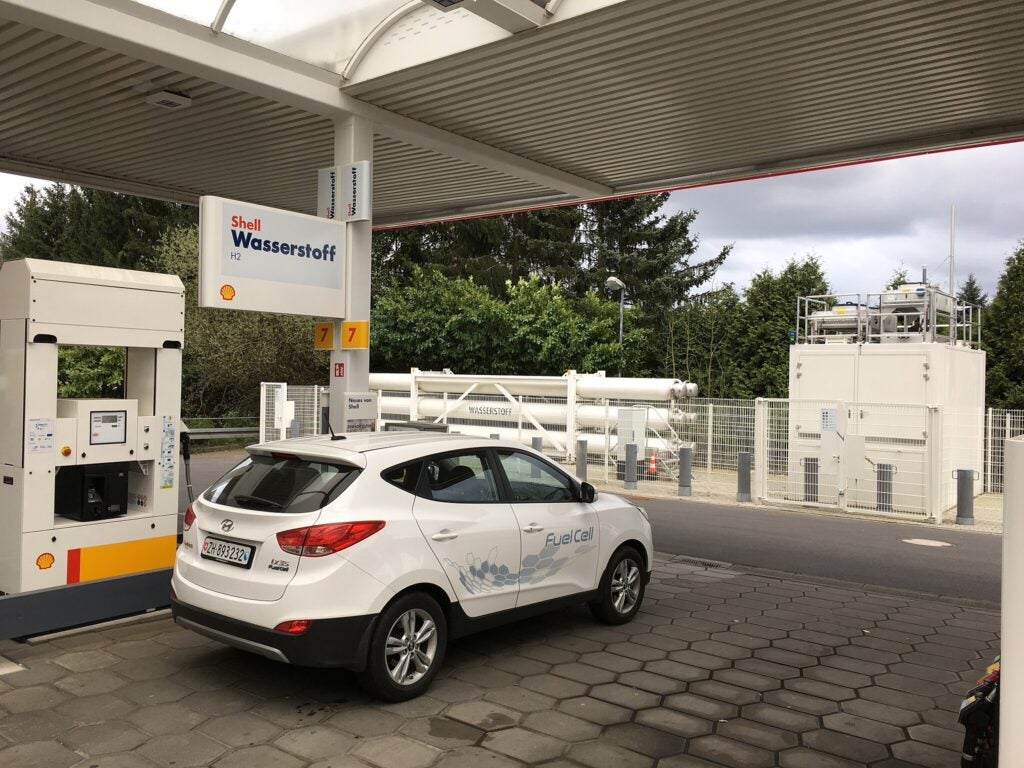
Second, we are working on new mid- and longer-term technologies that address the need for both improved fuel economy and reduced emissions. For example, we developed an improved lithium-ion battery separator film that could help enable the next generation of hybrid electric cars. We are working on a new engine technology called homogeneous charge compression ignition that could improve fuel economy by 30%, and researching a way to generate hydrogen on-board vehicles to power fuel cells, which could improve fuel economy by 80% and reduce emissions by 45%.
We also are investing more than $100 million in a new technology for separating CO 2 from natural gas, which could help commercialize some applications of carbon capture and storage. And we are sponsoring next-generation breakthrough research into ways to make alternatives such as solar and biofuels more available and affordable.
A Framework for Policy-Making
Increasingly, policy makers around the world are considering policy options to address the risks of climate change. Many thoughtful proposals have been put forward, and ExxonMobil will continue to be a constructive participant in these dialogues.
There are a number of principles that guide our thinking on the different options that governments can consider. In general, ExxonMobil believes the best policies are ones that maximize the use of markets, in part because markets are best at selecting and deploying new technologies.
Also, we believe that a uniform and predictable cost for carbon across the economy will enable market mechanisms to work effectively. Uniformity ensures economic efficiency — that is, getting the biggest reduction in emissions for the lowest cost.
Much debate is focused on how to create a market price for carbon and how best to use this market signal to drive change globally. This point is critical. Given the global nature of the challenge and the fact that developing countries will account for a significant portion of emission increases, any policy framework must encourage global engagement.
Administrative simplicity and transparency — for companies and consumers — also are essential to ensure market signals and market responses do in fact result in lower emissions.
Finally, any sound policy must continue to adjust as climate science develops and we see the impacts of climate policy on the economy.
A Shared Global Challenge
Access to affordable, reliable supplies of energy is a prerequisite for economic growth and development around the world, so all with an interest in energy issues — industry, governments, and consumers — must work to address the challenge of mitigating growth in GHG emissions. ExxonMobil is committed to continuing to play a constructive role in helping to address both aspects of this global energy challenge.
—Kenneth P. Cohen is vice president of public affairs for ExxonMobil Corp.