
It’s tempting to think the transition to cleaner homes depends entirely on better technology or larger government incentives. Those certainly matter. But history suggests something else matters just as much: Making the cleaner option easier to understand, easier to finance, and easier to buy.
The automobile industry offers perhaps the clearest example. Electric drivetrains existed long before Tesla became a household name. Further, Tesla demonstrated that consumers would drive electric vehicles and embrace an entirely different ownership experience. Rivian reinforced that lesson for trucks and adventure vehicles.
COMMENTARY
Now, one of America’s oldest automobile manufacturers, Ford, is validating it by bringing those expectations into the mainstream with a more affordable offering. And they’re doing so amid the disappearance of consumer incentives to buy EVs and a steady fall in demand nationwide.
On paper, Ford picked a strange moment to introduce an affordable EV. In addition to dwindling demand and incentives, headlines and policy makers increasingly question whether America’s electric transition is fading into the rearview mirror. But I don’t think this decision is really about EVs or balance sheets at all. It’s about consumer expectations.
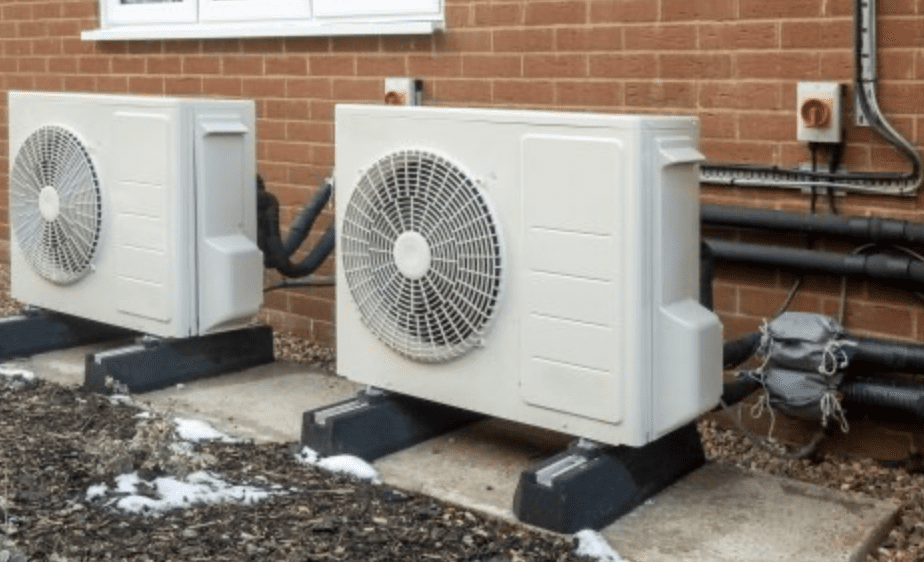
We’re seeing the same thing play out in residential heating and cooling—heating, ventilation, and air conditioning, or HVAC.
Today, deciding how to heat a home is increasingly an energy decision, an economic decision, and a climate decision all at once. Heat pumps have evolved into highly efficient systems capable of heating and cooling homes across much of North America while lowering emissions and, in many cases, reducing long-term operating costs. The technology has improved dramatically. But the customer experience has barely changed.
Driving Past a Real and Enduring Obstacle to Electrification
In car buying and, soon, HVAC, I believe the days of hidden fees and haggling are ending. Ford’s launch of Fathom signals to me that they get this. And it’s why I think they’re capitalizing on the bar that Tesla, Rivian, and other digital-first, transparently priced car companies have set.
Success in both sectors will undoubtedly take years and require navigating roadblocks ranging from swift (finding a good supplier) to potentially fatal (not being able to offload last year’s fleet). On the bright side, the company known for toughness and Super Duty is betting affordable EVs will bring revenue and lifelong customers.
Ford, along with other incumbents, have Tesla and Rivian to thank for that.
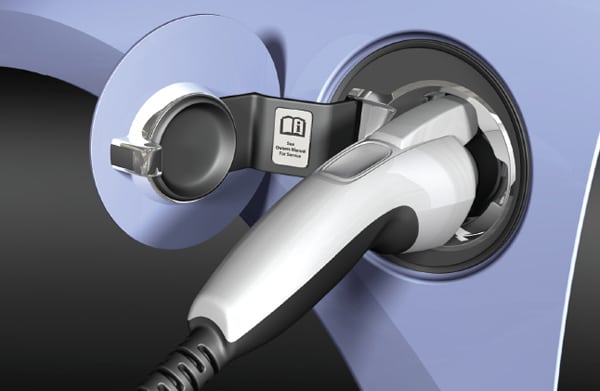
In addition to manufacturing EVs that can compete with gas-guzzling rides without breaking the bank, these upstarts replaced a rusting haggling process with transparent pricing. Online ordering replaced entire days or afternoons spent kicking rocks in dealership lots. Apps became part of ownership (day-to-day and for those ‘let’s see what the manual says’ moments). Charging infrastructure matured to become available and ready the moment a consumer buys an EV.
And not a moment too soon. Once customers experience a simpler way of buying, they rarely accept going backward. Which brings us back to one of North America’s least glamorous, but most important industries: HVAC.
HVAC systems represent one of the largest investments most homeowners will ever make. Homeowners routinely collect estimates that vary by thousands of dollars for seemingly identical systems. Equipment recommendations often differ dramatically depending on which contractor walks through the front door. Financing is typically introduced at the end of the conversation instead of the beginning. Pricing remains opaque. Timelines are uncertain.
Most consumers make five-figure decisions while understanding very little about the equipment they’re actually purchasing. That might have been acceptable when replacing a furnace was simply another home maintenance expense. Not anymore.
A Story Worth Repeating
In the U.S., we’ve seen this over and over. In retail, Amazon permanently changed expectations around pricing, convenience, and delivery. In streaming, Netflix rendered waiting for scheduled programming obsolete and unnecessary. Apple fundamentally changed what consumers expected from smartphones and other devices in their pocket.
In each case, startups forced incumbents to compete on customer experience just as much as on the product itself. Eventually, the incumbents followed because consumers, not competitors, left them little choice.
That’s why I think the next breakthrough in home electrification will be introducing a radically different way (read: affordable, transparent, and straight forward) of buying greener solutions like heat pumps.
Imagine replacing your home’s heating system the way you buy almost everything else today. You pull up options on your phone in seconds instead of waiting weeks for multiple consultations. Your home’s energy needs are assessed using digital tools and existing property data. Pricing is transparent from the start.
Financing appears alongside the equipment. Scheduling installation is a breeze, not a headache. Energy savings are conveyed in plain language and simple graphics rather than buried inside Apple iOS-length terms and conditions. The process feels less like negotiating a custom construction project and more like purchasing a modern consumer product.
If you’re skeptical, I get it. But, remember, buying a vehicle online seemed like a distant future only a decade or so ago.
Things move quickly when incumbents feel the pressure or embrace change. In HVAC, there’s an opportunity to follow the latter path. Market share is spread so widely, moving from fossil fuel systems to heat pumps can happen without undercutting contractor business or stealing customers.
If we get it right, I believe the opportunity extends well beyond homeowners. Contractors gain more predictable demand and better-qualified customers. Utilities can accelerate electrification without asking consumers to become energy experts. Manufacturers gain access to a much larger market. Most importantly, households gain confidence that making the cleaner choice doesn’t require navigating an unnecessarily complicated process.
That’s ultimately how system-level change happens.
If Tesla and Rivian can push the automotive industry to reinvent the experience of buying a car and guide the economics toward affordability with vehicles like Ford’s Fathom, then the home services industry can reinvent the experience of upgrading the systems that power our homes.
When we reach that level of exposure to cost transparency and energy benefits, electrification will feel less like a sacrifice, a financial free dive, or a leap of faith. It will be the obvious choice.
—Stephen Lake is co-founder and CEO of Jetson Home, a home electrification company. Lake first gained entrepreneurial success co-founding North Inc. (formerly Thalmic Labs), where he developed augmented-reality and wearable-tech products before selling the company to Google.