For most Americans, electricity is so woven into daily life that we rarely consider what its absence means. Hospitals depend on it to preserve medicines and operate equipment. Schools, factories, farms, and businesses depend on it to function. Reliable electricity is one of the foundations of a modern economy.
COMMENTARY
Yet 655 million people worldwide still live without access to electricity, according to the latest global assessment released in 2026. And those figures do not fully capture communities where electricity is unreliable, unaffordable, or insufficient to support industrial development and sustained economic growth.
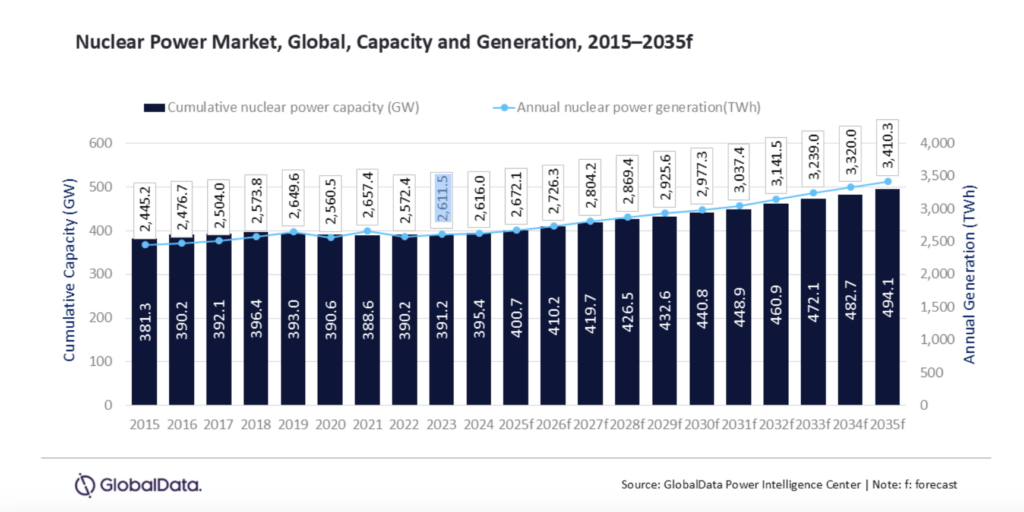
At the same time, global electricity demand is accelerating. The International Energy Agency projects demand to grow by an average of 3.6% annually through 2030, with emerging and developing economies accounting for nearly 80% of the increase. Industry, air conditioning, transportation, and data centers are all adding to the need for power.
Countries facing that growth will not wait indefinitely. They will look for partners that can help them build the energy systems they need.
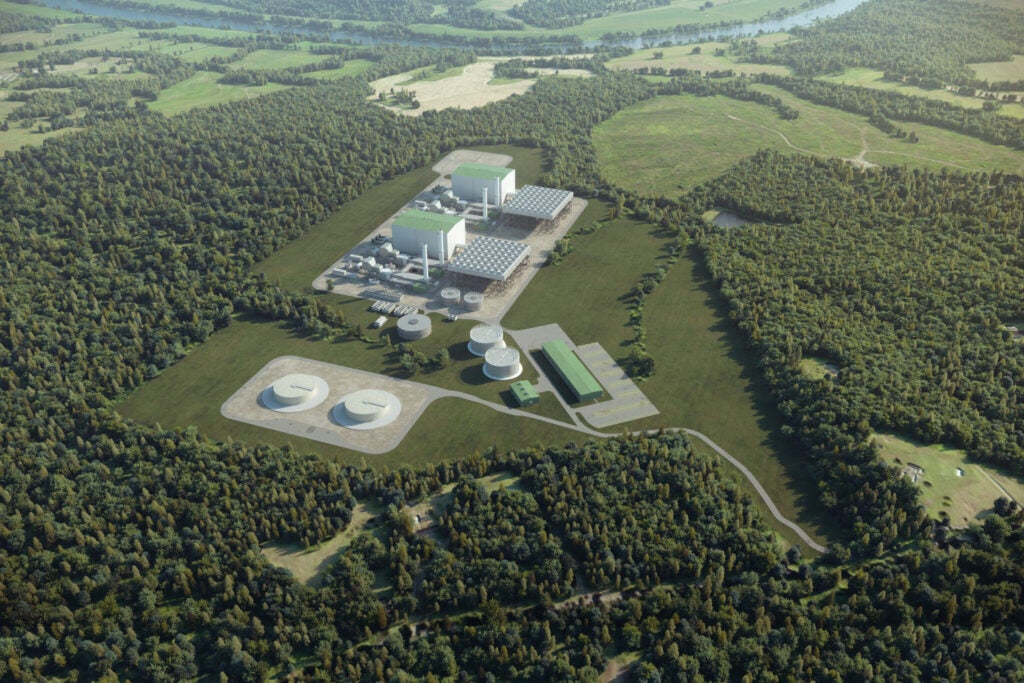
Small modular reactors (SMRs) could become an important part of that equation.
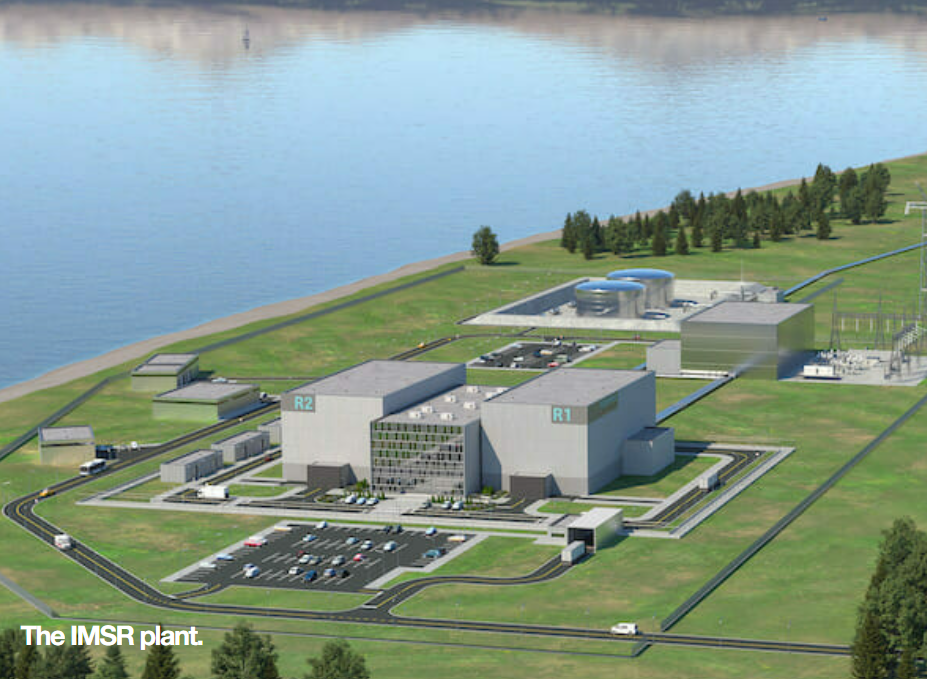
SMRs are smaller nuclear reactors that can be better suited to countries with smaller electricity systems and can allow utilities to add generating capacity incrementally as demand grows.
Their promise goes beyond size. Greater standardization and modular construction could reduce some of the barriers that have historically limited nuclear power to the largest electricity systems and economies.
But an SMR is unlike other generating equipment.
A country cannot responsibly purchase a reactor and build the institutions around it afterward. Nuclear power requires an effective regulator, appropriate laws, trained operators, and engineers, safeguards, physical security, emergency planning, suitable sites, fuel arrangements, waste management, and a financing framework capable of supporting a project for decades.
For countries considering nuclear power for the first time, developing these institutions can be as consequential as selecting the reactor itself.
That is why the State Department’s Foundational Infrastructure for Responsible Use of Small Modular Reactor Technology program, known as FIRST, deserves strong American support.
FIRST helps partner countries develop the institutional foundation necessary to pursue nuclear energy under high standards of safety, security, and nonproliferation. It begins years before the sale of a reactor, when governments are determining whether nuclear power makes sense, what technologies fit their grids, how projects might be financed, and what laws, regulations, and technical capabilities they must put in place.
Many countries interested in nuclear energy today are years away from being ready to purchase an American reactor. That does not mean the U.S. can afford to wait until they are ready.
Nuclear relationships are built long before procurement begins. Regulatory frameworks are established. Engineers are trained. Sites are evaluated. Financing relationships develop. Technical standards, fuel strategies, and licensing philosophies take shape.
If the U.S. is absent during those formative years, other countries will not wait for us. Russia and China actively offer nuclear technology together with financing, training, and long-term government-to-government relationships. Countries seeking nuclear power may enter those ecosystems years before they are ready to build a reactor.
Once they do, changing course becomes far more difficult.
The pathway a country follows in developing its nuclear program has consequences for safety, security, transparency, and nonproliferation. Countries that work with the U.S. from the beginning are exposed to a licensing and regulatory culture built around independent oversight, rigorous safety requirements, safeguards, and transparent institutions.
Engaging countries early therefore gives the U.S. an opportunity to shape not only which technologies ultimately compete, but how nuclear programs themselves are developed.
Strong safeguards, independent regulation, transparent procurement, and rigorous safety standards reduce risk. They give governments greater confidence in their nuclear programs and provide responsible companies, lenders, and investors with a stronger foundation on which to participate. FIRST places those principles at the beginning of the decision-making process rather than treating them as requirements to be addressed later.
The U.S. has deep capabilities across the nuclear sector. But American companies cannot expect to compete successfully if they enter a market only when a government is ready to sign a reactor contract.
By then, some of the most consequential choices may already have been made. Regulatory requirements may reflect another country’s technology. Engineering work may have been designed around another supplier. Workforce training, financing arrangements, and fuel strategies may already point toward a particular nuclear ecosystem.
Programs such as FIRST allow the U.S. to engage countries while those decisions are still being made. They help governments build the capacity to evaluate competing technologies and financing arrangements while creating a pathway from initial interest to feasibility, engineering, financing, and ultimately investment.
At the United States Energy Association (USEA), we have spent decades bringing American energy expertise together with governments and utilities around the world. We have seen that durable energy partnerships are built long before equipment is purchased. They begin with technical cooperation, trusted institutions, and relationships among the people who will ultimately plan, finance, regulate, build, and operate energy infrastructure.
A reactor may operate for 60 years or more, and during that time countries may depend on outside partners for fuel, components, engineering expertise, software, maintenance, and other services. Choosing a nuclear technology can therefore mean choosing a network of strategic, commercial, and technical relationships that lasts for generations.
For the U.S., helping countries build secure and responsible nuclear programs advances several interests at once. It promotes high standards of safety and nonproliferation. It creates opportunities for American technology and expertise. And it gives those governments an alternative to nuclear development models offered by Russia and China.
The world needs considerably more electricity. Hundreds of millions of people still have none, while emerging economies are preparing for unprecedented growth in demand.
Those countries will find partners to help them meet it.
The strategic question for the U.S. is whether we begin building those partnerships while countries are still deciding what their nuclear future will look like—or arrive after those decisions have already been made.
With advanced nuclear technology, an extraordinary private sector, and programs such as FIRST, the U.S. has the opportunity to engage early.
We should take it.
—Will Polen is the senior director of the USEA.