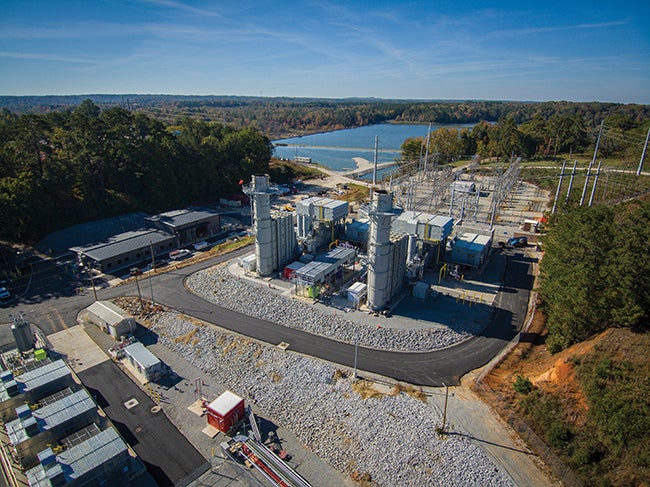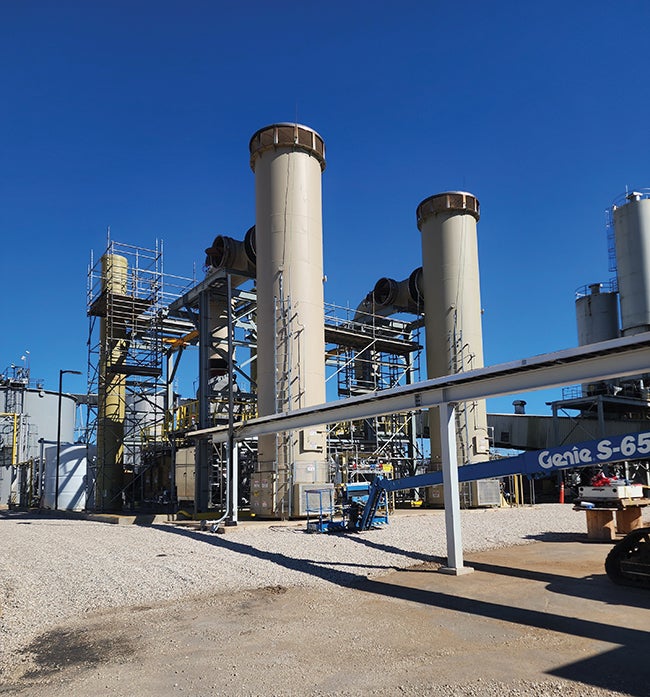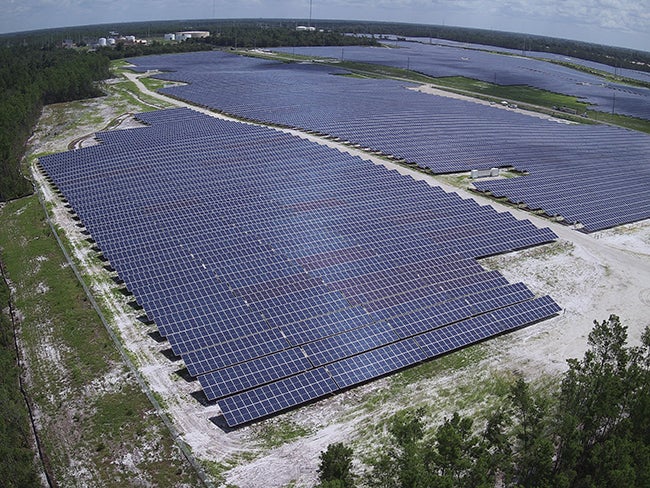
The systems used to design, operate, manage and insure energy infrastructure are struggling to keep pace with the rapid buildout of new power capacity, according to a new report by commercial property insurer FM.
The FM Power & Renewables Report examines how the rapid expansion of power infrastructure, driven by artificial intelligence (AI), data centers, electrification and the energy transition, can create risk across the full lifecycle of energy assets. The report covers technologies ranging from battery storage and renewables to gas generation and potentially small modular reactors.
Taken together, the results underscore the need for strong engineering insight from the very earliest stages of a project: 85% of respondents agree that this insight can improve stability, insurability and investor confidence.
“Energy companies are under enormous pressure to add capacity quickly, but speed can lock risk into an asset before construction even begins,” said Doug Patterson, senior vice president, division manager, specialty industries at FM. “The biggest resilience decisions are often made when sites, technologies and equipment are selected. Engineering should be part of those decisions early, while there is still time to identify vulnerabilities and engineer out risk.”
Power Buildout Moving Faster Than Risk Playbook
FM surveyed 750 energy sector risk decision-makers, 150 insurance brokers and 150 financiers globally. The research found that 59% of energy companies identify new-technology adoption as a leading cost-of-risk driver. At the same time, 39% plan to increase small modular nuclear reactor (SMR) capacity over the next three years.
Many emerging technologies have limited operating history at scale, creating uncertainty about how they will perform under operating conditions. Nearly half (46%) of energy companies surveyed are uncertain how new technologies will perform under real-world stress, particularly in hybrid applications.
Resilience Gap Becoming Financial Problem
Uncertainty about resilience is affecting project economics. Energy providers say it results in increased construction costs (51%), increased insurance costs (46%) and reduced return on investment (40%), while 39% say it makes projects less attractive to investors.
Notably, financiers also estimate the cost of risk higher than energy providers across a range of categories, suggesting that those financing the power buildout perceive greater risk than those developing it.
Engineering Needs to Move Upstream
Many of the decisions that determine an asset’s resilience are made before traditional insurance placement. More than three-quarters (78%) of energy companies say site-selection decisions frequently create downstream exposures that were not anticipated at the time.
These findings point to a broader role for engineering as power systems change. For brokers and their clients, the value of an insurer increasingly extends beyond transferring risk after a project has been designed. Engineering expertise can help identify, quantify and reduce risk while critical site, technology and design decisions can still be changed.
Brokers see particular value where uncertainty is greatest. They say insurer-provided engineering expertise is most valuable for new or first-of-kind technologies (71%), construction projects (67%) and projects in catastrophe hazard regions (67%), areas where historical loss data and established risk models may be least reliable.
—This content was contributed by FM, a mutual insurance company whose capital, scientific research capability and engineering expertise are solely dedicated to property risk management and the resilience of its policyholder-owners.