Power plants have largely optimized individual assets. The next opportunity lies in how assets, resources, and operating decisions work together.
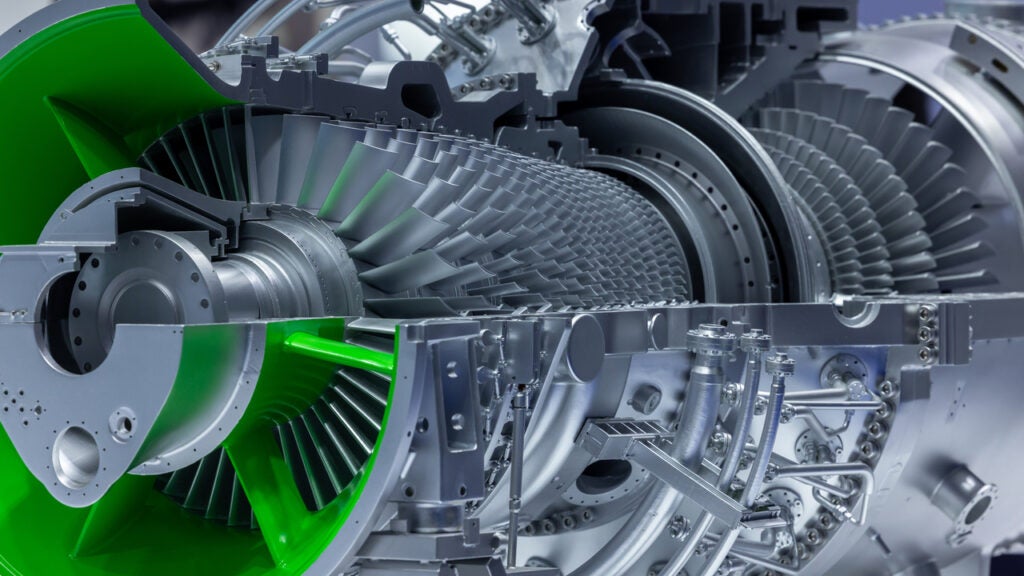
Power producers are experts at optimizing equipment. Decades of advancement in engineering and operating practices have improved the performance of gas turbines, pumps, steam systems and other critical assets. Operators can measure unit-level performance in extraordinary detail and continuously improve.
COMMENTARY
However, there is a limit to what asset-by-asset optimization has limits. Even a plant where every major piece of equipment is performing exactly as intended can still be leaving value on the table because the best operating point for an individual asset may not be the best operating point for the system.
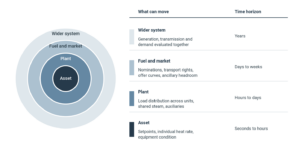
Power producers looking for the next significant leap in operational excellence won’t find it by continuing to optimize their individual assets. They will find it by considering their interactions and by looking beyond individual assets to the broader decisions that shape plant performance, including resource planning, fuel decisions, maintenance, and operational dispatch.
The Sum of the Best is Not Always the Best of the Sum
Traditional optimization methods draw a boundary around the variables to be changed and treat externalities as fixed boundary conditions. However, in an integrated plant, many of those boundary conditions are not truly fixed.
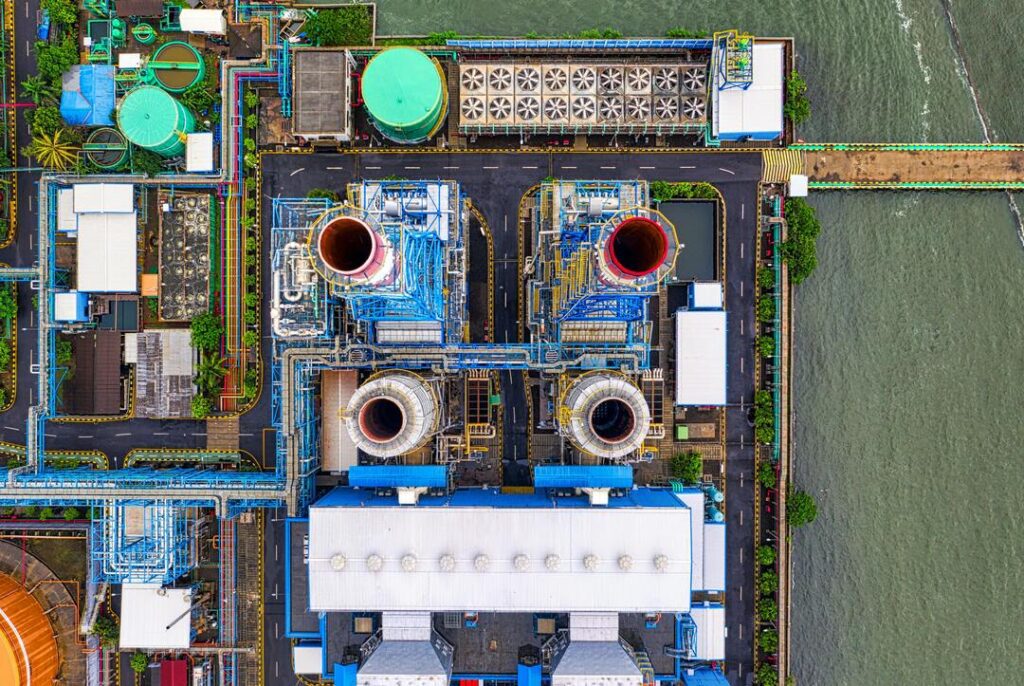
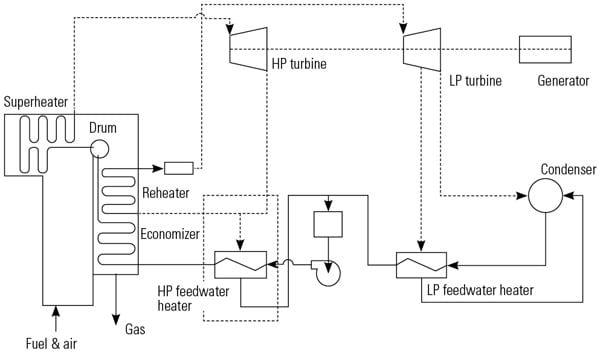
Consider a plant with multiple gas turbines and a shared steam infrastructure. At the unit level, operators may aim to minimize the heat rate of each turbine. At face value, this makes perfect sense, but the reality is that these units do not operate independently: load distribution affects the shared steam system and other plant equipment. Fuel requirements, auxiliary loads, maintenance availability and dispatch commitments could all be at play.
In this example, because there are strong interdependencies, optimizing assets separately can produce a collection of local optima some of which cancel out rather than the best plant-level outcome.
Redistributing load across units may move one turbine away from its individual optimum, but it might also improve total plant performance. Judged solely against the turbine’s heat rate, that decision could look inefficient. Judged against total station fuel consumption, it is the right call. The same logic extends beyond equipment to the decisions that determine how plants are supplied, scheduled, maintained, and operated.
Where the Boundary Should Move, and Where it Should Not
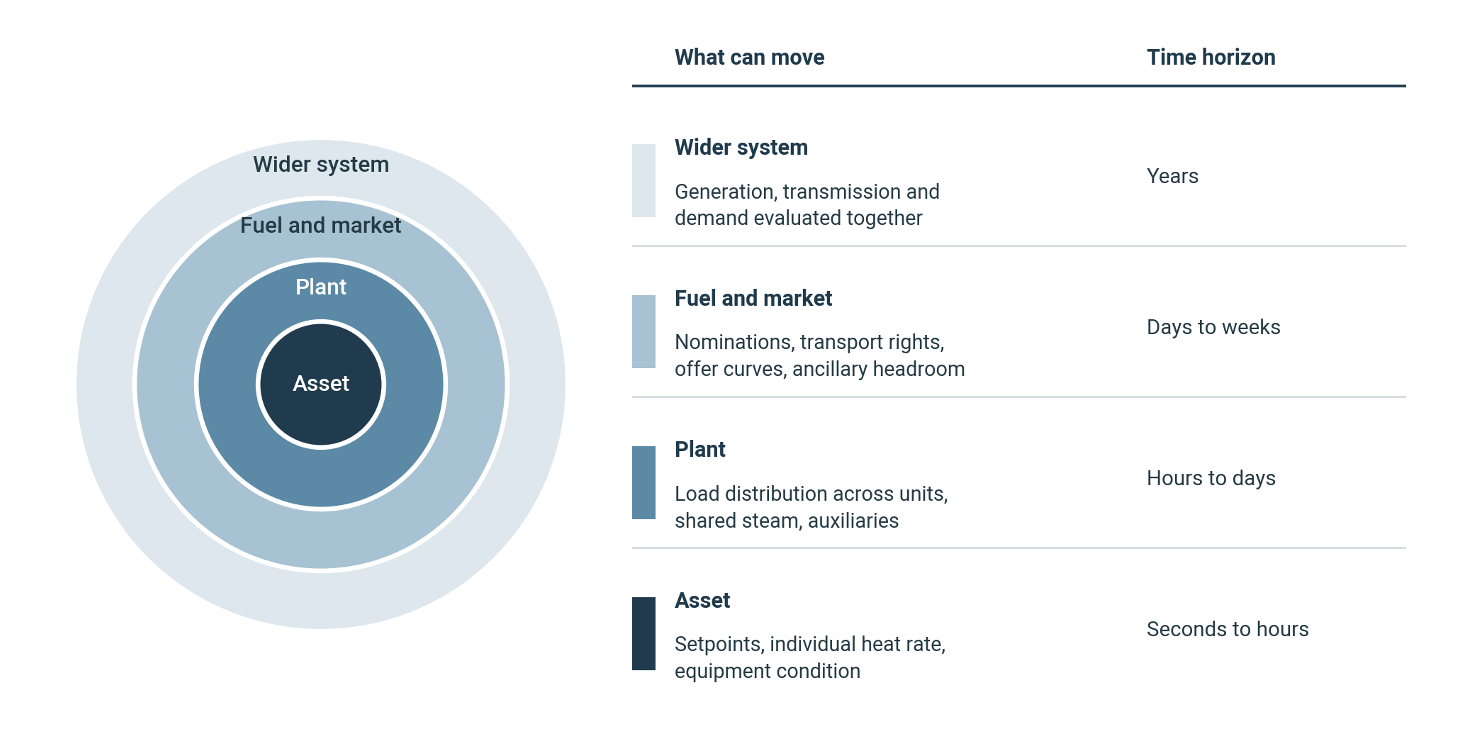
So is the answer to optimize everything together? Not quite. In practice, that approach is not always feasible nor necessary. Black & Veatch projects have demonstrated that the greatest opportunities for improvement exist where systems are most tightly interconnected, not necessarily where individual assets have the most room for improvement.
Some assets and systems are only weakly coupled. In those cases, local optimization can produce essentially the same result as a larger integrated model. Engineers should identify where interactions are strong enough to warrant expanding the boundaries. This requires an intimate understanding of both the physical system and the business.
Committing Fuel Before Dispatch is Known
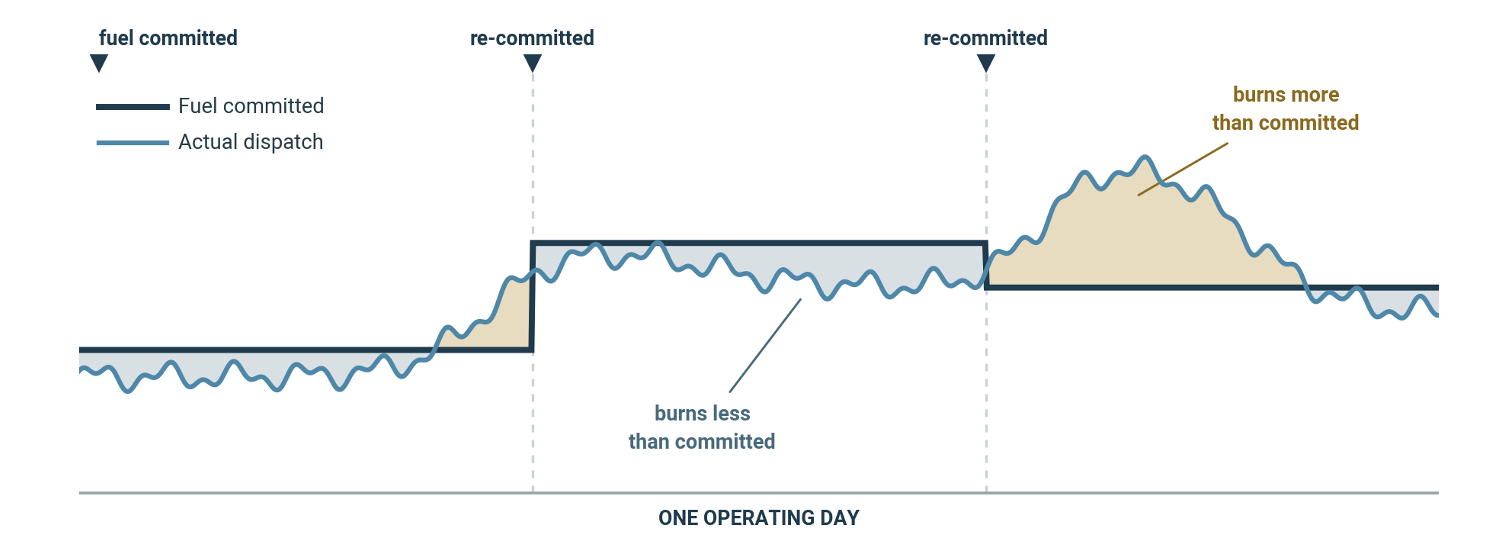
For a gas-fired plant, one important boundary condition sits upstream of the fence, where resource commitments are made before actual operating needs are known. A plant may commit fuel for the next operating period before there is certainty about how hard the plant will run. That decision can influence cost, flexibility, and the plant’s ability to respond when actual dispatch differs from the plan.
The decision clocks do not always match. Fuel may be arranged in discrete planning windows, while plant output can change throughout the day. When fuel supply, plant operations, and scheduling use different assumptions, the result can be excess cost, reduced flexibility, or exposure during stressed conditions.
The same idea appears in other forms of generation. Hydroelectric facilities decide when to use water stored in reservoirs; battery storage operators decide when to charge and discharge; while wind and solar plants depend on forecasts rather than fuel inventories. In every case, operators make momentary optimization decisions without considering how the operating conditions may change tomorrow.
An integrated model, on the other hand, can evaluate such commitments across a range of possible operating outcomes rather than relying on one expected base case. This helps the plant balance cost, availability, and flexibility without requiring a full-fledged market-trading exercise.
Connecting Plant Capability to Dispatch Decisions
A related gap appears when plant capability is translated into dispatch and operating commitments.
Plant commitments ultimately depend on physical capability: minimum load, ramp rate, startup requirements, ambient derates, and limits imposed by shared equipment. These are the same relationships an integrated engineering model is designed to represent.
Planning and dispatch assumptions may rely on simplified or static performance curves that do not fully reflect current plant condition or system interactions.
Reliability services illustrate the trade-off. A unit may hold some capability in reserve rather than convert all available capacity into energy output. Measured only on production or heat rate, backing down may look inefficient. Measured against the plant’s broader operating and reliability obligations, it may be the better system-level decision.
This is the same plant-level trade-off viewed across a wider boundary: a unit can look worse on its own metric while supporting a better result for the plant and the system.
Physics, Data and AI
Integrated optimization requires more of the system modeling effort, and several developments have made this practical. Plants now generate large volumes of continuous operating data, and computing resources can solve increasingly complex optimization problems at operational timescales. In addition, AI has the power to improve forecasts for changing inputs such as demand, equipment availability and energy costs.
But these technological innovations do not eliminate the need for robust modeling based on first principles. Thermodynamics, hydraulics, equipment performance and operating limits determine which solutions are possible. An optimization model that does not adequately represent those relationships may produce a mathematically attractive answer that is operationally meaningless. A first-principles model provide an extensible physical foundation, while operating data account for the drift between idealized prediction and actual behavior as equipment ages.
Consider a planned outage. An operator may want to know how removing one unit from service will change the configuration of the remaining plant. AI helps translate the operating question into the inputs the optimizer requires. Just as importantly, it helps explain the result: Which constraints became binding? What trade-offs drove the recommendations?
When Asset and Plant Metrics Conflict
Recommendations of this kind challenge conventional practice. When a plant judges a generating unit on its individual efficiency, asking operators to accept a worse unit-level number for a better station-level outcome creates real tension.
That is why integrated optimization eventually should become an organizational approach. Performance frameworks designed around individual assets and functions can unintentionally discourage decisions that benefit the larger system. Unit-level metrics remain essential for understanding equipment health, and operators also need measures that reflect the level at which the organization wants to optimize.
As optimization moves from the asset to the plant, and then across operations, resource supply, maintenance, and planning, the performance framework must move with it.
The Opportunity Begins Before the Plant Operates
There is an additional benefit to taking a system-level view, and it begins before equipment is installed. Equipment selection traditionally relies on pre-defined design specifications such as maximum output or peak demand to ensure that equipment can meet its required mission. However, these design specifications may represent a small subset of the conditions the asset will encounter throughout its operating life. During actual operations, plants cycle through different loads, ambient conditions change, equipment goes in and out of service, and market conditions alter how generating assets are dispatched. Therefore, equipment over-sized for an infrequent peak may spend much of its life operating sub-optimally.
Integrated optimization can provide a more representative and holistic better representation of the range of operating conditions well before procurement decisions are made – when design and procurement choices can still shape operating flexibility for decades.
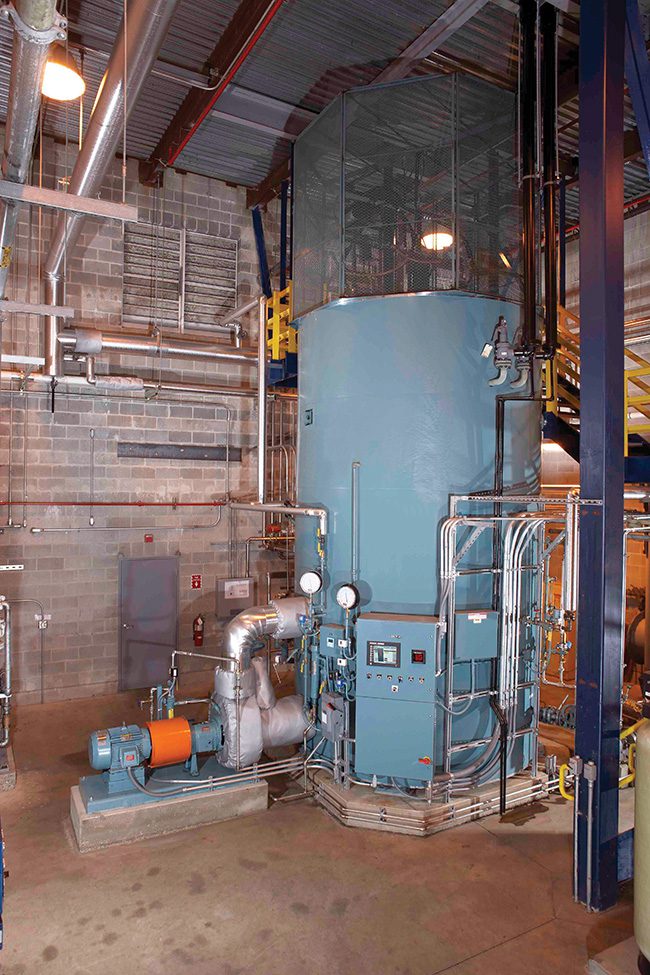
In power generation, heat recovery steam generator sizing and auxiliary steam-system capacity, for example, are sensitive to the plant-level optimization of shared systems. A design based solely on maximum output can produce a different specification than one informed by how equipment is expected to operate together across the plant’s actual operating range.
Reliability margins and required capacity remain essential. The integrated view adds another source of information to the engineering basis: how the system is expected to operate as a whole.
After equipment is purchased, optimization helps determine how to operate the assets available. But before procurement, the same engineering models can help determine which assets should be purchased in the first place.
The Next Optimization Boundary
Load growth, new resources, transmission constraints, and infrastructure timelines are becoming more interconnected, making decisions that were once evaluated separately harder to separate in practice. Large-load additions reinforce this point because future plant operation may depend on facilities, network upgrades, and customer projects that are still under development.
Power producers will continue improving turbines, pumps and other equipment, and those improvements will continue to matter. However, mature industries eventually encounter diminishing opportunities within established optimization boundaries. Achieving the next level of operational excellence will require challenging and changing these boundaries.
That change is threefold. First, integrated engineering models reveal the interactions among plant systems. Second, operational data keeps those models aligned with actual conditions. And third, AI makes complex optimization more accessible and its recommendations easier to understand.
Technology is advancing quickly, but the underlying principle is not new: the best-performing collection of individual assets does not automatically produce the best-performing system. Power producers looking for the next increment of efficiency will need to look beyond their already-optimized assets, and consider what happens between plant operations and among the resources, commitments, and wider systems that shape performance.
—Hani Elshahawi is Managing Director & Strategy Leader, Fuels & Natural Resources-Infrastructure Advisory, with Black & Veatch. Ramkumar Karuppiah is Managing Director & Optimization Solutions Lead-Infrastructure Advisory, with Black & Veatch.