The most consequential number in current American energy planning is one that nobody in the room where it gets made believes.
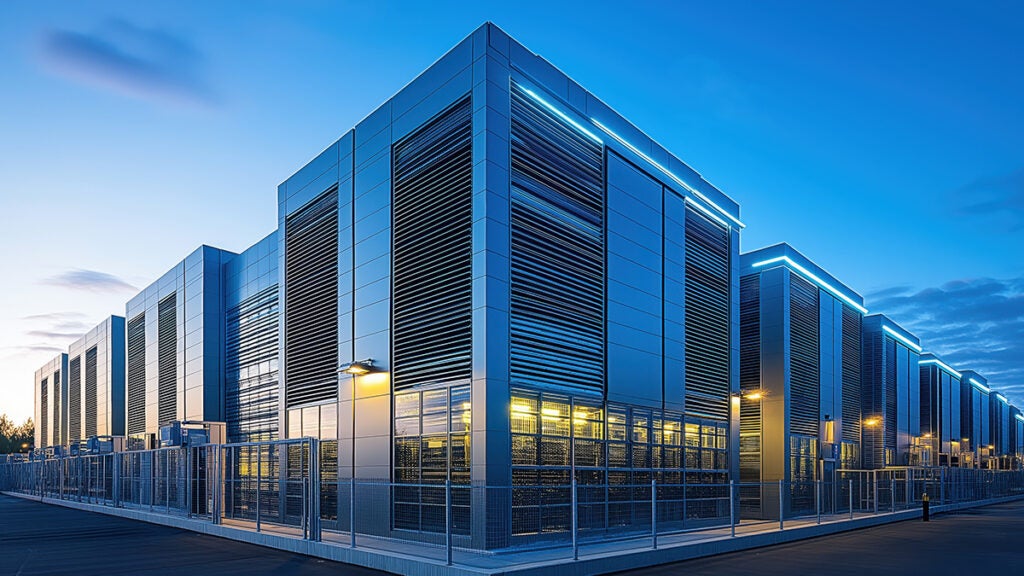
I sell into data center buildouts, so I sit in that room. Someone asks how much power the site will need. No one really knows—the racks aren’t spec’d, the tenant isn’t signed, the whole thing hangs on a chip that ships in 18 months. They take the largest configuration anyone floats, add margin—200 MW, 500 MW, whatever the site could handle if everything broke its way.
COMMENTARY
Nobody is lying. What comes out of that room is a ceiling, and everyone understands it’s a ceiling. It’s the only responsible way to plan a project where being undersized costs you the tenant, and being oversized costs you a mildly embarrassing press release.
Then the number leaves the room and stops being a ceiling. It becomes an announcement, then an interconnection request, then five more in five more territories, because nobody knows which utility will get to them first and it would be negligent not to ask all of them. This publication has already documented where that leads. I’m not here to relitigate it.
I’m here about what it’s costing to believe it.

In This Issue
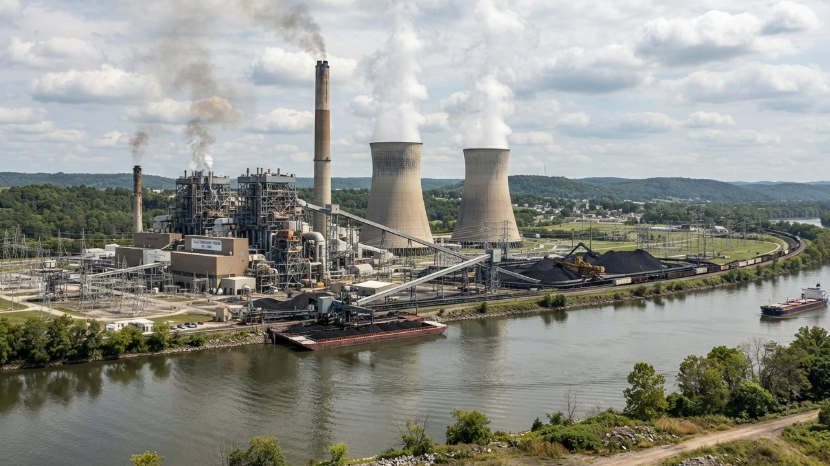
Full issueThe Department of Energy since May 2025 has issued more than 40 emergency orders under Section 202(c) of the Federal Power Act. A handful of those have held at least 4.4 GW of coal-fired generation from retirement. In roughly 50 years, the department had never ordered a generating unit to keep producing past its retirement date. The orders run 90 days, are always renewed, and the justification is load growth.
Take Texas in late July. The Electric Reliability Council of Texas (ERCOT) blew past a demand record that had stood since August 2023, with preliminary readings above 91 GW. The grid took it with more than 20 GW to spare, no emergency alert, no call to conserve. Real load, arriving, absorbed on a Wednesday evening.
Now look at the queue behind it. ERCOT is tracking more than 438 GW of large-load requests, nearly 90% from data centers—roughly five times the record that just got set. ERCOT has said plainly that its own forecast runs higher than it expects actual growth to be.
That’s the number doing the legal work. Not the 91. The 438.
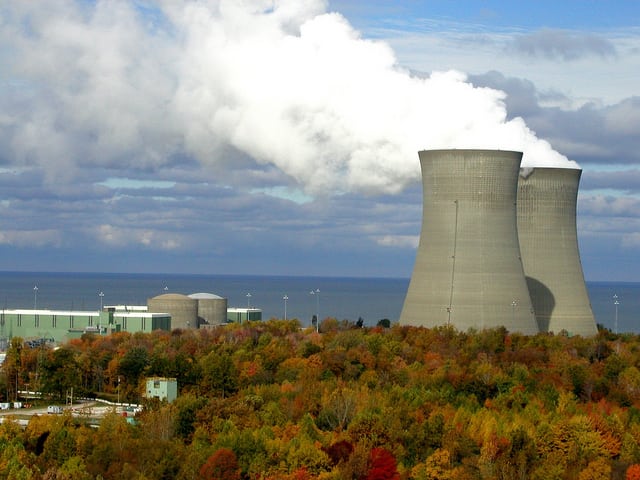
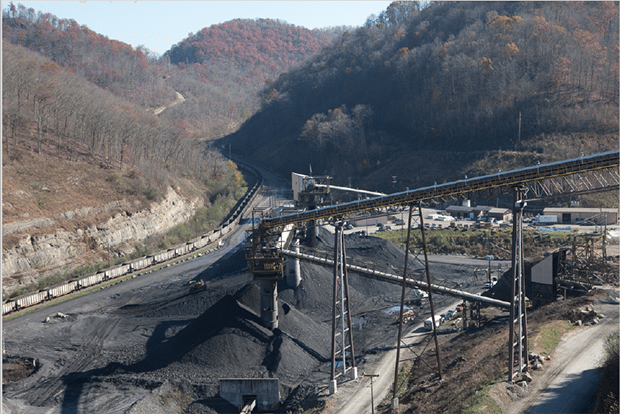
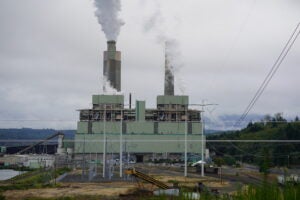
I went looking at those coal plants ordered to remain open. Five produced 1.5 TWh in the first quarter of 2026, down 65% from the same quarter in 2025. I keep coming back to Centralia, Washington state’s last coal plant, 730 MW, set to close at the end of 2025 but now serving its third consecutive 90-day order. TransAlta’s chief executive said the unit likely would not be called on at all, because the U.S. Northwest is flush with hydro. The company has asked the Federal Energy Regulatory Commission for $19.9 million to cover the first order alone. Who pays is an open question because the Northwest has no regional transmission organization, and TransAlta has no retail customers. A plant nobody expects to run, kept warm by federal command, with the bill still an open docket.
Here is where a grid operator stops me, and fairly. The North American Electric Reliability Corp.’s latest long-term assessment puts a majority of regions at elevated risk in the coming years. Dispatchable plants are retiring faster than firm replacements are coming online. A plant running 15 days a year is still worth having on the 15th day. Keeping a boiler warm as insurance is certainly defensible.
I don’t dispute the insurance. I dispute the premium, and who set it. An insurance policy priced off a number the underwriter has publicly called too high is not insurance, just a subsidy with a reliability label on it. If the case for holding these plants open is genuine winter risk, make that case on winter risk, in the open, plant by plant, and let a regulator weigh it. Do not run it through emergency authority pointed at a queue that the queue’s own operator does not believe.
The frustrating part is that the alternative is not stuck on physics. I spend a lot of time around people building small reactors, and the engineering is not what is holding them up. The May 2025 executive orders set historically aggressive U.S. nuclear targets: 400 GW by 2050, 10 new large reactors under construction by 2030. The Nuclear Regulatory Commission (NRC) finalized a new licensing framework in March; it proposed one for microreactors in May. This is the most ambition Washington has aimed at nuclear in a generation, and it is real.
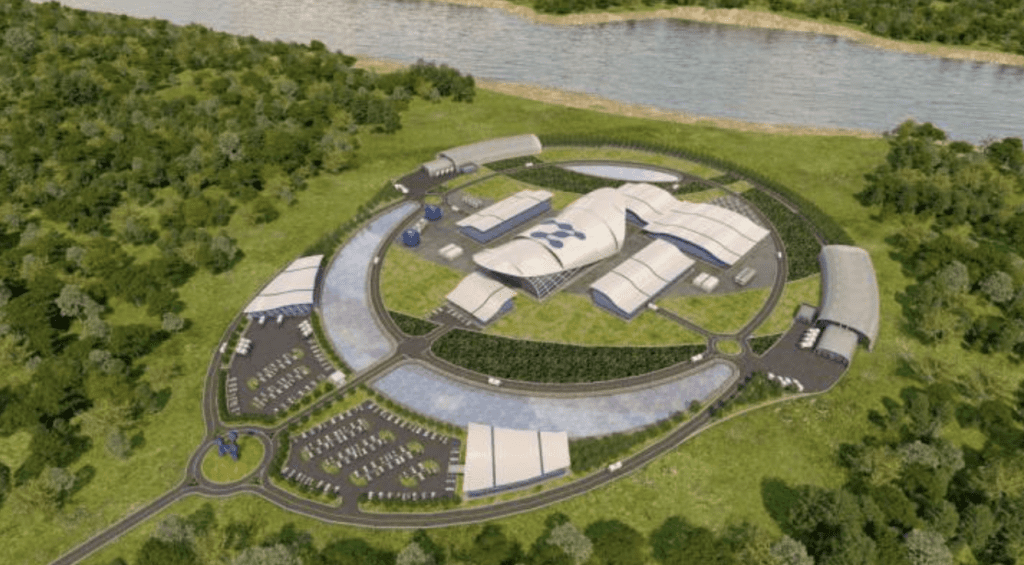
But look at how the ambition moves. Tennessee Valley Authority (TVA) in early 2025 applied to build the first U.S. utility-led commercial small modular reactor—a 300-MW unit at Clinch River. NRC staff recommended approval more than a year later, in June 2026. Now there’s a mandatory public hearing in Tennessee. Until commissioners sign, TVA cannot begin construction.
Consider that timeline. It took more than a year, and the most-watched advanced reactor application in the country, to reach a single evening meeting where someone decides whether a shovel is allowed in the ground. That is the asymmetry, and it has nothing to do with enthusiasm. A coal plant can be ordered to keep running in an afternoon. A reactor waits a year-and-a-half to reach the room where the meeting happens.
Coal got an order. Nuclear got a meeting.
I sell into this buildout, so weigh my incentive accordingly. The bigger that number, the better my year, and I have never once been in a position where correcting anybody would have made me money. What I can’t defend is applying federal emergency authority to a forecast the forecaster has disowned, aiming it at the oldest thing on the system, and calling the newest thing too slow while it waits for permission that we already know how to grant.
The load is coming. Some of it. Build for that part.
—Henri Francois is co-founder of Borealis/Stilllife.