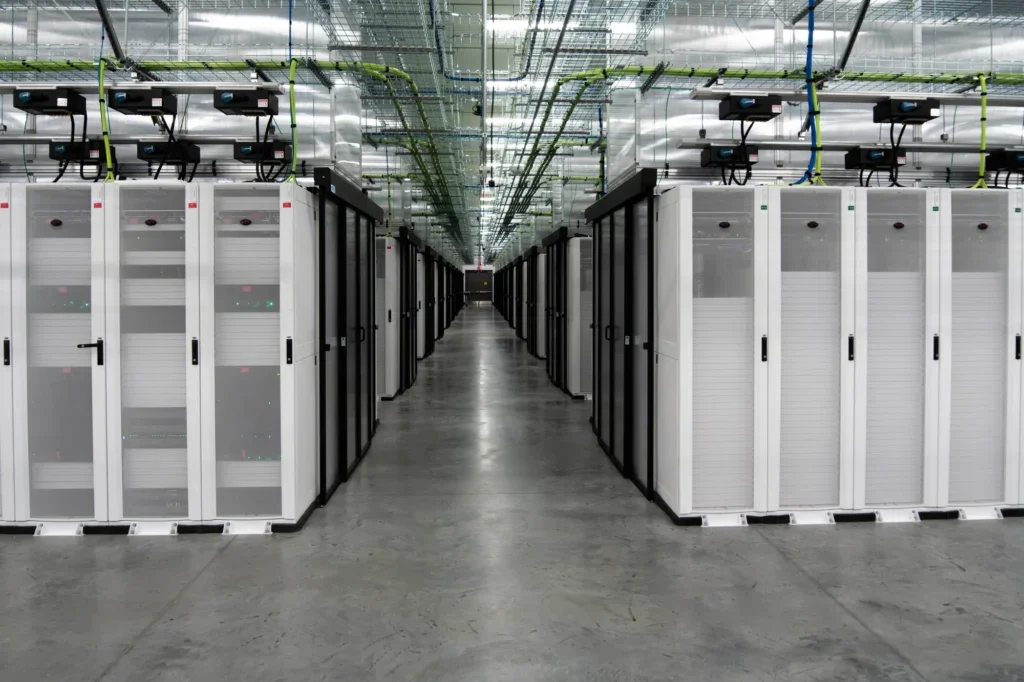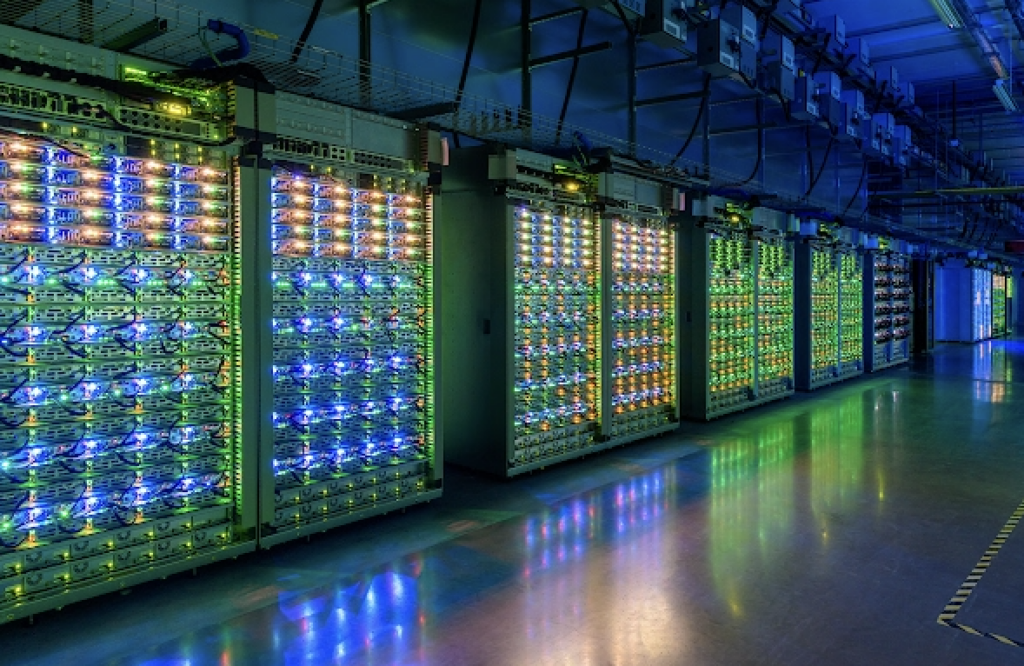
U.S. grid planners are preparing for annual electricity demand growth of about 0.9% to 1.6% through 2050, with data centers emerging as a major driver, and EPRI—the Electric Power Research Institute—suggesting they could account for as much as 17% of U.S. electricity demand by 2030.
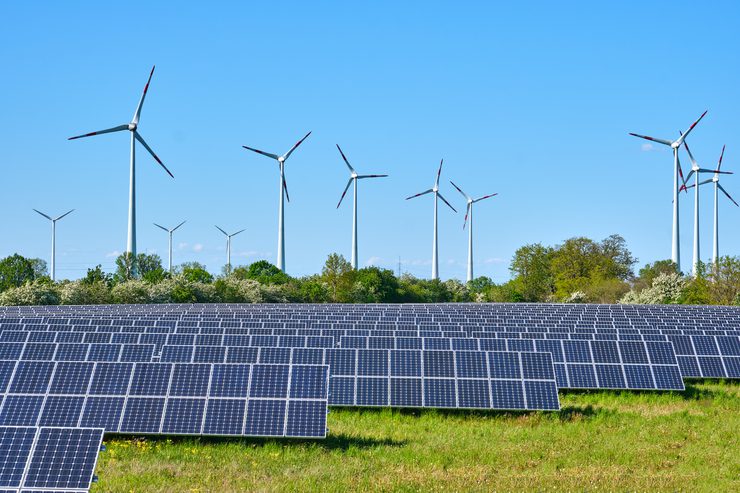
For the wind, solar, and energy storage industry, this represents one of the largest potential growth markets in decades, but only if renewable energy providers can meet the speed, reliability, and scale requirements of hyperscale development. Data center developers are changing what large energy customers value, how power solutions are structured, and what renewable energy developers must be prepared to deliver.
The Speed-to-Power Challenge
For traditional renewable energy developers, price, long-term economics, and sustainability goals have been central considerations. Hyperscale data center developers still care about those factors, but they add a different level of urgency around speed-to-power, reliability, scalability, and certainty of energization.
Hyperscale developers are also facing increasing opposition from communities that are starting to organize around data center development issues—specifically the perceptions of enormous water use, increasing electric rates, and the rise of artificial intelligence.
COMMENTARY
A delay in power availability due to permitting or procurement challenges means delaying the operation or expansion of a major data center investment. When billions of dollars in computing infrastructure depend on access to electricity, the date on which power becomes available becomes just as important as its price. That creates a fundamental mismatch. Data centers can move through development on timelines that are substantially shorter than the interconnection process and the utility infrastructure upgrades required to serve them. In constrained markets, a site can be attractive in almost every other respect but still face uncertainty about when sufficient power will be available.
As a result, data center developers are placing greater emphasis on how much power can be delivered, how quickly it can come online, whether a grid-tie is even necessary, and whether the solution can scale as the project expands.
The Solar and Storage Advantage
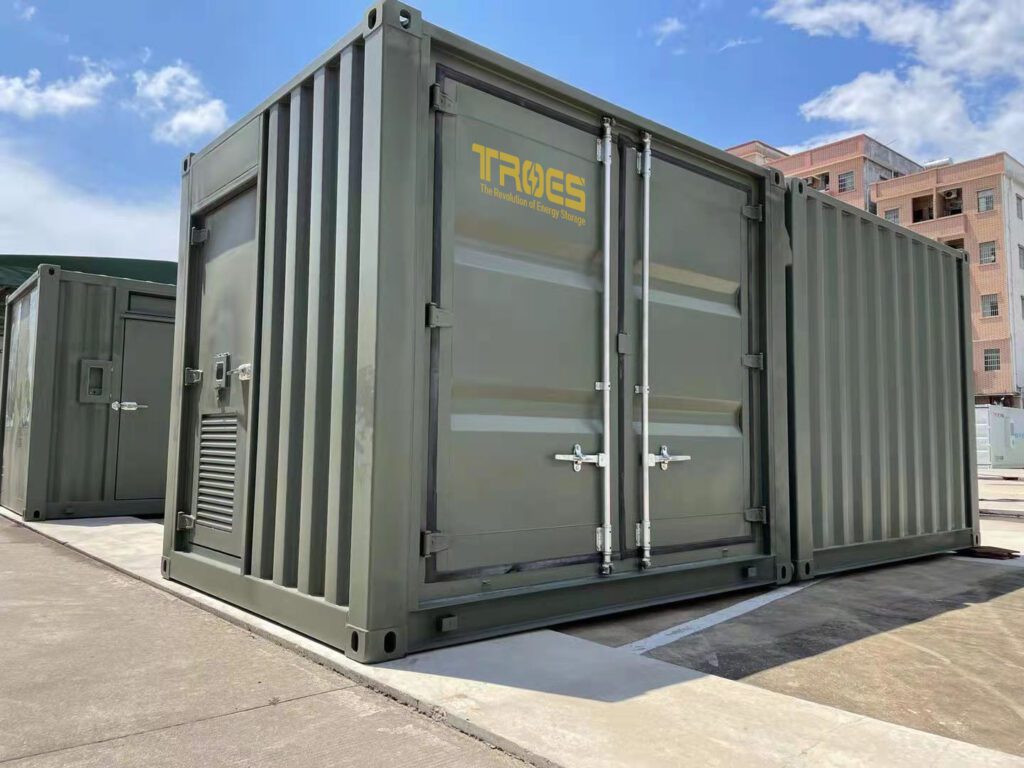
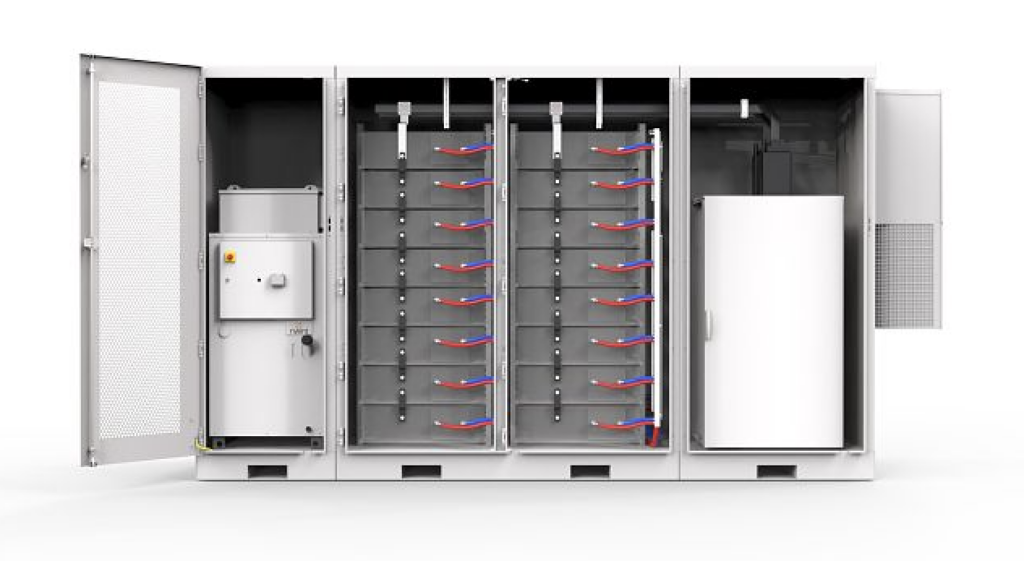
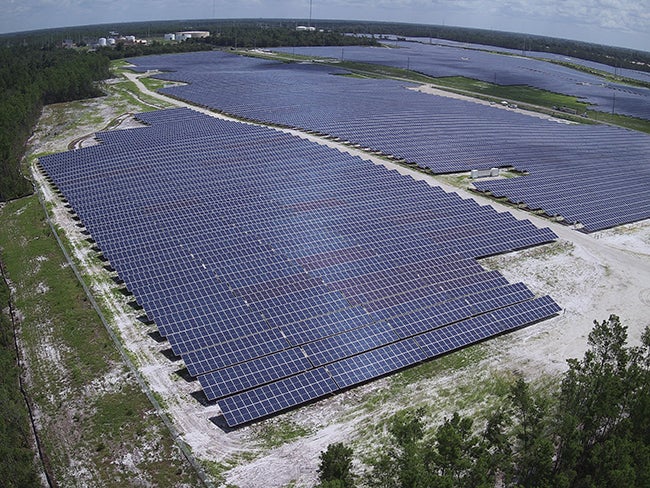
The emphasis on speed creates an important opportunity for solar and battery energy storage. Competitive cost and relatively fast development timelines compared with conventional generation are two of the main attributes that have helped drive the growth of these technologies. Storage can also add flexibility to the power supply, while onsite, behind-the-meter and hybrid configurations provide additional options in markets where grid capacity is constrained.
But data center developers also require extremely high uptime and confidence that power will be available when it is needed. Solar energy can be delivered only as available, while batteries shift the availability of energy rather than independently creating new electricity generation. And while solar and storage can be developed relatively quickly, supply-chain constraints from tariffs and changing trade policies, as well as competition for skilled labor and domestically sourced equipment, can make delivery timelines and costs more difficult to predict. The opportunity for solar and storage, therefore, lies in how effectively they can solve parts of that challenge as components of a broader power strategy.
From Renewable Projects to Integrated Power Solutions
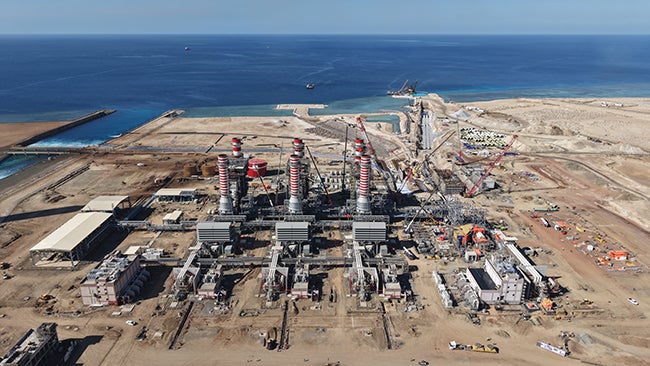
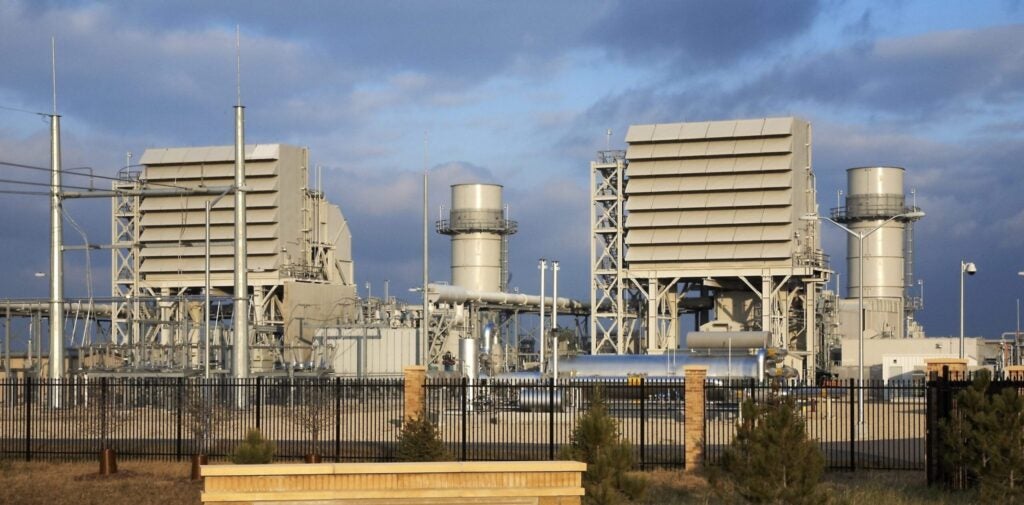
These new demands and buyer dynamics are pushing the market beyond a traditional conversation about individual generation assets into solutions involving an integrated power solution. Depending on the physical site and the hyperscaler customer, the solution can involve a combination of solar, battery energy storage and/or conventional generation in either a behind-the-meter generation or grid-tied solution.
Based on our experience, hyperscalers are now considering phased approaches to solve their energy needs. Some approaches are even designed to provide an initial block of capacity to come online while longer-term grid, transmission, or generation infrastructure is developed. Data center infrastructure is also being modularized to allow for data processing expansion in parallel with power solution expansion. All of these delivery methodologies are driving increased innovation in risk management and delivery strategies. In the most advanced delivery models, developers, equipment suppliers, and utilities are working together to identify sites that will both minimize impacts to local communities and, in the best case, serve to increase grid resiliency and stability.
For renewable energy developers, this requires a broader view of the customer’s needs than just delivered megawatt hours at an affordable price. They need to understand how their project fits within the customer’s overarching expansion goals, pathways to energization, interaction with other resources and infrastructure, defined load profile, and community benefits. That also means engaging earlier in the data center development process. If access to power determines where renewable energy generation facilities can be built, energy strategy cannot wait until after a site and development plan have already been established.
Shifting Roles and Risks in Today’s Renewable Energy Market
These new requirements are changing how renewable projects are developed, contracted, and evaluated. Risk-sharing models must be developed to address externalities such as equipment shortages, policy fluctuations, and community sentiment. Proximity to load, deliverability, community acceptance and development timelines may carry greater weight than traditional considerations such as resource quality and project economics. Developers also need to collaborate earlier with utilities, transmission providers, storage companies, and other generation partners to create realistic pathways to power.
Commercial expectations are additionally changing due to the many genuinely unpriceable risks such as Executive Order 14420, tariffs, FEOC requirements, and even domestic content considerations. Project developers are being asked to take on availability and energy guarantees that can be considerably more stringent than traditional renewable industry practice and are not always fully backed by the equipment providers supplying the technology.
Commercial off-ramps are being built into power supply and equipment supply agreements that allow parties to walk away if project economics becomes unfeasible due to force-majeure externalities. These commercial structures create new questions about how development and performance risk is allocated, priced, and ultimately managed.
These new and evolving commercial structures could ultimately be the most important way data center growth reshapes the renewable energy market. The opportunity will not necessarily belong to the developers with the most megawatts in their pipelines or even those offering the lowest-cost energy solutions. It will favor those that can design creative solutions, forge strong partnerships for successful project delivery, and learn to manage risk efficiently to delivery projects. The companies best positioned to capture data center-driven demand may be the ones best suited to turn complex power requirements into executable projects.
—Evelyn Carpenter is the CEO of Invera Energy. Carpenter has more than 20 years of experience advising on large-scale energy infrastructure projects, including wind, solar, energy storage, data centers, and conventional generation solutions. Her work focuses on guiding clients through complex development, from early-stage strategy through construction and delivery.