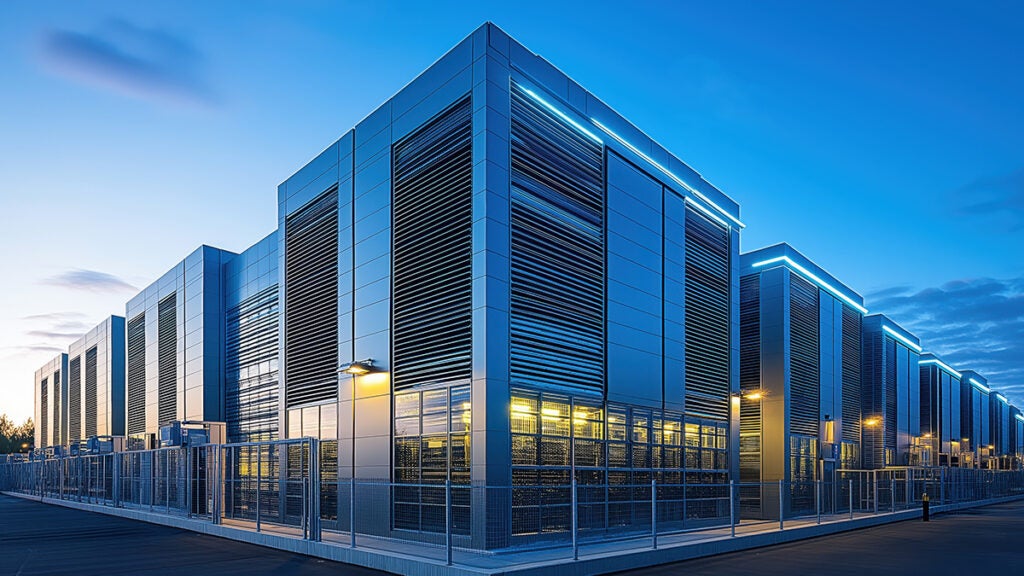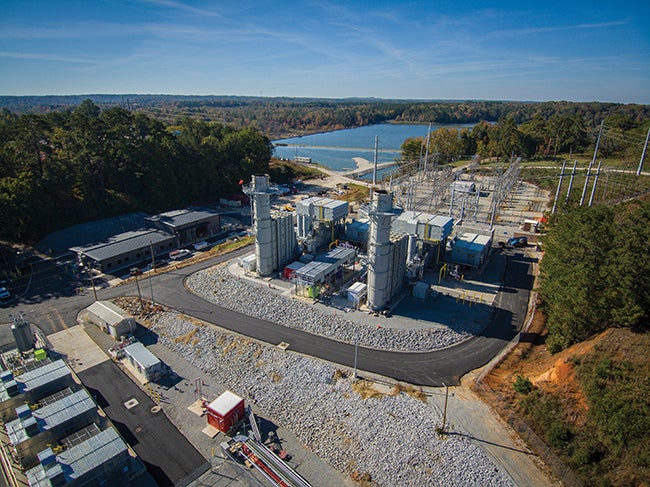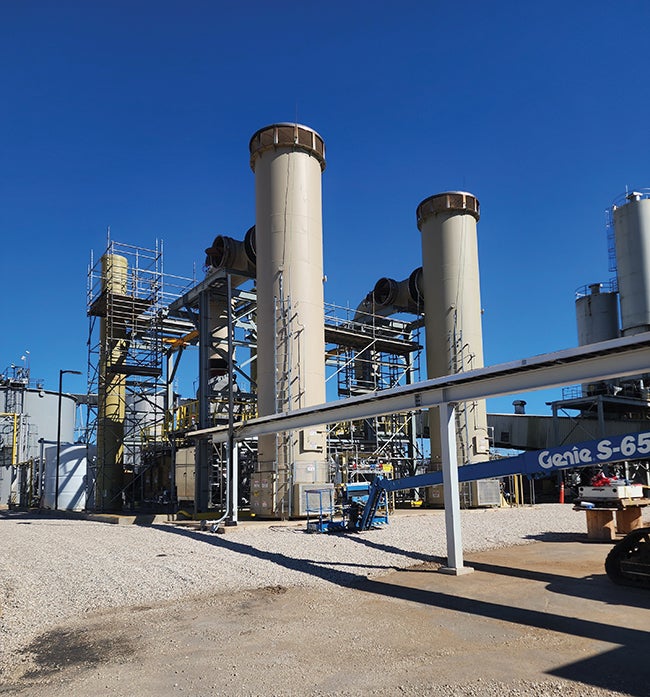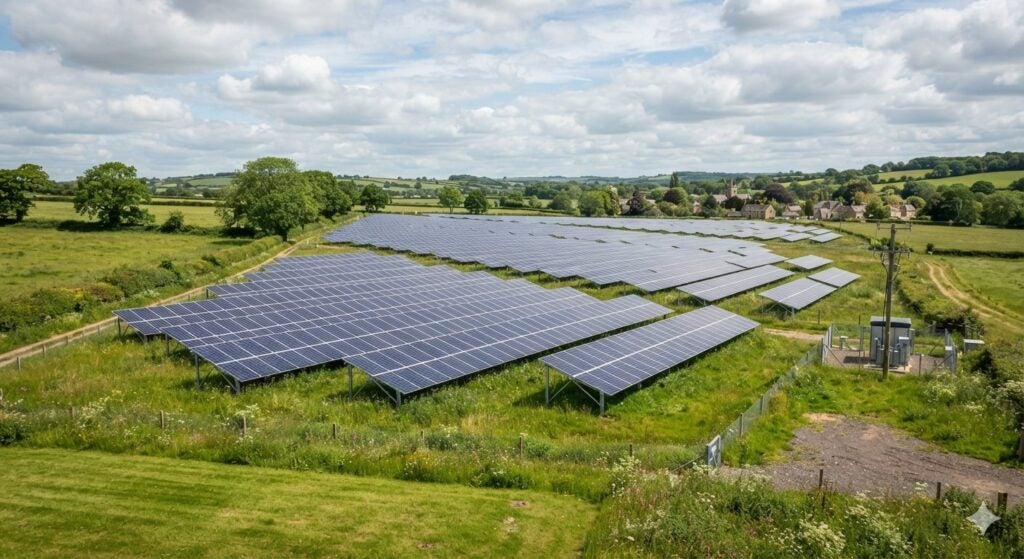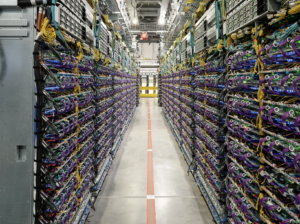
As demand for artificial intelligence (AI), hyperscale cloud and high-density computing accelerates, data centers are being built at an unprecedented pace.
Yet this expansion is outstripping the fiber infrastructure required to support it—introducing real risks to capacity, cost and timelines. Industry research indicates that without significant investment, global networks will require up to 200 million additional miles of fiber by 2030 to avoid capacity bottlenecks.
The Infrastructure Surge—and the Mismatch
Capital is surging to meet that demand. Microsoft alone committed more than $80 billion in 2025 to expand AI data centers, and Meta launched a $600 billion U.S. infrastructure initiative through 2028, anchored by a $6 billion fiber supply agreement with Corning.
Carriers are racing to keep pace: Zayo alone is investing more than $4 billion to build 5,000+ new long-haul route miles over the next five years. Utilities are undertaking one of the largest expansions in history, announcing more than $1.4 trillion in grid investment through 2030—from Duke Energy’s ~$100 billion program to Southern Company’s ~$80 billion and AEP’s ~$78 billion—driven largely by AI data center demand.
Despite this surge in capital deployment, a fundamental mismatch persists: power and telecom infrastructure timelines are measured in years, while data center construction timelines are measured in months. The result is a growing risk that facilities are completed and powered yet cannot operate, because the necessary fiber connectivity is not in place.
The Growing Constraint: Fiber Infrastructure
Beneath the visible progress of cranes, concrete and commissioning lies a dependency that determines whether a project succeeds or stalls: fiber. While power and construction dominate early planning, fiber infrastructure is frequently underprioritized—despite being one of the most common sources of avoidable delays and redesigns. Increasingly, it is fiber availability rather than land or power, that is the primary constraint for new data center development.
The technical demands of modern AI workloads are driving this shift. Next-generation data centers require exponentially greater bandwidth, ultra-low latency and dense interconnectivity—often 10–36 times more fiber density than traditional environments—even as overall capacity is expected to triple by the end of the decade. The strain is already visible: in Memphis, connectivity demand jumped more than 4,000% year-over-year, and across the U.S. up to 40% of data center projects are missing timelines, often due to telecom and permitting constraints. Meanwhile, hyperscalers are locking in multi-billion-dollar supply deals with manufacturers such as Corning, tightening availability for everyone else.
Bridging the Gap: Aligning Telecom Early
The projects that succeed are increasingly those that treat fiber as foundational, aligned with power delivery and site development from the outset. That means bringing telecom into site selection and early design, where feasibility assessments, route planning, bandwidth modeling and coordination across utilities, carriers and permitting authorities can head off costly redesigns downstream.
Before construction begins, organizations should validate fiber availability and route diversity, long-haul and metro network capacity, carrier access and interconnection points, scalability to support future AI workloads and alignment with permitting, construction and power timelines. This represents a fundamental shift—from reactive telecom planning to proactive infrastructure alignment.
Conclusion: The Shift from Dirt to Data
The global race to build AI-driven data center infrastructure is accelerating, but success is no longer defined by how quickly facilities are constructed or energized. It is defined by readiness. The difference between a data center that goes live on schedule and one that remains complete but offline ultimately comes down to whether telecom was treated as a critical prerequisite—or an afterthought.
As the industry moves from dirt to data, organizations that align telecom, power and construction early—and invest in the engineering capabilities required to integrate them—will be best positioned to deliver resilient, scalable infrastructure on time and at scale.
—Jennifer Kennicutt is a Technical Manager for Grid Automation, at Actalent Services, where she leads engineering and pm teams supporting power and telecom infrastructure delivery.