Summer peaks are still with us, and every unit on your system must be prepared to operate at a moment’s notice. Spot power prices are so high that you expect phone calls asking for a few more megawatts from your units. Then your plant chemistry lab calls to report a condenser tube leak. Your options are few: Shut down immediately and get charged with a forced outage, ignore the leak and keeping running until fall, or schedule a maintenance outage next weekend and hope the leak can be found and fixed. In Part I, we examine what you need to know in order to make an informed decision. In Part II, we’ll explore the actual damage mechanisms.
Condenser tube failures continue to be the most common source of plant boiler and steam contamination. They are also unpredictable in size and location and can be difficult to detect. Improvements in water treatment equipment, such as reverse osmosis membranes, have reduced demineralizer regeneration problems, the next-most-frequent major cause of boiler water contamination. At some plants, the combination of reverse osmosis and a continuous electro-deionization unit has essentially eliminated contamination caused by the water treatment system. Some guidelines for selecting new water treatment equipment were presented in an earlier article (“Avoid These 10 Mistakes When Selecting Your New Water Treatment System,” September 2009).
Although condenser tube material is an important factor in the durability of your condenser, you can’t always “alloy” your way out of condenser tube leaks. Stainless steel is subject to cracking on the steam side and microbiologically influenced corrosion on the water side. Even titanium tubes have been known to leak.
Deciding between a forced shutdown to repair a potential condenser leak and pushing your luck by continuing to run your unit requires an understanding of the common modes of condenser failure. When a leak is confirmed, your next move will determine if—or, in most cases, how much—damage is done to the boiler and turbine.
Protect Your Steam Turbine
For the majority of plants that use condenser cooling water, a condenser tube leak means a drop in boiler pH. For many units, control of the boiler pH is the primary determinant of whether or not the contamination is severe enough to take the unit off line. Obviously, if the boiler pH cannot be controlled, and particularly if the pH drops below 8, the unit must come off line immediately. However, the converse is not always true. Just because the boiler pH can be maintained above 8 by adding additional phosphate and caustic and increasing the rate of boiler blowdown doesn’t mean that contamination is not damaging the boiler or steam turbine.
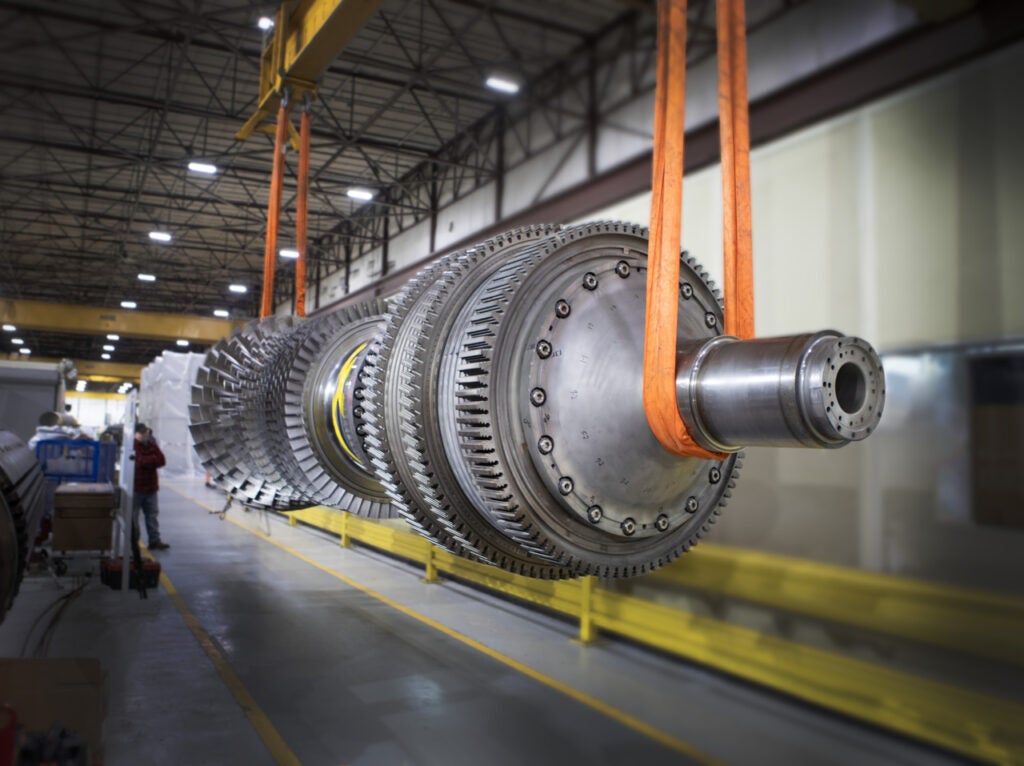
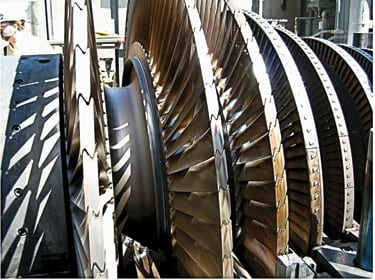
Steam turbines are particularly vulnerable to even minute amounts of contamination accumulating on the steam turbine blades. It is critical that steam purity guidelines be constantly maintained to minimize steam turbine corrosion. Corrosion in a steam turbine typically occurs in the low pressure (LP) section of the turbine where the steam has lost most of its superheat and is approaching saturation temperature. For this reason, steam purity guidelines are not significantly different for different boiler operating pressures or temperatures.
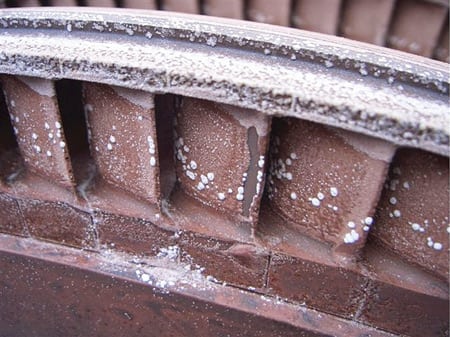
During a contamination event such as a condenser tube leak, significant damage can occur to the LP turbine in relatively few hours of operation with high levels of sodium hydroxide, chlorides, or sulfates in the steam. These chemicals, precipitating in the LP turbine, can result in stress corrosion cracking or corrosion fatigue failures.
Steam passing through the turbine (preferably sampled at the reheat steam sample station after attemperation) should contain less than 2 ppb of sodium and have a cation conductivity of less than 0.2 microsiemens/cm (Figure 1). These two critical parameters need to be continuously monitored and displayed and alarmed in the control room. The limit of 0.2 µS/cm of cation conductivity can be affected by the presence of organic acids and carbon dioxide in some units (see sidebar).
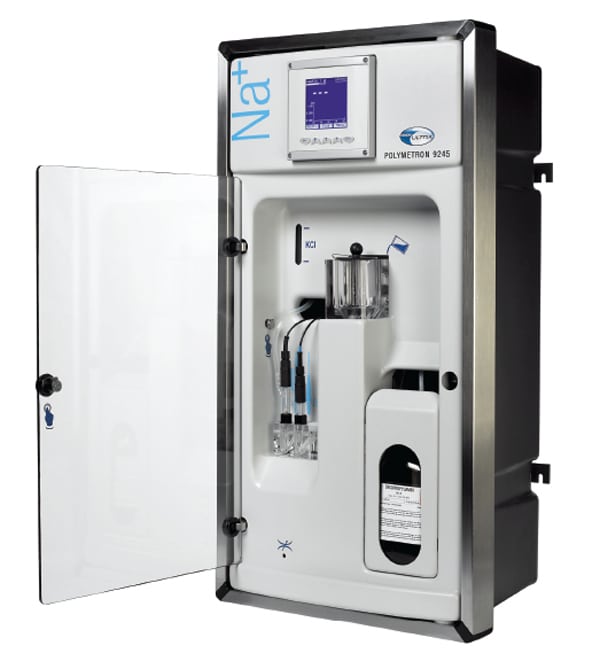 |
| 1. Measuring sodium. Measuring the sodium content of water and steam in modern power plants is critical; however, measurements are problematic. Modern analyzers, such as the Hach Model 9245, can detect levels of sodium down to 0.01 ppb. Courtesy: Hach USA |
Recall that cation conductivity is not a measurement of any specific contaminant but a “composite” parameter—the sum of the acid form of all anions in the sample (see “Cation Conductivity Monitoring: A Reality Check,” May 2008). The actual corrosive species in steam that are inferred by cation conductivity are chloride and sulfate. The actual limit of chloride and sulfate in steam for normal operation should be less than or equal to 2 ppb. However, it is rare that a utility will install the dedicated instrumentation and personnel to analyze these parameters directly. Normally, if the cation conductivity is within limits, chloride and sulfate will also be well below 2 ppb. However, there is a potential bypass route for contamination that is often overlooked. When feedwater is used for attemperation, it can be a source of steam contamination during condenser tube leaks.
If chloride and [Ed: correction] sulfate in the steam cannot be maintained below 8 ppm (less than four times the normal operating limit of 2 ppb), the unit should come off line as soon as possible and definitely within 24 hours, regardless of boiler water chemistry readings. When contamination is suspected, the direct measurement of chloride and sulfate may be required to ensure that the turbine is not being harmed.
Early Detection Is Essential
Although some condenser tube leaks occur suddenly and catastrophically, most start small and grow steadily worse over time. Early detection makes it possible to plan for an outage at a convenient time to fix the leak. Some utilities have chosen to monitor for chloride in the boiler water directly with online chloride analyzers such as the Thermo Fisher Scientific Orion 1817LL Chloride new version analyzer, which can measure down to 5 ppb chloride (Figure 2).
 |
| 2. Measuring chlorides. Thermo Fisher Scientific’s Orion 1817LL low-level chloride monitor is specifically designed to measure the presence of chlorides in boiler water down to levels as low as 5 ppb. The presence of chlorides at such low levels is an early indicator of a condenser leak. Courtesy: Thermo Fisher Scientific Inc. |
For drum boilers, close monitoring of boiler chemistry may provide the first indication of a condenser tube leak. One approach is to monitor the cation conductivity of the boiler water. The cation conductivity, minus the contribution of any added phosphate, is a reflection of the amount of chloride and sulfate in the boiler water. Any increase in the boiler water chloride or sulfate level would be due to contamination.
On Bacteria Testing and ORP Control
In some cases, plant operators and their chemical suppliers put an undeserved amount of trust in various cooling water treatment control methods and assume that biofouling is in control when it really is not. Biofouling, its sources, and possible solutions were discussed in earlier articles (“Organics in the Boiler and Steam: Good or Bad?” September 2006 and “Biofouling Control Options for Cooling Systems,” September 2007).
The collection and analysis of a cooling water sample for microbiological counts—whether those are sulfate-reducing bacteria, fungus, or just general aerobic bacteria—tells very little, if anything, about the amount or viability of biofilms in the condenser water boxes, the tubes, or the tower and whether or not microbiologically influenced corrosion (MIC) is occurring. The free-swimming or planktonic bacteria collected in a water sample do not cause MIC, and these bacteria are the ones that are most quickly dispatched by biocides, so low counts or the absence of these in the water can produce a false sense of security (Figure 3).
 |
| 3. MIC pits. Microbiological-induced corrosion (MIC) shows up as pits on stainless steel condenser tubing. Courtesy: Andy Howell, Xcel Energy |
However, the opposite case is not true. If the random collection of a cooling water sample shows significant numbers of corrosive bacteria, it is very likely that the biocide program is not working. The high bacteria level may have been present for weeks or months before is it discovered by a water sample. By that time, the damage may already be done or biofilms may be so well established that they are difficult to remove with anything except mechanical cleaning.
In order to understand the activity of biofilms in the tower, you must collect and analyze biofilms in the system by simulating a tower surface (a corrosion coupon is one example), exposing it to constantly flowing cooling water, and then analyzing the amount of microbiological activity of the biofilm on that surface. There are also a number of indirect methods for tracking biofilm growth by monitoring how biofilms affect cooling water flow or heat transfer in a controlled environment, or by monitoring the electrical properties of a probe placed in the water. Often a combination of these methods is needed.
The other area in which trust is often misplaced is the control of MIC and biofilms using an oxidation reduction potential (ORP) probe. The use of an ORP probe for biological control also has a long history in the chemical process industry where organic, sulfur-, and nitrogen-bearing chemicals can be pulled into cooling water via air or can leak from the process. In these cases, a sudden drop in ORP (or a smaller-than-expected rise when the bleach pump starts) may indicate the presence of a bleach-consuming chemical such as ammonia or hydrogen sulfide in the water and signal that the operator should investigate further. However, these environments are far removed from a conventional power plant cooling tower.
In a power plant, a properly maintained ORP probe will indicate whether or not a bleach pump is operating. Similarly, if you have to dechlorinate your cooling water, the probe also does an excellent job of determining if a bisulfite pump is working. It cannot, however, be correlated with, or substitute for, determining the free available chlorine or total residual chlorine concentration. It should also not be used to in some way imply the effectiveness of the biocide program to control biofilms in the system. Unfortunately, there are too many variables that can affect the ORP reading—such as pH, conductivity, and the concentration of other chemical species in the cooling water (particularly chloride)—to draw any consistent correlation.
If continuous monitoring of free available chlorine or total residual chlorine is desired (or required), there are online colorimetric analyzers and amperometric sensors that provide this information. It is important to remember that some analyzers read both hypochlorous acid and hypochlorite ion or may only read one. The pH of the cooling water combined with an understanding of the pH dependence of hypochlorous acid is critical to the interpretation of the analyzer output
Analysis of the boiler water is often far more sensitive to contamination than a steam or feedwater analysis for cation conductivity, as the boiler blowdown valve is generally closed or very close to closed. Contaminants in the feedwater are also concentrated hundreds of times in the boiler water, making them far easier to detect. A boiler that sees an increase of 100 ppb of chloride in the boiler water is in effect measuring an increase in the feedwater chloride level of 0.5 ppb in a boiler with 200 cycles of concentration. This increase is unlikely to be detected by cation conductivity, particularly in the presence of organic acids and carbon dioxide.
Online sodium analyzers on feedwater may also be an excellent method for catching a condenser tube leak early, before it has a chance to contaminate the steam or cause boiler chemistry problems. These online analyzers, which can be purchased from a number of excellent vendors (including Swan Analytical Instruments and Hach), now claim detection limits into the low parts per trillion range and can be very reliable. For some plants, direct analysis of chloride, sulfate, and sodium at low levels can be performed by ion chromatography, using a benchtop unit or even an online monitor.
Hide and Go Seek
If the decision is made that the plant must take an immediate forced outage, then there is also a concern about whether the leak can be quickly found and plugged. The ability to detect a leak is the product of its size, the conductivity or sodium in the cooling water, and the method used to detect the leaks.
When half of the condenser can be safely isolated while the unit is running (or at least while there is still vacuum on the condenser) any number of methods have been tried to find condenser tube leaks. Some operators have used food wrap, candles, rubber stoppers, and shaving cream. However, helium detectors are more sensitive and reliable and can quickly locate even very small condenser tube leaks. The latest helium leak detectors have become much more portable and easier to operate.
Though the design of each plant is somewhat different, an approximation of the size of a condenser tube leak can be made by looking at the cooling water chemistry, the feedwater chemistry, and some basic fluid dynamics.
As an example, consider the typical cooling water analysis summarized here, where the water comes from a local surface source and the pH of the cooling water is adjusted with sulfuric acid:
- Specific conductivity (µS/cm): 4,000
- Calcium (ppm as CaCO3): 770
- Magnesium (ppm as CaCO3): 350
- Sodium (ppm): 340
- Chloride (ppm): 370
- Sulfate (ppm): 1,200
Let’s also assume that the cooling water pressure in the water box is 25 psig and that the unit produces about 1 million pounds of steam an hour, meaning that the flow through the hotwell is also about 1 million pounds per hour, or 2,000 gpm.
Suppose that there were a sudden increase of sodium at the condensate discharge of 5 ppb caused by a condenser tube leak. The increase of sodium in the condensate would be unmistakable, as it is far above any normal fluctuation from other potential sources of contamination. Such a leak would also produce feedwater chloride of approximately 5 ppb and sulfate of 16 ppb. Although it is difficult to predict precisely at these low levels, you may also see an increase of about 0.2 µS/cm in cation conductivity from this leak. In cases where the cation conductivity is stable, such an increase would be seen as unusual and warrant further investigation. In cases where makeup water or organic treatment chemical additions vary, it may be more difficult to determine if the increase in cation conductivity is from a condenser tube leak or some other cause.
Although an increase in sodium at the condensate pump discharge may signal an analyzer problem, and an increase in cation conductivity could have a number of possible sources, if there were an increase in both, then the probability of a condenser tube leak is very high. This is why both cation conductivity and sodium analyzers are must-have analyzers on both a steam sample (reheat or main steam) and at the condensate pump discharge.
Given the levels of sodium and cation conductivity in this example, the change in chemistry suggests a leak of approximately 100 ml/minute—a leak in a single tube smaller than the period at the end of this sentence. It would be very difficult to find such a leak with anything but a helium leak detector.
However small the leak, its effect is substantial. Chlorides at 5 ppb in the feedwater would concentrate considerably in the boiler water and would likely increase to well above 1 ppm chloride in most utility boilers that normally keep the continuous blowdown line essentially closed during operation. A level of even 1 ppm chloride would be intolerable for a unit operating on any boiler water treatment except, perhaps, a high-level phosphate treatment. Even with the blowdown open and continuous high levels of phosphate feed, the potential for underdeposit corrosion, such as hydrogen damage forming in the boiler, is substantial.
The Electric Power Resesarch Institute (EPRI) Chemistry Guidelines (on the EPRI website) provide charts showing the acceptable levels of chloride and sulfate for various operating pressures. When a condenser tube leak is suspected, analytical methods must be in place to analyze chloride and sulfate levels in the boiler frequently. The boiler must come off line if the established limits cannot be maintained not only for pH, but also for chloride and sulfate.
Make Your Decision
With proper analytical monitoring techniques, such as a low-level sodium analyzer at the condensate pump discharge and a continuous chloride analyzer on the boiler water, you may be able to detect very small condenser tube leaks in time to let you run to the weekend and avoid a forced outage. If so, operating the boiler to minimize attemperation flow will minimize contamination of the steam and hence minimize the chance for later boiler and steam turbine problems. However, if the chloride and sulfate levels in the steam or boiler quickly rise (when the condenser leak is large), the unit must immediately come off line to prevent substantial and costly damage to the unit. In either case, good analytical instruments that are properly placed in the boiler and cooling water systems are vital to making informed decisions.
One final thought: Remember to drain and flush the hotwell and drain the boiler when you come down for a condenser tube leak in order to remove any accumulated contamination. Be especially vigilant during the subsequent start-up to ensure that the right tube was plugged and that the chemistry is quickly returning to normal. In any case of severe contamination, a chemical cleaning of the boiler should be scheduled for the next outage.
In Part II, we explore the different mechanisms that cause condenser tube leaks.
— David G. Daniels (david_daniels@mmengineering.com) is a principal of M&M Engineering and a POWER contributing editor.