
The 1940s and 50s are considered the golden age of science fiction literature. After my kids saw the movie, I, Robot, a few years ago, they were surprised to learn that Isaac Asimov—a giant of the genre with more than 500 books to his credit—had written a series of nine short stories with the same name and theme a half-century earlier. Asimov was also a close friend of Star Trek creator Gene Roddenberry, who made his android creation Data a “;positronic“; robot in homage to Asimov. Asimov could convince you to check your skepticism at the door to explore strange universes and their inhabitants, without recourse to special effects.
Spy vs. spy
Asimov’s vision of space travel was no doubt disrupted by the launch of the Soviet Union’s first Sputnik satellite 50 years ago this month, on October 4, 1957. This science fact caught U.S. intelligence agencies completely off-guard and instantly raised fear that Russian ballistic missiles would soon be falling on America like rain. The Cold War immediately morphed from an ideological battlefield into one of technology-based hegemony, with space as the high ground. The Russians couldn’t make a reliable car, but somehow they had managed to launch a basketball-sized satellite into orbit.
President Dwight Eisenhower understood that militarizing space would only accelerate the nuclear arms race, so he amalgamated the various research laboratories developing rocket technology into a single organization and put it under civilian control. Congress moved quickly and established NASA on October 1, 1958, to “provide for research into the problems of flight within and outside the earth’s atmosphere, and for other purposes.“ The “space race“ began.
Ironically, because Eisenhower’s main concern during the early 1950s was avoiding a nuclear holocaust, he needed covert intelligence about possible sneak attacks that could only come from space. Ike took a two-step approach: He launched U-2 flights at 70,000 feet over Soviet territory in July 1956 and poured enormous resources into the development of top-secret spy satellites—the “other purposes“ in NASA’s charter. From the public’s point of view, Sputnik put us second in a race we didn’t know we had entered.
From space race . . .
The Apollo program became a NASA priority on May 25, 1961, when President John F. Kennedy laid his presidency on the line by announcing, “I believe that this nation should commit itself to achieving the goal, before this decade is out, of landing a man on the moon and returning him safely to earth.“ In response, Gordon Cooper, one of original seven Mercury astronauts, is quoted as having said, “It just ain’t possible. First, we don’t have the rockets; second, we don’t have the spacecraft; and third, we don’t even know how to navigate our way out there and back.“
Eight years and two months later, Kennedy’s promise was fulfilled. On July 20, 1969, Neil A. Armstrong spoke the famous words, “That’s one small step for [a] man, one giant leap for mankind,“ from the moon after the first of six successful landings over a three-year period. Just 12 years after the launch of Sputnik, and 70 years after the first wood and cloth airplanes took to the sky, the space race was over.
. . . to MySpace
When the space race ended, America’s best and brightest began adapting for civilian use the military technologies they had developed. We now take many of their successes for granted. For example, the origins of the Internet can be traced back to the military’s demand for a decentralized communications network able to survive a nuclear attack. Overhead, there are hundreds of civilian satellites used for voice and data carriage, navigation, and entertainment. And, lest we forget that it took two to have a space race, the Russians will send you sightseeing beyond the wild blue yonder for a mere $20 million (the return trip is free).
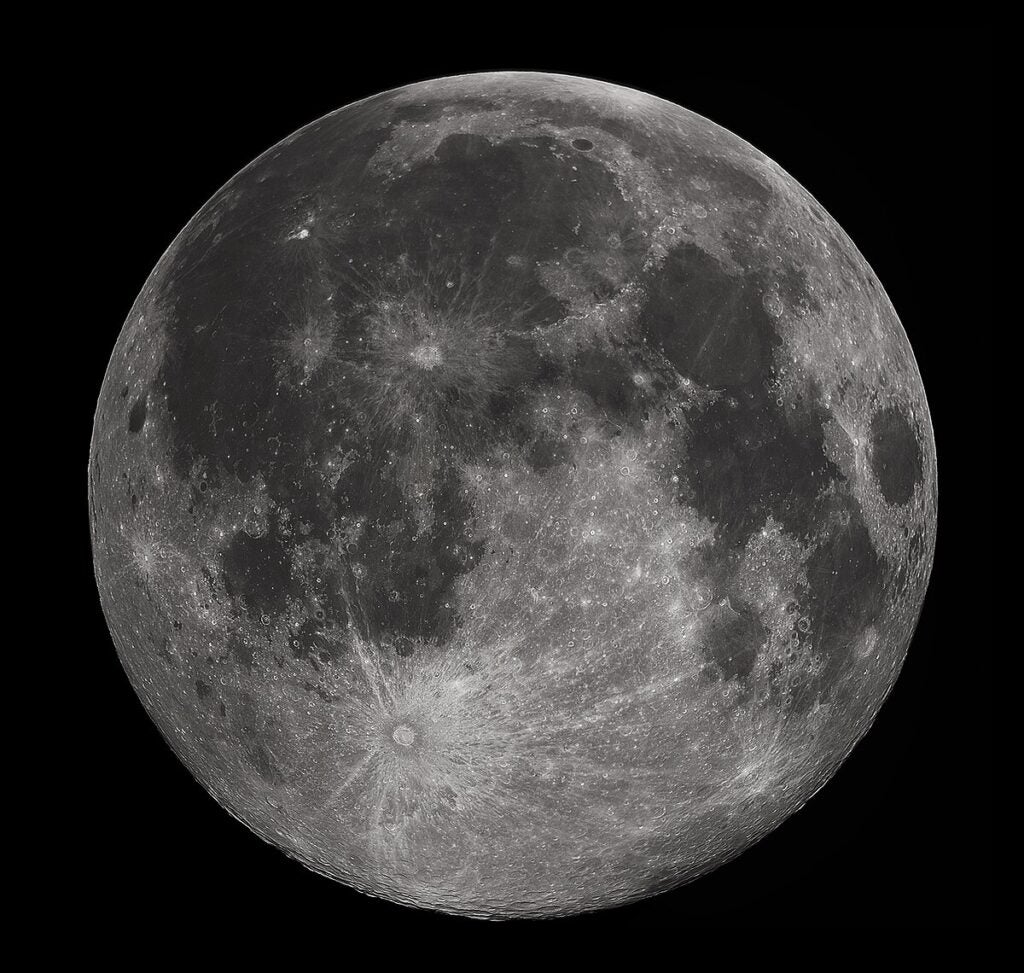
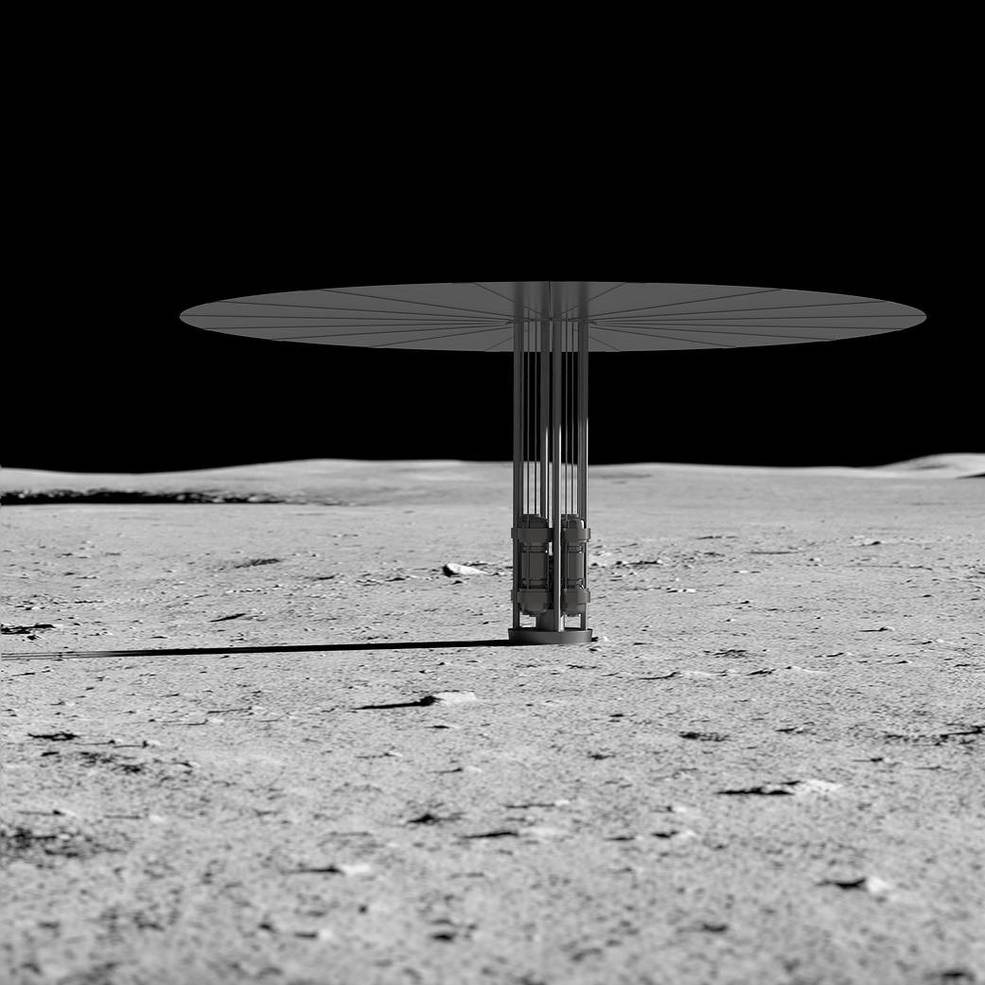
In December 2006, NASA announced a plan to establish a small, self-sustaining colony on the moon, perhaps by 2024, and it’s flying like a brick. A seventh moon landing will never engender as much national support as the first space missions enjoyed. The original astronauts were experienced fighter pilots with “the right stuff“—national heroes who literally went “where no man [had] gone before.“ Today, few Americans can name a single astronaut (at least none that aren’t on the cover of the National Enquirer), and the business of space has become business as usual.
Four decades later, we still marvel at NASA’s feat of putting a man on the moon so quickly after JFK challenged America to reach for the heavens. Technology has advanced a thousand-fold since then, but our national desire to explore the limits of our reach has splintered into a thousand competing wish lists, none urgent enough to develop sufficient public traction. I can’t think of a single national priority that a majority of Americans would be willing to make personal sacrifices to achieve. Is it just my cynicism, or do we lack leaders who are inspired and inspiring? I’m not sure.
Asimov, a noted scientist in his own right, often commented on the confluence of science and storytelling. For example: “Science fiction writers foresee the inevitable, and although problems and catastrophes may be inevitable, solutions are not.“ Perhaps he’s right, but brilliant leadership means inspiring skeptics to attempt unbelievable tasks—and accomplish them. Imagine how different the world would be if clean energy were as abundant and available as Asimov made it in his novels. With energy independence, mankind could take a second “giant leap“ forward right here at home. That’s not science fiction.